

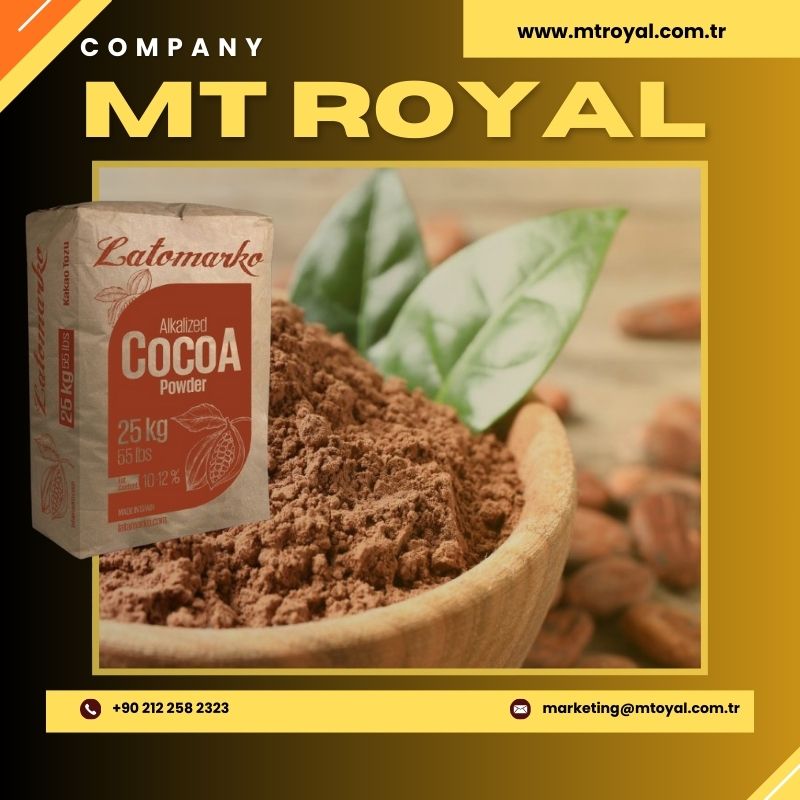
There’s a certain buzz in the production halls of bakery plants across Saudi Arabia lately. It isn’t about a new mixer or a faster conveyor; it’s about a raw material that quietly but fundamentally alters product quality and consumer perception: alkalized cocoa powder.
For many decision‑makers in bakery manufacturing, “alkalized cocoa powder demand” is more than a keyword on a procurement sheet. It’s a reflection of shifting consumer tastes, evolving product portfolios, and an operational imperative to balance taste, consistency, and cost. Yet despite its critical role, few industrial guides focus on how exactly alkalized cocoa powder fits into large‑scale production planning, supply chain resilience, and quality control.
This article dives deep—without jargon, without fluff—into why alkalized cocoa powder matters, how demand is shaping up in Saudi Arabia, and how you can navigate this landscape with confidence and strategic clarity. We’ll draw on real factory floor insights, procurement pitfalls, actionable strategies, and even some real‑world industrial anecdotes. Along the way, we’ll reference trusted supplier practices, including MT Royal’s experience supplying global facilities and the role of premium options from brands like Latamarko when top tier quality matters.
Alkalized Cocoa Powder Supplier
latamarko alkalized cocoa powder lm60
Food industry raw materials – list of products
What Is Alkalized Cocoa Powder and Why It Matters
At its core, alkalized cocoa powder (often called “Dutched cocoa”) is cocoa powder that has been treated with an alkalizing agent to adjust its pH. This isn’t cosmetic tweaking for bakers; it influences flavor profile, color depth, solubility in doughs and batters, and interaction with leavening systems.
For manufacturing professionals, the technical differences matter because they directly affect:
- Flavor balance
- Visual consistency across batches
- Compatibility with emulsifiers and conditioners
- Shelf stability of finished products
In contrast to natural cocoa powder, alkalized cocoa powder delivers a smoother, less acidic taste—a characteristic that markets like Saudi Arabia increasingly prize in premium bakery lines. This preference isn’t arbitrary; it’s rooted in consumer expectations for rich, deep chocolate flavor without sharp acidity that can overpower complementary ingredients.
The Saudi Bakery Sector at a Glance
Saudi Arabia’s bakery industry isn’t static. It’s dynamic, fueled by demographic shifts, rising disposable incomes, and a broadening palette among consumers. From artisanal chocolate breads to enriched cake mixes and high‑end dessert offerings, bakery production is evolving.
Several trends underpin the rising alkalized cocoa powder demand in this context:
- Premiumization of Everyday Baked Goods
Consumers expect more than “good enough.” Richness of flavor and visual appeal now drive purchase decisions in a way that directly ties back to ingredient selection. - Increasing Export Ambitions
Saudi manufacturers producing for regional markets often need to meet quality norms closer to European or North American standards. Alkalized cocoa powder, with predictable flavor and color, supports that. - Optimization of Industrial Production
When products are scaled to millions of units per quarter, consistency isn’t optional. Alkalized cocoa powder offers predictable physicochemical behavior that integrates more smoothly into automated mixing and proofing systems.
In our experience supplying manufacturing facilities, we’ve seen companies adjust their formulations specifically to leverage the benefits of alkalized varieties, improving both consumer appeal and production repeatability.
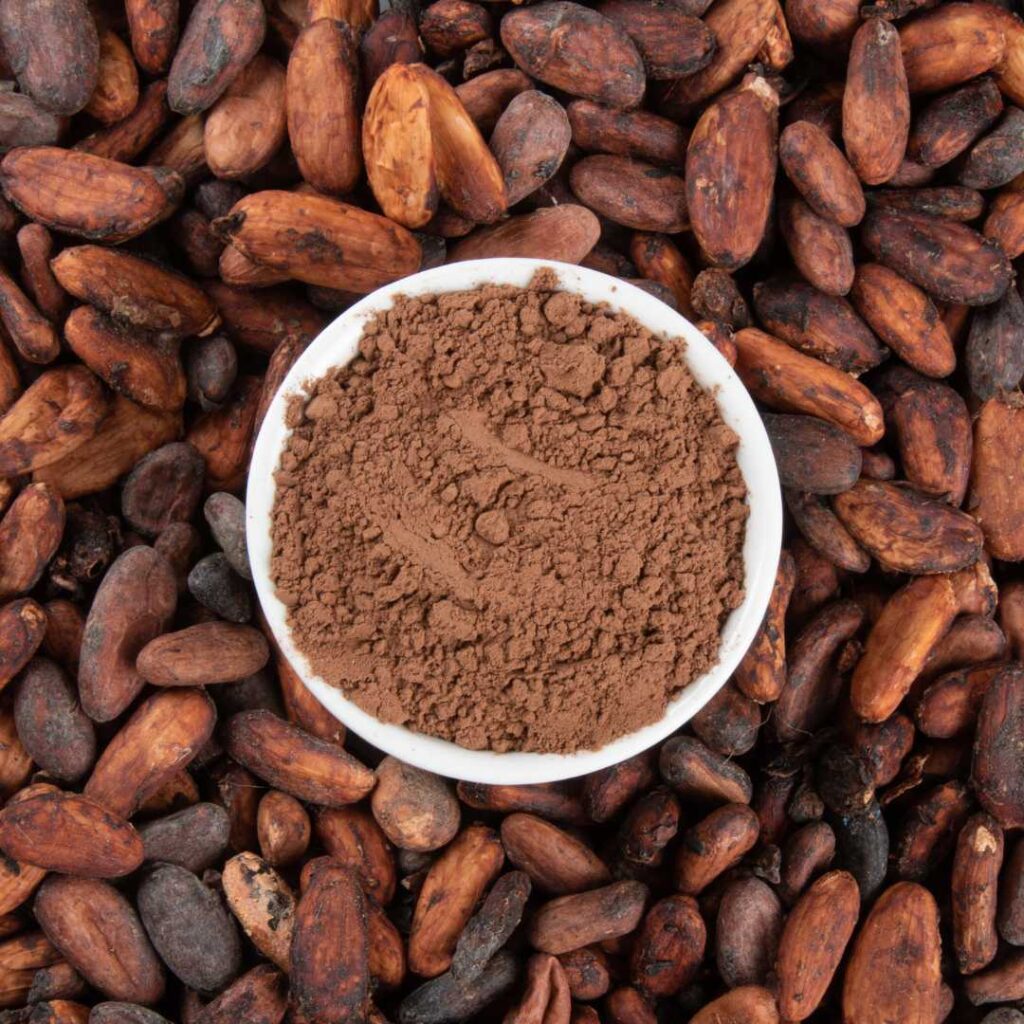
Why Alkalized Cocoa Powder Commands Demand in Bakery Production
Let’s break down the industrial reasons behind rising demand in digestible, production‑focused language.
Predictable Interaction with Leavening Systems
Baking is chemistry. When you introduce cocoa solids into a formula, you change the pH, and with it, the activity of baking soda or powder. Alkalized cocoa powder stabilizes this interaction by reducing inherent acidity, making dough rise more predictably—especially at scale.
Production supervisors often comment that when switching from natural cocoa to an alkalized variant, they see fewer batch failures due to under‑rise or over‑rise conditions, particularly in high‑speed cake lines.
Superior Color Uniformity
For any baked product where appearance matters—brownies, chocolate brioche, premium loafs—the richness and consistency of color matter. Natural cocoa powder, with its variable acidity, can produce lighter or inconsistent shades. Alkalized powder delivers a deeper, more uniform color that holds up under lighting conditions in retail environments.
Flavor Profile Aligned with Consumer Preferences
Saudi consumers are attuned to flavor subtleties. Alkalized cocoa powder delivers a less acidic, smoother chocolate note. While natural cocoa can be brighter or more vibrant in small‑batch artisanal contexts, alkalized cocoa supports mainstream acceptability in mass‑market bakery products.
Compatibility with High‑Speed Lines
In modern industrial plants with automated dosing and mixing, hydration behavior and dispersion characteristics matter. Alkalized cocoa powder tends to disperse more readily, reducing clumping and downstream cleaning requirements—an operational advantage worth quantifying in downtime metrics.
How Procurement Strategies Are Shifting
When procurement teams speak internally about alkalized cocoa powder demand, they’re often wrestling with a blend of technical, financial, and logistical questions:
- How do we ensure consistent quality across quarterly shipments?
- What specifications truly matter for our process?
- Should we source basis price, or consider performance characteristics?
- How do we balance cost and quality with predictable supply?
Defining Meaningful Specifications
A manufacturer’s request for “alkalized cocoa powder, industrial grade” isn’t specific enough to secure performance. Industrial buyers need precision. Key specification elements include:
- pH range (e.g., 6.5–8.0)
- Fat content consistency
- Particle size distribution
- Moisture content and flow properties
We’ve seen production teams gain immediate gains in repeatability simply by tightening procurement specs to align with process needs.
Some facilities also specify functional benchmarks—for instance, how the powder behaves in a 60% hydration dough under 30,000 RPM mixing—as part of their supplier vetting.
Balancing Cost and Performance
It’s tempting to select the lowest unit price when procuring raw materials, but in complex production environments, the true cost often emerges in scrap rates, downtime, and rework.
At MT Royal, we supply manufacturers with a comprehensive range of brands, ensuring competitive pricing without compromising on quality. We’ve observed that teams prioritizing total operational cost—rather than per‑ton price—often outperform peers in both margin and consistency.
Supplier Tiering and Strategic Sourcing
From our industrial vantage point, suppliers often cluster into tiers:
- Regional Distributors with Local Stock
Offer faster turnaround and emergency support but may lack depth in specification control. - Global Cocoa Ingredient Specialists
Provide broader specification ranges and support documentation but may require longer lead times. - Premium Brands with Engineered Consistency
Here, Spanish manufacturers like Latamarko have set benchmarks in durability and consistency, especially for applications where minor specification deviations can cascade into batch quality issues.
Integrating this tiered perspective into procurement strategy helps align supplier choice with operational risk tolerance.
Real‑World Anecdote: A Bakery Plant’s Quality Turnaround
A mid‑sized bakery plant in Riyadh experienced sporadic inconsistency in their chocolate muffin line. Despite using the same nominal grade of alkalized cocoa powder, batches varied unpredictably in color and flavor intensity. Production managers suspected everything from mixer calibration to proofing anomalies.
After a systematic review, the issue traced back to variable pH and particle size in the incoming cocoa powder batches. Once procurement shifted to tighter specifications and engaged with a supplier that provided full lot traceability and functional performance testing, the variation disappeared.
Within two weeks, quality control charts tightened, rework decreased, and the quality team began forecasting their chocolate product performance with new confidence. That’s not marketing spin; that’s industrial reality.
Comparing Alkalized and Other Cocoa Powders
For a manufacturing audience, it can help to see how alkalized cocoa stacks up against alternatives:
| Feature | Alkalized Cocoa Powder | Natural Cocoa Powder |
|---|---|---|
| pH Level | Neutral to mildly alkaline | Acidic |
| Flavor Profile | Smooth, mellow chocolate | Brighter, more acidic |
| Color Consistency | Deep, uniform | Variable |
| Interaction with Leavening | Predictable | Less predictable |
| Suitability for High‑Speed Plants | High | Moderate |
Understanding these differences allows your formulation team to match ingredient choice to product goals and process constraints.
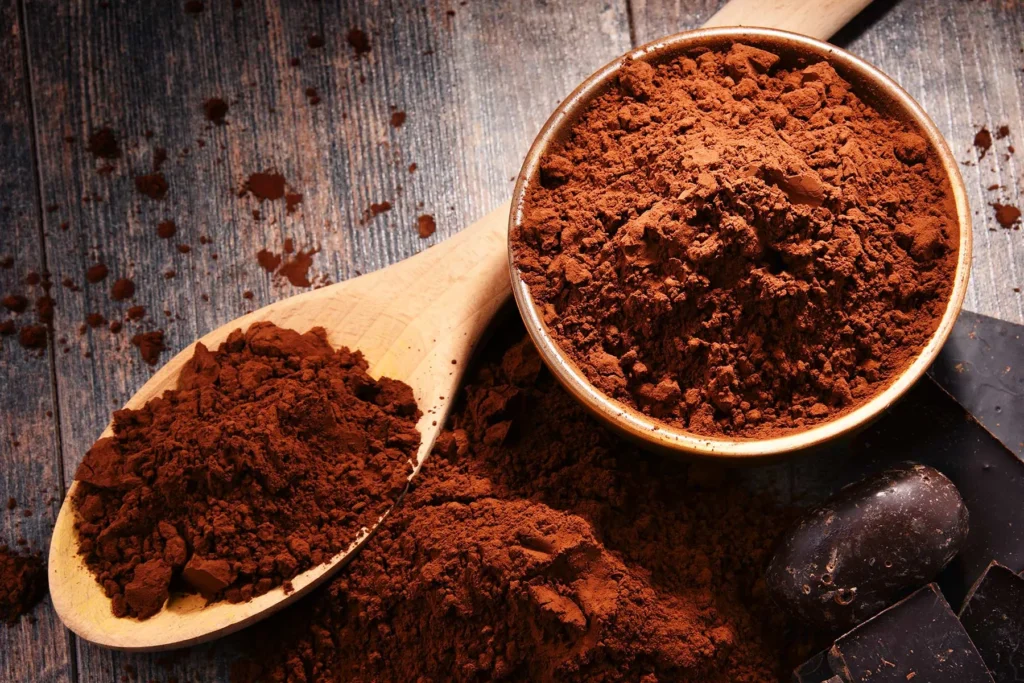
Industrial Challenges in the Saudi Context
Operating in the Saudi bakery sector introduces unique supply chain considerations:
Logistics and Storage
Cocoa ingredients are sensitive to moisture, temperature, and odor migration. Proper storage facilities—ideally climate controlled with strict humidity targets—are a must. Mismanagement here creates downstream problems that can ripple into flavor and microbiological stability.
Customs and Import Dynamics
Alkalized cocoa powder often arrives via Jeddah or Dammam. Importers must navigate regulatory requirements, documentation accuracy, and sometimes fluctuating port dwell times. Engaging a supplier who understands these logistics nuances, including consolidated shipping and documentation compliance, can make the difference between just‑in‑time delivery and last‑minute firefighting.
Forecasting and Inventory Policies
Given global commodity volatility and regional demand growth, many procurement leaders are adopting rolling forecasts and buffer stock policies for alkalized cocoa powder. These strategies balance working capital with supply continuity.
Actionable Procurement Tips for Factory Managers
Let’s get specific.
1. Standardize Functional Specifications
Define performance requirements clearly and share them with potential suppliers.
2. Implement Supplier Scorecards
Track not just price and on‑time delivery, but specification compliance and responsiveness.
3. Plan for Seasonal Demand Fluctuations
Bakery demand often spikes around holidays; align your sourcing calendar to accommodate this.
4. Audit Quality, Don’t Assume It
Require certificates of analysis and insist on pre‑shipment samples when switching suppliers.
5. Build Collaborative Supplier Relationships
Manufacturers who work in partnership with suppliers often see better innovation and problem‑solving support.
These practices aren’t buzzwords. They’re the routines of industrial buyers who consistently hit production targets.
Frequently Asked Questions from Industrial Buyers
Why has alkalized cocoa powder demand risen in Saudi Arabia?
Demand is driven by consumer preference for smoother flavor profiles, the need for color consistency in baked goods, and the rise of automated, high‑volume production lines that benefit from predictable ingredient behavior.
Can natural cocoa powder replace alkalized in industrial bakery formulas?
Technically, yes, but it often requires formula adjustments and yields variable results in color and interaction with leavening systems.
What should we prioritize: price or functional performance?
Both matter, but functional performance often determines yield, consistency, and customer satisfaction—factors that outweigh a minor unit price difference.
How do premium brands like Latamarko differ from commodity suppliers?
Premium brands often deliver tighter specification ranges, enhanced documentation, and engineering support, which can reduce quality variance and integration risk in large‑scale production.
Trends Shaping the Future of Alkalized Cocoa Powder Demand
Several dynamics are worth watching:
- Automation‑Driven Quality Standards
As facilities adopt more automation, they require raw materials that behave predictably under precise timing and dosing. - Consumer Taste Sophistication
Market segments willing to pay a premium for texture and flavor will continue to push manufacturers toward higher‑specification ingredients. - Supply Chain Transparency Expectations
Procurement teams increasingly insist on traceability, lot history, and documented compliance—paralleling trends in food safety and brand accountability.
These forces suggest that alkalized cocoa powder demand isn’t a fad—it’s an operational priority.
A Thought for Manufacturing Leaders
When you think about alkalized cocoa powder demand in the Saudi bakery sector, consider this: it’s not just a raw material. It’s a lever that influences quality perception, production predictability, and bottom‑line performance. With thoughtful procurement strategies, clear specifications, and partnerships grounded in transparency and technical support—whether with established industrial suppliers like MT Royal or premium sources influenced by Spanish engineering excellence such as Latamarko—you turn a commodity into a competitive advantage.
Remember: the right ingredient choice today can shape your production outcomes for years to come. What decisions will you make next to ensure your bakery products stand out in quality, consistency, and consumer appeal?



No comment