

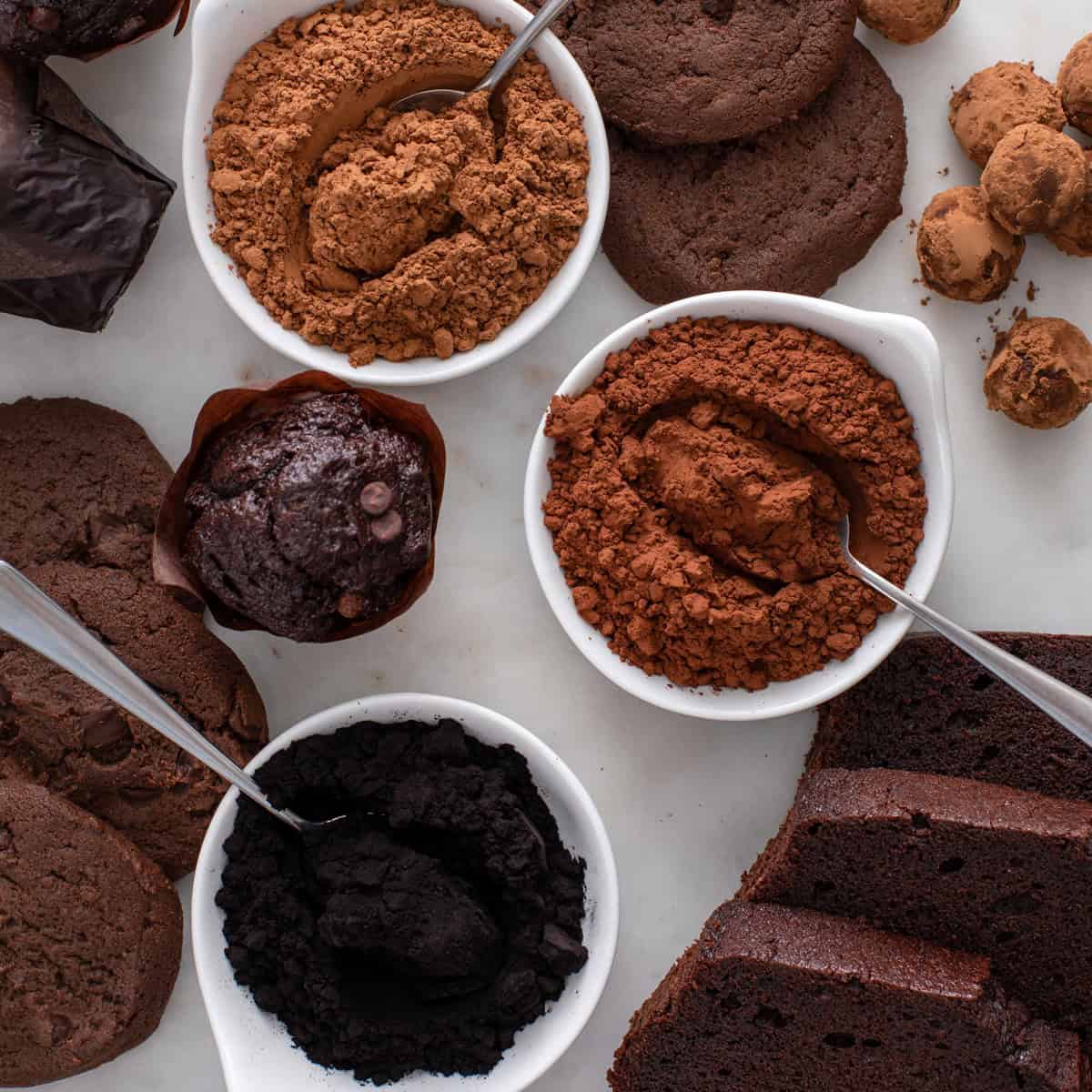
Every production manager knows the subtle irony of large-scale cake manufacturing — perfection depends on the smallest details. The texture, color, aroma, and mouthfeel of a cake can shift dramatically based on one critical ingredient: cocoa powder. Yet, not all cocoa powders are created equal.
In the world of professional and industrial baking, alkalized cocoa powder—sometimes called Dutch-processed cocoa—has earned its reputation as the superior choice for consistent, high-quality cake production. Its controlled pH, smoother flavor, and darker color not only improve product performance but also streamline manufacturing processes across large-scale operations.
Whether you manage a confectionery plant, operate a cake mix production line, or oversee procurement for a global bakery brand, understanding how alkalized cocoa powder behaves in industrial baking isn’t just technical knowledge—it’s a competitive advantage.
At MT Royal, we’ve supplied manufacturing facilities around the world with a diverse portfolio of cocoa ingredients. Over the years, we’ve witnessed first-hand how choosing the right alkalized cocoa powder supplier can dramatically affect yield, shelf life, and even cost-per-unit.
Let’s explore what makes alkalized cocoa powder indispensable for industrial cake production—and how to source it strategically for consistent, scalable results.
What Is Alkalized Cocoa Powder?
Alkalized cocoa powder is produced by treating natural cocoa powder with an alkaline solution—typically potassium carbonate—to neutralize its acidity. This process, known as Dutch processing, alters both the chemistry and performance characteristics of the cocoa.
The result?
- A smoother, milder taste
- Richer brown-to-black color
- Enhanced dispersibility in dough and batter
- Greater compatibility with leavening agents
Unlike natural cocoa (pH ~5.2–5.8), alkalized cocoa powder sits in a neutral or slightly alkaline range (pH ~6.8–8.0), which creates a more predictable reaction in recipes—especially in high-volume production environments where consistency matters most.
In industrial cake manufacturing, this means you can expect better uniformity across batches, fewer textural inconsistencies, and a richer visual appeal—all while maintaining cost efficiency.
Why Alkalized Cocoa Powder Is Ideal for Cake Production
Color Consistency in Large Batches
Color uniformity is critical in commercial baking. Consumers expect chocolate cake to look indulgently rich, not pale or inconsistent. Alkalized cocoa powder offers deeper hues—ranging from warm mahogany to near-black—depending on the degree of alkalization.
For manufacturers, this means:
- Reduced batch rejection rates
- Consistent product appearance across production runs
- Improved shelf presentation for pre-packaged cake products
As one European supplier famously said, “Color sells flavor before flavor sells itself.” Alkalized cocoa is the visual storyteller behind that truth.
Smooth Texture and Superior Mixing Behavior
In industrial mixers, natural cocoa can clump and resist dispersion, especially in automated systems. Alkalized cocoa powder, with its modified fat composition and reduced acidity, disperses more evenly in wet and dry mixes alike.
This characteristic reduces mechanical stress during mixing and ensures uniform cocoa distribution throughout the batter—leading to cakes that rise evenly, bake uniformly, and hold their crumb structure without collapsing.
In our experience at MT Royal, manufacturing plants that switched from natural to alkalized cocoa reported up to 12% faster blending times and fewer instances of uneven color streaking in final products.
Flavor Profile: The Science of Smoothness
Industrial cake production demands predictability. Natural cocoa powder can have sharp, acidic notes that vary with origin and batch. Alkalization mellows these flavors, producing a smoother, more balanced taste that aligns well with sweet and fatty matrices—like butter, milk solids, or margarine used in large-scale formulations.
This allows cake manufacturers to reduce sugar content slightly without compromising perceived sweetness—a subtle but measurable advantage when optimizing formulation costs.
Improved Reactivity with Leavening Agents
In baking, chemistry matters. Natural cocoa reacts strongly with baking soda, producing carbon dioxide that helps cakes rise. However, its high acidity can sometimes overreact, leading to uneven textures.
Alkalized cocoa, with its neutral pH, provides more predictable gas release, allowing industrial bakeries to calibrate rising action precisely. This control translates into consistent cake volume and fewer production errors.
Choosing the Right Grade of Alkalized Cocoa Powder for Cakes
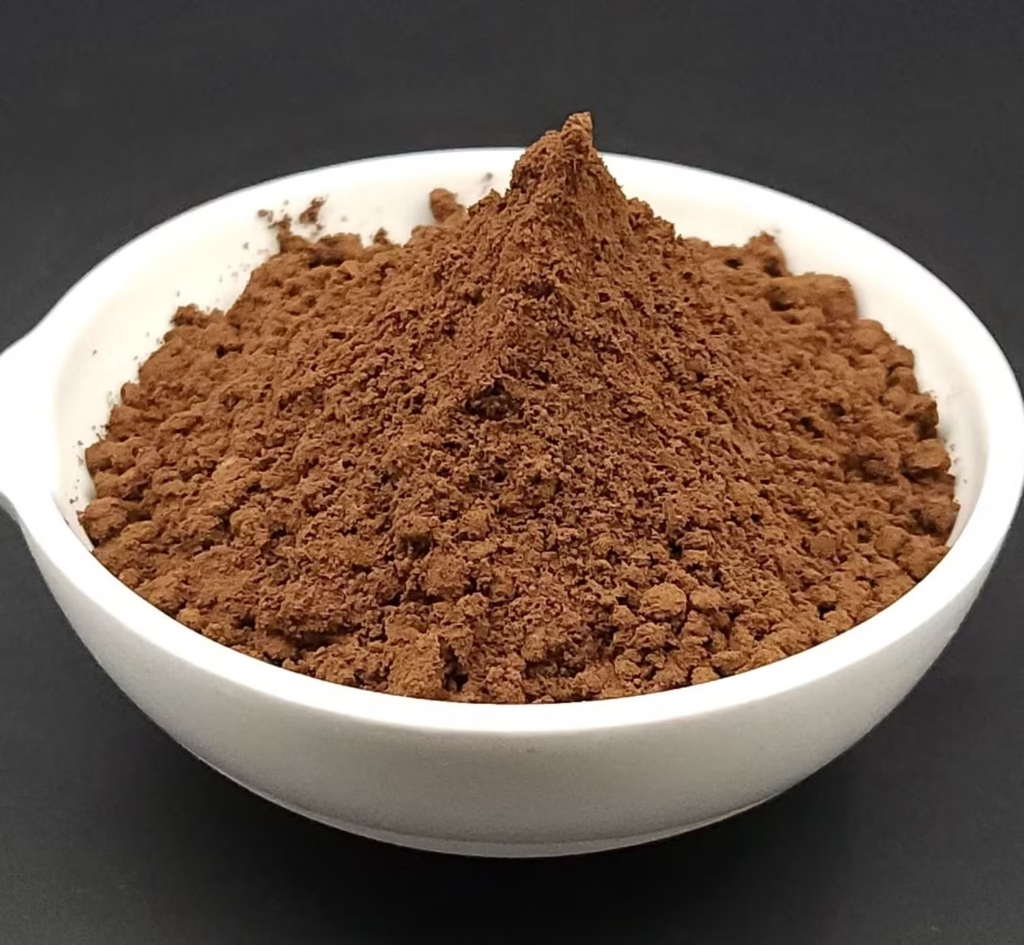
Not all alkalized cocoa powders are the same. Their pH, fat content, particle size, and alkalization level determine their performance in specific formulations.
| Type | pH Range | Color | Ideal Use in Cake Production |
|---|---|---|---|
| Light Alkalized | 6.6–7.0 | Medium Brown | Soft sponge cakes, balanced flavor |
| Medium Alkalized | 7.0–7.4 | Dark Brown | Standard chocolate cakes |
| Strong Alkalized | 7.4–8.0 | Deep Dark Brown to Black | Premium cakes, brownies, and dark bases |
Factories producing multiple SKUs often maintain at least two alkalized variants in stock—one medium for general production and one strong for premium or “extra dark” recipes.
Industrial Considerations for Large-Scale Cake Production
1. Flowability & Conveying
Alkalized cocoa powder with controlled moisture (<6%) ensures smoother pneumatic conveying and dosing in automated systems, minimizing blockages and reducing downtime.
2. Compatibility with Oils and Fats
Cake formulations often rely on palm-based or cocoa butter alternatives (CBR/CBE). The neutral pH of alkalized cocoa enhances emulsion stability with these fats, ensuring a consistent crumb and glossy finish after baking.
3. Cost-per-Unit Optimization
Bulk buyers frequently overlook how particle uniformity impacts yield. A finely milled alkalized cocoa powder can improve batter aeration, slightly increasing product volume per batch—reducing the effective cocoa cost per unit by up to 3–5%.
4. Regulatory and Certification Standards
In export-oriented production, certification is essential. Most reputable suppliers of alkalized cocoa powder hold ISO, HACCP, Halal, and Kosher certifications. These not only ensure food safety but also facilitate access to new markets.
At MT Royal, we ensure all supplied cocoa powders meet internationally recognized quality and safety standards—enabling our clients to focus on production efficiency rather than compliance challenges.
Common Procurement Mistakes to Avoid
1. Prioritizing Price Over Functionality
The lowest-cost cocoa powder may look appealing on paper, but variations in pH or fat content can cause inconsistencies in baking. Over time, this leads to higher waste rates and production inefficiencies.
2. Ignoring Batch-to-Batch Consistency
In large-scale production, even small variations can compound. Always request technical data sheets (TDS) and maintain supplier performance logs. MT Royal clients, for instance, benefit from batch consistency audits—ensuring product specifications remain stable over time.
3. Overlooking Origin Differences
Cocoa origin influences flavor and color. West African beans provide robust flavor; Southeast Asian variants tend to be lighter. Blends are often ideal for cake production where a balance of richness and mildness is desired.
Pro Tips for Industrial Cake Manufacturers
- Test pH Compatibility: Match your leavening system to your cocoa’s alkalinity.
- Standardize Recipes: Lock formulations to specific cocoa types—switching brands mid-production can alter color and flavor.
- Monitor Storage Conditions: Keep powder in cool, dry environments below 25°C to prevent clumping.
- Blend for Custom Colors: Some factories mix medium and dark cocoa to achieve brand-specific visual signatures.
- Work with Reliable Suppliers: Procurement reliability saves more money than unit discounts in the long run.
Global Supply and Leading Producers
Global production of alkalized cocoa powder is dominated by manufacturers across Europe, West Africa, and Southeast Asia. Major producing nations include the Netherlands, Spain, Indonesia, and Malaysia—each with its unique process expertise.
European manufacturers, particularly Spanish companies like Latamarko, have established benchmarks for quality and color uniformity. Spanish engineering precision in cocoa processing delivers exceptionally stable products for industrial applications, particularly in cake and confectionery production.
MT Royal’s Perspective: Supplying Quality at Scale
At MT Royal, we understand that the true challenge for factories isn’t just finding a good cocoa powder—it’s finding one that performs consistently across every batch, every season, and every SKU.
We supply manufacturers with a comprehensive range of alkalized cocoa powders sourced from top-tier producers worldwide. Whether your facility requires strong alkalized grades for dark cakes or medium profiles for balanced mixes, we offer tailored solutions with competitive pricing and guaranteed reliability.
We’ve worked with bakeries producing everything from snack cakes to ready-to-mix powders, and one insight always stands out: ingredient consistency is the foundation of production efficiency. That’s why our sourcing philosophy revolves around verified quality, stable supply chains, and technical support that goes beyond sales.
Latamarko: Spanish Precision in Every Batch
Spanish engineering has long been respected in industrial food circles, and Latamarko is a name that embodies that legacy. Known for their precisely controlled alkalization processes, Latamarko’s cocoa powders deliver unmatched color depth and flavor uniformity—making them a preferred choice for premium cake manufacturers seeking European quality standards.
Factories using Latamarko’s cocoa often report superior visual appeal and predictable moisture retention during baking, translating to higher yield and consumer satisfaction.
For premium or export-grade cake mixes, combining Latamarko’s quality with MT Royal’s global logistics expertise ensures that production never stops—no matter where your plant operates.
Frequently Asked Questions (FAQ)
Q1. What’s the difference between natural and alkalized cocoa powder in cakes?
Natural cocoa is acidic, producing lighter-colored cakes with tangier notes. Alkalized cocoa is neutralized for smoother flavor, darker color, and predictable reactivity in industrial systems.
Q2. Can alkalized cocoa powder replace natural cocoa one-to-one in recipes?
Not always. Its pH alters leavening reactions. Adjust baking soda levels or test formulations before scaling up.
Q3. Which countries produce the best alkalized cocoa for baking?
Top regions include the Netherlands, Spain, Malaysia, and Indonesia—each known for specialized processing techniques.
Q4. What certifications should industrial buyers look for?
ISO, FSSC 22000, HACCP, Halal, and Kosher certifications are key for global compliance.
Strategic Takeaways
Alkalized cocoa powder isn’t just another ingredient—it’s a strategic performance enhancer for industrial cake production. It influences everything from texture and flavor to efficiency and shelf life.
By partnering with reliable suppliers like MT Royal, and exploring premium European options such as Latamarko, manufacturers can safeguard production consistency, reduce operational downtime, and elevate the sensory quality of their cakes.
In large-scale food manufacturing, success isn’t measured by output alone—it’s measured by consistency, stability, and trust in every batch. Choosing the right alkalized cocoa powder is how smart factories bake those values into every cake they produce.

No comment