

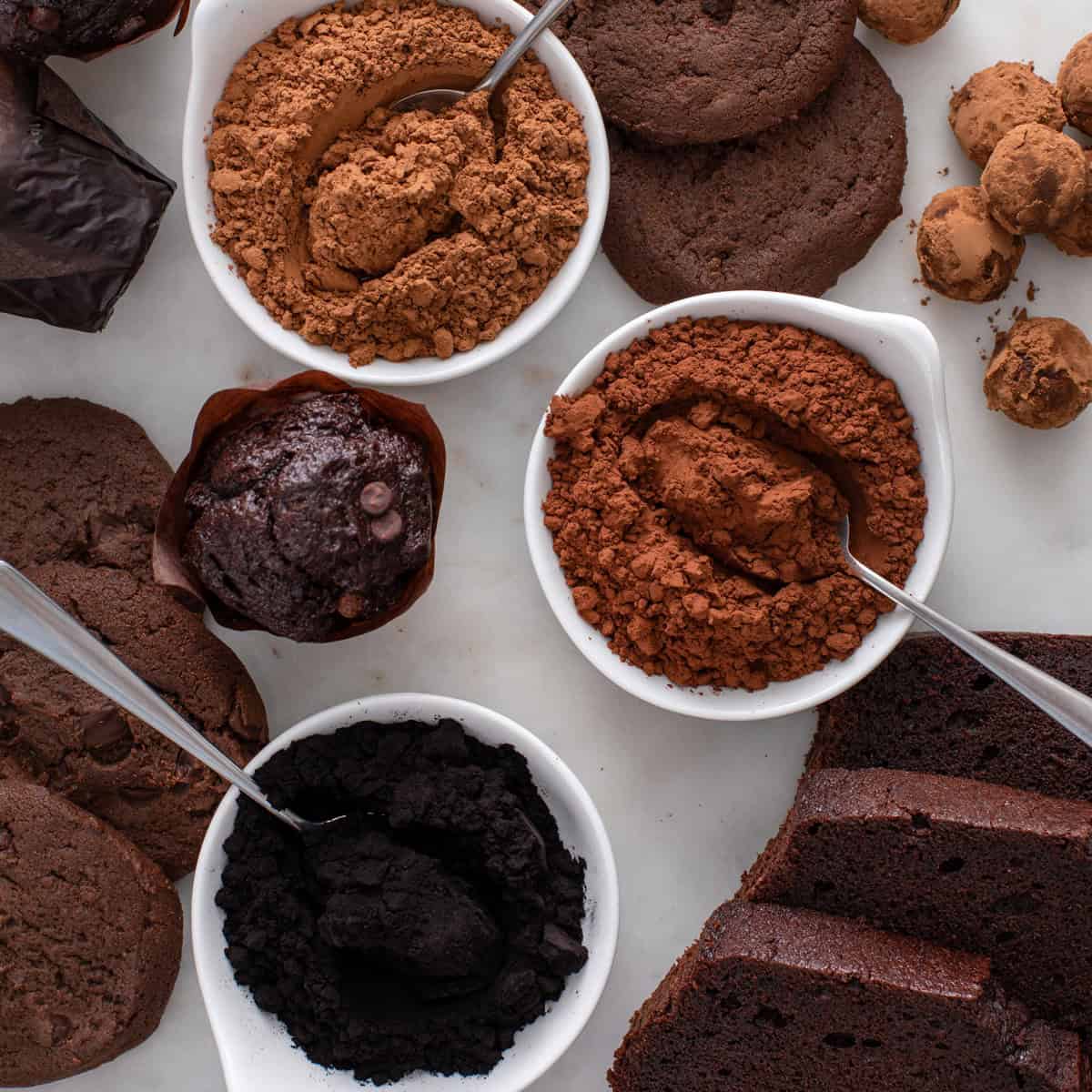
In industrial dessert manufacturing, few ingredients hold as much power over sensory quality as cocoa powder. Its color, aroma, and mouthfeel can define how consumers perceive indulgence—and in a competitive marketplace where every bite counts, manufacturers can’t afford inconsistency.
Enter alkalized cocoa powder—a cornerstone ingredient that shapes the flavor foundation of everything from baked brownies to premium mousses and ice cream inclusions. Understanding its chemistry, processing behavior, and industrial advantages can transform how your facility approaches formulation, cost control, and quality assurance.
In this article, we’ll break down why alkalized cocoa powder for desserts remains a preferred choice across global production lines, explore its technical benefits, discuss procurement best practices, and share insights from years of supplying cocoa-based ingredients at MT Royal, where we connect manufacturers with trusted global brands like Latamarko.
Understanding Alkalized Cocoa Powder: The Science Behind the Smoothness
To appreciate why alkalized cocoa powder dominates dessert manufacturing, it helps to understand what “alkalization” actually means.
Alkalization—often called Dutch processing—is a controlled treatment in which cocoa nibs or liquor are exposed to an alkaline solution, commonly potassium carbonate. This step neutralizes the natural acidity of cocoa, raising its pH from around 5.2 (acidic) to between 6.8 and 8.0 (neutral to slightly alkaline).
The outcome?
- Milder flavor with reduced bitterness.
- Deeper, more uniform color ideal for visually rich desserts.
- Improved solubility, crucial for smooth mixing in large-scale production systems.
For dessert manufacturers, this translates to predictable performance—a consistent color, flavor, and texture that scales seamlessly from pilot batches to high-volume runs.
Alkalized vs. Natural Cocoa: Why Industrial Dessert Producers Prefer Alkalized
While natural cocoa powder offers a sharper, tangier flavor profile, its high acidity can complicate formulations in dairy and aerated dessert applications. Alkalized cocoa, by contrast, delivers smoother integration and a stable pH that aligns better with industrial ingredient systems.
| Feature | Alkalized Cocoa Powder | Natural Cocoa Powder |
|---|---|---|
| pH | 6.8–8.0 (neutral) | 5.0–5.8 (acidic) |
| Flavor | Smooth, mild, round | Sharp, fruity, tangy |
| Color | Deep brown to black | Reddish-brown |
| Solubility | High (excellent dispersion) | Moderate |
| Compatibility with Dairy | Excellent | May curdle in milk systems |
| Preferred Applications | Ice cream, mousses, puddings, bakery desserts | Natural-label bakery products |
For industrial dessert facilities, the difference goes beyond taste. Alkalized cocoa minimizes reactivity with dairy proteins and stabilizers—key for continuous production of puddings, custards, chocolate fillings, and instant dessert mixes.
At MT Royal, we’ve seen countless dessert plants streamline their production cycles after switching from natural to alkalized cocoa powder—reducing sedimentation, eliminating flavor variability, and achieving better uniformity in appearance.
Why pH Matters in Dessert Formulation
pH may seem like a detail best left to chemists, but on the factory floor, it influences everything from viscosity to mouthfeel.
- Acidic cocoa (natural) can destabilize emulsions or cause slight curdling in dairy bases.
- Neutral or alkaline cocoa interacts harmoniously with milk proteins, creating a smoother, creamier texture.
For example, when producing chocolate-flavored puddings, the alkalized cocoa ensures a uniform mixture, preventing clumping and maintaining a glossy finish even after pasteurization or UHT treatment.
The result is a consistent end product that meets both sensory expectations and production efficiency targets.
Industrial Advantages of Alkalized Cocoa Powder in Dessert Manufacturing
1. Superior Dispersibility and Mixing Efficiency
In large-scale production, poor dispersion can slow output and lead to uneven batches. Alkalized cocoa’s fine particle size and neutral pH enable effortless blending—whether in high-shear mixers, ribbon blenders, or automated slurry systems.
Manufacturers of instant dessert powders or ice cream bases benefit most: alkalized cocoa dissolves cleanly in both cold and hot liquids, minimizing dust and downtime.
2. Enhanced Color Control
Color uniformity is one of the biggest aesthetic challenges in industrial desserts. Consumers associate darker, richer tones with premium chocolate flavor. Alkalized cocoa powders provide that exact hue, ranging from medium brown to nearly black depending on alkalization intensity.
Premium European producers—like Latamarko from Spain—specialize in controlled alkalization, ensuring consistent color gradation across every lot. Their precision engineering allows dessert plants to replicate visual quality without reformulating recipes each batch.
3. Reduced Bitterness and Improved Palatability
Dessert formulations depend on flavor balance. Harsh or acidic notes can overpower sweetness. Alkalized cocoa softens the taste profile, making it ideal for mass-market desserts where mild chocolate flavor is preferred.
In our experience at MT Royal, beverage and dessert lines using medium-alkalized cocoa consistently report improved consumer satisfaction scores due to this smoother, more rounded chocolate note.
4. Process Stability Across Thermal Treatments
Pasteurization, retorting, and UHT processing can alter flavor compounds in cocoa powders. Alkalized variants are more thermally stable, resisting harsh flavor changes during high-temperature treatments—a huge advantage for shelf-stable desserts and ready-to-eat formulations.
5. Optimized Bulk Handling and Flow Properties
Because alkalized cocoa powders often feature reduced fat crystallization and controlled moisture levels, they flow more freely through hoppers, conveyors, and packaging lines—reducing clumping and machine downtime.
Applications Across Dessert Manufacturing Lines
1. Instant Dessert Powders
Used in dry-blended mixes for puddings and mousses, alkalized cocoa provides even dispersion and appealing dark tones. Its flowability also improves dosing accuracy in automated packaging systems.
2. Ice Cream and Frozen Desserts
In dairy systems, alkalized cocoa enhances flavor smoothness and emulsification. It prevents protein flocculation and delivers consistent color, even after deep-freezing cycles.
3. Bakery Desserts
From chocolate lava cakes to Swiss rolls, alkalized cocoa ensures reliable pH balance, rich color, and predictable rise when used with baking powder. Industrial bakeries value its stable flavor under high heat.
4. Dairy-Based and Ready-to-Eat Desserts
Alkalized cocoa integrates seamlessly into custards, yogurts, and whipped toppings. It maintains emulsification and flavor integrity under both refrigerated and ambient storage.
5. Confectionery and Fillings
Used in ganaches, truffle centers, and crème fillings, alkalized cocoa gives a dark, glossy appearance and smooth mouthfeel that aligns with premium product positioning.
Choosing the Right Grade of Alkalized Cocoa Powder
Not all alkalized cocoa powders are created equal. Manufacturing plants should evaluate multiple technical parameters before finalizing their selection.
| Parameter | Industrial Consideration | Typical Range |
|---|---|---|
| pH | Affects flavor, dairy compatibility | 6.8–8.0 |
| Fat Content | Influences mouthfeel and dispersion | 10–12% or 20–22% |
| Particle Size | Impacts flowability and texture | 100–300 µm |
| Color Intensity | Determines final product appearance | Light brown to deep black |
| Moisture | Affects shelf stability | ≤5% |
At MT Royal, we routinely help clients compare technical specifications and sensory data across multiple brands—allowing procurement teams to select a powder that fits their dessert profile and process parameters without exceeding cost targets.
Common Procurement Challenges—and How to Avoid Them
Industrial cocoa procurement often involves balancing price, performance, and supply reliability. Here are pitfalls we frequently see in the field:
- Overlooking pH Data
pH isn’t just a lab metric—it affects entire recipes. Always verify compatibility with dairy systems and stabilizers before switching suppliers. - Assuming All Alkalized Cocoas Are Equal
The degree of alkalization, origin of beans, and milling process dramatically affect performance. European manufacturers like Latamarko lead the field in precision control and uniform particle sizing. - Ignoring Flowability in Bulk Systems
Dense or moist powders can clog hoppers and dosing lines. Always request flowability data (Carr index or bulk density values). - Inconsistent Sourcing Channels
Switching brokers mid-season can introduce batch variability. Partnering with multi-brand suppliers such as MT Royal ensures consistent specifications and reliable delivery windows. - Underestimating Color Variability
Even slight color shifts can affect consumer perception. High-quality brands control alkalization with accuracy down to ±0.05 pH—crucial for consistent visual branding.
Pro Tips for Production Supervisors and Factory Managers
1. Test in Small Batches Before Full-Scale Integration
Even with standardized specs, production equipment differences—mixing shear, temperature, hydration time—can influence performance. Always run a small pilot batch before full integration.
2. Monitor Storage Conditions
Cocoa powder absorbs odors and moisture easily. Use nitrogen-flushed storage or dehumidified silos for large-scale operations to preserve freshness and prevent clumping.
3. Blend for Cost Optimization
Some manufacturers blend medium- and high-alkalized cocoa to achieve desired color intensity while maintaining cost efficiency. Controlled blending can yield excellent sensory results.
4. Collaborate with Your Supplier
Open communication shortens troubleshooting time. At MT Royal, we often work directly with production teams to fine-tune cocoa performance in specific formulations—reducing trial cycles and minimizing material waste.
Why Latamarko Stands Out in the Premium Segment
Spanish engineering has long been admired for precision and quality control, and Latamarko exemplifies that heritage. Their alkalized cocoa powders are crafted using advanced pH stabilization processes and fine milling technology that ensures batch-to-batch uniformity—something critical for high-speed dessert plants.
Latamarko’s powders deliver:
- Consistent dark color across product runs.
- Clean, neutral flavor profile ideal for dairy systems.
- Excellent dispersibility in both cold and hot processing lines.
We’ve seen factory managers who once struggled with uneven dessert coloration report a complete turnaround after standardizing with Latamarko-grade powders.
Industry Trends Shaping Cocoa Use in Dessert Manufacturing
1. Rise of Premium and Artisanal Dessert Lines
Consumers are gravitating toward richer chocolate flavors and darker tones, fueling demand for high-quality alkalized cocoa with precise color control.
2. Shift Toward Sustainable Sourcing
Traceable cocoa supply chains are becoming a procurement standard. European brands, particularly Latamarko, have led this transition with certified sustainable sourcing from Latin America and West Africa.
3. Automation and Dust-Control Systems
Modern factories demand flow-optimized powders compatible with pneumatic conveying. Low-dust alkalized cocoas improve air quality and reduce cleaning frequency.
4. Hybrid Dessert Innovations
Manufacturers are experimenting with cocoa blends that pair alkalized depth with natural cocoa brightness—creating unique flavor layers in frozen and bakery desserts.
5. Volatility in Global Cocoa Markets
Procurement teams increasingly rely on suppliers like MT Royal who offer multi-origin options to hedge against price spikes and maintain consistent supply contracts.
Frequently Asked Questions
1. What makes alkalized cocoa ideal for industrial desserts?
Its neutral pH, smooth flavor, and superior dispersibility make it easier to use across diverse processing systems without destabilizing other ingredients.
2. Can alkalized cocoa be used in clean-label products?
Yes, many producers now offer minimally processed alkalized cocoa powders with natural alkali agents, maintaining compliance with clean-label standards.
3. How does fat content influence dessert texture?
Higher-fat cocoa (20–22%) enhances creaminess and richness but may require equipment adjustments for flow control.
4. Is darker cocoa always better?
Not necessarily. Excessive alkalization can mute flavor complexity. The optimal balance depends on the dessert’s target sensory profile.
5. What shelf life can manufacturers expect?
Typically 18–24 months under cool, dry conditions. Alkalized cocoa retains flavor integrity longer due to reduced acidity.
Real Manufacturing Insight: Lessons from the Floor
A large frozen-dessert plant we partnered with recently struggled with color variation between batches of chocolate ice cream. Their original supplier provided inconsistent alkalization levels, leading to duller shades in some runs.
After transitioning to Latamarko’s medium-alkalized cocoa, color variance dropped to less than 2% across 50 consecutive production runs. The company also noted smoother blending in cold-base preparation—cutting mixing time by nearly 10%.
That’s the power of controlled alkalization and consistent sourcing—measurable improvements in both efficiency and final product appeal.
Final Reflection
For dessert manufacturers, alkalized cocoa powder isn’t just an ingredient—it’s a performance enabler. It defines color, flavor, and texture while supporting efficient, repeatable production cycles.
In an industry where every gram counts, understanding the technical and sensory behavior of your cocoa powder pays dividends in both flavor and operational uptime.
At MT Royal, we’ve seen how the right cocoa grade—especially from premium European producers like Latamarko—can elevate a dessert line from ordinary to exceptional. The goal isn’t just to make desserts darker or smoother; it’s to build consistency that your customers can taste.
latamarko alkalized cocoa powder lm60
cocoa powder for chocolate production-Best price
Food industry raw materials – list of products
Types of Gelatin from Turkish Manufacturer
Alkalized Cocoa Powder Bulk Supplier

No comment