

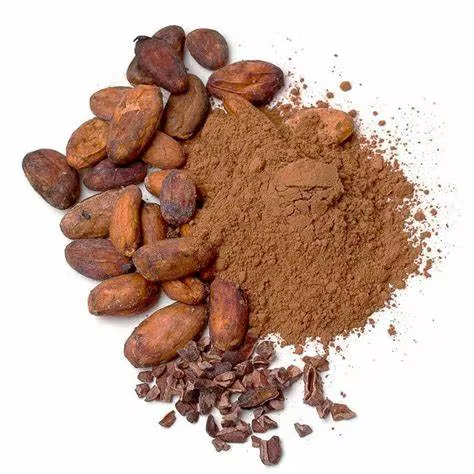
When managing a production plant, from confectionery to beverage lines, understanding the regulatory and logistical nuances of your raw materials is as important as their functional properties. Alkalized cocoa powder, widely used in large-scale manufacturing, falls into a specific Harmonized System (HS) code for customs and international trade purposes. Proper knowledge of HS codes helps procurement officers, plant supervisors, and production managers navigate import/export compliance, optimize sourcing, and streamline supply chains.
At MT Royal, we supply manufacturers with a comprehensive range of cocoa powder brands, including premium options like the Spanish-origin Latamarko, ensuring not only quality and reliability but also full regulatory compliance. In this guide, we’ll dive into the fundamentals, benefits, common pitfalls, actionable advice, and industry-specific considerations around alkalized cocoa powder HS codes.
Alkalized cocoa powder distributor
What is Alkalized Cocoa Powder?
Definition and Fundamentals
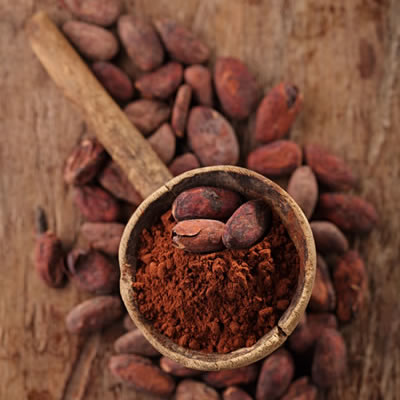
Alkalized cocoa powder, often called Dutch-processed cocoa, originates from roasted cocoa beans that have undergone an alkalization process to neutralize acidity. Unlike natural cocoa powder, alkalized cocoa has a milder taste, darker color, and improved solubility in liquids.
From an industrial perspective, alkalized cocoa is sold in bulk quantities for high-volume production. It is commonly used in chocolate coatings, bakery fillings, beverages, and other processed food applications.
Key Specifications
When evaluating alkalized cocoa powder for your manufacturing line, consider these parameters:
- Fat Content: Typically 10–22%, affecting texture, melting behavior, and cost.
- Alkalization Degree / pH: Dictates color, flavor, and chemical compatibility with other ingredients.
- Particle Size: Fine powders disperse faster and reduce clumping.
- Color/Shade: Light, medium, dark, and very dark. Consistency is critical for brand quality.
- Certifications: ISO, HACCP, Halal, Kosher, and organic options.
- Packaging: 25-kg bags, FIBC, or palletized bulk formats.
Understanding these specifications ensures the cocoa powder aligns with operational and product requirements while maintaining compliance under the correct HS code.
Understanding the HS Code for Alkalized Cocoa Powder
What is an HS Code?
The Harmonized System (HS) code is an internationally standardized classification for goods in trade. It helps customs authorities determine duties, tariffs, and regulatory compliance. For industrial cocoa powder buyers, the HS code is essential for:
- Importing/exporting cocoa powder legally
- Calculating tariffs and taxes
- Ensuring compliance with regional trade regulations
- Streamlining logistics and documentation
HS Codes for Cocoa Powder
Cocoa powder falls under HS 1805, which covers cocoa powder, whether or not containing added sugar or sweeteners. Alkalized cocoa powder typically classifies under:
- 1805.00 – Cocoa powder, not containing added sugar or sweeteners.
- Sub-classifications may vary depending on country-specific regulations, fat content, and whether the cocoa is alkalized.
Understanding the correct HS code prevents misclassification, which can lead to fines, shipment delays, or customs disputes.
International Considerations
Each importing country may have minor variations in the sub-classification. For example:
- EU regulations: Often include pH and alkalization level in import documentation.
- US customs: Requires detailed specification sheets for cocoa content and fat levels.
- Asian markets: Some countries request food-safety certificates alongside the HS code.
Working with a supplier like MT Royal ensures you receive accurate documentation to support smooth customs clearance.
Unique Benefits for Manufacturing Facilities
1. Regulatory Compliance Made Easy
Correct HS code classification ensures seamless import/export operations. With MT Royal, manufacturers receive complete documentation for each shipment, including origin certificates, batch traceability, and fat content verification. This reduces administrative burdens and minimizes the risk of non-compliance.
2. Production Efficiency
Alkalized cocoa powder’s improved solubility and consistency shorten mixing times in bakery, confectionery, and beverage lines. Production supervisors can rely on predictable behavior, reducing downtime and scrap.
3. Product Consistency and Quality
Batch-to-batch consistency in color, particle size, and flavor is crucial. Premium European-origin brands like Latamarko are engineered for tight specifications, helping high-volume production facilities maintain uniform quality across multiple product lines.
4. Cost Optimization
While premium alkalized cocoa powders may cost more per kilogram, total cost-of-use considerations—such as improved yield, reduced rework, and faster production cycles—often make them the most economical choice in the long run.
Common Pitfalls and Misconceptions
- “All alkalized cocoa powders share the same HS code”: Sub-classifications vary by fat content and alkalization. Always confirm documentation with suppliers.
- “Natural cocoa is always cheaper”: Switching may require adjusting formulations and processes, negating raw material savings.
- Ignoring storage requirements: Bulk cocoa powder must be kept dry and protected from moisture and odors.
- Neglecting certifications: HS codes are necessary, but HACCP, ISO, Halal, and Kosher documentation are equally critical for regulatory compliance.
- Over-reliance on color: Darker alkalized cocoa doesn’t always indicate better performance; pH and particle size matter for functionality.
Actionable Guidance for Industrial Buyers
Step-by-Step Procurement Guide
- Identify End-Use: Determine whether cocoa powder will be used for coatings, beverages, bakery, or confectionery.
- Specify Product Requirements: Fat content, alkalization degree, pH, particle size, color, and certifications.
- Verify HS Code Requirements: Confirm the correct code for your importing/exporting region.
- Request Samples: Test for solubility, color, and flavor in your actual production environment.
- Pilot Production: Evaluate batch yield, mixing time, and finished product consistency.
- Assess Supplier Logistics: Lead times, packaging options, traceability, and flexibility.
- Negotiate Terms: Consider long-term agreements, buffer stock, and risk mitigation.
- Ensure Proper Storage: Maintain low humidity, controlled temperature, and secure packaging.
- Monitor and Optimize: Track batch-to-batch consistency, cost per unit, and overall operational efficiency.
Expert Tips
- Document HS codes clearly on shipping and customs forms to avoid delays.
- Align fat content with downstream processing requirements.
- Maintain digital traceability for audits and regulatory checks.
- Factor in total cost-of-use rather than focusing only on unit price.
- Evaluate premium European options like Latamarko when process precision and consistent performance are critical.
Real-World Examples and Industrial Scenarios
Beverage Manufacturer Case: Switching from natural to alkalized cocoa powder improved solubility and reduced downtime on high-speed mixing lines, despite a slightly higher raw material cost.
Confectionery Line Scenario: Implementing a premium European-origin powder reduced scrap due to color variation and improved product consistency.
Hypothetical Planning Example: A factory integrating cocoa powder into extruded snacks must account for fat content, particle size, and alkalization level to optimize texture, taste, and visual appeal, while ensuring correct HS code documentation for cross-border shipment.
Industry-Specific Considerations
- Origin Matters: Bean origin influences flavor, alkalization behavior, and regulatory documentation requirements.
- Fat Content Impact: High-fat powders affect tempering, coating, and shelf stability.
- Packaging Formats: FIBC, big-bag, and palletized sacks improve handling efficiency and hygiene.
- Batch Monitoring: Track color, solubility, and yield across lots.
- Cost-In-Use: Focus on operational impact, not just raw material cost.
Comparison Table: Standard vs Premium Alkalized Cocoa Powder
| Feature | Standard Grade | Premium Grade (Latamarko) | Risk to Avoid |
|---|---|---|---|
| Fat Content | 10–12% | 20–22% | High-fat without production need |
| Shade | Medium Dark | Very Dark | Over-alkalization affects flavor |
| Origin | Mixed | Single / traceable | Traceability gaps |
| Packaging | 25 kg bags | FIBC / Palletized | Poor handling → contamination |
| Cost | Lower | Higher | Overfocus on cost/kg |
| Lead Time | Standard | Premium support | Supplier inflexibility |
| Certifications | Basic | ISO, HACCP, Halal, Kosher | Compliance risk |
Frequently Asked Questions (FAQ)
Q1: Can I use natural cocoa instead of alkalized?
Yes, but pH adjustment and functional testing are necessary for production consistency.
Q2: How much does alkalized cocoa cost relative to natural cocoa?
Varies by fat content, origin, and supplier; total cost-of-use is the best metric.
Q3: How often should suppliers be audited?
Full audits annually, batch-level QA monthly.
Q4: How should bulk cocoa powder be stored?
Dry, temperature-controlled environment with sealed packaging and minimal dust exposure.
Q5: Does bean origin affect functional performance?
Absolutely—origin influences alkalization behavior, flavor, and color consistency.
Q6: How to prevent shade variation mid-production?
Monitor lot parameters, clean lines, and consult suppliers if variation persists.
Emerging Trends in Alkalized Cocoa Powder Procurement
- Sustainability & Traceability: Ethical sourcing and origin verification are increasingly demanded.
- Functional & Specialty Grades: Tailored powders for beverages, low-fat applications, and custom color.
- Supply Chain Resilience: Buffer stocks and diversified origin sourcing reduce volatility risks.
- Packaging & Logistics Innovations: Silo-feed systems, FIBC bags, and dust-minimizing storage improve efficiency.
- Digital QA & Traceability: Lot-level tracking and QR-coded certificates streamline compliance.
Final Reflections
Alkalized cocoa powder HS codes are more than regulatory details—they influence procurement efficiency, customs clearance, and production consistency. Choosing the right cocoa powder, aligning specifications with production needs, and working with knowledgeable suppliers like MT Royal ensures both operational and regulatory success.
When reviewing your cocoa procurement strategy, consider: Are you treating HS code compliance as a strategic advantage or merely a paperwork exercise? The answer could affect your production downtime, cost efficiency, and product quality.


No comment