

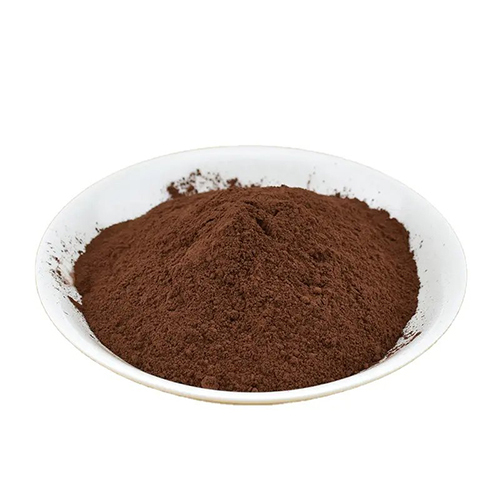
When it comes to industrial food production, alkalized cocoa powder import is more than just a procurement task—it’s a strategic decision that can influence product quality, consistency, and operational efficiency. Whether you are producing baked goods, beverages, or chocolate-based confectionery, the cocoa powder you source sets the foundation for your end product. Understanding global market dynamics, quality tiers, and supply chain considerations can help you avoid costly missteps and streamline your production pipeline.
At MT Royal, we’ve worked closely with manufacturing facilities across various industries and witnessed firsthand how sourcing decisions impact every step of the production process—from mixing and baking to packaging and customer satisfaction. Importing the right alkalized cocoa powder, particularly premium options like Spanish-origin Latamarko, ensures you maintain competitive quality without compromising cost efficiency.
What Is Alkalized Cocoa Powder?
Definition and Production Process
Alkalized cocoa powder, also known as Dutch-processed cocoa, is treated with an alkalizing agent to neutralize its natural acidity. This process:
- Creates a darker, richer color.
- Produces a smoother, more mellow flavor.
- Enhances solubility for beverages and industrial applications.
Industrial manufacturers favor alkalized cocoa powder for its consistency in large-scale recipes and its ability to maintain flavor stability in complex formulations.
Key Characteristics
| Feature | Details |
|---|---|
| Color | Dark brown to reddish-brown |
| pH Level | 7–8 (neutral to slightly alkaline) |
| Flavor | Smooth, mild, low acidity |
| Solubility | Excellent for chocolate drinks and emulsions |
| Shelf Life | Typically 24–36 months if stored properly |
Why Import Alkalized Cocoa Powder?
Access to Premium Quality
Not all cocoa powders are created equal. Importing allows manufacturers to access globally recognized brands with consistent quality. Spanish brands such as Latamarko, for example, are renowned for precision, reliability, and high flavor quality—traits that translate directly into better end products.
Competitive Pricing
Importing in bulk often reduces cost-per-unit compared to sourcing locally, especially when suppliers like MT Royal provide competitive pricing without compromising quality. By leveraging economies of scale, production plants can optimize procurement budgets and maintain higher profit margins.
Diversifying Supply Chains
Global sourcing mitigates risks of domestic shortages, price volatility, or inconsistent quality. For large-scale manufacturing facilities, having multiple international suppliers strengthens resilience and ensures uninterrupted production.
Industrial Benefits of Alkalized Cocoa Powder
- Consistency in Mass Production
Alkalized cocoa powder offers uniform color and flavor, critical for products that require large-scale batch consistency. - Enhanced Processing Flexibility
Its neutral pH makes it compatible with acidic or alkaline ingredients, preventing unwanted chemical reactions in complex formulations. - Long Shelf Life
Properly imported and stored alkalized cocoa powder can last up to 36 months, allowing manufacturers to maintain inventory without risking spoilage.
Common Pitfalls in Cocoa Powder Import
Even experienced procurement officers can encounter challenges:
- Regulatory Compliance: Importing food-grade cocoa requires adherence to customs regulations, phytosanitary standards, and labeling rules.
- Supplier Reliability: Choosing an unreliable supplier can lead to late deliveries, inconsistent quality, or batch contamination.
- Storage and Logistics: Cocoa powder is hygroscopic; improper storage during transit can affect flavor and texture.
At MT Royal, we’ve supported numerous production facilities in navigating these challenges by offering guidance on global sourcing, quality verification, and logistics planning.
Pro Tips for Industrial Buyers
- Audit Suppliers Before Importing
Ensure the supplier has certifications such as ISO 22000, HACCP, and EU food standards. Latamarko, for example, consistently meets these benchmarks. - Request Sample Batches
Test solubility, flavor, and color consistency in your specific formulations before committing to large-scale orders. - Negotiate Flexible Terms
Work with suppliers who offer scalable quantities, flexible shipping schedules, and secure payment options. - Invest in Storage Infrastructure
Maintain temperature-controlled, low-humidity storage to preserve the imported cocoa powder’s quality over time.
Real-Life Anecdotes: Lessons from the Factory Floor
A leading confectionery manufacturer in Europe faced frequent batch inconsistencies due to fluctuating acidity in locally sourced cocoa powder. After switching to imported alkalized cocoa from MT Royal, which included Latamarko premium options, the factory achieved:
- Uniform product color across multiple production lines.
- Reduced production waste by 15%.
- Fewer customer complaints regarding taste consistency.
These results underscore the tangible benefits of strategic import decisions.
Industrial Comparison: Imported vs. Local Cocoa Powder
| Feature | Imported Alkalized Cocoa | Local Cocoa Powder |
|---|---|---|
| Quality Consistency | High | Medium to low |
| Flavor Profile | Smooth, mellow | Varies |
| Solubility | Excellent | Moderate |
| Cost (bulk) | Often lower with scale | May be higher for top-quality batches |
| Supplier Reliability | Certified, traceable | Inconsistent |
Frequently Asked Questions (FAQ)
Q: What is the ideal batch size for importing alkalized cocoa powder?
A: It depends on production volume and storage capacity. Many manufacturers start with 500–1,000 kg sample shipments before scaling to bulk orders of 5–20 tons.
Q: How do we ensure quality during import?
A: Work with certified suppliers, request lab analysis, and conduct in-house quality verification upon arrival.
Q: Are there specific brands recommended for industrial applications?
A: MT Royal provides a range of reputable brands, including Latamarko for premium applications, ensuring reliable flavor, solubility, and color consistency.
Q: What is the shelf life of imported alkalized cocoa powder?
A: Typically 24–36 months if stored under controlled temperature and humidity.
Industry Considerations for Large-Scale Production
- Bulk Ordering and Cost Efficiency: Consolidate shipments to reduce per-unit costs while ensuring inventory stability.
- Supplier Partnerships: Establish long-term relationships with suppliers for priority access during high-demand seasons.
- Traceability and Compliance: Ensure each batch is traceable back to origin, complying with food safety standards.
- Integration with Manufacturing Systems: Plan imports according to production cycles to minimize downtime and storage risk.
Actionable Steps for Factory Managers
- Assess your current cocoa powder requirements and calculate projected annual consumption.
- Identify potential international suppliers with certifications and proven reliability.
- Request detailed product specifications, sample batches, and pricing structures.
- Evaluate logistics, customs requirements, and storage infrastructure before confirming orders.
- Implement a quality control protocol upon arrival to ensure consistency across all batches.
Conclusion
In industrial food production, every batch—from baked goods to chocolate beverages—reflects the quality of the cocoa powder used. Strategic import of alkalized cocoa powder transforms procurement from a routine operational task into a competitive advantage. By partnering with a trusted supplier like MT Royal and exploring premium options from brands such as Latamarko, manufacturers secure consistent flavor, color uniformity, and long-term supply chain reliability.
The decision to import is more than a logistical choice; it’s a commitment to operational excellence. From raw material storage to mixing, baking, and packaging, each step benefits from a stable supply of high-quality alkalized cocoa powder. Importing wisely can reduce production variability, optimize costs, and enhance customer satisfaction—making it not just a procurement process, but a strategic asset that drives industrial success.



No comment