

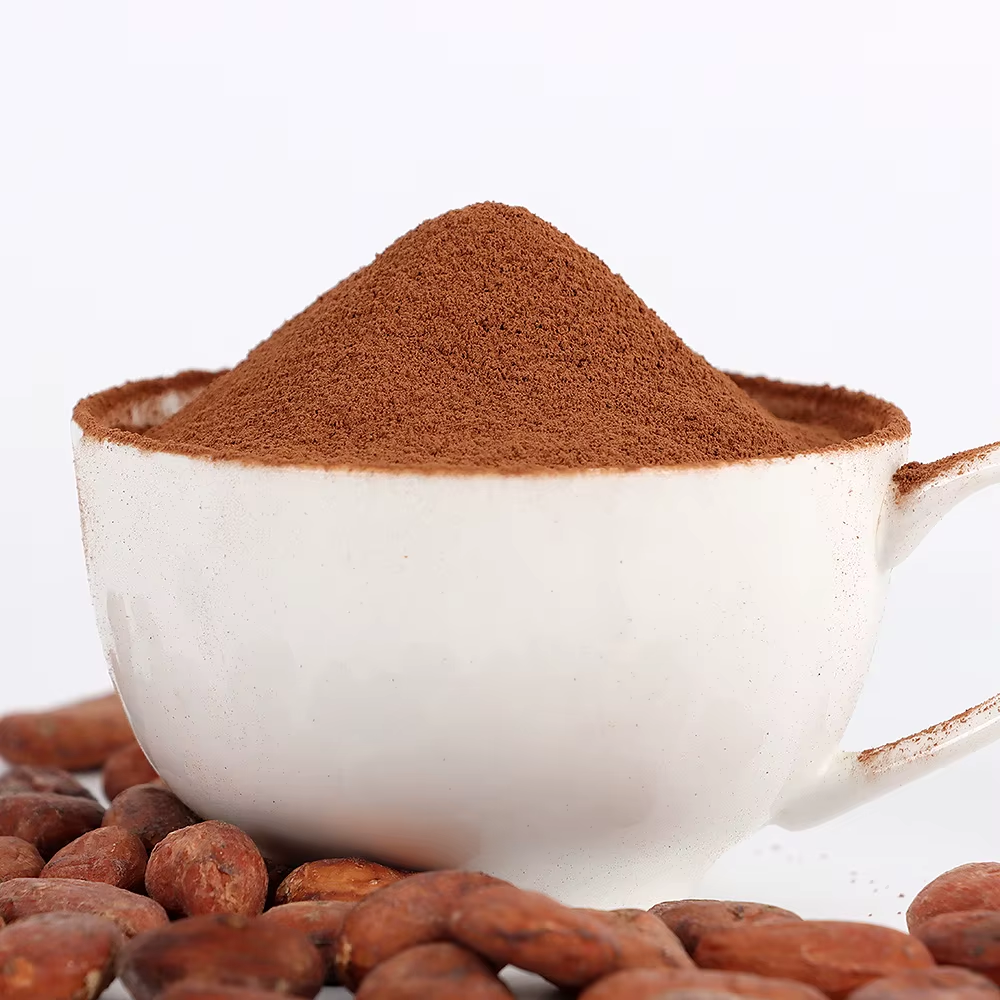
In industrial chocolate, bakery, and beverage production, sourcing alkalized cocoa powder—also known as Dutch-processed cocoa—goes beyond cost considerations. The global import/export of this ingredient has far-reaching implications for flavor consistency, production efficiency, and supply chain reliability.
Manufacturers seeking dependable suppliers need not only quality products but also streamlined logistics. At MT Royal, we supply a range of cocoa brands at competitive prices, including premium European options like Latamarko, which exemplify Spanish engineering excellence. This guide explores the fundamentals, operational benefits, global trade insights, and actionable procurement strategies for factory managers and production supervisors.
Understanding Alkalized Cocoa Powder: Fundamentals for Industrial Use
What is Alkalized Cocoa Powder?
Alkalized cocoa powder undergoes Dutch processing, which neutralizes acidity, producing:
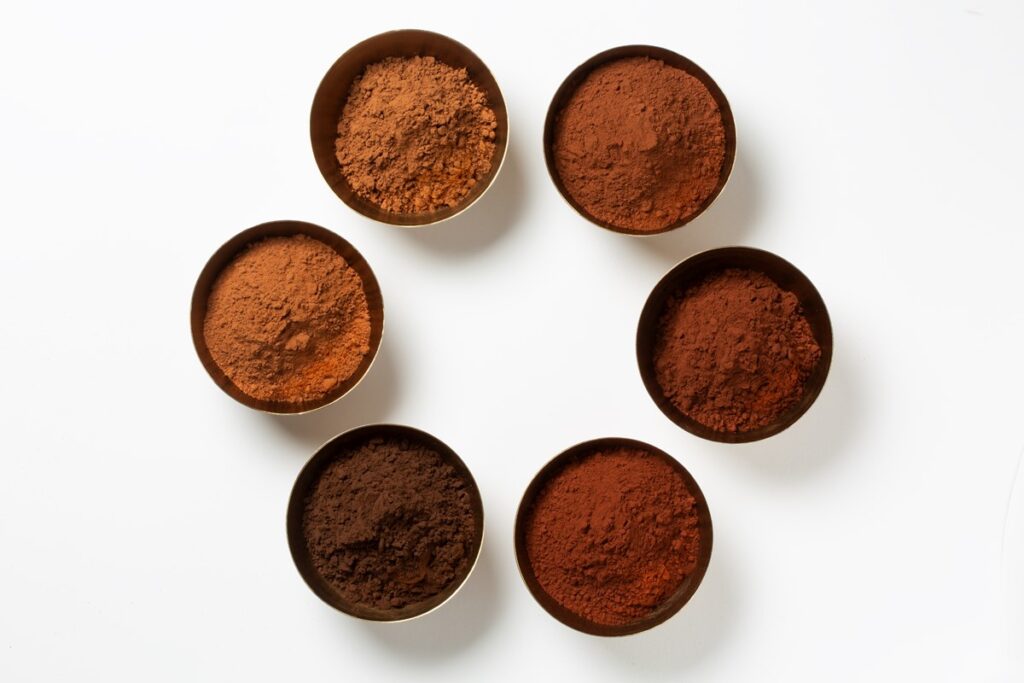
- Darker color for richer visual appeal in chocolate products
- Smoother flavor by reducing bitterness
- Enhanced solubility, crucial for coatings, beverages, and bakery mixes
LSI Keywords: Dutch-processed cocoa, industrial cocoa powder, bulk cocoa supplier, chocolate ingredient sourcing, cocoa alkalization process
Industrial Advantages of Alkalized Cocoa Powder
- Consistent taste: Vital for large-scale production
- Operational efficiency: Reduces mixing time and improves texture
- Equipment compatibility: Less acidic powders are gentler on pipes and mixers
In our experience supplying production facilities, switching to high-quality alkalized cocoa reduces QA issues and improves line throughput.
Global Import/Export Dynamics
Key Regions in Cocoa Trade
- Europe: Premium producers, including Spanish brands like Latamarko
- Middle East: Rapidly growing chocolate and bakery sectors
- Asia: High-volume demand for industrial cocoa for confectionery and beverages
Reliable suppliers are critical for navigating customs, shipping regulations, and fluctuating supply chains. MT Royal ensures timely deliveries and provides industrial-grade cocoa options for both emerging and established markets.
Export Considerations for Manufacturers
- Certifications: ISO, HACCP, and EU traceability ensure compliance
- Logistics: Shipping routes, packaging, and storage conditions affect quality
- Tariffs & regulations: Knowledge of local import rules prevents costly delays
By understanding these variables, industrial buyers can reduce risks and maintain uninterrupted production.
Operational Benefits for Manufacturing Facilities
Flavor and Product Quality
Even in high-volume production, alkalized cocoa ensures:
- Uniform chocolate color across batches
- Reduced bitterness for mass-market appeal
- Smooth texture in coatings, beverages, and bakery mixes
Efficiency Gains
- Faster mixing: Soluble powders blend quickly
- Reduced corrective adjustments: Consistent quality lowers waste
- Equipment longevity: Alkalized powders are less corrosive than natural cocoa
Factories using premium brands like Latamarko often achieve smoother operations, higher throughput, and fewer complaints from quality control teams.
Supplier Selection for Import/Export Cocoa Powder
Evaluating Potential Partners
- Reliability: On-time deliveries prevent production delays
- Product range: Options for both cost-effective and premium lines
- Certifications & traceability: Guarantees of consistent quality
- Pricing efficiency: Balancing cost with operational benefits
At MT Royal, we supply both high-volume and premium cocoa powders, ensuring buyers access the right product for each production tier.
Comparing Premium vs. Standard Cocoa Suppliers
| Feature | Premium (Latamarko) | Standard European Brands | Bulk/Cost-Effective Options |
|---|---|---|---|
| Flavor Profile | Rich, full-bodied | Smooth, mild | Variable |
| Color Uniformity | Excellent | Good | Moderate |
| Solubility | Very high | High | Moderate |
| Particle Size Consistency | Precise | Moderate | Varies |
| Ideal Applications | Premium chocolate, luxury bakery | Standard chocolate & bakery | Mass-market, high-volume |
Common Pitfalls in Alkalized Cocoa Import/Export
- Assuming uniformity across suppliers: Flavor, solubility, and alkalization vary
- Neglecting storage and handling: Moisture and heat can degrade cocoa quality
- Overlooking certification and traceability: Leads to regulatory delays
- Ignoring production line compatibility: Particle size and solubility impact throughput
Actionable Advice for Factory Managers and Procurement Officers
- Pilot test new suppliers: Evaluate taste, solubility, and texture before full-scale use
- Match cocoa type to production needs: Premium for high-end products, standard for mass-market
- Monitor supplier compliance: Certifications ensure quality and reduce risk
- Optimize storage: Maintain cool, dry conditions and rotate stock using FIFO
Step-by-Step Guide to Importing/Exporting Alkalized Cocoa Powder
- Define production requirements: Flavor, solubility, and color targets
- Identify certified suppliers: ISO, HACCP, EU-compliant sources
- Request sample shipments: Conduct small-scale tests before large orders
- Coordinate logistics: Packaging, shipping, and customs considerations
- Implement quality control: Monitor batch consistency and pH levels
Real-World Manufacturing Examples
- Chocolate bars: Premium alkalized cocoa reduced batch variability
- Bakery coatings: Improved solubility enhanced enrobing efficiency
- Beverage production: Faster dissolution cut production cycle times by 10–15%
These examples demonstrate operational gains when partnering with trusted suppliers like MT Royal and leveraging premium brands like Latamarko.
Frequently Asked Questions (FAQ)
Q1: What is the difference between alkalized and natural cocoa powder?
A: Alkalized cocoa has reduced acidity, darker color, and smoother flavor, making it ideal for industrial use.
Q2: How should imported cocoa be stored?
A: Store in sealed, cool, dry conditions away from strong odors, following FIFO principles.
Q3: Are European cocoa powders worth the investment?
A: Premium brands like Latamarko offer consistent flavor, superior solubility, and traceable quality.
Q4: How can I minimize import/export delays?
A: Work with experienced suppliers familiar with regulations, certifications, and logistics.
Trends in Global Cocoa Powder Trade
- Premiumization: Growing demand for high-quality European cocoa
- Bulk efficiency: Factories prioritize reliable suppliers to reduce downtime
- Sustainability and traceability: Eco-conscious sourcing increasingly influences procurement
Conclusion
Importing and exporting alkalized cocoa powder requires more than selecting a product—it demands strategic supplier choices, operational alignment, and attention to quality standards.
By partnering with trusted suppliers like MT Royal, industrial buyers gain access to a wide spectrum of cocoa powders, from affordable bulk options to premium Latamarko brands. With proper testing, storage, and monitoring, alkalized cocoa can enhance production efficiency, ensure consistent flavor, and support both mass-market and premium product lines.
Your cocoa supplier isn’t just a vendor—they’re a strategic partner in achieving operational excellence, reducing waste, and delivering consistent, high-quality products.

No comment