

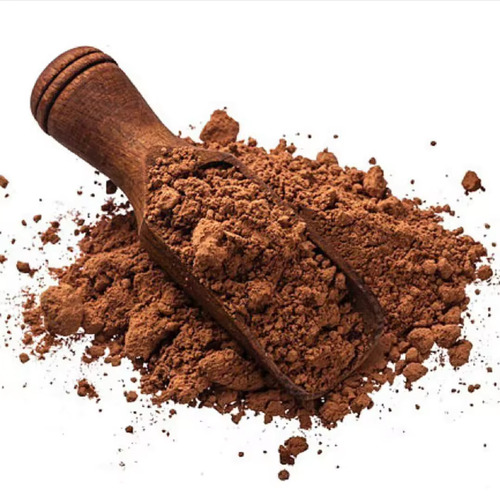
Every manufacturing facility that works with chocolate-based products knows this truth: the quality of your cocoa powder defines the essence of your product. From rich brownies and dark cookies to flavored beverages and confectionery coatings, the ingredient that quietly carries most of the flavor, color, and aroma is cocoa powder.
And yet, sourcing it is far from simple. The difference between a standard supplier and a reliable alkalized cocoa powder manufacturer can mean the difference between consistent production and constant reformulation headaches.
In today’s competitive market, industrial buyers are moving away from purely price-driven procurement. Instead, they’re turning toward trusted partners who understand manufacturing realities — yield consistency, batch performance, and long-term reliability. That’s where the modern alkalized cocoa powder manufacturer becomes a strategic ally rather than just a vendor.
At MT Royal, we’ve seen firsthand how this shift transforms production outcomes. Whether you’re running a high-output bakery line, a confectionery plant, or a cocoa-based beverage production unit, sourcing from the right manufacturer isn’t just about ingredients — it’s about operational excellence.
What Is Alkalized Cocoa Powder? Understanding the Fundamentals
Before diving into the manufacturer’s role, let’s get technical.
Alkalized cocoa powder—also called Dutch-processed cocoa—is treated with an alkaline solution (often potassium carbonate) to neutralize acidity. This process enhances color uniformity, mellows acidity, and deepens flavor.
Unlike natural cocoa powder, which has a lighter reddish tone and sharp acidity, alkalized cocoa delivers a darker, smoother, and more balanced taste. It also disperses more evenly in formulations — a critical factor in industrial mixing and baking applications.
Why Manufacturers Prefer Alkalized Cocoa Powder
For large-scale producers, the benefits are tangible:
- Color stability: Rich, deep browns that remain uniform across batches.
- Improved dispersibility: Less clumping, faster mixing, and more efficient blending.
- Lower acidity: Gentler flavor profile suitable for chocolates, biscuits, and beverages.
- Enhanced sensory appeal: A more “chocolaty” aroma and smoother mouthfeel.
For these reasons, top manufacturers — particularly European ones — have refined the alkalization process into a science of precision.
The Industrial Importance of a Reliable Alkalized Cocoa Powder Manufacturer
In industrial production, consistency is king. A minor variation in cocoa quality can alter the taste, color, or texture of thousands of units in a single run. Reliable cocoa powder manufacturers solve that problem by maintaining strict control over every variable — from bean sourcing to processing pH levels.
Key Capabilities of a Trusted Manufacturer
- Controlled Alkalization Parameters:
Manufacturers maintain tight control over alkalization conditions to achieve specific pH and flavor outcomes — vital for product standardization. - Traceable Cocoa Sourcing:
Ethical sourcing and traceability ensure product integrity, regulatory compliance, and sustainability. - Industrial Testing Protocols:
Reputable manufacturers conduct colorimetric and dispersibility tests, ensuring batch-to-batch uniformity for industrial customers. - Scalable Supply Chain:
Industrial clients require bulk consistency — from pallet loads to container shipments. A capable manufacturer ensures on-time delivery and stable supply.
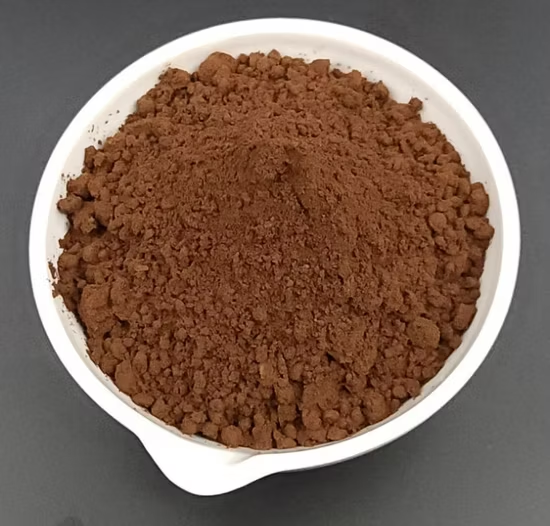
Behind the Process: How Alkalized Cocoa Powder Is Manufactured
A quick tour through the manufacturing process reveals the precision required:
- Fermentation & Drying: Raw cacao beans are fermented for flavor development and dried to precise moisture levels.
- Roasting: Manufacturers fine-tune roast intensity to achieve desired chocolate notes.
- Cracking & Winnowing: The nibs (inner part) are separated from shells for pure cocoa content.
- Alkalization: The nibs or cocoa liquor are treated with an alkaline solution — this is the stage where flavor, color, and pH are engineered.
- Pressing: Cocoa butter is separated, leaving behind cocoa solids.
- Grinding & Refining: The solids are ground into a fine, flowable powder.
- Quality Control & Packaging: Industrial testing ensures compliance with food-grade and consistency standards.
Top manufacturers use precision systems for moisture control, particle size management, and pH balancing — all of which determine how the final cocoa powder behaves in industrial formulations.
How MT Royal Bridges Manufacturers and Industrial Buyers
At MT Royal, we work as a bridge between cocoa powder manufacturers and industrial users — bakeries, confectionery producers, beverage plants, and dairy processors.
We’ve worked with facilities that once struggled with inconsistent supply or variable powder quality. By sourcing from established global manufacturers, we help them secure stable, reliable inputs that improve production efficiency and end-product consistency.
Our portfolio includes brands with proven track records — including Latamarko, a Spanish-origin premium manufacturer known for high-quality cocoa powders. Through our network, we ensure that our partners can access a full spectrum of grades — from lightly alkalized to deep black variants — tailored to different industrial applications.
Latamarko: The Benchmark for European Cocoa Engineering
Spanish engineering has long held a reputation for precision, and Latamarko embodies that excellence. Their alkalized cocoa powders are known for:
- Deep, consistent color profiles
- Low moisture and controlled fat content
- Smooth flavor without sharp acidic notes
- High dispersibility and stable performance across production lines
Many European confectionery and bakery plants rely on Spanish suppliers like Latamarko for their ability to balance quality with scalability. For industrial buyers seeking premium inputs that won’t disrupt process parameters, this brand sets the benchmark.
Industrial Use Cases: How Manufacturers Apply Alkalized Cocoa Powder
1. Bakery and Confectionery Production
Alkalized cocoa’s neutral pH means it doesn’t interfere with leavening agents, making it ideal for cakes, cookies, brownies, and biscuits. The darker variants create visually rich baked goods with luxurious flavor depth.
2. Chocolate and Compound Coatings
Industrial chocolate producers use it to adjust flavor and color intensity in compounds and coatings. Uniformity here reduces rework and waste — key for cost efficiency.
3. Beverage Applications
Instant drinks, milk-based beverages, and ready-to-drink cocoa blends rely on the improved solubility of alkalized powders. Manufacturers appreciate how well it disperses in both hot and cold liquids.
4. Ice Cream and Dairy Formulations
Cocoa must perform under freezing conditions, maintaining flavor clarity and smooth texture — areas where alkalized variants excel.
Procurement Pitfalls: What to Avoid When Choosing a Cocoa Powder Manufacturer
Many production managers learn this the hard way: not every “supplier” is a true manufacturer. Some are simply traders with limited control over consistency or traceability.
Common Mistakes:
- Focusing solely on cost per kg instead of total cost per finished unit.
- Ignoring moisture content, which can affect product yield and mixing behavior.
- Failing to verify fat percentage — critical for texture and mouthfeel.
- Overlooking certification requirements (Halal, Kosher, ISO, etc.) necessary for export markets.
Working with an experienced supplier like MT Royal helps mitigate these risks. We conduct manufacturer audits and batch reviews to ensure industrial clients get reliable inputs that align with their production goals.
How to Choose the Right Alkalized Cocoa Powder Manufacturer
When evaluating manufacturers, industrial buyers should consider:
| Factor | Why It Matters | Example Consideration |
|---|---|---|
| Product Range | Flexibility for various applications | Light vs. dark alkalized options |
| Certifications | Compliance with food standards | FSSC 22000, Halal, Kosher |
| Batch Consistency | Predictable output | Tight QC protocols |
| Supply Reliability | Avoid production downtime | Proven export logistics |
| Technical Support | Helps formulation stability | pH guidance, dispersibility data |
At MT Royal, we help factories compare these metrics across global brands, ensuring that procurement teams make informed, data-backed decisions rather than reactive purchases.
Recent Trends in the Alkalized Cocoa Market
- Sustainability and Traceability: Manufacturers are moving toward fully traceable supply chains to meet ESG goals.
- Clean Label Cocoa: Demand for low-chemical, naturally processed variants is increasing.
- Automation in Cocoa Processing: Modern plants use AI-controlled alkalization systems for consistent pH and color output.
- Customization for Industrial Clients: Manufacturers now offer application-specific blends — from high-fat baking powders to beverage-grade dispersible cocoa.
As suppliers, we’ve observed how large factories are seeking not just ingredients, but technical partnerships — reliable sources who understand both cocoa chemistry and production line requirements.
Practical Insights for Procurement Managers
If you’re responsible for ingredient sourcing, here are actionable steps to optimize your cocoa procurement strategy:
- Align cocoa specifications with final product performance goals.
(e.g., darker hues for visual appeal in cookies or lower-fat powders for beverages.) - Request batch-level technical sheets from your supplier to track consistency over time.
- Evaluate storage conditions — humidity and temperature can drastically affect powder flowability.
- Balance cost with stability. The cheapest per-ton price can lead to higher downstream costs if it causes formulation adjustments.
At MT Royal, we’ve helped several plants reduce reformulation frequency by simply aligning supplier specs more tightly with operational needs — a small change that had a large impact on cost efficiency.
Frequently Asked Questions (FAQ)
1. What is the difference between natural and alkalized cocoa powder?
Natural cocoa is acidic and lighter in color, while alkalized cocoa is treated to reduce acidity, enhance color, and create smoother flavor.
2. Does alkalization affect nutritional value?
Slightly, yes — the process can reduce some antioxidant content, but the trade-off is improved sensory performance and process stability.
3. What’s the typical shelf life for industrial cocoa powder?
Usually 24 months under dry, cool conditions. Proper packaging and storage maintain quality.
4. How do manufacturers ensure pH consistency?
By using automated alkalization systems with real-time monitoring and inline testing.
5. Is Latamarko available globally?
Yes, through distribution partners like MT Royal, Latamarko products are accessible to industrial clients across multiple regions.
Conclusion
Every successful manufacturing line is built on dependable raw materials. Alkalized cocoa powder might appear as just one of many ingredients, but for industrial operations, it’s a foundational component that dictates product quality and brand identity.
Choosing the right alkalized cocoa powder manufacturer is, therefore, a strategic decision — one that directly affects taste, texture, color, and cost efficiency.
At MT Royal, we believe in helping manufacturers make smarter sourcing choices. By partnering with globally respected brands — including Latamarko, known for Spanish precision and consistency — we support our clients not just as ingredient suppliers, but as part of their long-term production strategy.



No comment