

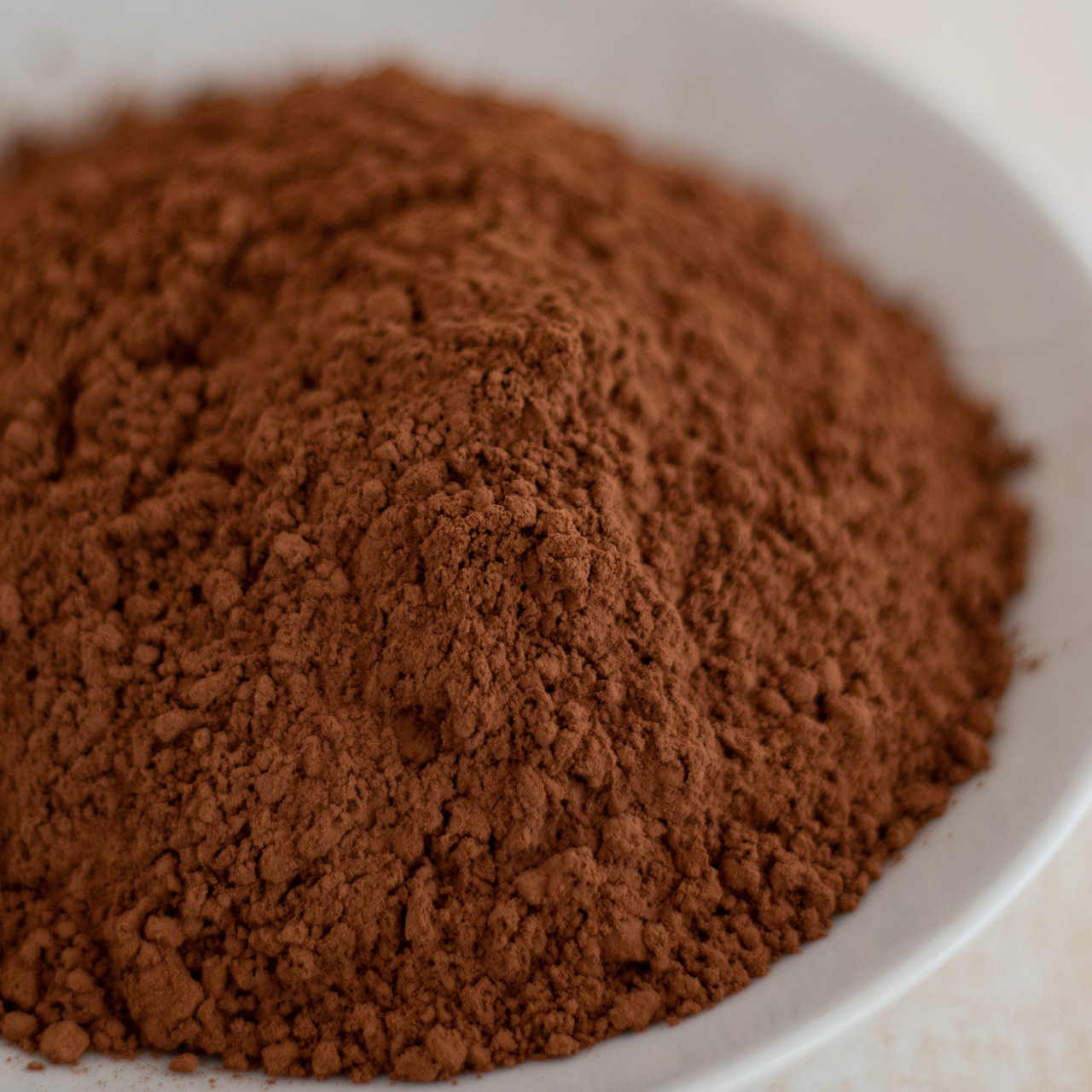
In the world of large-scale food production, every ingredient tells a story. And when it comes to alkalized cocoa powder, that story runs deeper than flavor and color — it touches supply chains, global commodities, and the very economics of your production line.
If you’re a factory owner, production manager, or procurement officer, you already know that cocoa powder pricing isn’t just about market fluctuations. It’s about how choices made at the supplier level ripple across the entire manufacturing process. Today, we’ll dive into what really drives alkalized cocoa powder price, how quality tiers compare, and what smart buyers are doing to keep costs stable without compromising performance.
At MT Royal, we’ve supplied cocoa-based ingredients to manufacturers across confectionery, bakery, dairy, and beverage sectors. We’ve seen first-hand how small decisions — like choosing the right origin or supplier brand — can significantly influence not just cost per kilo, but product consistency, color yield, and overall process efficiency.
Before we unpack price dynamics, it’s worth revisiting what makes alkalized cocoa powder different from its natural counterpart.
Also known as Dutch-processed cocoa, alkalized cocoa powder undergoes treatment with an alkaline solution — typically potassium carbonate — to neutralize acidity. This process changes everything: pH level, solubility, taste profile, and color intensity.
For manufacturers, the result is an ingredient that:
- Dissolves more evenly in liquids (critical for beverage and dairy applications)
- Produces a milder, smoother chocolate flavor
- Delivers deeper, richer hues desirable in baked goods and desserts
- Offers improved stability across varying production conditions
It’s not just an additive — it’s a performance ingredient. The price of alkalized cocoa powder reflects not only raw cocoa costs but also this intricate refining process.
What Determines Alkalized Cocoa Powder Price?
Price, in this context, isn’t random. It’s shaped by five main factors that every procurement manager should understand before negotiating a supply contract:
1. Cocoa Bean Origin
The journey begins in West Africa, Latin America, and Southeast Asia — the world’s primary cocoa-growing regions. Each origin brings different fat content, flavor notes, and chemical balance, all influencing how the beans respond to alkalization.
- West African cocoa (notably Ghana and Ivory Coast) provides robust, dark tones favored in bakery and biscuit production.
- Latin American beans (Ecuadorian or Peruvian) offer fruity and floral profiles suited for premium chocolate beverages.
- Asian cocoa, especially from Indonesia, yields higher-fat powder, ideal for smooth texture applications.
Because alkalization efficiency varies by origin, suppliers must tailor their processes — and that additional customization impacts the final price per metric ton.
2. Alkalization Method & Equipment Precision
There are two general alkalization methods: press cake alkalization and liquor alkalization. The latter delivers more uniform results but demands high-end equipment and energy input.
Premium European processors — including Spanish-origin brands like Latamarko — have refined these techniques with exceptional consistency and energy efficiency. While their cost per kilo may be higher, the yield per batch often offsets the difference. As many plant supervisors discover, a slightly higher unit price can mean fewer production issues and better end-product uniformity.
3. Cocoa Butter Content and Fat Level
Fat percentage directly affects both functionality and price. Common industrial grades include:
| Fat Content | Typical Use Case | Relative Price Level |
|---|---|---|
| 10–12% | Standard bakery and beverage | Lowest |
| 20–22% | Premium chocolate, desserts | Moderate |
| 22–24% | Specialty coatings, ice cream | Highest |
In production terms, a powder with higher fat content can reduce the need for additional emulsifiers or stabilizers — an often-overlooked hidden cost advantage that many procurement teams miss when comparing price lists.
4. Color Intensity and pH Level
Darkness sells — especially in baked goods. The richer the cocoa shade, the more “premium” the final product looks. However, achieving that deep mahogany hue requires higher alkalization levels, additional processing time, and stricter quality control.
As a result, extra-dark or black alkalized cocoa powders command a premium price point, not because of marketing, but due to the science and energy behind achieving those color grades.
5. Global Commodity and Currency Markets
The cocoa powder industry doesn’t exist in isolation. Global cocoa bean futures, shipping costs, and currency volatility all influence monthly price movements.
In early 2025, cocoa bean prices reached record highs due to weather disruptions in West Africa. While natural cocoa prices surged by over 30%, alkalized variants experienced compounded increases because of the added processing and energy input required.
Manufacturers sourcing from multiple origins — or partnering with diversified suppliers like MT Royal — can mitigate these fluctuations through flexible procurement strategies and multi-brand access.
Industrial Applications: Why Alkalized Cocoa Powder Is More Than a Flavoring Agent
In industrial production, alkalized cocoa powder functions as a multifunctional ingredient, not just a flavor carrier.
➤ Bakery & Biscuits
Improves color uniformity in dough, enhances Maillard reaction for richer crust tones, and balances bitterness in low-sugar formulations.
➤ Chocolate & Confectionery
Delivers consistent flavor release, reduces acidity, and ensures stable viscosity in chocolate fillings.
➤ Dairy & Ice Cream
Acts as a natural colorant and taste enhancer, maintaining emulsification stability during freezing and storage.
➤ Beverages & Instant Mixes
Ensures better dispersibility and faster solubility in water or milk, key for ready-to-drink chocolate beverages.
At MT Royal, we’ve seen manufacturers cut batch rejection rates by over 15% simply by switching to a more consistent alkalized grade from a European source. It’s not about “premium” for the sake of luxury — it’s about predictability, scalability, and cost-efficiency.
How to Evaluate Supplier Pricing: Beyond the Quotation Sheet
A common pitfall in industrial procurement is focusing solely on price per kilo rather than cost per use. Let’s break down what this means.
Imagine two suppliers offer:
- Supplier A: USD 3.50/kg, medium-dark, 10–12% fat
- Supplier B: USD 4.20/kg, darker shade, 22–24% fat
On paper, Supplier A looks cheaper. But in production:
- The darker powder from Supplier B requires 20% less usage for equivalent color intensity.
- It dissolves faster, saving 10 minutes of mixing time per batch.
- It reduces emulsifier demand by 3%, trimming secondary ingredient costs.
Suddenly, the “expensive” supplier delivers better ROI — not just better flavor.
That’s why MT Royal often advises manufacturers to consider functional yield as a pricing metric. The smartest factories calculate cocoa cost per finished product, not just per ton.
The Hidden Cost Drivers in Cocoa Powder Procurement
Beyond the visible invoice figures, there are hidden costs every factory should account for:
- Moisture and density variation – Lower-density powders can inflate volumetric dosing, affecting consistency.
- Batch-to-batch inconsistency – Variability means recalibration, rework, or even line downtime.
- Shelf-life stability – A powder that clumps or oxidizes prematurely increases wastage.
- Supplier reliability – A missed shipment can halt production — far costlier than a few cents per kilo difference.
The best manufacturers we work with have learned to see suppliers as process partners, not just vendors. Reliable brands like Latamarko, with decades of Spanish manufacturing precision, understand the industrial need for consistency at scale.
The Role of Brand and Origin in Quality Perception
There’s a saying in the chocolate industry: “Origin defines character, processing defines personality.”
While origin affects flavor, the brand defines reliability. A premium supplier invests in color control, pH standardization, and fat retention — all critical for predictable industrial outcomes.
European-origin brands like Latamarko have set benchmarks for dark cocoa powders with unmatched sensory balance and performance. Their Spanish engineering approach ensures that every kilogram maintains the same particle distribution and flow properties — qualities that make downstream mixing and extrusion easier.
For global food producers seeking dependable consistency, such attributes often outweigh minor price differences.
How Production Facilities Can Optimize Cocoa Powder Costs
Reducing cost doesn’t always mean finding the cheapest supplier. It’s about smarter sourcing and process optimization.
Here are five proven strategies used by efficient plants:
- Standardize cocoa powder grades across product lines – This simplifies inventory and allows bulk purchasing.
- Work with multi-brand suppliers – Partnering with distributors like MT Royal gives you access to several origins and brands under one roof, streamlining procurement.
- Evaluate blend potential – Some plants mix alkalized and natural cocoa to balance cost and flavor.
- Audit your dosing system – Overdosing even 2% adds thousands to annual ingredient spend.
- Monitor color yield vs. dosage ratio – A darker, more concentrated powder can lower total usage without affecting aesthetics.
We’ve seen bakery plants that reduced overall cocoa cost by 12% simply by switching to a higher-intensity Latamarko variant and recalibrating dosing.
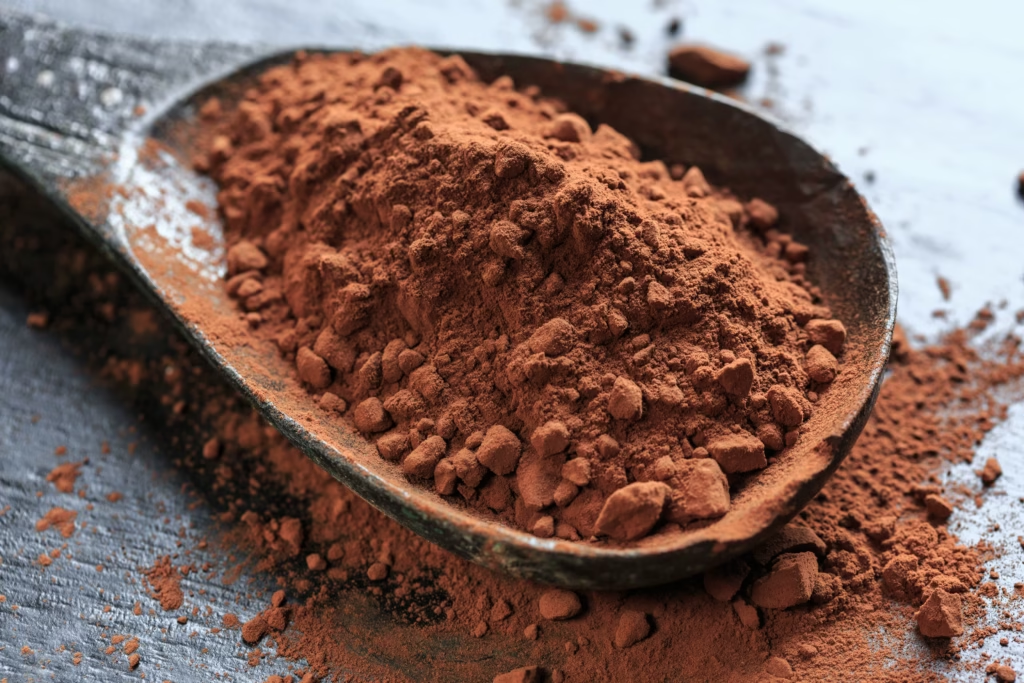
Industrial Trends Influencing Cocoa Powder Prices in 2025
Recent industry reports show several macro trends shaping 2025 pricing forecasts:
- Sustainability premiums: Brands certified for sustainable sourcing or low-carbon processing are commanding higher base prices but delivering long-term reputational and ESG benefits.
- Energy costs: Alkalization is energy-intensive, so fluctuations in European energy prices directly impact finished powder costs.
- Supply chain diversification: More manufacturers are sourcing from mixed regions (e.g., Africa + Latin America) to balance cost volatility.
- Food safety regulations: Stricter EU and GCC compliance on heavy metals like cadmium and lead add testing and certification expenses to suppliers.
Factories planning ahead should factor these variables into their 2025–2026 budgets rather than reacting to quarterly price swings.
Frequently Asked Questions from Manufacturers
Q1. Why is alkalized cocoa powder more expensive than natural cocoa powder?
Because of additional processing steps, higher energy use, and more stringent quality control requirements.
Q2. Can alkalized and natural cocoa be mixed to reduce cost?
Yes — many industrial formulations successfully combine both to balance flavor, color, and price.
Q3. How often do prices change?
Typically quarterly, depending on global cocoa futures, currency shifts, and energy rates.
Q4. What packaging formats are available for large-scale buyers?
Most suppliers, including MT Royal’s partner brands, offer 25 kg kraft paper bags or 1-ton bulk totes optimized for warehouse efficiency.
Q5. What’s the shelf life of alkalized cocoa powder?
Usually 24–36 months under cool, dry conditions — but always verify based on supplier specifications and fat content.
Why Partnering with a Knowledgeable Supplier Matters
In industrial manufacturing, trust in your supplier equals stability in your production line. MT Royal isn’t just a distributor — we act as an ingredient sourcing partner.
We’ve worked with production facilities across confectionery, bakery, dairy, and beverages, helping them match the right cocoa powder grade to their process variables. Whether it’s a high-fat powder for premium fillings or a medium-dark variant for mass-market biscuits, we understand that the right product fit saves far more than price negotiation ever could.
And when quality matters most, Spanish-origin brands like Latamarko consistently lead in precision and reliability — qualities that manufacturing engineers appreciate when downtime is not an option.
The Future of Alkalized Cocoa Powder Pricing
The next few years will test the agility of procurement teams. Cocoa bean scarcity, sustainability mandates, and freight cost fluctuations will continue to pressure prices.
However, factories that prioritize technical partnerships, supplier transparency, and data-backed procurement will maintain a competitive edge. Price will always fluctuate — but value per kilogram is something you can control.
When you understand how factors like fat content, alkalization degree, and brand engineering affect your process efficiency, you move from price chasing to cost optimization. And that’s where the real profitability lies.



No comment