

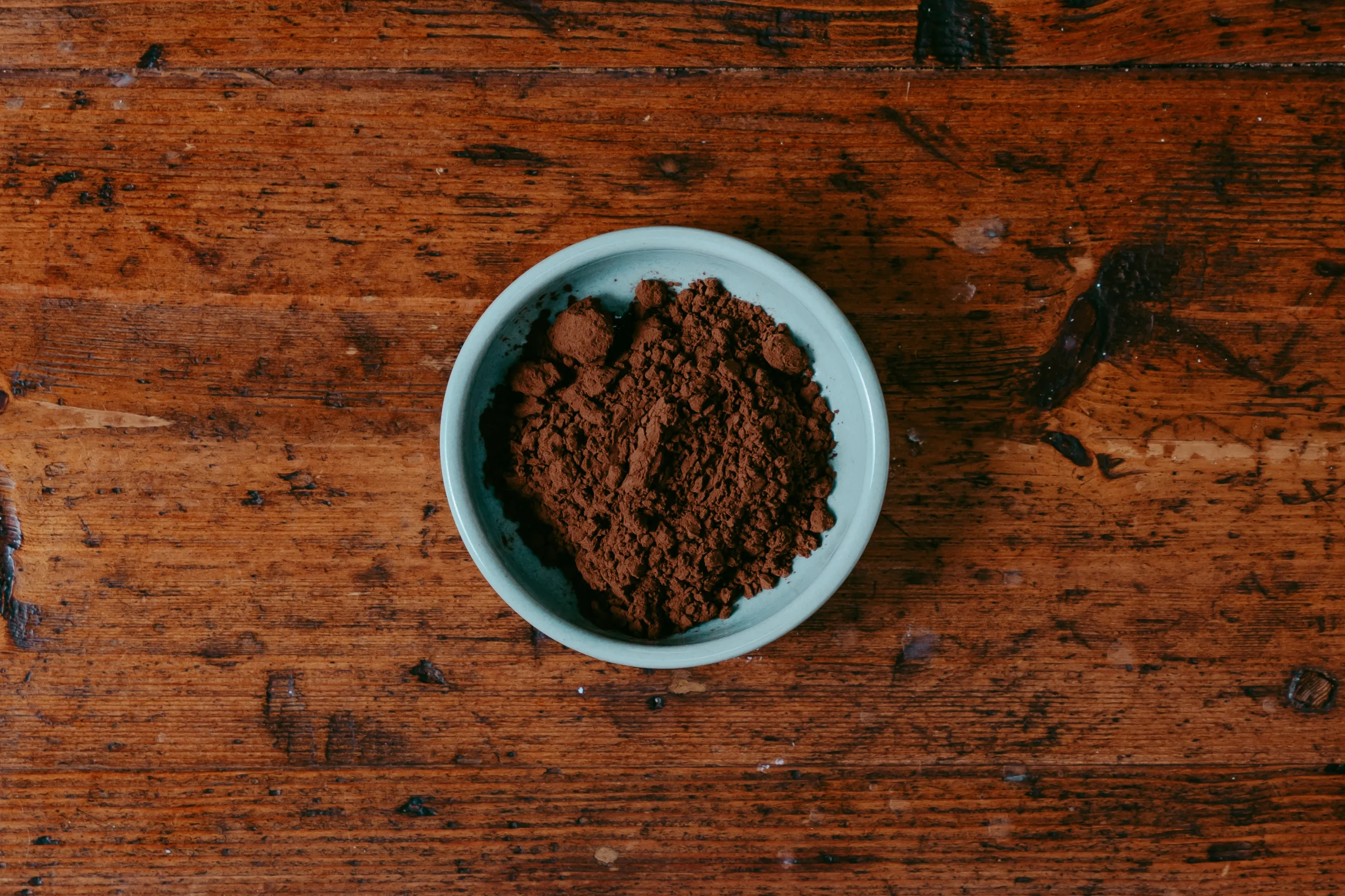
In the dynamic landscape of food manufacturing and confectionery production, securing the right raw material can make all the difference. If you’re responsible for sourcing ingredients in Egypt—be it for chocolate bars, bakery inclusions, beverages or confectionery coatings—you’ve likely faced the question: Which cocoa powder should I buy? In this article we’ll take a deep dive into alkalized cocoa powder supplier Egypt markets, procurement issues, quality criteria, and practical production‑use insights. From the definition and fundamentals, through value‑added benefits for large‑scale production, common pitfalls in industrial sourcing, to actionable advice tailored for factory managers and procurement officers, we cover it all. We’ll also weave in how MT Royal positions itself as a trusted supplier, and mention premium European brand Latamarko in the context of quality tier options.
What is Alkalized Cocoa Powder? Definitions & Fundamentals
Definition and Process
“Alkalized cocoa powder” (also known as Dutch‑processed cocoa or “Dutching”) refers to cocoa powder that has undergone a chemical treatment with an alkali (commonly potassium carbonate) to raise its pH and modify its flavor, color, and functional characteristics.
When cocoa nibs or cocoa mass are treated with a food‑grade alkali solution, the natural acidity (typically pH ~5.3‑5.8) is reduced to near‑neutral values (~6.8‑7.5 or higher) depending on the intensity of the process.
Key Functional Differences vs Natural Cocoa Powder
It helps to contrast alkalized cocoa with natural (non‑alkalized) cocoa powder, because in a production environment the differences matter. Some key points:
- Color & appearance: Alkalized cocoa tends to be darker, with richer brown to nearly black shades, depending on treatment.
- Flavor profile: The acidity and astringency of natural cocoa are reduced; the flavor becomes smoother, somewhat “mellower” and less sharp.
- Solubility/dispersibility: Because of the neutral pH and modified surface characteristics, alkalized cocoa often dissolves/disperses more readily in liquids (beverages, coatings) and is more stable in some systems.
- Applications and compatibility: Natural vs alkalized cocoa may react differently depending on leavening systems (e.g., baking soda vs baking powder) and may affect color, rise, crumb structure in bakery.
- Nutritional/chemical trade‑offs: Some studies show that the alkalization process reduces flavanol (antioxidant) content significantly.
Why Does this Matter for Industrial Procurement in Egypt?
As a factory owner or procurement manager operating in Egypt, sourcing the right cocoa powder grade means accounting for: bulk availability, shipping logistics (e.g., Port Sokhna, Alexandria), quality consistency, certification (food‑safety, allergen, FAO/WHO, etc.), storage conditions, and compatibility with your process (confectionery line, bakery line, beverage line). For instance:
- Will the powder disperse well in your chocolate liquor or coating lines?
- Will the color outcome meet your brand standard or that of your customer?
- Does the supplier guarantee batch‑to‑batch consistency over metric‑tons of contracts?
- Is the supplier compliant with international food‑safety/traceability, especially for export to/through Egypt?
Here’s where having a knowledgeable supplier like MT Royal helps: “At MT Royal, we supply manufacturers with a comprehensive range of brands, ensuring competitive pricing without compromising on quality.”
Unique Benefits & Value Propositions for Manufacturing Facilities
When you’re responsible for a large‑scale production plant—whether chocolate, bakery, drinks, coatings—the choice of alkalized cocoa powder offering the right technical specification can enhance your efficiency, reduce costs and improve end‑product performance. Let’s explore those advantages in depth.
Enhanced Dispersibility and Process Efficiency
One of the most important advantages from an industrial perspective is that alkalized cocoa powders offer improved solubility/dispersibility in liquid systems:
- For beverage lines (e.g., chocolate‑milk or hot‑chocolate premixes) the faster/homogenous dispersal means fewer clumps, less rework.
- For coating or compound chocolate production, better dispersion can mean less energy in mixing, better texture, fewer defects (e.g., “grainy” feel).
- In bakery inclusions, the darker color and stable behavior help meet visual standards without having to add extra colorants. For example, a specification of alkalized cocoa powder 20–22% fat shows excellent solubility and dark color for industrial applications.
Color & Flavor Consistency at Scale
Factories producing by the tonne‑batch require consistency. Alkalization gives you:
- Predictable dark colour outcomes in finished goods (cookies, cakes, coatings) which matter for brand visual identity.
- Smoother flavour profiles, which may be preferred in premium bars or confectioneries targeted for Middle East & North Africa markets where bitterness may disadvantage consumer acceptance.
- Less risk of batch variation due to pH instability of natural cocoa powders.
Reduced Acidity / Improved Formulation Flexibility
In production, acidity in raw materials can affect downstream process steps (e.g., reaction of leavening agents in bakery, effect on shelf‑life, compatibility with certain emulsifiers or stabilisers). Because alkalized cocoa is nearer neutral pH:
- You’re less restricted by acid–alkali interactions (for example, less worry about baking soda reactions failing).
- You may reduce the risk of off‑flavors or over‑acidic notes in final confectionery that will transport in warm climates such as Egypt.
- When formulating premixes, the near‑neutral charactistics can simplify stabilization and emulsion processes.
Supply Chain & Bulk Sourcing Benefits
From the procurement side:
- Alkalized cocoa powders are typically available in industrial quantities (metric tonnes) and suitable for bulk packaging (e.g., 25 kg bags or big‑bags).
- For Egyptian markets (or export into/through Egypt), there is evidence of significant alkalized cocoa powder import demand and active supply chains.
- By using a knowledgeable supplier, you can secure a consistent grade, reduce risk of specification drift, and negotiate logistics (FOB, CIF, etc) from ports like Sokhna. As we’ve seen in our experience supplying manufacturing facilities, this matters in reducing downtime, ensuring quality, and managing cost‑per‑unit.
Value Proposition Summary (for production managers)
| Benefit | Impact for production & procurement |
|---|---|
| Improved dispersibility | Faster mixing, less energy, fewer defects |
| Darker, consistent colour | Meets brand spec consistently, higher perceived quality |
| Smooth, less bitter flavour | Enhanced consumer acceptance, lower reject rates |
| Near‑neutral pH | Fewer formulation constraints, better shelf stability |
| Bulk‑industrial grade availability | Lower cost per kg, supply security, easier logistics |
All these add up: when you’re managing a chocolate bar line, bakery production, or confectionery plant in Egypt (or supplying Egypt), the right alkalized cocoa powder can become a strategic input—not just a commodity.
Common Pitfalls or Misconceptions in Industrial Procurement
Even the most experienced procurement teams sometimes stumble — here are the pitfalls we’ve observed (and helped clients avoid) in the Egypt context.
Pitfall 1: Assuming “Dark Colour = Better Quality”
A common misconception is: “If the cocoa powder is darker, it must be premium.” But in reality:
- Alkalization level and treatment style affect both color and functionality. Heavy alkalization may yield extremely dark (“jet black”) powder but can degrade other functional and sensory qualities.
- Quality depends also on bean origin, fat/solids content, presence of contaminants, particle size, and batch uniformity.
Pitfall 2: Neglecting Particle Size / Milling and Its Effects
For industrial use, particle size of cocoa powder influences dispersion, mouth‑feel, and performance in coatings or fillings. Two batches with identical “alkalized” label could behave differently if the milling is different. Always ask for particle size distribution, sieve analysis, and test runs.
We’ve helped a bakery client who assumed any alkalized cocoa would work—until one batch caused the dough to become sticky and slowed down the line.
Pitfall 3: Overlooking Storage, Moisture and Clumping Risks
Cocoa powder—even alkalized—is hygroscopic. For Egyptian warehouse conditions (high humidity), if the storage is sub‑optimal, you may get clumps, bridging in hoppers, or inconsistent dosing. Make sure the supplier indicates moisture specification and packaging format (e.g., big‑bags with inner liners, nitrogen blanketing).
Pitfall 4: Ignoring Certification & Traceability
For export‑compliant manufacturing you must ensure your supplier provides:
- Food‑safety certifications (e.g., HACCP, ISO 22000)
- Allergen statements (even if cocoa isn’t major allergen, cross‑contact matters)
- Origin documentation (especially if sourcing from Ghana, Côte d’Ivoire etc, even if the supply arrives via or through Egypt)
- Batch‑to‑batch traceability for recall readiness
Neglecting this can lead to regulatory headaches or cost escalation.
Pitfall 5: Treating Small Lots as Representative of Supply‑Chain Behavior
Occasionally one may test a small lot (e.g., 1 MT) with good results, then scale up to 50 MT only to find performance issues (color shift, dispersibility changes). Always define trial vs full‑lot behavior, and include quality clauses in supply contracts.
Pitfall 6: Not Aligning Specification with Downstream Process
For example: if the cocoa powder will be used in a bakery formula that uses baking soda, but you pick an alkalized cocoa (which doesn’t give the same acidic environment), the rise may fail. As Serious Eats notes: alkalized cocoa doesn’t react with baking soda the same way natural cocoa does.
Therefore: Match raw‑material specification with downstream process—coatings, bakery, beverage, etc.
Summary of Misconceptions
- Darker colour ≠ always better performance
- Milling/particle size matters as much as chemical treatment
- Storage & humidity in Egypt is a real logistic variable
- Certification & supply‑chain traceability cannot be ignored
- Specification must align with your product formulation (bakery, beverage, chocolate)
Actionable Advice and Step‑by‑Step Guide for Factory Managers & Procurement Officers
Let’s map out a practical procurement and integration workflow you can follow in your plant when selecting, qualifying and using alkalized cocoa powder in Egypt.
Step 1: Define Functional Specification
Start by collaborating with your R&D/production team to define what the powder must deliver:
- Colour tone (e.g., dark brown, reddish‑brown)
- Fat content (if relevant) e.g., 20‑22% for rich mouth‑feel.
- Particle size / milling specification
- Solubility/dispersibility target (for beverage or liquid systems)
- pH (if relevant) and tolerance for acidity/alkalinity
- Origin or bean‑type preference (e.g., West African, Latin American)
- Packaging & logistics specification (bulk bags, shelf‑life, humidity tolerance)
Document this in your RFQ (Request for Quotation) form.
Step 2: Supplier Pre‑Qualification
Before awarding a contract:
- Request supplier’s food‑safety certifications, traceability documentation, previous export references to Egypt (or MENA)
- Ask for technical specification sheet including alkali treatment details, milling size, universal test results (moisture, fat, ash, pH)
- Ask for sample lots for in‑house trial (say 1 MT) and evaluate for your application (coating line, beverage line, etc.)
- Evaluate logistics: shipping from origin → Egypt (Port Sokhna, Damietta, Alexandria), customs clearance, warehousing in Egypt (humidity/hygiene standards). We’ve seen delays of up to 3‑4 weeks when logistics weren’t pre‑planned.
Step 3: Trial Run & Performance Evaluation
Once sample has arrived:
- Run a pilot production (few tonnes) to test: appearance (color uniformity), mixing behavior, dispersibility, line speed effects, mouth‑feel/cross‑section in final product
- Check consistency: Is every bag behaving the same? Are there bridging issues in hoppers? Does the downstream process need adjustment (altered mixing time or temperature)?
- Record scrap/reject rates, time lost due to ingredient issues, any cleaning or downtime issues. This gives you a cost‑impact metric.
Step 4: Contracting & Supply Agreement
Based on successful trial, proceed to contract:
- Define batch size, lead time, packaging, shipping terms (EXW, FOB, CIF), acceptable variance in specification
- Include quality‑control clauses: e.g., failure of certain specification triggers discount or return; supplier must respond within defined timeframe for non‑conformities
- Plan warehousing: For Egyptian operations pay attention to storage climate, shelf‑life (some powders specify 24 months when stored dry).
Step 5: Integration into Production & Ongoing QC
Once material is in your plant:
- Train your production/warehouse staff on handling (avoid moisture uptake, bridging, mixing behavior)
- Set up incoming QC: sample each batch for moisture, particle size, color, and compare to your benchmark.
- Monitor downstream performance: Is your line running at target speed? Are defects (e.g., air‑bubbles in coating, color inconsistencies in bakery) increasing?
- Document supplier performance: delivery reliability, specification compliance, cost per kg over time.
Step 6: Continuous Improvement & Cost Management
Over time:
- Maintain close relationship with supplier (for example, MT Royal can provide alternative brands if there’s a shortage or offer improved milling grades)
- Review cost per unit: when cocoa bean prices fluctuate, negotiate annual contracts or options to lock price/volume.
- Benchmark alternative grades: for instance, premium European brands (including Spanish‑origin Latamarko) might offer superior consistency or niche features; use them for high‑end lines and a standard grade for general use.
- Consider storage optimisation: Just‑in‑time vs bulk stock depending on cost of storage in Egypt (humidity risk).
- Keep production teams informed of any change in specification from supplier side—e.g., if bean origin or treatment method changes, subtle performance differences might appear.
Industry‑Specific Considerations for Large‑Scale Production in Egypt
Given the local/regional context, here are special considerations you should weave into your procurement and production strategy.
Import/Logistics & Egyptian/regional supply‑chain dynamics
- Egypt is a net‑importer of cocoa powder; there are significant import flows of alkalized cocoa powder to Egyptian ports.
- Recognise that shipping lead‑times, customs duties, and local warehousing conditions can impact supply reliability. For example, delays at Port Sokhna due to paperwork or port congestion must be anticipated.
- Consider freight and storage costs: Keeping large stock in Egypt means dealing with humidity/hothouse climate, which could degrade powder. Mitigate by climate‑controlled warehousing or frequent turnovers.
- Local regulatory compliance: Egypt may impose import‑licensing, phytosanitary certificates, or food‑safety inspections. Ensure your supplier and your logistics chain are aligned.
Batch Size & Scaling Considerations
In large‑scale production (hundreds of tonnes annually):
- A small deviation in powder performance (e.g., slightly coarser particle size) multiplied across hundreds of tonnes can lead to measurable cost in rejects or downtime.
- Supplier reliability matters: If you shift supplier mid‑year, your calibration (mixing time, color control) might need adjustment—this can cost unplanned stops.
- Consider dual‑supplier strategy: use a “tier‑1” premium supplier (such as Latamarko‑style product) for premium lines, and a “main” supplier (such as through MT Royal) for standard lines, but ensure cross‑compatibility to avoid line change‑overs.
Quality & Certification for Export Markets
If your facility supplies exported goods (Middle East, Africa, EU), you must ensure:
- Cocoa powder supplier batches are traceable, consistent, certified (e.g., ISO 22000, possibly Fair‑trade or Rainforest Alliance if required)
- Specification consistency: color, flavor, microbiology, heavy metals—all must meet your export buyer’s standard
- Packaging compliance: big‑bag liners, palletisation, if shipping to final customer abroad (via Egypt or from Egypt)
Formulation Specialties
Depending on your product line:
- Bakery & biscuits: If you use baking soda, natural cocoa may respond better; hence if you switch to alkalized cocoa, recipe adjustments (using baking powder) may be needed.
- Beverage & drink mixes: Alkalized cocoa’s improved solubility is a plus—fewer lumps, better mouth‑feel.
- Confectionery & coatings: Color depth and dispersibility are key; alkalized powders help hit brand visual target and avoid “greyish” finishes.
- Functional products: If you promote antioxidants, you must be aware that heavy alkalization reduces flavanol content.
Cost‑per‑Unit Considerations & Raw‑Material Price Trends
- Cocoa bean prices fluctuate globally due to weather, crop yields, geopolitical issues. As a procurement manager you should watch these trends and negotiate fixed‑volume contracts when possible.
- The treatment (alkalization, milling) adds cost compared to natural cocoa powder—so you need to measure the benefit (color, consistency, process efficiency) vs cost.
- Conduct a total‑cost‑of‑ownership analysis: cost per kg of cocoa powder plus cost savings in mixing time, rejects, downtime, scrap reduction. A powder slightly more expensive but resulting in 1% fewer rejects may be more cost‑effective.
Real‑Life Anecdotes from Manufacturing Environments
Let’s bring in some concrete factory‑floor narratives to illustrate how these procurement and production decisions play out.
Anecdote 1: Dye‑Dark Bakery Batch in Cairo
A mid‑sized biscuit‑cake plant in Cairo needed a darker chocolate‑flavoured cake for a new export line to North Africa. The R&D team decided to switch from natural cocoa powder to an alkalized cocoa powder with a specified color tone. The new powder (score: 20–22% fat content, dark brown) came via a trusted supplier introduced by MT Royal. In the first trial the line ran smoothly, but the mixing time was slightly shorter and the dough viscosity changed. Adjustments: mixing speed reduced 5%, addition of 0.2% lecithin to maintain flow. The end result: consistent colour, fewer rejects, cleaner finish. They saved ~0.7 % in scrap over 6 months—enough to cover the slightly higher raw‑material cost.
Anecdote 2: Beverage Premix Plant in Alexandria
A drink‑mix manufacturer needed a powder that dispersed well in cold water (for “iced chocolate” sachets). They had problems with clumping and settling when using a conventional cocoa powder. Upon switching to an alkalized cocoa powder (low‑acidity, good solubility) delivered via a partner of MT Royal, they reduced mixing time by 12 %, improved customer feedback (no grit), and avoided extra homogeniser investment. They also instituted monthly incoming QC checks of particle size and moisture for each bag.
Anecdote 3: Supply Chain Risk Mitigation in Upper Egypt
A large confectionery producer with multiple lines (Egypt + export) judged that using a single supplier was risky given global cocoa bean volatility. They worked with MT Royal to set up a dual‑supplier approach: a main brand for everyday production and a premium European brand (Latamarko) reserved for special export runs. When cocoa bean prices spiked, they switched to the premium brand only for the high‑value lines, while renegotiating volume discounts for the main line. The result: no production stops, maintained quality, and ability to flex cost over time.
Frequently Asked Questions (FAQ) for Procurement Managers & Plant Supervisors
Q1: Is alkalized cocoa powder “less healthy” than natural cocoa?
A: From a nutritional‑profile viewpoint, the alkalization process does reduce certain flavanols/antioxidants. Studies show varying degrees of reduction depending on the intensity of treatment. However, in an industrial food‑manufacturing context, your priority may be functional performance (color, dispersibility, taste) rather than “health‑claim” antioxidants. If your product emphasises functional health claims, you might want to strike a balance or include natural cocoa in a separate line.
Q2: How do I determine the “right” alkalization level for my application?
A: It depends on your end‑product:
- For dark coatings or premium chocolate, you might prefer higher alkalization (darker color, smoother taste)
- For bakery goods where leavening (baking soda) is used, a moderate or light alkalization (or natural cocoa) might be better—because alkalized cocoa doesn’t give the same acid to baking soda reaction.
Hence you should align with your R&D/formulation team to specify pH range, color target, fat content, dispersibility, and then ask the supplier to provide technical spec sheets accordingly.
Q3: What should I check when the shipment arrives in Egypt?
A: Some key checks on arrival: - Bag integrity, correct packaging, inner liners, cleanliness of bags
- Moisture reading (especially given Egypt’s variable storage climate)
- Particle size or sieve test (if supplier provides)
- Visual colour check (against benchmark)
- If possible, test dispersibility (for beverage or coating lines)
- Confirm batch documentation, certificate of analysis, origin, food‑safety certifications.
Q4: How do I handle storage to avoid quality degradation?
A: Given Egypt’s climate, key considerations: - Store in dry, cool environment (avoid direct sun, high humidity)
- Use first‑in‑first‑out (FIFO) inventory practice
- For big‑bags, ensure pallets off the floor, cover to avoid dust ingress
- Monitor for bridging or clumping in sacks which can affect dosing accuracy
- Periodically audit warehouse ambient conditions (moisture, temperature) and align with supplier’s recommended shelf‑life (e.g., 24 months under proper storage)
Q5: When should I consider a premium brand like Latamarko vs standard grade?
A: Choose based on your product segments: - For everyday production lines aiming for cost‑efficiency, a standard alkalized cocoa powder sourced through a reliable supplier (like MT Royal) is suitable.
- For premium or export‑oriented lines where brand image, top sensory performance, and premium chocolate mouth‑feel matter, consider sourcing a high‑tier European brand (for example Spanish‑origin Latamarko) with tighter spec tolerances, finer milling, or better bean origin traceability. This allows you to position these lines as premium without compromising the cost structure for standard lines.
Q6: What contract/quality terms should I request from supplier?
A: Some recommended contract terms: - Defined specification with acceptable tolerances (colour, fat, moisture, pH, particle size)
- Batch‐to‐batch consistency guarantee or minimum quality assertion
- Sampling & testing rights at arrival or before shipment
- Supply reliability clause (lead‑time guarantee)
- Packaging & logistics details (weight per bag/big‑bag, palletisation, labels)
- Storage & shelf‐life documentation: e.g., “24 months when stored dry at < 30 °C and < 65% RH”
- Non‑conformance management: supplier responsible for replacement or discount if spec outside tolerance
- Price escalation mechanism: given cocoa bean market volatility, define review points or adjust‑up/adjust‑down triggers.
Summary
When you step back and look at the equation for a manufacturing facility in Egypt, the procurement of alkalized cocoa powder isn’t just about picking the cheapest bag off the shelf—it’s about integrating a raw input that aligns with your process, your brand, your logistics and cost structure.
At MT Royal, we understand that ingredient specification, supply‑chain reliability, and practical production performance matter. Our experience working with factories, production supervisors, and procurement officers reveals that the best outcomes come when we act as a partner—not merely a vendor. We help you navigate the difference between standard industrial grades, premium European‑tied brands (such as Latamarko), and local/regional logistic realities.
In your next procurement cycle:
- Define your functional specification clearly
- Qualify your supplier comprehensively
- Run meaningful trials, monitor performance metrics
- Formalise contracts with quality and supply‑risk clauses
- Integrate ongoing QC and cost‑analysis into your operations
Because in industrial scale production—whether you run a bakery complex, a beverage premix plant, or a chocolate bar line—every kilogram of cocoa powder affects your line speed, defect rate, colour consistency, cost per unit and ultimately your competitiveness.
Let’s keep the focus on performance, reliability and long‑term value. How does your next batch approval process look? Are the specification sheets, supplier audit records and logistics plans aligned? The margin between “raw input headaches” and “smooth production” often lies in those details.
latamarko alkalized cocoa powder lm60
cocoa powder for chocolate production-Best price
Food industry raw materials – list of products
Types of Gelatin from Turkish Manufacturer
Alkalized Cocoa Powder Bulk Supplier


No comment