

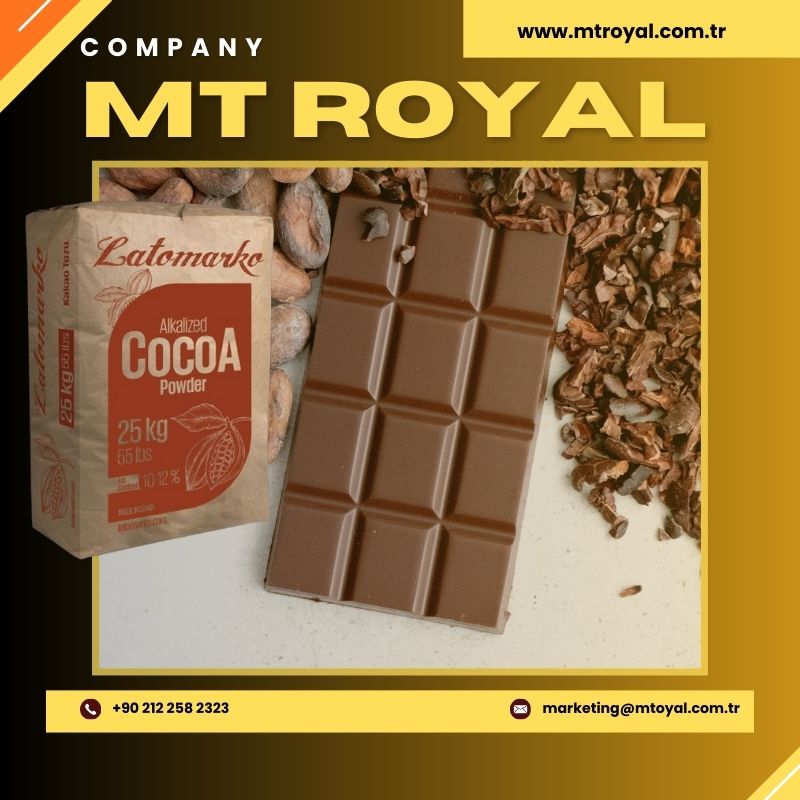
Afghanistan’s confectionery and chocolate production sector has seen steady growth, fueled by rising domestic demand and a push for quality chocolate products. At the core of this production is alkalized cocoa powder, a versatile ingredient widely used in chocolate, baked goods, and beverage applications.
For factory owners, production managers, and procurement officers, sourcing reliable alkalized cocoa powder is more than a simple purchase—it is a strategic decision impacting product quality, manufacturing efficiency, and cost management. This article explores the supply landscape, operational considerations, and practical strategies to ensure your factory benefits from high-quality cocoa powder imports.
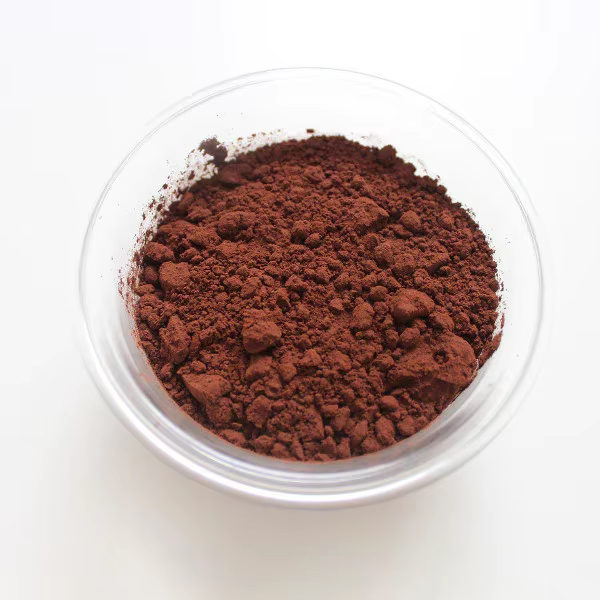
Alkalized, or “Dutched,” cocoa powder undergoes a process where natural cocoa solids are treated with an alkalizing agent to neutralize acidity. This treatment alters the powder’s color, flavor, and solubility, producing a smoother, darker cocoa with reduced bitterness.
Industrial Advantages of Alkalized Cocoa Powder:
- Enhanced color: Produces deep brown chocolate and beverage applications.
- Improved solubility: Facilitates uniform mixing in chocolate, bakery, and beverage formulations.
- Consistent flavor: Reduces natural acidity and bitterness, making flavor profiles predictable.
- Extended shelf life: Alkalization stabilizes cocoa solids, improving storage and handling.
For large-scale chocolate manufacturers, these attributes translate into more consistent production, predictable product quality, and efficient processing on factory lines.
Import Trends in Afghanistan
Afghanistan relies on imports to meet demand for processed cocoa ingredients, including alkalized cocoa powder. Understanding import trends helps industrial buyers anticipate supply fluctuations, pricing changes, and logistics challenges.
Key Observations:
- Primary Export Sources: Cocoa powders are predominantly imported from West Africa, Europe, and select Asian suppliers. European suppliers, particularly Spanish brands like Latamarko, are highly valued for their stringent quality control and consistent properties.
- Seasonal Price Fluctuations: Cocoa raw material prices are tied to global harvest cycles, shipping costs, and international market dynamics. Factories should plan for lead times and budget accordingly.
- Growing Local Demand: Chocolate manufacturers in Kabul, Herat, and other major cities are expanding capacity, increasing the need for high-quality, stable cocoa powder imports.
In our experience supplying production facilities across the region, planning and securing reliable suppliers before peak demand is critical to prevent production downtime and maintain competitive quality.
Why Supplier Selection Matters
Choosing the right supplier goes beyond price. Inconsistent cocoa powder can disrupt mixing, coating, and baking processes, resulting in batch variability, increased scrap, and operational inefficiencies.
Key Factors:
- Consistency in alkalization: Variations can affect color and taste uniformity.
- Particle size distribution: Fine, uniform powder ensures smooth processing in mixers and chocolate refining equipment.
- Moisture content: Low moisture reduces caking and microbial risk.
- Traceability and documentation: Essential for quality control, compliance, and export considerations.
MT Royal provides a comprehensive range of cocoa powder brands that meet industrial specifications and regulatory requirements, ensuring Afghan factories maintain production efficiency and product quality.
Industrial Specifications and Considerations
When sourcing alkalized cocoa powder for industrial use, the following specifications are critical:
| Specification | Recommended Range | Industrial Impact |
|---|---|---|
| Cocoa fat content | 10–12% typical | Influences viscosity in chocolate production |
| Particle size | 15–25 microns | Smooth texture, reduces equipment wear |
| pH (alkalization) | 7.0–8.0 | Consistent color and flavor |
| Moisture content | <5% | Minimizes clumping, microbial growth |
| Color intensity | Deep brown | Critical for product appearance |
Premium European suppliers, particularly Latamarko, are known for rigorous quality testing, ensuring that industrial specifications are met consistently.
Step-by-Step Guide for Evaluating Suppliers
- Define Production Needs: Understand desired color, solubility, and flavor profiles.
- Request Technical Samples: Test cocoa powder under real production conditions.
- Check Documentation: Verify Certificates of Analysis (COA), HACCP compliance, and traceability records.
- Assess Delivery Reliability: Confirm lead times and supplier responsiveness for bulk orders.
- Evaluate Total Cost of Ownership: Include shipping, potential wastage, and process efficiency in supplier evaluation.
We’ve seen factories benefit greatly by integrating supplier evaluation metrics into routine procurement processes, reducing variability and downtime.
Common Pitfalls in Cocoa Powder Procurement
- Focusing solely on price rather than quality.
- Assuming all alkalized powders perform the same.
- Neglecting to verify technical documentation or compliance certifications.
- Underestimating lead times or supply chain disruptions.
Addressing these pitfalls proactively ensures consistent production and quality outcomes.
Industrial Tips for Afghan Factories
- Maintain multiple supplier relationships to mitigate supply risks.
- Conduct pilot production trials before bulk approval.
- Use scorecards to monitor supplier performance.
- Share production forecasts with suppliers to secure timely delivery.
- Prioritize suppliers offering technical support and process optimization.
Real-World Examples
- Bakery producer in Kabul: Switching to MT Royal-supplied alkalized cocoa powder reduced mixing time and improved batter consistency.
- Premium chocolate manufacturer: Integration of Latamarko cocoa powder resulted in uniform color and flavor, reducing customer complaints.
These examples demonstrate that supplier choice directly affects operational efficiency, product quality, and customer satisfaction.
FAQs
Q: What is the difference between natural and alkalized cocoa powder?
A: Alkalized cocoa powder has reduced acidity, darker color, smoother flavor, and improved solubility compared to natural cocoa powder.
Q: Why choose European brands like Latamarko?
A: Premium European suppliers provide consistent quality, batch reliability, and detailed technical documentation.
Q: What specifications are most critical for industrial use?
A: Particle size, moisture content, alkalization pH, cocoa fat content, and color intensity.
Q: How can Afghan factories manage import-related risks?
A: Maintain dual suppliers, plan lead times carefully, and conduct regular quality checks.
Strategic Insights for Afghan Manufacturers
Alkalized cocoa powder is more than an ingredient—it is a strategic operational asset. Factories that prioritize premium suppliers, maintain reliable supply chains, and implement rigorous quality monitoring benefit from:
- Reduced production downtime
- Consistent product quality
- Predictable flavor and color profiles
- Efficient process operations
- Lower waste and operational cost
At MT Royal, we supply Afghan manufacturers with a range of trusted cocoa powder brands, ensuring competitive pricing, technical support, and supply chain reliability. When combined with premium options from European suppliers like Latamarko, factories gain confidence in maintaining top-quality chocolate and confectionery production.
Ask yourself: Does your current supplier enable consistent production, or do you spend time troubleshooting variability? Strategic sourcing decisions today shape operational efficiency and long-term growth.
latamarko alkalized cocoa powder lm60
cocoa powder for chocolate production-Best price
Food industry raw materials – list of products
Types of Gelatin from Turkish Manufacturer
The Best Supplier of Alkalized Cocoa Powder in Türkiye



No comment