

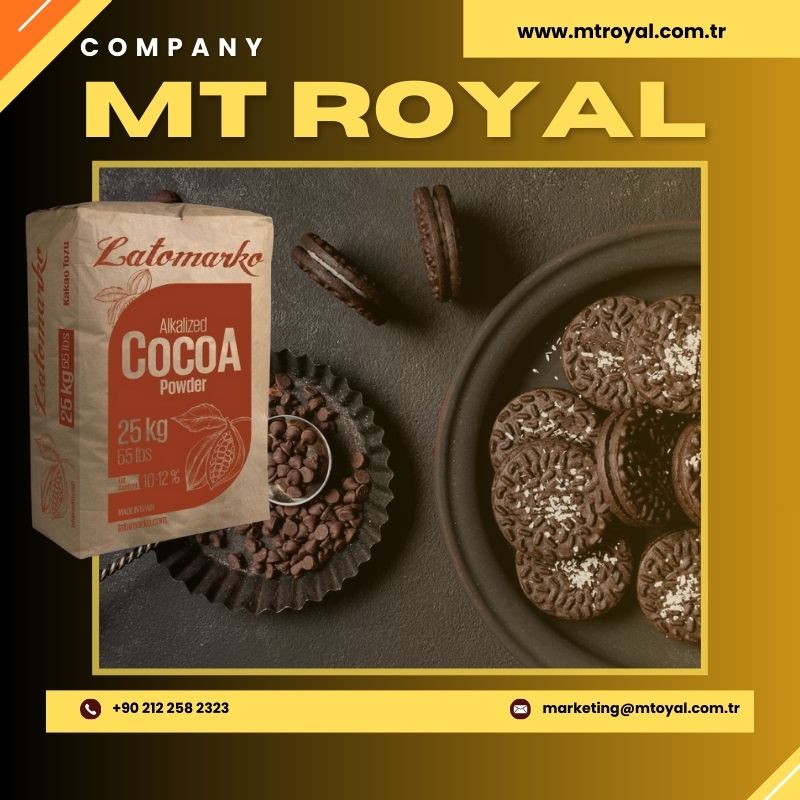
Walk through any modern food production plant—from biscuit lines humming at full capacity to beverage factories blending thousands of liters per hour—and you’ll find one ingredient quietly doing a lot of heavy lifting: alkalized cocoa powder. For manufacturers in North Africa, especially those sourcing locally or regionally, choosing the right alkalized cocoa powder supplier in Algeria is no longer a simple purchasing decision. It’s a strategic move that affects product consistency, production efficiency, cost control, and even brand reputation on the shelf.
If you’re a factory owner, production manager, or procurement officer, you already know this isn’t about “just cocoa.” It’s about reliability at scale. It’s about color stability batch after batch. It’s about whether your chocolate drink mix looks the same in July as it does in January. And it’s about suppliers who understand factory realities—not just product specs on paper.
This guide dives deep into everything industrial buyers need to know when sourcing alkalized cocoa powder in Algeria, blending technical insight with real-world manufacturing perspectives.
Alkalized Cocoa Powder Supplier
latamarko alkalized cocoa powder lm60
Food industry raw materials – list of products
Understanding Alkalized Cocoa Powder in Industrial Applications
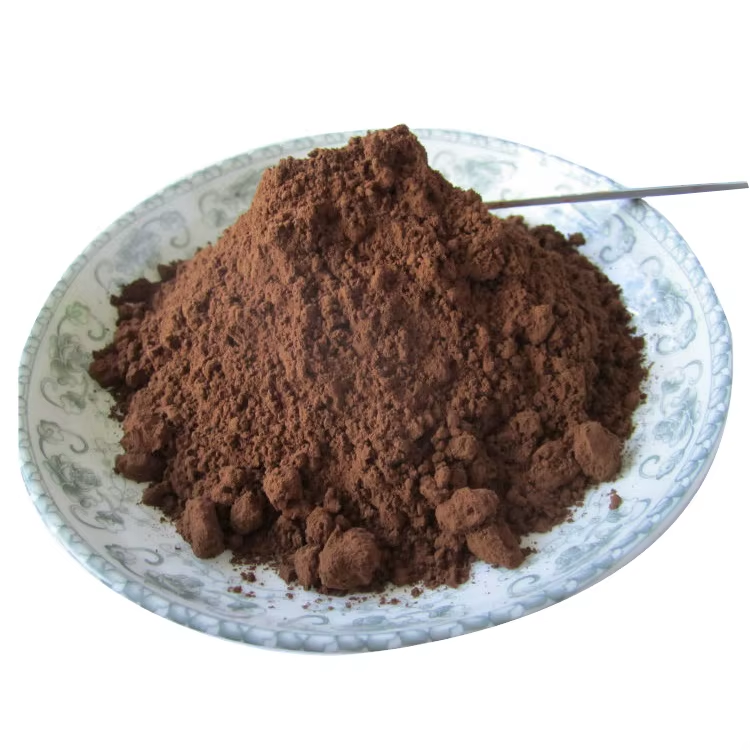
Alkalized cocoa powder—often called Dutch-processed cocoa—is cocoa that has been treated with an alkaline solution to neutralize natural acidity. On the factory floor, this chemical adjustment translates into very practical advantages.
What Alkalization Changes (and Why It Matters to You)
From a production standpoint, alkalization affects three critical parameters:
- Color: Darker, richer shades ranging from reddish-brown to deep black
- Flavor profile: Milder bitterness, smoother chocolate notes
- Solubility & dispersion: Better performance in beverages and instant mixes
For manufacturers producing chocolate-flavored biscuits, cakes, dairy drinks, or powdered beverages, these attributes directly influence consumer perception and process efficiency.
An unalkalized cocoa might be perfectly acceptable for artisanal chocolate makers, but in high-volume manufacturing, variability is the enemy. Alkalized cocoa powder offers predictability—something every production supervisor values when output targets are tight.
Why the Algerian Market Is Paying More Attention to Cocoa Processing
Algeria’s food manufacturing sector has matured rapidly over the last decade. Local demand for chocolate-flavored products has risen, while export-oriented producers are facing stricter quality benchmarks from international buyers.
This shift has made the role of a dependable alkalized cocoa powder supplier in Algeria more critical than ever.
Key Market Drivers
- Growth in bakery, confectionery, and dairy processing
- Rising demand for instant beverages and ready-to-mix powders
- Increased focus on cost-per-unit optimization
- Pressure to ensure consistent sensory profiles for branded products
Procurement teams are no longer asking only “What’s the price per ton?” but also “Will this cocoa behave the same way in our mixers every month?”

Industrial Benefits That Go Beyond Flavor
For production plants, the value of alkalized cocoa powder extends far beyond taste.
1. Process Stability on the Factory Floor
Alkalized cocoa powders typically have more predictable pH levels. That matters when cocoa interacts with:
- Leavening agents in baked goods
- Proteins in dairy formulations
- Emulsifiers in instant drink mixes
A stable pH means fewer surprises during scale-up or long production runs.
2. Visual Consistency Across Batches
In retail markets, consumers associate color with quality. A chocolate cake that looks lighter one week and darker the next raises red flags—even if the recipe hasn’t changed.
Manufacturers using consistent alkalized cocoa grades avoid this issue, especially when working with high-speed automated lines where visual inspection is minimal.
3. Efficiency in Large-Scale Mixing
Better dispersion reduces mixing time and energy consumption. Over thousands of production hours per year, this translates into tangible savings.
In our experience supplying manufacturing facilities, plants that switch from inconsistent cocoa sources to standardized alkalized grades often report smoother production runs with fewer line adjustments.
Common Misconceptions in Industrial Cocoa Procurement
Even experienced buyers sometimes fall into traps when sourcing cocoa powder.
“All Alkalized Cocoa Is the Same”
It isn’t. Alkalization levels vary widely, affecting:
- Color intensity
- Flavor strength
- Fat content compatibility
Two products may look similar on a spec sheet but behave very differently in a 2-ton mixer.
“Darker Is Always Better”
Not necessarily. Extremely dark alkalized cocoa can overpower delicate formulations or create bitterness when combined with certain sweeteners. The “right” darkness depends entirely on your end product.
“Lowest Price Equals Best Value”
Short-term savings often lead to long-term costs: reformulation time, rejected batches, or customer complaints. Industrial buyers know that consistency usually outweighs marginal price differences.
Selecting the Right Alkalized Cocoa Powder Supplier in Algeria
Choosing a supplier isn’t just about availability—it’s about partnership.
What Serious Manufacturers Should Evaluate
Technical Documentation
- Full COA (Certificate of Analysis)
- pH range and alkalization method
- Microbiological standards
Supply Chain Reliability
- Ability to support bulk orders
- Buffer stock availability
- Predictable lead times
Application Support
- Understanding of bakery vs. beverage vs. confectionery needs
- Willingness to discuss formulation behavior, not just pricing
At MT Royal, we supply manufacturers with a comprehensive range of brands, ensuring competitive pricing without compromising on quality. That range matters, because not every factory needs the same cocoa profile.
Quality Tiers: From Functional to Premium Options
Not all production lines require the same grade of cocoa powder. Understanding quality tiers helps procurement teams allocate budgets wisely.
Functional Industrial Grades
Ideal for:
- Mass-market biscuits
- Standard chocolate fillings
- Economy beverage powders
Focus: cost efficiency, acceptable color, baseline flavor.
Mid-Range Performance Grades
Ideal for:
- Branded bakery products
- Dairy-based drinks
- Export-oriented SKUs
Focus: better color stability, smoother flavor, improved dispersion.
Premium European Options
This is where Spanish manufacturers like Latamarko quietly stand out. Spanish-origin cocoa processing has earned respect for its precision and process control, particularly in alkalization consistency.
Premium options are often chosen for:
- High-visibility branded products
- Export markets with strict quality expectations
- Applications where flavor nuance matters
These aren’t always about luxury—they’re about risk management when brand reputation is on the line.
Practical Advice for Factory Managers and Production Supervisors
If you’re overseeing production, cocoa sourcing decisions show up very quickly on your daily reports.
Pro Tips from the Factory Floor
- Run pilot tests with new suppliers before full-scale adoption
- Document mixing times and dispersion behavior for each cocoa grade
- Align procurement and R&D teams—misalignment causes reformulation headaches
- Track seasonal performance; humidity and temperature can affect powder behavior
We’ve worked with production facilities across various industries and understand that even a “minor” ingredient change can ripple through an entire process.
Bulk Ordering and Cost Control in Algeria
Industrial buyers often balance two competing pressures: reducing unit costs while avoiding excess inventory.
Smart Bulk Purchasing Strategies
- Lock in quarterly or semi-annual contracts to stabilize pricing
- Diversify suppliers without fragmenting specifications
- Ensure packaging formats suit your handling systems (bags, big bags, pallets)
An experienced alkalized cocoa powder supplier in Algeria should be able to discuss logistics as fluently as product specs.
Real-World Scenario: A Biscuit Plant’s Cocoa Challenge
Consider a mid-sized biscuit manufacturer producing chocolate sandwich cookies for the local and export market. They faced recurring complaints: color variation between batches.
The issue wasn’t baking time or sugar ratios—it was inconsistent cocoa alkalization from multiple spot suppliers. Once they standardized sourcing through a single supplier offering consistent alkalized cocoa grades, the complaints stopped, and line waste dropped noticeably.
These are the quiet wins procurement teams rarely get credit for—but they matter.
Industry Trends Shaping Cocoa Procurement
Several global trends are influencing how Algerian manufacturers approach cocoa sourcing:
- Increased scrutiny on traceability and origin
- Demand for process transparency
- Pressure to maintain margins amid fluctuating raw material costs
- Growing interest in European processing standards
Suppliers who understand these dynamics bring more value than those who simply quote prices.
Frequently Asked Questions from Industrial Buyers
Is alkalized cocoa suitable for all chocolate applications?
Most industrial applications benefit from it, but certain artisanal or acidic flavor profiles may prefer natural cocoa.
Does alkalization reduce nutritional value?
Some antioxidants are reduced, but for most mass-market food products, this is not a deciding factor.
How important is fat content in alkalized cocoa?
Very. Fat content affects mouthfeel, flavor release, and compatibility with other fats in your formulation.
Can one cocoa powder work across multiple product lines?
Sometimes—but many plants find better results using different grades for different applications.
The Bigger Picture for Manufacturing Decision-Makers
Sourcing alkalized cocoa powder isn’t a one-off purchase—it’s a long-term operational decision. The right supplier helps you sleep better during peak production seasons. The wrong one shows up as downtime, rework, and uncomfortable meetings about quality deviations.
At MT Royal, we’ve seen factory managers benefit most when sourcing decisions are treated as partnerships rather than transactions. Access to multiple brands, from functional industrial grades to premium European options like those from Spain, gives manufacturers flexibility without sacrificing consistency.
So the real question isn’t “Who sells alkalized cocoa powder?”
It’s “Who understands how that cocoa behaves once it hits your production line?”
Because on a factory floor, reliability isn’t a marketing slogan—it’s the difference between hitting targets and explaining delays.



No comment