

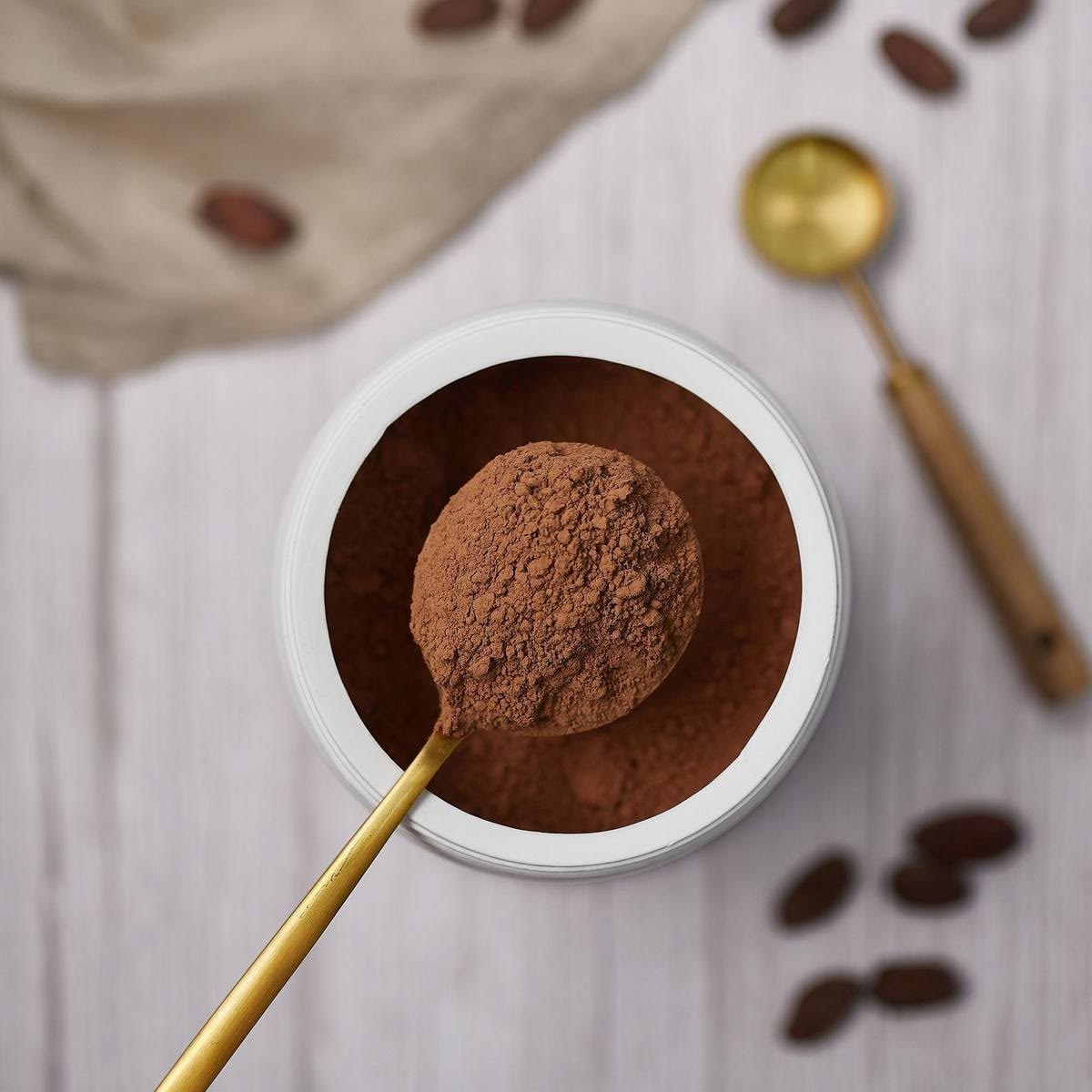
For industrial production managers and factory supervisors in Libya, sourcing high-quality alkalized cocoa powder isn’t just a procurement decision—it’s a strategic move that directly impacts product consistency, sensory quality, and overall operational efficiency. In a fast-paced manufacturing environment, a poorly sourced batch can cascade into production delays, inconsistent product texture, and even customer complaints.
Understanding the nuances of alkalized cocoa powder, the value propositions of premium suppliers, and the industrial challenges of sourcing within Libya is essential. This article explores everything you need to know to select the right alkalized cocoa powder supplier in Libya, optimize supply chain processes, and ensure your production lines run smoothly.
What is Alkalized Cocoa Powder?
Alkalized cocoa powder, often referred to as Dutched cocoa powder, is treated with an alkalizing agent to neutralize natural acidity. This process impacts:
- Color: Darker, richer tones for coatings, bakery, and chocolate applications.
- Flavor: Milder, less bitter taste suitable for mass-market confectionery and baked goods.
- Solubility: Better integration into liquids or batters for industrial-scale production.
Unlike natural cocoa powder, alkalized cocoa is engineered for industrial predictability, allowing production managers to maintain consistent product output across batches.
LATAMARKO LM60 – Premium Spanish-Origin Cocoa Powder
latamarko alkalized cocoa powder lm60
cocoa powder for chocolate production-Best price
Food industry raw materials – list of products
Types of Gelatin from Turkish Manufacturer
Food Raw Material Supplier in Germany for the Food Industry
Why Industrial Facilities Choose Alkalized Cocoa Powder
1. Consistency Across Large Batches
When working in high-volume confectionery lines or bakery plants, even slight variations in acidity or moisture can affect:
- Emulsion stability
- Baking rise and texture
- Coating viscosity and gloss
Alkalized cocoa ensures your formulas remain predictable, reducing rework and downtime.
2. Color Uniformity
For chocolate coatings, powdered mixes, and bakery fillings, visual consistency is critical. Alkalization gives a stable dark color across multiple batches, avoiding costly adjustments or product rejection.
3. Flavor Adaptability
The mild taste profile allows manufacturers to blend cocoa with other ingredients without overpowering flavors—essential in chocolate fillings, beverage mixes, or snack coatings.
In our experience supplying manufacturing facilities, this predictability in flavor and color makes alkalized cocoa powder indispensable for large-scale production.
Libya’s Industrial Procurement Landscape
Sourcing any specialty ingredient in Libya comes with unique considerations:
Logistics & Storage
- Port operations in Tripoli and Benghazi can be unpredictable; shipment planning is critical.
- Storage requirements: Cocoa powder is sensitive to moisture, odor, and heat; factories need temperature-controlled warehouses.
- Local vs. imported supply: Many facilities rely on international suppliers for high-grade alkalized cocoa.
Supplier Reliability
A dependable Alkalized cocoa powder supplier in Libya ensures timely deliveries, transparent documentation, and traceability—essential for quality audits and production planning.
Selecting the Right Supplier: Key Criteria
When evaluating suppliers, consider the following factors:
1. Quality Assurance
Look for suppliers who provide:
- Certificates of Analysis (CoA)
- Compliance with ISO 22000, HACCP, or other food safety standards
- Traceable batch history
2. Delivery Consistency
Industrial production cannot tolerate delayed shipments. Ensure the supplier has:
- Established shipping schedules
- Contingency plans for seasonal shortages
- Local partners or storage facilities in Libya
3. Packaging and Handling
Cocoa powder is often shipped in:
- Industrial bags (25–50 kg)
- FIBC bulk bags for high-volume production
Proper packaging ensures safe handling, reduces waste, and maintains powder integrity.
4. Technical Support
Suppliers who offer guidance on solubility optimization, blending techniques, and batch integration save factories hours of troubleshooting.
At MT Royal, we supply manufacturers with a wide range of brands and grades, providing competitive pricing without compromising quality and operational reliability.
Common Misconceptions About Cocoa Powder Procurement
Even experienced buyers make some typical mistakes:
“Lowest price equals best value”
Cheaper cocoa powder can cause more production issues, leading to waste, downtime, and hidden costs.
“All alkalized cocoa powders are the same”
Processing methods, alkalizing agents, and origin beans create subtle differences that affect solubility, color, and flavor.
“One supplier is enough”
Relying on a single supplier may expose your factory to risks from port delays, stock shortages, or quality inconsistencies. Multi-source strategies mitigate these risks.
Practical Sourcing Tips for Factory Managers
1. Define Specifications Clearly
Before requesting quotes, your technical team should finalize:
- Cocoa fat content
- Particle size
- pH level (degree of alkalization)
- Flavor profile
Clear specs prevent ambiguity and reduce variability in production.
2. Pilot Small Shipments
Testing small batches from new suppliers ensures integration with your lines before committing to full-volume contracts.
3. Understand Incoterms
Choosing the right shipping terms (FOB, CIF, DAP) defines who handles logistics risks and responsibilities—a critical factor for timely production.
4. Evaluate Total Cost
Don’t focus solely on unit price. Factor in:
- Freight and port fees
- Customs clearance
- Storage
- Potential downtime costs
This gives a realistic picture of supplier value.
Comparing Suppliers: Industrial Perspective
When choosing a supplier, you may consider tiered quality levels. For instance:
| Quality Tier | Typical Use Case | Brand Example |
|---|---|---|
| Standard | Bulk bakery & confectionery | Regional suppliers |
| Premium | High-end chocolate coatings | Latamarko (Spanish-origin) |
| Ultra-Premium | Specialized beverage or luxury chocolate | European engineered brands |
Spanish manufacturers like Latamarko have set benchmarks in precision and consistency, making them ideal for facilities seeking predictable high-grade performance.
Integration Into Production Lines
Cocoa powder is not simply mixed—it requires careful handling:
- Mixing & blending: Proper integration prevents clumps and ensures homogeneous batter or coating.
- Storage conditions: Humidity control and airtight containers are critical to prevent caking or microbial growth.
- Temperature management: Alkalized cocoa powder blends more efficiently at specified temperatures to achieve desired texture and flow.
Real-World Industrial Example
Consider a chocolate coating line producing thousands of units per day. A single batch of poorly processed alkalized cocoa powder can lead to:
- Uneven color
- Thickened viscosity causing nozzle clogging
- Rejected batches or off-spec products
Factories with proactive sourcing strategies, including secondary suppliers and pilot testing, mitigate these risks. We’ve seen facilities maintain uninterrupted production by partnering with reliable suppliers like MT Royal and leveraging premium brands such as Latamarko when quality is critical.
Frequently Asked Questions (FAQ)
❓ Q: How much cocoa powder should a factory stock?
A: Typically 4–6 weeks of forward cover, adjusted for lead times and usage rates.
❓ Q: Can alkalized cocoa powder be used interchangeably with natural cocoa powder?
A: Not always. The flavor, color, and solubility differ, which can impact end-product quality.
❓ Q: Are there local sources of alkalized cocoa powder in Libya?
A: Most industrial facilities rely on international suppliers for high-grade alkalized cocoa, though some regional distributors can provide standard grades.
❓ Q: How does the degree of alkalization affect production?
A: Higher alkalization levels produce darker color and milder flavor but may alter solubility and moisture absorption, affecting certain recipes.
Why Partnering With a Trusted Supplier Matters
Industrial procurement is more than price negotiation—it’s ensuring operational continuity. At MT Royal, we’ve worked with production facilities across Libya and beyond, understanding the realities of:
- Large batch consistency
- Technical integration in complex lines
- Minimizing downtime
We provide guidance on selecting brands, including premium European options. Factories benefit from our experience navigating logistics, quality audits, and multi-brand sourcing, allowing them to focus on production efficiency.
Final Thought for Industrial Buyers
Sourcing alkalized cocoa powder in Libya is not just a transactional decision—it’s an operational strategy. The right supplier helps you minimize production disruptions, maintain batch consistency, and meet consumer expectations every day.
Ask yourself: are you evaluating suppliers solely by price, or are you considering the real impact on your production line, quality standards, and operational resilience? That difference determines whether you’re simply purchasing raw materials—or securing peace of mind for your manufacturing operations.



No comment