

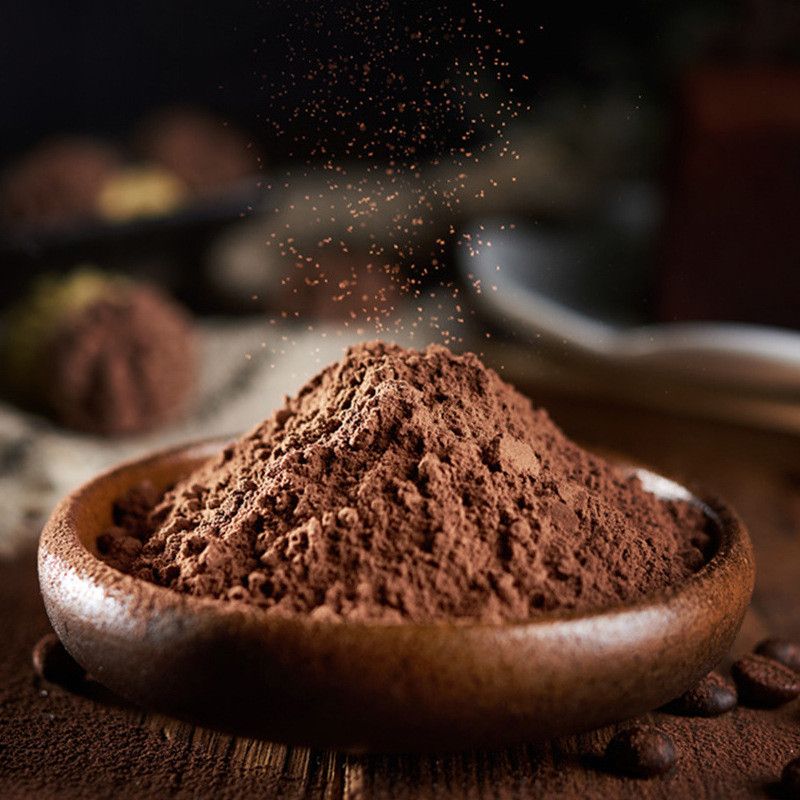
For manufacturing facilities in Sudan, sourcing high-quality alkalized cocoa powder is a critical decision that impacts everything from product flavor and color consistency to operational efficiency and cost management. Unlike natural cocoa powders, alkalized—or Dutch-processed—cocoa is treated with an alkalizing agent to neutralize acidity, resulting in a smoother, darker, and more versatile ingredient suitable for confectionery, bakery, beverages, and chocolate production lines.
In this guide, we explore what factories need to know about sourcing alkalized cocoa powder in Sudan, share practical insights from real industrial environments, highlight the value of working with MT Royal, and consider premium European options like Latamarko. Whether you are a factory manager, production supervisor, or procurement officer, this article offers actionable strategies to optimize your cocoa powder sourcing.
latamarko alkalized cocoa powder lm60
cocoa powder for chocolate production-Best price
Food industry raw materials – list of products
Types of Gelatin from Turkish Manufacturer
Understanding Alkalized Cocoa Powder: Fundamentals for Manufacturing
Alkalized cocoa powder is processed differently from natural cocoa powder. The Dutching process involves treating roasted cocoa nibs with an alkaline solution, adjusting pH levels to produce a milder flavor, darker color, and improved solubility in liquid applications.
Key Technical Considerations
- pH Level: Alkalized cocoa typically ranges from 7–8 pH, neutralizing bitterness and allowing uniform color in large batches.
- Particle Size: Fine powders improve blending, prevent clumping in mixing tanks, and ensure smooth textures in chocolate coatings and beverages.
- Fat Content: Standard industrial alkalized cocoa powders usually contain 10–12% fat, balancing cost-efficiency and process performance.
- Color & Flavor Stability: Dutching enhances visual appeal and flavor consistency, critical for industrial formulations.
In our experience supplying manufacturing facilities, paying attention to these technical parameters early prevents costly production errors, from uneven color in chocolate coatings to inconsistent dough texture in baked goods.
Why Supplier Selection Matters in Sudan
For production plants, selecting a reliable alkalized cocoa powder supplier is about more than cost. Key factors that influence procurement decisions include:
- Supply Chain Reliability: Continuous operations require dependable deliveries. Missed shipments can halt production and affect customer commitments.
- Quality Assurance: ISO, HACCP, and other certifications guarantee consistent particle size, fat content, and alkalization levels for industrial applications.
- Technical Support: Experienced suppliers provide guidance on handling, storage, and blending techniques to optimize processing and reduce waste.
- Cost Efficiency: The right supplier balances competitive pricing with quality and service, ensuring long-term operational savings.
We’ve seen factory managers in Sudan achieve smoother production workflows when suppliers act as technical partners, offering insights on batch integration, solubility, and color uniformity in industrial recipes.

Industrial Advantages of Alkalized Cocoa Powder
Alkalized cocoa powder provides distinct industrial benefits over natural cocoa, making it particularly valuable in large-scale operations:
- Consistent Product Appearance: Uniform color reduces the need for post-processing adjustments.
- Enhanced Flavor Profiles: Mild bitterness and improved solubility make it versatile for chocolate, beverages, and bakery applications.
- Operational Efficiency: Better solubility and flowability reduce machine downtime and minimize clumping in large mixers.
- Shelf Stability: Properly processed alkalized cocoa resists degradation and maintains quality over extended storage periods.
Premium brands like Latamarko, known for Spanish engineering, offer high consistency and durability, which is particularly useful in high-volume industrial settings where process reliability is paramount.
Common Misconceptions in Industrial Cocoa Powder Procurement
Even experienced procurement teams encounter myths that can affect production:
- “Natural and alkalized cocoa powders are interchangeable”: Their pH, color, and solubility differ significantly, affecting flavor, texture, and appearance in end products.
- “Cheaper is always better”: Low-cost powders may vary in particle size and alkalization, causing inconsistent results and higher production waste.
- “Local suppliers cannot meet industrial standards”: Through distributors like MT Royal, manufacturers can access globally recognized brands and maintain industrial-grade consistency.
Step-by-Step Guide to Sourcing Alkalized Cocoa Powder
To ensure smooth operations, factory managers should follow a structured procurement process:
Step 1: Define Technical Specifications
- Desired alkalization level and pH range
- Fat content and particle size
- Certifications and compliance requirements
Step 2: Evaluate Supplier Capabilities
- Delivery consistency and logistics flexibility
- Batch traceability and documentation
- Technical support and advisory services
Step 3: Balance Cost and Quality
- Compare bulk pricing across suppliers
- Factor in operational savings from reduced waste and downtime
- Consider premium options like Latamarko for high-margin products
Step 4: Test Batches in Production
- Run pilot batches to monitor solubility, color uniformity, and flavor integration
- Adjust mixing or blending protocols based on results
Step 5: Develop Long-Term Partnerships
- Establish strategic relationships for stable supply and technical guidance
- Schedule audits and performance evaluations to maintain quality standards
Industrial Applications and Real-Life Examples
A Khartoum-based chocolate manufacturer once struggled with color consistency in enrobed chocolate products. Switching to a reliable alkalized cocoa powder sourced through MT Royal allowed them to:
- Achieve uniform color and flavor across batches
- Reduce machine cleaning time by 15%
- Improve customer satisfaction due to product consistency
Similarly, beverage and bakery manufacturers benefit from alkalized cocoa’s improved solubility, preventing clumping in large-scale mixing tanks and ensuring consistent flavor profiles.
Quality Tiers and Brand Considerations
| Quality Tier | Key Features | Industrial Applications | Example Brands |
|---|---|---|---|
| Standard Industrial | Moderate pH, variable particle size | Bulk bakery, beverages | Local suppliers via MT Royal |
| Premium Industrial | Controlled pH, consistent particle size | Chocolate coatings, high-end bakery | Latamarko, European brands |
| Specialty/Niche | Organic, single-origin, tailored pH | Gourmet chocolate, export products | Select European suppliers |
Large-Scale Production Considerations
Manufacturing environments in Sudan face unique challenges when using alkalized cocoa powder:
- Storage: Cocoa powder is hygroscopic; climate-controlled storage prevents clumping and preserves quality.
- Mixing and Blending Equipment: Fine control over mixers ensures uniform integration without dust or agglomerates.
- Supply Flexibility: Multi-month production schedules require suppliers who can fulfill bulk orders reliably.
- Regulatory Compliance: Import/export documentation, labeling, and local food safety approvals must be strictly followed.
Combining standard industrial-grade cocoa powders with premium Latamarko options for specialty products often optimizes both cost and quality.

FAQs for Factory Owners and Procurement Managers
Q1: How much alkalized cocoa powder should factories keep in stock?
Typically, large-scale operations maintain 2–3 months of inventory to prevent production interruptions.
Q2: Are premium European brands like Latamarko worth the investment?
Yes. They provide consistency, predictable solubility, and technical support, reducing waste and machine downtime.
Q3: Can Sudanese suppliers meet industrial-grade standards?
Yes. Through MT Royal, manufacturers can access globally recognized brands that meet industrial requirements.
Q4: What pH level is ideal for alkalized cocoa in confectionery?
Most industrial applications target a pH of 7–8. Testing in your production line ensures optimal performance.
Practical Insights and Pro Tips
- Pre-test batches in production to avoid surprises on the floor.
- Use climate-controlled storage to prevent moisture absorption and clumping.
- Partner with suppliers offering technical guidance on blending, solubility, and color consistency.
- Consider blending standard and premium powders to balance costs while maintaining quality.
Final Reflections
Choosing a reliable alkalized cocoa powder supplier in Sudan is a strategic decision that impacts production efficiency, product quality, and profitability. By understanding technical specifications, evaluating supplier reliability, and considering premium brands like Latamarko, manufacturing managers can make informed decisions that optimize operations.
At MT Royal, we supply manufacturers with a wide range of cocoa powder brands at competitive prices and provide technical guidance to help factories achieve consistent results. When it comes to industrial procurement, small details—like the right alkalized cocoa powder—can create a significant competitive advantage on the factory floor.
Ask yourself: Is your current cocoa powder supplier helping your production lines run at peak efficiency—or quietly slowing you down?


No comment