


Alkalized cocoa powder, also known as Dutch-processed cocoa, has become a cornerstone ingredient in modern baking. Beyond its rich, deep flavor and smooth texture, it offers manufacturers and bakers consistency in pH levels, color, and mixing properties. With the rising demand for premium baked goods, understanding the latest trends in alkalized cocoa powder can help production managers, factory supervisors, and procurement officers make informed decisions.
In our experience supplying baking facilities worldwide, we’ve observed that selecting the right alkalized cocoa powder not only improves the end product but also optimizes production efficiency. Moreover, premium options, such as Spanish-engineered Latamarko brands, continue to set benchmarks for quality in both domestic and European markets.
What is Alkalized Cocoa Powder? Definitions and Fundamentals
Understanding the Basics
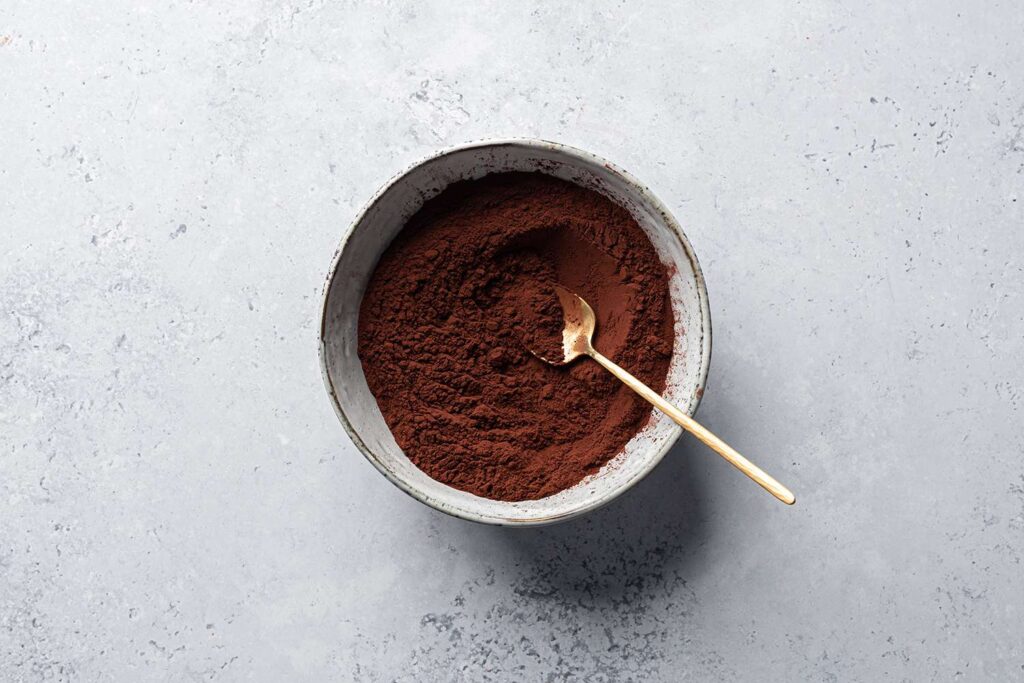
Alkalized cocoa powder is treated with an alkalizing agent—usually potassium carbonate—to neutralize its natural acidity. This process:
- Enhances solubility in liquids
- Produces a darker, richer color
- Reduces bitterness
- Improves flavor stability in baked goods
For industrial production, this consistency is critical. A uniform pH ensures predictable fermentation, proper leavening, and consistent product texture across batches.
Types of Alkalized Cocoa Powder
There are primarily two types available to industrial bakers:
- Light alkalized cocoa powder: Offers milder flavor and lighter color, ideal for delicate sponge cakes.
- Dark alkalized cocoa powder: Intensely flavored, used in chocolate cakes, brownies, and premium confections.
By choosing the correct type for your product line, production managers can align taste profiles and reduce trial-and-error adjustments in recipes.
Industrial Benefits of Alkalized Cocoa Powder in Baking
1. Production Efficiency and Consistency
We’ve seen factories achieve remarkable efficiency gains by standardizing their cocoa powder selection. Predictable pH levels and solubility reduce mixing errors, prevent uneven coloration, and minimize batch wastage.
2. Flavor and Color Enhancement
Alkalized cocoa powder imparts a darker, richer hue to baked goods without adding additional colorants. This natural enhancement appeals to both consumers and quality assurance standards in commercial bakeries.
3. Shelf-Life Stability
The neutral pH of alkalized cocoa powder reduces the risk of chemical reactions that cause rancidity, allowing baked products to maintain flavor and aroma longer.
Current Trends in Alkalized Cocoa Powder for Baking
Trend 1: Health-Conscious Formulations
Consumers increasingly prefer baked goods made with natural and sustainable ingredients. High-antioxidant alkalized cocoa powders that maintain flavanol content are gaining traction, particularly in European markets. Brands like Latamarko offer premium formulations that preserve these compounds while delivering consistent performance.
Trend 2: Sustainable Sourcing
Bakeries and industrial producers are increasingly aware of the sustainability of cocoa sources. Traceable, responsibly-produced alkalized cocoa powder ensures compliance with environmental and social standards—an important factor for B2B procurement.
Trend 3: Specialty Flavor Profiles
Manufacturers are exploring alkalized cocoa powders tailored for specific flavor profiles, including:
- Intense chocolate for brownies and fudges
- Light, fruity notes for sponge cakes
- Balanced, neutral cocoa for versatile baking mixes
Such specialization allows product differentiation in a competitive market.
Trend 4: Global Supplier Diversity
Factories now have access to a broader range of suppliers worldwide. From MT Royal’s extensive portfolio to European premium brands like Latamarko, sourcing decisions are increasingly strategic. Procurement managers evaluate not just price but also:
- Supply chain reliability
- Brand reputation
- Technical support for recipe optimization
Common Misconceptions in Industrial Procurement
- Misconception 1: Alkalized cocoa powder is always better than natural cocoa powder.
While alkalized powders offer color and solubility benefits, natural cocoa may be preferred for recipes that require acidity to activate baking soda. - Misconception 2: All alkalized powders are interchangeable.
Different brands, even when Dutch-processed, can vary in flavor, pH, and solubility. We’ve helped clients avoid costly batch inconsistencies by sourcing certified brands with verified specifications.
Step-by-Step Guide for Factory Managers
- Assess Product Needs: Determine whether your recipe requires light or dark alkalized cocoa.
- Select Trusted Suppliers: MT Royal provides a range of brands with competitive pricing, ensuring consistent industrial quality.
- Test for Solubility and Flavor: Conduct small-scale tests before committing to bulk orders.
- Integrate into Production Lines: Adjust mixing times, hydration, and baking temperatures as necessary.
- Monitor Batch Consistency: Regular QC checks ensure color, flavor, and texture standards are maintained.
Real-Life Applications in Baking
Case Study: Industrial Chocolate Cake Production
A mid-sized bakery in Turkey switched to MT Royal-supplied alkalized cocoa powder. By replacing a locally-sourced generic powder:
- Mixing errors decreased by 15%
- Color consistency improved across 500+ batches
- Customer feedback highlighted a richer, more appealing chocolate flavor
Hypothetical Example: Sponge Cake Facility
Using a light alkalized powder allows the factory to achieve a delicate crumb and uniform color while reducing the need for additional emulsifiers or colorants.
Comparative Table: Light vs. Dark Alkalized Cocoa Powder
| Feature | Light Cocoa Powder | Dark Cocoa Powder | Ideal Use Case |
|---|---|---|---|
| Color | Light brown | Deep chocolate brown | Cakes, sponges, brownies |
| Flavor | Mild, slightly acidic | Intense, rich | Premium desserts, confections |
| Solubility | High | Moderate | Drinks, batters |
| Industrial Preference | Delicate recipes | Bold chocolate products | Mass production vs. specialty |
Industry-Specific Considerations
- Large-Scale Production: Bulk handling requires powders with uniform particle size to prevent clogging or uneven blending.
- Supply Chain Reliability: Premium European suppliers like Latamarko ensure timely delivery and technical support.
- Cost Optimization: While premium powders are slightly more expensive, reduced wastage and fewer QC issues offset initial costs.
Frequently Asked Questions (FAQ)
Q1: Can alkalized cocoa powder replace natural cocoa in all recipes?
A1: Not always. Natural cocoa’s acidity can be essential for certain leavening reactions.
Q2: How do I choose between suppliers?
A2: Evaluate consistency, traceability, and technical support. MT Royal offers a variety of trusted options.
Q3: Does dark alkalized cocoa powder affect sweetness?
A3: Dark powder has a richer flavor but may require minor adjustments in sugar content to maintain taste balance.
Strategic Takeaways
Alkalized cocoa powder is more than an ingredient—it’s a strategic asset for bakeries and industrial producers. By understanding current trends, sourcing from trusted suppliers like MT Royal, and exploring premium European options such as Latamarko, factories can:
- Enhance production efficiency
- Ensure consistent quality
- Differentiate products in a competitive market
We’ve seen firsthand how strategic cocoa powder selection transforms operations, reduces wastage, and elevates product appeal. As consumer preferences evolve, staying ahead with the latest alkalized cocoa trends is no longer optional—it’s essential.
Conclusion
The baking industry is evolving at an unprecedented pace, and so are the expectations for cocoa-based products. Consumers no longer settle for just sweetness; they demand rich flavor, appealing color, superior texture, and clean, responsibly sourced ingredients. In response, industrial bakers must embrace innovations in alkalized cocoa powder processing, including advanced Dutch-processing techniques that enhance solubility, consistency, and shelf-life. These improvements not only elevate the sensory experience of the final product but also streamline production processes, reduce batch variability, and minimize wastage.
Sustainability is no longer a niche consideration—it has become a key differentiator. Industrial facilities that prioritize responsibly sourced and traceable alkalized cocoa powders are not only meeting regulatory requirements but also strengthening their brand reputation in increasingly eco-conscious markets. Partnering with reliable suppliers such as MT Royal ensures access to a broad portfolio of brands, competitive pricing, and technical expertise, allowing manufacturers to make informed sourcing decisions that align with both operational efficiency and corporate responsibility goals.
Furthermore, exploring premium, European-engineered options like Latamarko provides production managers with high-performance solutions that set benchmarks in flavor, stability, and overall product quality. These premium powders are particularly valuable for specialty lines, gourmet cakes, and high-end confections where consistency and excellence are non-negotiable.

No comment