

In modern agro-industrial operations, selecting the right raw materials is pivotal for productivity, quality, and cost-efficiency. Ammonium bicarbonate for agro and industrial use has emerged as a versatile, reliable, and cost-effective solution for a wide range of applications. From large-scale fertilizer production to industrial chemical processes, this compound supports efficiency, uniformity, and regulatory compliance. At MT Royal, we have seen firsthand how sourcing high-quality ammonium bicarbonate ensures consistent performance across multiple industries while providing a competitive edge in both cost and quality.
This guide offers an in-depth look at the benefits, applications, procurement strategies, and technical considerations of ammonium bicarbonate in agro and industrial sectors, empowering decision-makers to make informed choices for large-scale operations.
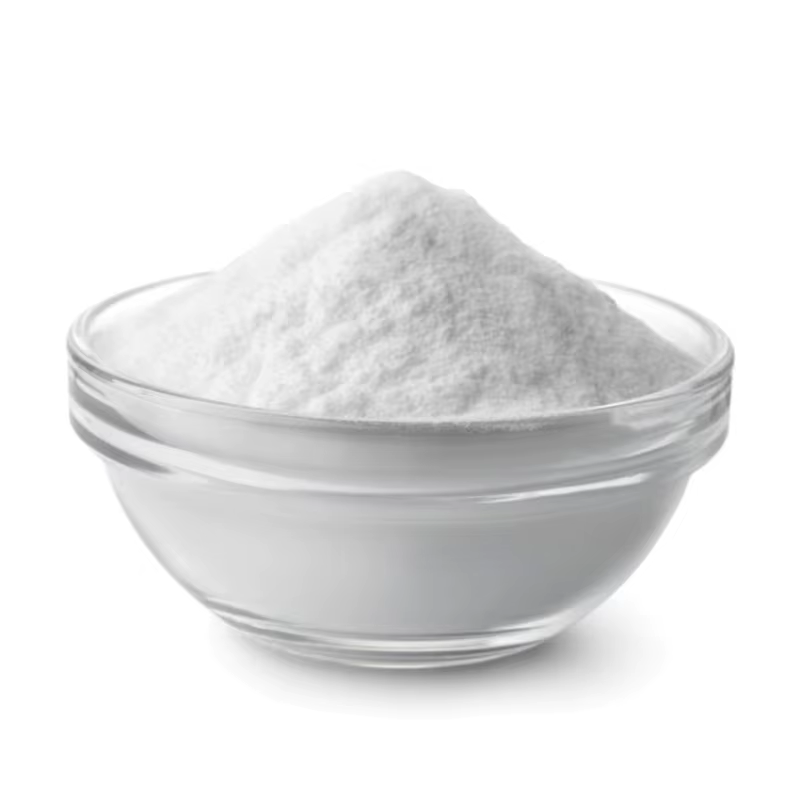
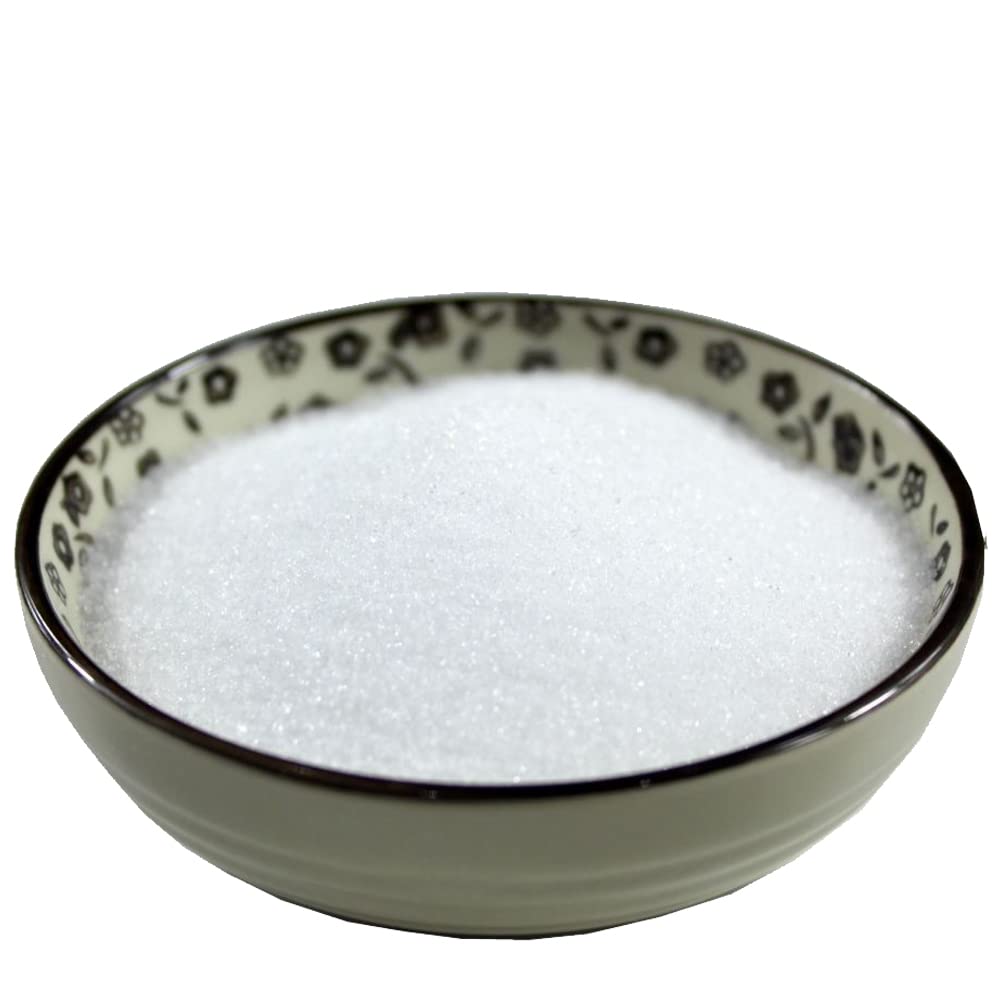
Ammonium bicarbonate (NH₄HCO₃) is a white crystalline substance that serves as a multi-purpose chemical. In agro-industrial contexts, it is valued for its ability to decompose into ammonia, carbon dioxide, and water under heat or moisture conditions. This property allows it to act as a leavening agent in some industrial baking applications, a nitrogen source in fertilizers, and a chemical intermediate in other industrial processes.
Key Benefits for Agro and Industrial Use:
- Nitrogen Source for Fertilizers: Ammonium bicarbonate releases ammonia, enriching soil with plant-available nitrogen, essential for crop growth.
- Industrial Reactant: Its decomposition properties are utilized in chemical manufacturing and pH control applications.
- Environmental Advantages: Properly applied, it decomposes without leaving harmful residues, minimizing environmental impact.
- Cost Efficiency: Compared to other nitrogenous compounds, it provides a balance of performance and affordability for large-scale operations.
Agro Applications
Fertilizer Production
Nitrogen is a critical nutrient for crop growth, and ammonium bicarbonate is a readily available nitrogen source. It is commonly incorporated into:
- Compound fertilizers for wheat, maize, rice, and other cereal crops.
- Custom fertilizer blends for precision agriculture, enhancing soil fertility while minimizing runoff.
By choosing certified, high-purity ammonium bicarbonate from MT Royal, agribusinesses ensure predictable nitrogen content, consistent soil absorption, and compliance with agricultural regulations.
Soil Conditioning
Ammonium bicarbonate can help regulate soil pH when used in conjunction with other soil amendments. Its decomposition releases ammonia, which can temporarily increase alkalinity in acidic soils, supporting optimal crop growth.
Advantages Over Other Nitrogen Sources
| Property | Ammonium Bicarbonate | Urea | Ammonium Nitrate |
|---|---|---|---|
| Nitrogen Content | Moderate | High | Moderate |
| Solubility | High | High | Moderate |
| Soil Impact | Mild pH adjustment | Can acidify soil | Stable |
| Environmental Risk | Low if used properly | High runoff potential | Explosive risk during storage |
| Cost Efficiency | Competitive | Moderate | High |
Industrial Applications
Ammonium bicarbonate is not confined to agriculture. Its versatile chemical properties make it valuable for various industrial uses:
Chemical Manufacturing
- pH Regulation: Its decomposition can be harnessed to adjust pH levels in industrial processes.
- Intermediate Production: Used in the synthesis of ammonium salts and other chemical compounds.
Food Industry
While primarily an agro-chemical, ammonium bicarbonate also serves as a leavening agent for baked goods such as crackers and biscuits. Industrial facilities benefit from its rapid gas release, which ensures uniform dough expansion and consistent product texture.
Waste Treatment
Ammonium bicarbonate can act as a buffer or neutralizing agent in wastewater treatment, supporting compliance with environmental discharge standards.
latamarko alkalized cocoa powder lm60
cocoa powder for chocolate production-Best price
Food industry raw materials – list of products
Types of Gelatin from Turkish Manufacturer
Alkalized Cocoa Powder Bulk Supplier
Common Mistakes in Industrial and Agro Procurement
Even seasoned buyers encounter pitfalls that affect performance, efficiency, or compliance:
- Focusing Solely on Price: Low-cost products may compromise purity, particle size, or moisture content.
- Ignoring Storage Conditions: Ammonium bicarbonate absorbs moisture readily, which can lead to caking or reduced effectiveness.
- Skipping Certification Verification: Non-certified material can lead to regulatory issues or inconsistent industrial performance.
- Overlooking Supplier Reliability: Disruptions in supply chains can halt production or affect seasonal fertilizer availability.
- Inadequate Handling Protocols: Improper handling may lead to material degradation or safety hazards in industrial facilities.
We have observed that factories and agribusinesses sourcing from MT Royal consistently avoid these issues due to certified supply, technical support, and proper packaging for both bulk and industrial storage.
Industrial Tips for Large-Scale Production
Storage and Handling
- Maintain dry, ventilated storage environments to prevent moisture uptake.
- Use moisture-resistant, sealed packaging for bulk deliveries.
- Rotate stock to ensure older batches are used first.
Optimal Dosage
- Agriculture: Typically 10–20 kg per hectare, depending on soil conditions and crop type.
- Industrial Processes: Adjust based on chemical reaction requirements, ensuring controlled ammonia release and reaction efficiency.
Integration into Production Lines
- For industrial applications, ensure automated feeders and mixers are calibrated for uniform distribution.
- Conduct periodic quality checks to monitor purity, particle size, and moisture content.
By following these protocols with MT Royal’s ammonium bicarbonate, production facilities minimize waste, ensure consistent performance, and optimize operational efficiency.
Frequently Asked Questions
Q: Is ammonium bicarbonate safe for large-scale agricultural use?
A: Yes, when applied according to agronomic guidelines and safety standards. Properly sourced, high-purity ammonium bicarbonate poses minimal environmental risks.
Q: Can it replace urea in fertilizers?
A: It can serve as a partial replacement, providing nitrogen while offering additional pH regulation benefits. Complete substitution depends on crop requirements and soil conditions.
Q: How should industrial facilities handle ammonium bicarbonate?
A: Keep it in dry, ventilated areas, avoid exposure to heat and moisture, and ensure proper PPE during handling.
Q: Does sourcing from MT Royal ensure consistent quality?
A: Absolutely. Our certified supply ensures ISO- and HACCP-compliant ammonium bicarbonate with consistent particle size, purity, and moisture control.
Comparison: Agro vs. Industrial Use
| Feature | Agro Use | Industrial Use |
|---|---|---|
| Primary Function | Nitrogen source for crops | Chemical intermediate, pH regulator, leavening agent |
| Purity Requirement | Moderate to high | High, ISO-certified recommended |
| Dosage | kg/ha range | Process-specific based on reactions |
| Storage Sensitivity | Moderate | High – moisture and heat sensitive |
| Packaging | Bulk bags for field use | Multi-layer, sealed for industrial supply |
Both sectors benefit from certified, high-purity ammonium bicarbonate, with MT Royal ensuring that each batch meets the required standards for consistent results.
Strategic Benefits of Partnering with MT Royal
- Reliable Supply: Bulk and industrial-grade ammonium bicarbonate ensures uninterrupted production and agricultural operations.
- Competitive Pricing: Türkiye-sourced material offers cost advantages without sacrificing quality.
- Technical Guidance: Support in storage, handling, and integration for both agro and industrial applications.
- Regulatory Compliance: ISO, HACCP, and food-grade certifications facilitate market access and audit compliance.
- Operational Efficiency: Consistent quality reduces production waste and optimizes crop or industrial output.
We have seen factories and agribusinesses improve operational consistency and product quality by integrating MT Royal’s ammonium bicarbonate into their workflows, whether in chemical processing plants or large-scale farms.
Industrial and Agro Trends
- Sustainability: Demand for environmentally friendly nitrogen sources is increasing. Ammonium bicarbonate decomposes without leaving toxic residues, making it a sustainable choice.
- Automation: Large-scale facilities increasingly require automated dosing systems compatible with bulk ammonium bicarbonate.
- Export Opportunities: Certified material from Türkiye meets international standards, facilitating global trade in agrochemicals and industrial products.
Being aware of these trends allows buyers to plan procurement and production strategies that maximize both efficiency and market competitiveness.
Conclusion
For industrial and agricultural sectors, high-quality ammonium bicarbonate is more than a raw material—it is a strategic asset. By sourcing from MT Royal, manufacturers and agribusinesses gain access to certified, reliable, and competitively priced ammonium bicarbonate that ensures consistent results, operational efficiency, and compliance with industry standards.
Whether for nitrogen supplementation in crops, chemical processing, or industrial applications, leveraging the advantages of MT Royal’s supply transforms ammonium bicarbonate from a commodity into a cornerstone of production reliability and profitability.



No comment