

In industrial food production, some ingredients work quietly in the background yet determine whether a product succeeds or fails in the market. Ammonium bicarbonate is one of those ingredients. For biscuit, cracker, and dry bakery manufacturers in Afghanistan, its performance directly affects texture, volume, appearance, and production efficiency. Choosing the right ammonium bicarbonate supplier for Afghanistan is therefore not a minor procurement decision—it is a technical and strategic one.
Factories that work with reliable suppliers such as MT Royal understand that ammonium bicarbonate is not just a leavening agent. It is a process-sensitive raw material that must perform consistently under high temperatures, fast baking cycles, and large-scale production pressures. This article is written to give manufacturers, production managers, and procurement teams a deep, practical understanding of ammonium bicarbonate, how to source it wisely, and how to avoid the costly mistakes that often occur in industrial supply chains.
What Is Ammonium Bicarbonate and Why It Matters in Food Manufacturing
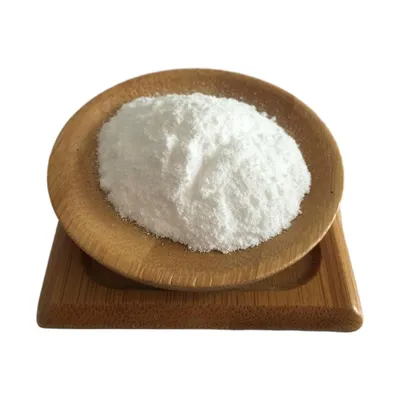
Ammonium bicarbonate is an inorganic chemical compound commonly used as a chemical leavening agent in bakery applications. When exposed to heat, it decomposes rapidly into carbon dioxide, ammonia, and water vapor. This reaction creates internal gas pressure that expands dough or batter, resulting in a light, porous structure.
Unlike baking powder or sodium bicarbonate, ammonium bicarbonate leaves no alkaline residue when fully decomposed. This makes it particularly suitable for low-moisture, thin bakery products where complete evaporation is guaranteed.
For manufacturers searching for an ammonium bicarbonate supplier for Afghanistan, understanding this functional behavior is essential. If the compound does not decompose fully—due to formulation, baking temperature, or ingredient quality—residual ammonia odor can remain, making the product unacceptable.
Key Applications of Ammonium Bicarbonate in Afghanistan’s Food Industry
Biscuits and Cookies
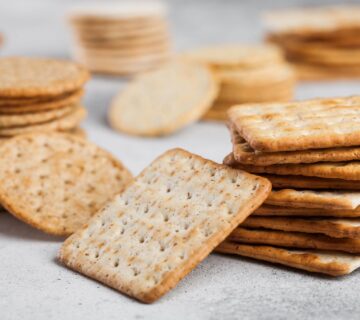
Ammonium bicarbonate is widely used in hard biscuits, crackers, and cookies. It delivers strong leavening action and helps achieve a crisp texture without increasing alkalinity.
Crackers and Dry Snacks
In laminated and fermented cracker doughs, ammonium bicarbonate supports rapid gas release during baking, contributing to even layering and controlled expansion.
Traditional Dry Bakery Products
Many regionally popular dry bakery items rely on ammonium bicarbonate for structure and bite. Its effectiveness under high heat makes it well suited to fast tunnel ovens commonly used in industrial bakeries.
Because these products dominate large segments of Afghanistan’s bakery market, consistent access to high-quality ammonium bicarbonate is a production necessity rather than a convenience.
Why Ammonium Bicarbonate Quality Is Non-Negotiable
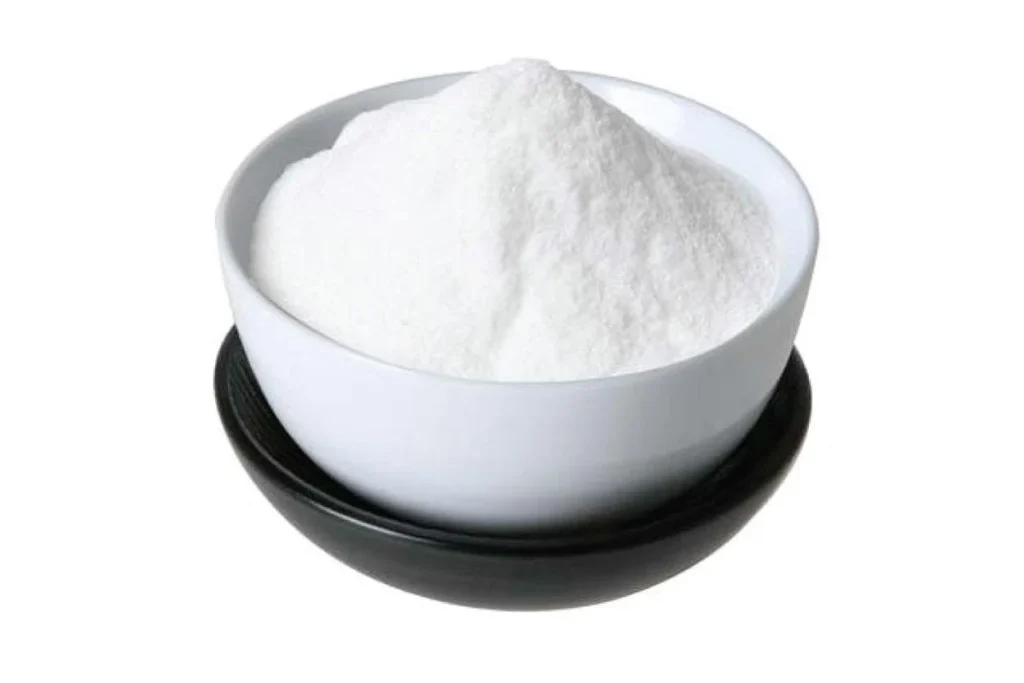
Not all ammonium bicarbonate performs the same way. Variations in particle size, purity, moisture content, and decomposition profile can significantly affect final product quality.
Low-grade material may cake during storage, dissolve unevenly in dough, or release gas too early or too late in the baking process. These issues often appear as surface cracking, uneven texture, or inconsistent volume.
We have seen factories troubleshoot these symptoms at the process level—adjusting mixing time or oven temperature—when the root cause was actually raw material inconsistency. Working with a dependable ammonium bicarbonate supplier for Afghanistan helps eliminate this hidden variable.
Afghanistan-Specific Challenges in Sourcing Ammonium Bicarbonate
Afghanistan’s supply chain environment introduces challenges that magnify the importance of supplier reliability. Long transit times, fluctuating storage conditions, and limited local production increase the risk of quality degradation before the material even reaches your factory.
Ammonium bicarbonate is sensitive to heat and humidity. Improper packaging or prolonged exposure can lead to partial decomposition during storage, reducing leavening strength before use.
This is why professional suppliers like MT Royal prioritize proper packaging standards, batch consistency, and supply planning. The goal is not just delivery, but delivery in usable, predictable condition.
Common Mistakes When Buying Ammonium Bicarbonate
One frequent mistake is treating ammonium bicarbonate as a commodity with no performance differences. Price-driven purchasing often leads to hidden losses in yield, quality, and customer satisfaction.
Another common error is ignoring compatibility with existing formulations. Switching suppliers without adjusting dosage or process parameters can result in under- or over-leavening.
We have also observed factories overlooking storage conditions. Even the best ammonium bicarbonate will fail if stored in hot, humid environments without proper sealing.
Finally, lack of documentation—such as certificates of analysis and food-grade compliance—creates regulatory and audit risks, especially for manufacturers aiming to export.
How to Evaluate an Ammonium Bicarbonate Supplier for Afghanistan
A reliable supplier offers more than product availability. They provide consistency, transparency, and technical understanding.
Key evaluation criteria include:
- Food-grade certification and compliance with international standards
- Consistent purity and controlled particle size
- Stable supply and reliable lead times
- Proper packaging designed for long-distance transport
- Technical guidance on application and dosage
MT Royal operates within this framework, sourcing ammonium bicarbonate from established producers and supplying it with the documentation and consistency required for industrial food manufacturing.
Ammonium Bicarbonate vs Other Leavening Agents
While sodium bicarbonate and baking powder are more familiar to some manufacturers, ammonium bicarbonate offers distinct advantages in specific applications.
It produces stronger gas release, does not leave alkaline residue, and supports crisp textures in dry products. However, it requires precise application and complete thermal decomposition.
Choosing between these agents is not about superiority, but suitability. Experienced suppliers help manufacturers make these decisions based on product type, oven profile, and moisture content.
Industrial Tips for Using Ammonium Bicarbonate Effectively
Uniform distribution during mixing is critical. Poor dispersion leads to localized gas release and uneven structure.
Baking temperature must be sufficiently high to ensure full decomposition. Products with high moisture or low baking temperatures may not be suitable applications.
We have seen that factories conducting small-scale trials before full implementation achieve better results and avoid costly adjustments later.
Storage should be cool, dry, and airtight. Even short-term exposure to humidity can reduce performance.
Frequently Asked Questions from Bakery Managers and Buyers
Does ammonium bicarbonate affect flavor?
When used correctly and fully decomposed, it leaves no flavor or residue.
Is it suitable for all bakery products?
No. It is best for dry, low-moisture products with high baking temperatures.
How long is its shelf life?
Typically 12–24 months when stored properly, depending on packaging and conditions.
Can it be combined with other leavening agents?
Yes. In some formulations, it is used alongside sodium bicarbonate for controlled gas release.
The Role of MT Royal in Supporting Afghan Manufacturers
MT Royal is positioned as a technical supply partner rather than a simple distributor. By offering ammonium bicarbonate from reliable international sources, the company helps manufacturers maintain consistency across batches and seasons.
We have seen that factories working with stable suppliers reduce formulation changes, minimize waste, and achieve more predictable quality outcomes. This is particularly valuable in Afghanistan’s challenging logistics environment.
By combining competitive pricing with dependable supply and application insight, MT Royal supports producers who want control rather than constant correction.
Turning a Simple Ingredient into a Production Advantage
Ammonium bicarbonate may seem like a basic component, but its impact on product quality is significant. When sourced and applied correctly, it enables efficient production, consistent texture, and strong consumer acceptance.
Manufacturers who take a strategic approach—choosing the right ammonium bicarbonate supplier for Afghanistan and aligning ingredient quality with process control—gain an advantage that competitors often overlook.
In industrial baking, success is built on small, precise decisions repeated consistently. Choosing the right ammonium bicarbonate is one of those decisions—and when done right, it quietly supports every batch that leaves your oven.

No comment