


In an era where natural, multifunctional ingredients are becoming central to both food and pharmaceutical manufacturing, apple pectin stands out as a versatile and valuable raw material. Its unique chemical structure allows it to function as both a functional food ingredient and a pharmaceutical excipient, bridging two critical industries that demand consistency, safety, and performance.
At MT Royal, we’ve seen production facilities harness apple pectin’s dual functionality to improve product texture, stabilize formulations, and even enhance health-oriented products. With increasing demand for plant-based, clean-label solutions, understanding apple pectin’s capabilities, applications, and sourcing considerations is more important than ever.
Apple pectin is a soluble dietary fiber extracted from the cell walls of apple pomace, the by-product of juice and cider processing. Its molecular backbone is primarily composed of galacturonic acid units, which can be esterified to varying degrees, determining its gelling properties:
- High Methoxyl (HM) pectin: Forms gels in the presence of sugar and acid.
- Low Methoxyl (LM) pectin: Forms gels in the presence of calcium ions, ideal for low-sugar or low-calorie formulations.
Its natural origin, solubility, and ability to interact with other food and pharmaceutical ingredients make it an indispensable component in industrial applications.
Dual Functionality: Food and Pharma
1. Food Industry Applications
Apple pectin’s versatility in food formulations is remarkable. Here’s how it supports various product categories:
- Thickening and Gelling: Used in jams, jellies, fruit preparations, and confectionery to provide consistent texture and mouthfeel.
- Stabilization: Prevents phase separation in dairy beverages, yogurt drinks, and acidic fruit juices.
- Fiber Enrichment: Adds soluble fiber to functional foods, improving digestive health claims without affecting flavor or appearance.
- Clean Label Ingredient: Plant-based and naturally derived, apple pectin aligns with the growing consumer preference for natural additives.
2. Pharmaceutical Applications
In pharma, apple pectin’s roles extend beyond food-grade functionality:
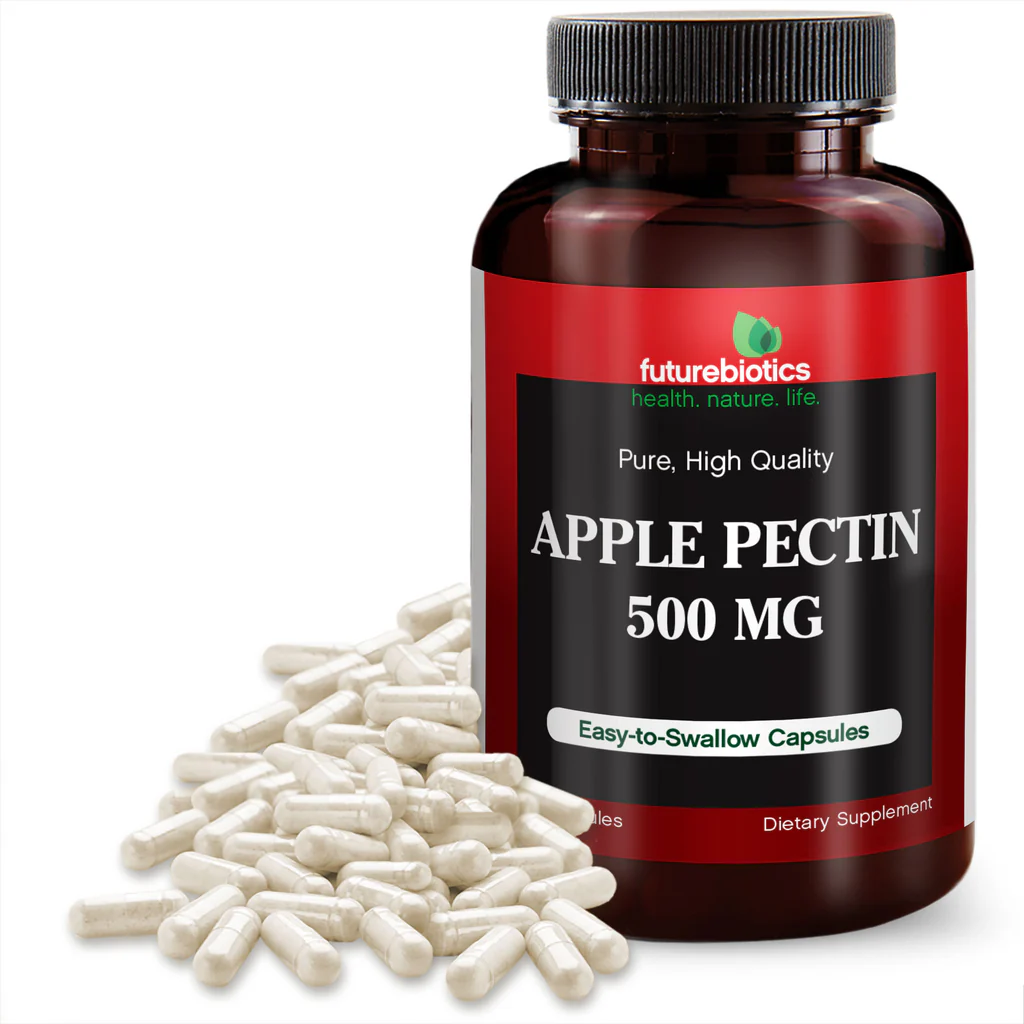
- Excipient for Tablets and Capsules: Acts as a binder, stabilizer, or gelling agent in oral dosage forms.
- Controlled Release Systems: Its gel-forming ability can be utilized in sustained-release formulations for active pharmaceutical ingredients (APIs).
- Dietary Supplements: Used in fiber supplements and nutraceuticals targeting cholesterol management, digestion, and blood sugar regulation.
- Drug Delivery Applications: Apple pectin’s biocompatibility and non-toxicity make it a suitable component in advanced formulations.
Key Benefits of Apple Pectin for Manufacturers
When integrated correctly, apple pectin delivers tangible benefits across production lines:
1. Process Reliability
Consistency is crucial in industrial production. High-quality apple pectin ensures batch-to-batch uniformity, reducing downtime and minimizing product variation.
2. Functional Versatility
Its ability to gel, stabilize, and thicken across both food and pharma matrices makes it a multi-use ingredient, reducing the need for multiple additives.
3. Regulatory Compliance
Apple pectin is widely recognized as safe (GRAS status in the US, E440 in Europe) and aligns with Halal, Kosher, and vegan requirements, simplifying global distribution.
4. Consumer Appeal
In functional foods and supplements, apple pectin’s natural origin and dietary fiber content support marketing claims that resonate with health-conscious consumers.
Industrial Considerations for Large-Scale Production
Scaling formulations with apple pectin requires careful attention to its physicochemical properties and interaction with other ingredients. Here are critical industrial considerations:
- Degree of Esterification: Determines gelling behavior and compatibility with sugars or calcium ions.
- pH Sensitivity: Optimal gelation occurs within specific pH ranges, which must be controlled in acidic beverages or supplement formulations.
- Temperature Management: Excessive heat can degrade pectin chains, impacting gelling capacity and viscosity.
- Interaction with Other Hydrocolloids: Often blended with gums (xanthan, guar, carrageenan) to fine-tune texture, stability, and shelf-life.
Real-Life Manufacturing Insights
In our experience supplying manufacturing facilities, companies that invest time in process optimization with apple pectin consistently see improved yields and fewer rejections:
- Dairy Beverage Example: Low methoxyl apple pectin stabilized protein-rich, calcium-fortified drinks, preventing sedimentation and ensuring smooth pourability.
- Confectionery Example: High methoxyl apple pectin enabled uniform gelation in sugar-reduced gummies without compromising elasticity or shelf stability.
- Pharma Example: Tablets formulated with apple pectin as a binder showed consistent disintegration profiles and reliable active ingredient release.
Premium Supplier Options: Latamarko and MT Royal
While sourcing, quality matters. Spanish engineering, exemplified by Latamarko, delivers apple pectin with exceptional purity, consistent viscosity, and reliable performance for both pharma and food applications. Premium European suppliers like Latamarko ensure that batch-to-batch variability is minimized, which is particularly crucial in pharmaceutical formulations.
At MT Royal, we provide a comprehensive range of brands, including Latamarko and other trusted producers. This allows manufacturers to choose the grade that best matches their specific formulation needs, whether for high-volume jam production, functional beverage stabilization, or pharmaceutical excipients.
Optimizing Pectin Usage in Food and Pharma Applications
1. Hydration Technique
To prevent clumping, apple pectin should be pre-dispersed with sugar or other dry ingredients before adding to water or liquids. Proper hydration ensures uniform consistency and avoids lumps.
2. Calcium and pH Control
For low methoxyl grades, calcium ions are necessary to induce gelation. Over- or under-dosing can negatively impact texture and product stability. Monitoring pH is also critical, as it affects gel strength and solubility.
3. Synergistic Formulation
Combining apple pectin with other hydrocolloids allows fine-tuning of viscosity, gel firmness, and mouthfeel in both beverages and tablet matrices.
4. Dosage Accuracy
Food applications typically require 0.5–1.5% inclusion, while pharmaceutical excipients may use precise ranges tailored to tablet binding or controlled-release functionality. Pilot testing is recommended.
Common Procurement Pitfalls
Manufacturers sometimes overlook critical factors when sourcing apple pectin:
- Assuming Uniformity: Not all apple pectins are created equal. Differences in DE, source material, and processing can affect performance.
- Ignoring Supplier Support: Technical guidance during scale-up is invaluable for achieving desired product characteristics.
- Overlooking Certifications: Halal, Kosher, and pharmaceutical-grade certifications are essential for global markets.
- Focusing Solely on Price: The cheapest option may require higher usage rates or lead to inconsistent product quality, impacting cost-per-unit.
Industry Trends and Insights
The global apple pectin market is expanding, driven by:
- Rising demand for clean-label, plant-based functional foods
- Increased production of low-sugar jams, beverages, and confectionery
- Growth in fiber supplements and nutraceuticals
- Need for multi-functional excipients in pharmaceutical manufacturing
Manufacturers who integrate high-quality apple pectin gain a competitive edge through enhanced product stability, consumer trust, and regulatory compliance.
Frequently Asked Questions (FAQ)
Q1: What makes apple pectin suitable for both food and pharma?
Its natural, soluble fiber structure allows gelation, thickening, and binding across diverse formulations.
Q2: How is apple pectin graded for different applications?
Grades differ by degree of esterification (DE), molecular weight, and source purity, determining gelling behavior, viscosity, and compatibility.
Q3: Can apple pectin be used in sugar-reduced products?
Yes, low methoxyl apple pectin gels in the presence of calcium, enabling reduced sugar formulations.
Q4: Is apple pectin Halal certified?
High-quality apple pectin from MT Royal and selected suppliers comes fully Halal certified, suitable for global markets.
Q5: How does apple pectin interact with other ingredients?
It can be combined with gums, calcium salts, or other stabilizers to optimize texture, gel strength, and stability.
Conclusion
Apple pectin’s dual-use functionality positions it as a strategic asset for both food and pharmaceutical manufacturers. Its versatility allows it to stabilize beverages, thicken confections, enrich fiber content, and serve as a reliable pharmaceutical excipient.
At MT Royal, we support manufacturers by providing high-quality apple pectin, technical guidance, and access to premium suppliers like Latamarko, enabling optimized formulations and consistent production outcomes.
By selecting the right grade and controlling processing parameters, production teams can unlock the full potential of apple pectin, enhancing product quality, operational efficiency, and market competitiveness.

No comment