

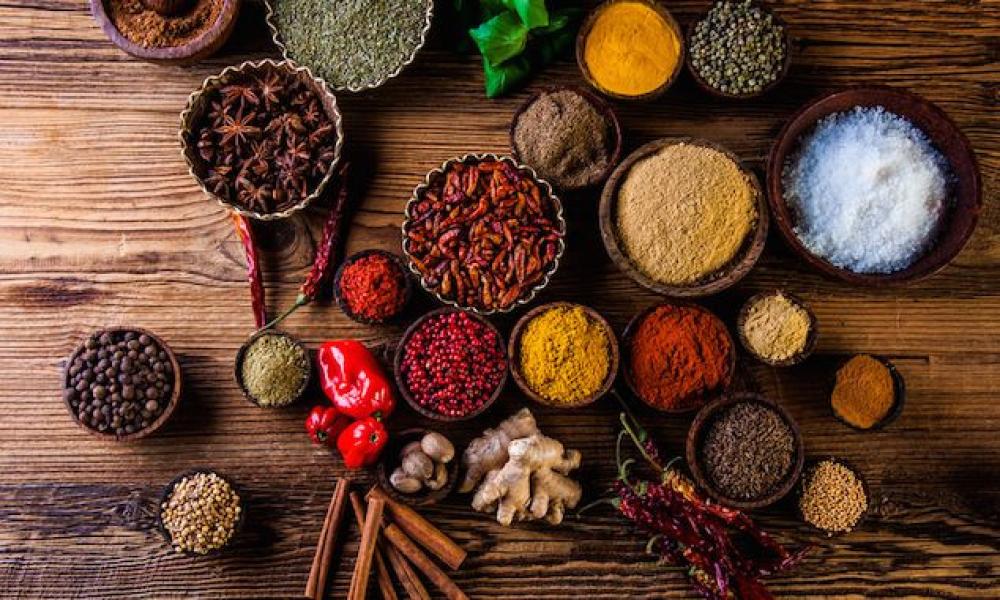
In the fast-growing food and beverage industry of Afghanistan, access to high-quality artificial flavors is crucial for manufacturers seeking to deliver consistent taste, aroma, and overall product appeal. Artificial flavors play a key role in standardizing flavor profiles across batches, reducing reliance on seasonal raw materials, and supporting innovative product development. For distributors and manufacturers, partnering with a trusted supplier like MT Royal ensures not only the supply of premium artificial flavors but also technical guidance, competitive pricing, and a stable logistics network.
This article provides an in-depth exploration of sourcing artificial flavors in Afghanistan, covering technical definitions, supply chain considerations, common mistakes, industrial best practices, and answers to frequently asked questions. By understanding the nuances of artificial flavor supply, Afghan manufacturers can improve product quality, optimize production, and maintain a competitive edge in the local and regional markets.
Understanding Artificial Flavors
Definition and Purpose
Artificial flavors are chemically synthesized compounds designed to replicate the taste and aroma of natural ingredients. Unlike natural extracts, which are derived directly from plants, fruits, or spices, artificial flavors are formulated in laboratories to achieve consistency, stability, and cost-effectiveness. These flavors are widely used in confectionery, bakery, beverages, dairy products, snacks, and processed foods.
Key Advantages for Manufacturers
- Consistency: Artificial flavors maintain uniform taste across batches, regardless of seasonal or geographic variations.
- Cost-Effectiveness: Sourcing artificial flavors often reduces production costs compared to natural alternatives.
- Extended Shelf Life: Chemically stable flavors enhance the longevity of food products without compromising taste.
- Versatility: Available in liquid, powder, and encapsulated forms, they suit various manufacturing processes.
Common Mistakes in Sourcing Artificial Flavors
1. Ignoring Supplier Reliability
Some manufacturers prioritize price over supplier credibility. Inconsistent supply, poor documentation, or substandard quality can lead to production delays and product recalls.
2. Overlooking Regulatory Compliance
Afghanistan’s food and beverage regulations require adherence to labeling, safety, and additive guidelines. Choosing a supplier unaware of local regulations can create legal and market-entry challenges.
3. Neglecting Technical Support
Artificial flavors often require proper blending, dilution, and processing techniques. Suppliers lacking technical expertise may leave manufacturers struggling to optimize product performance.
4. Inadequate Storage Considerations
Artificial flavors can degrade if exposed to heat, light, or moisture. Proper storage recommendations from the supplier are critical to preserving quality.
Selecting the Right Supplier
When sourcing artificial flavors in Afghanistan, manufacturers should evaluate suppliers based on several factors:
Quality Assurance
Ensure the supplier provides certificates of analysis (COA), batch testing results, and adheres to international food safety standards such as ISO 22000 or HACCP.
Product Range
A comprehensive supplier offers a wide array of flavors, including fruit, spice, dairy, and confectionery profiles, enabling flexibility in product development.
Technical Guidance
An ideal partner provides guidance on flavor application, dosage, processing conditions, and product formulation, reducing trial-and-error in production.
Logistics and Supply Stability
Reliable suppliers maintain inventory buffers, offer predictable delivery schedules, and can handle bulk or tailored orders to meet production needs.
Reputation and Experience
Suppliers with a proven track record in serving the regional food industry demonstrate reliability, problem-solving ability, and industry insights.
Industrial Best Practices for Using Artificial Flavors
1. Proper Dosage and Mixing
Overuse of artificial flavors can create overpowering or artificial-tasting products, while underuse may result in weak flavor perception. Precise measurement and thorough mixing are essential.
2. Integration with Other Ingredients
Consider interactions with sugar, fat, acid, or alcohol content in recipes, as these can affect flavor perception. Collaboration with the supplier ensures optimal compatibility.
3. Packaging Considerations
Flavors should be stored in airtight containers, away from light and heat sources. Using amber or opaque packaging helps prevent degradation.
4. Quality Monitoring
Regular sensory evaluation and batch testing maintain product consistency and detect any flavor deviations promptly.
5. Innovation and Customization
Leverage supplier expertise to develop unique flavor combinations that differentiate products in the market and cater to local taste preferences.
latamarko alkalized cocoa powder lm60
cocoa powder for chocolate production-Best price
Food industry raw materials – list of products
Types of Gelatin from Turkish Manufacturer
Alkalized Cocoa Powder Bulk Supplier
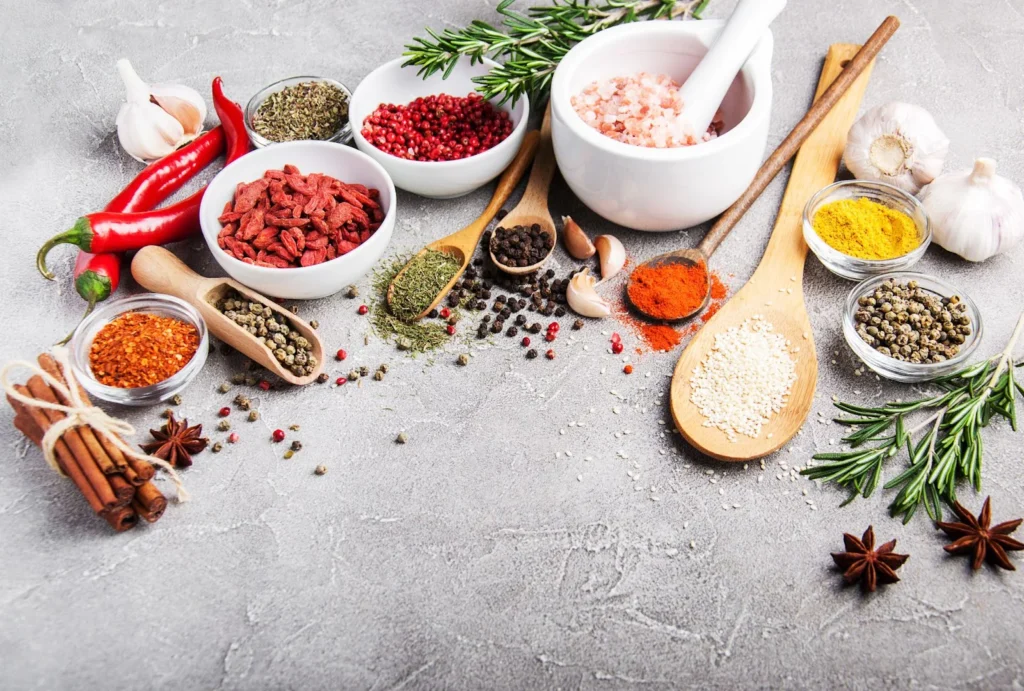
Frequently Asked Questions by Afghan Manufacturers
Q1: What forms of artificial flavors are available?
Artificial flavors can be supplied as liquids, powders, or encapsulated forms depending on production requirements.
Q2: How can I ensure flavor consistency across batches?
Partner with a supplier like MT Royal that provides standardized formulations, batch testing, and technical guidance.
Q3: Are artificial flavors safe for all food applications?
Yes, when sourced from reputable suppliers and used according to regulatory guidelines, artificial flavors are safe and widely accepted.
Q4: Can artificial flavors replace natural extracts entirely?
While they provide cost-effective and consistent alternatives, some premium products may still require natural extracts for authenticity.
Q5: How should flavors be stored?
Keep in cool, dry areas, away from direct sunlight, and in sealed containers to maintain quality and shelf life.
MT Royal: Your Trusted Partner in Afghanistan
We at MT Royal have extensive experience connecting Afghan manufacturers with high-quality artificial flavors. By working closely with local production teams, we understand the nuances of regional food preferences, industrial processing constraints, and market demands. Our portfolio includes a wide range of flavors, competitive pricing, and flexible logistics solutions. More importantly, we provide technical support to ensure successful flavor integration in your products.
Why Choose MT Royal:
- Premium quality and reliable supply of artificial flavors
- Technical guidance for optimized production and flavor performance
- Compliance with international and local food regulations
- Support for bulk orders, custom formulations, and consistent delivery
Key Takeaways for Manufacturers
- Strategic Supplier Selection – A trusted supplier is a strategic partner, not just a product provider.
- Emphasis on Quality and Consistency – Standardized formulations reduce operational risks and enhance customer satisfaction.
- Technical Expertise Matters – Proper guidance ensures successful product development and optimized flavor usage.
- Storage and Handling – Proper management maintains flavor integrity and shelf life.
- Innovation Drives Growth – Collaborate with suppliers for unique flavors and market differentiation.
By understanding the critical aspects of sourcing artificial flavors, Afghan manufacturers can maintain product quality, reduce production risks, and gain a competitive edge in both domestic and export markets. MT Royal’s expertise, high-quality products, and technical support ensure that your business can thrive with reliable flavor solutions.


No comment