

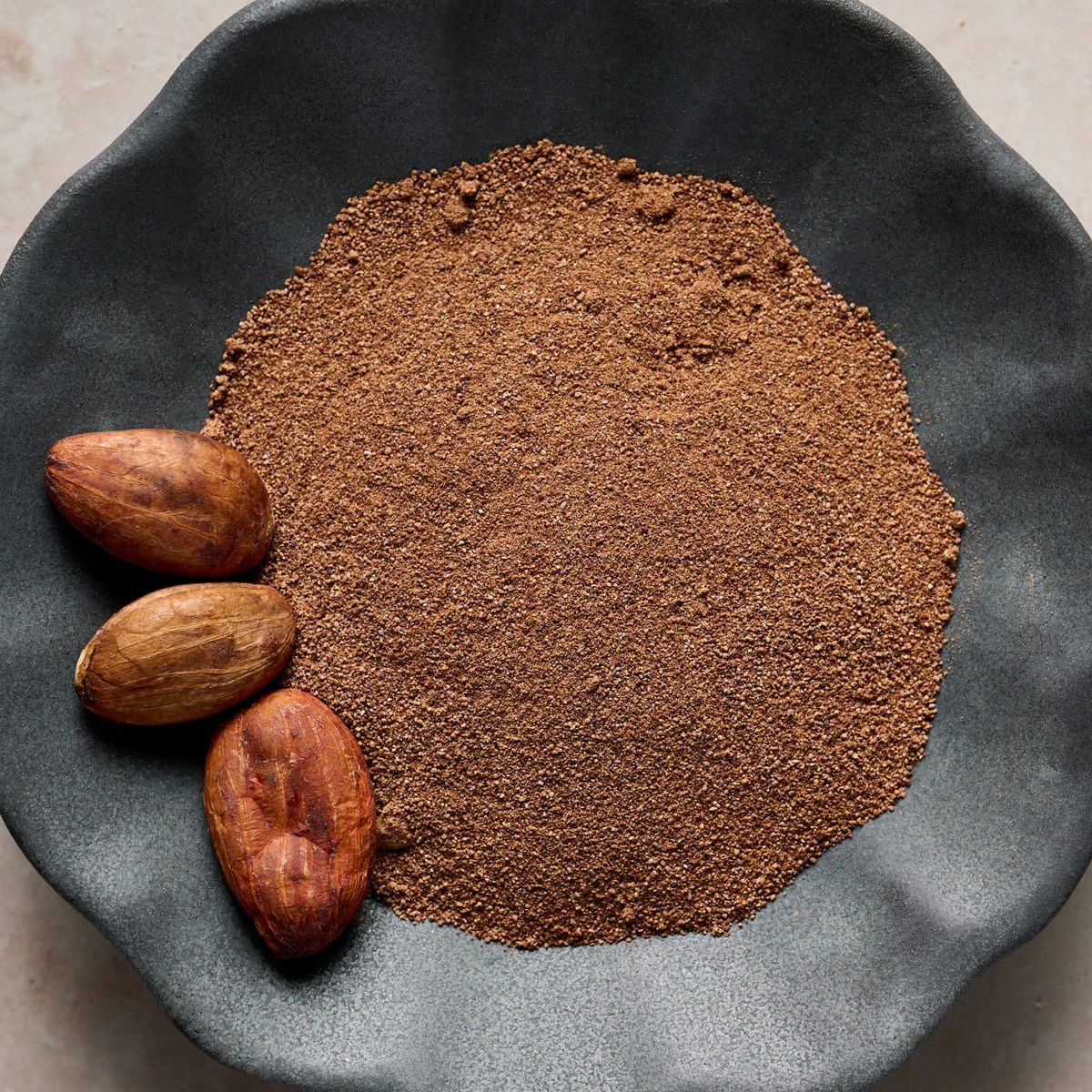
If you are responsible for a bakery, chocolate factory, or beverage production facility, you know that the quality and consistency of your raw materials define the success of your entire operation. Among these, choosing the right cocoa powder is crucial — especially for industrial-scale production, where flavor consistency, color stability, and batch-to-batch uniformity are non-negotiable. PASTINO, with its focus on producing high-quality alkalized (Dutch-processed) cocoa powder in Türkiye, has established itself as one of the best options for professional manufacturers. Through our collaboration with MT Royal, factories can access this industrial-grade cocoa powder with reliable quality, competitive pricing, and logistical support, ensuring your production remains efficient and consistent. This comprehensive guide explores why PASTINO is the optimal choice for supplying alkalized cocoa powder to your factory.
Understanding Alkalized Cocoa Powder: Basics and Industrial Advantages
What Is Alkalized (Dutch-Processed) Cocoa Powder?
Cocoa powder originates from fermented, roasted, and pressed cocoa beans. The pressing process removes a portion of the cocoa butter, leaving behind cocoa solids that are then finely ground. Natural cocoa powder retains the bean’s acidity, delivering sharper chocolate notes and a lighter brown color.
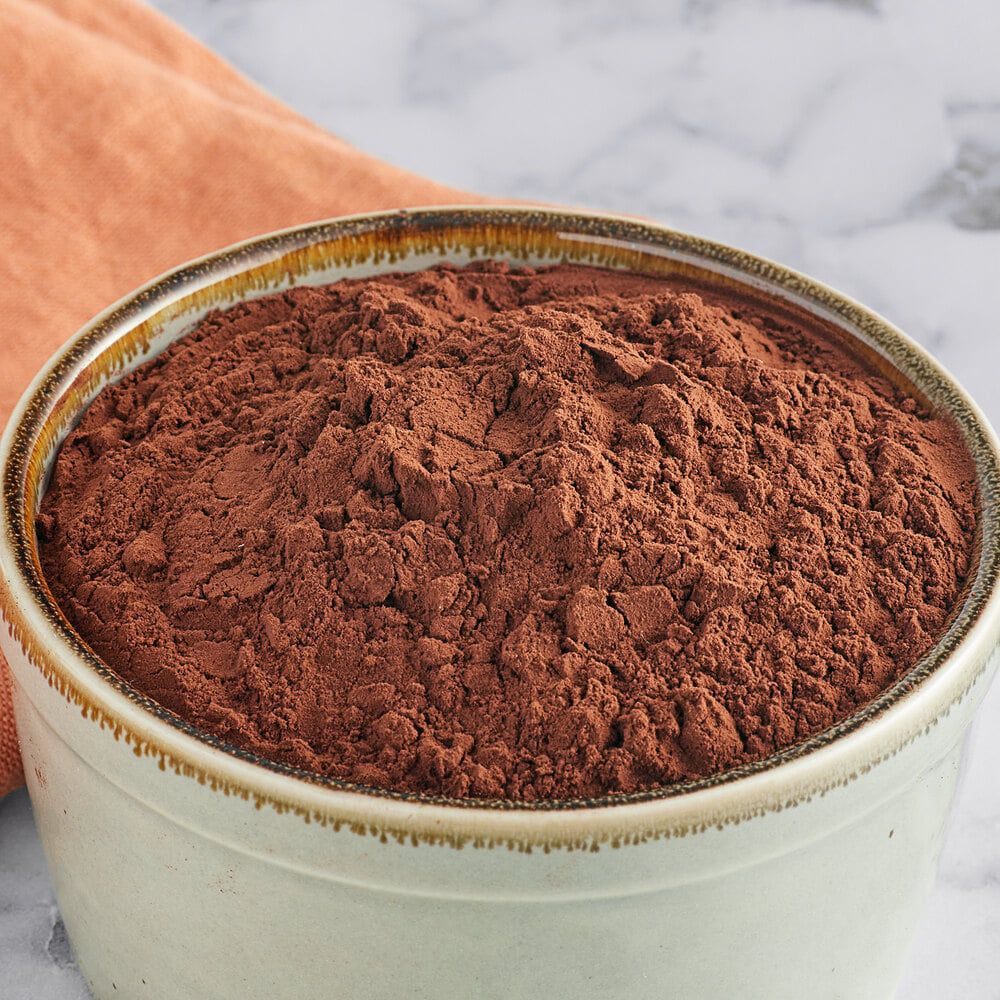
Alkalized or Dutch-processed cocoa powder undergoes an additional step: treatment with an alkaline solution, such as potassium carbonate or sodium carbonate. This process neutralizes the natural acidity, creating a smoother, milder flavor and a darker, more uniform color. The alkalization process enhances solubility in liquids and improves compatibility with other ingredients, making it ideal for industrial applications that demand consistent results across large batches.
The Importance of pH and Acidity in Industrial Production
The pH level of cocoa powder directly affects its interaction with leavening agents like baking soda in baked goods. Natural cocoa’s acidity reacts chemically to produce carbon dioxide, helping cakes and cookies rise. In contrast, alkalized cocoa powder has a near-neutral pH, which allows for more controlled reactions in recipes and a uniform product color. For factories producing chocolate, beverages, or confectionery at scale, this predictability reduces product variation and improves operational efficiency.
Technical Parameters Critical for Industrial Use
When selecting alkalized cocoa powder, several technical characteristics must be considered:
| Parameter | Industrial Significance |
|---|---|
| Fat Content | Influences texture, viscosity, and mouthfeel in chocolate and confectionery. Low-fat powders suit beverages and dry mixes; higher-fat options are preferred for chocolates and fillings. |
| Particle Size | Determines solubility, smoothness in chocolate, and even distribution in mixes. Uneven particles can cause grittiness or sedimentation. |
| Moisture Level | Impacts shelf life, caking, and microbial safety. Proper moisture control prevents lumps and ensures stability. |
| Flavor Consistency | Essential for maintaining uniform taste and aroma across batches, critical for brand reputation. |
| pH (Alkalization Level) | Affects color, flavor neutrality, and chemical interactions in baking or beverage recipes. |
| Traceability & Safety Documentation | Supports regulatory compliance, audits, and quality assurance across production lines. |
Selecting a cocoa powder without reliable specifications can lead to inconsistencies in large-scale production, affecting color, taste, and texture.
Why PASTINO Alkalized Cocoa Powder Excels
Engineered for Industrial Scale
PASTINO focuses on meeting the needs of large-scale producers. Its production processes are designed to deliver consistent quality and predictable performance, not just appealing flavor. Factories benefit from:
- Bulk packaging in 25–50 kg sacks or palletized big-bags for easy handling and storage.
- Consistent batch labeling with detailed Certificates of Analysis documenting fat content, moisture, particle size, and pH.
- Availability in multiple fat grades and both natural and alkalized options, ensuring versatility for different applications.
For manufacturers who value reliability, traceability, and compliance, PASTINO provides the foundation for consistent industrial output.
Quality Control and Food Safety
Industrial food production requires strict adherence to safety standards. PASTINO ensures that each batch meets rigorous quality checks, including moisture control, microbial testing, and analytical verification. These measures guarantee that every shipment aligns with international standards, supporting regulatory compliance and audit readiness.
Through MT Royal, factories can receive fully documented batches of PASTINO cocoa powder, simplifying inventory management and enabling traceability across your production line.
Batch-to-Batch Consistency
One of the most critical advantages of PASTINO alkalized cocoa powder is its consistent performance. Our experience with multiple production clients shows that switching to PASTINO reduces variability in color, flavor, mixing behavior, and final product texture. This predictability minimizes waste, improves yield, and enhances consumer satisfaction.
Supply Stability and Logistical Efficiency
PASTINO’s domestic production in Türkiye offers shorter lead times, lower transportation costs, and simplified logistics compared to imported alternatives. MT Royal coordinates bulk shipments and delivery schedules to align with production cycles, ensuring that factories maintain consistent stock without overstocking or experiencing shortages.
Common Mistakes in Industrial Cocoa Powder Procurement
Mistake 1: Using Retail-Grade Cocoa for Industrial Production
Retail cocoa may work for home baking but lacks the specifications, batch documentation, and bulk packaging necessary for industrial operations. Using retail-grade powder in large mixers can cause uneven dispersion, clumping, and inconsistent color. PASTINO’s industrial-grade cocoa eliminates these risks.
Mistake 2: Ignoring Batch Specifications
Without reviewing fat content, moisture, particle size, and pH, manufacturers risk inconsistent results. PASTINO provides Certificates of Analysis for every batch, ensuring predictable performance.
Mistake 3: Overlooking Industrial Packaging Needs
Small sacks or retail packaging increase labor costs, risk contamination, and complicate storage. PASTINO’s bulk sacks and big-bags streamline handling and reduce waste.
Mistake 4: Neglecting Proper Storage
Cocoa powder is sensitive to moisture, temperature, and odors. Improper storage can lead to clumping, oxidation, and flavor degradation. Maintain cool, dry storage conditions and implement FIFO inventory management.
Mistake 5: Underestimating Traceability Requirements
For regulated or exported products, full traceability is mandatory. PASTINO provides batch IDs, Certificates of Analysis, and origin documentation to meet audits and compliance standards.
Technical Recommendations for Factories
- Choose the Right Fat Grade: Low-fat for beverages, medium-fat for baked goods, high-fat for chocolate and fillings.
- Pilot Test When Switching Suppliers: Small-scale trials validate mixing, solubility, and flavor performance.
- Optimize Storage Conditions: Maintain ≤25 °C temperature, <60% humidity, and sealed packaging.
- Record Batch Information: Track COA details, cocoa type, fat content, and batch ID in your quality system.
- Plan Supply Strategically: Coordinate bulk orders with MT Royal to maintain steady inventory and avoid production interruptions.
Frequently Asked Questions
Q: Does PASTINO alkalized cocoa match imported powders?
Yes. Its rigorous production and quality control ensure consistent flavor, color, and performance, often exceeding imported alternatives.
Q: Is batch-to-batch consistency reliable?
Absolutely. PASTINO maintains tight tolerances across fat, moisture, particle size, and alkalization levels, ensuring predictable industrial results.
Q: Can it support large-scale production without delays?
Yes. MT Royal coordinates deliveries to match production schedules, enabling smooth inventory flow.
Q: How long is the shelf life under proper storage?
Up to 12–18 months when stored in cool, dry, sealed conditions, with occasional checks for moisture and aroma.
Conclusion
For industrial manufacturers, alkalized cocoa powder is more than an ingredient — it is a critical component that influences flavor, color, texture, and operational efficiency. PASTINO’s alkalized cocoa powder provides consistent quality, reliable traceability, and scalable supply solutions that support long-term production goals. Partnering with MT Royal ensures seamless access, documentation, and logistics, allowing your factory to focus on delivering premium products without compromise. Choosing PASTINO is choosing stability, predictability, and professional-grade performance for your cocoa-based products.




No comment