

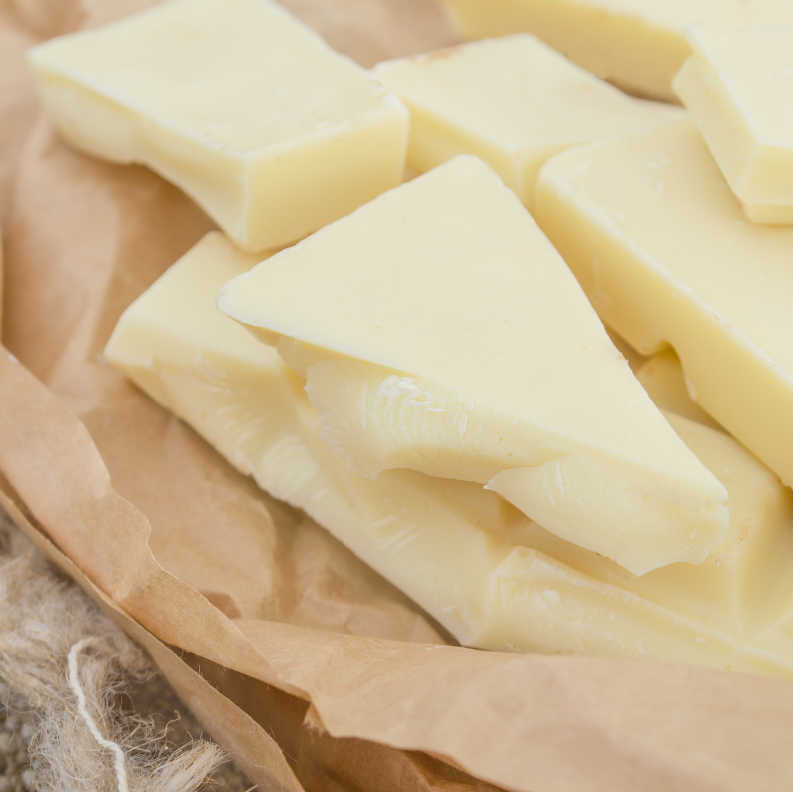
In the world of confectionery, chocolate production, and cosmetics, cocoa butter has long been hailed as a gold standard ingredient. Its distinctive creamy texture, subtle chocolate aroma, and ability to melt precisely at body temperature make it indispensable for a wide range of products—from gourmet chocolate bars and pralines to luxurious skincare formulations. For decades, manufacturers have relied on cocoa butter not only for its sensory qualities but also for the structural stability it imparts to products, ensuring the perfect snap in chocolate, a smooth pour for coatings, and a silky feel for lotions and balms.
However, despite its many advantages, the landscape of cocoa butter sourcing has grown increasingly complex. Global demand continues to rise, driven by expanding chocolate markets in emerging economies and a growing appetite for premium confectionery. At the same time, supply chain challenges—ranging from fluctuating cocoa bean yields due to climate change, political instability in producing regions, and the ethical pressures surrounding sustainable and fair-trade sourcing—have pushed prices higher and created uncertainty for manufacturers.
Adding to this, evolving consumer preferences are reshaping the market. Today’s buyers are more conscious of sustainability, environmental impact, and ingredient transparency. They increasingly demand vegan, ethically sourced, and allergen-conscious alternatives without compromising the indulgent quality they expect from chocolate or the efficacy they rely on in skincare products. For manufacturers navigating these pressures, relying solely on traditional cocoa butter can introduce production risks, cost volatility, and constraints in product innovation.
This complex backdrop has led industry leaders, production managers, and procurement specialists to explore cocoa butter alternatives—ingredients that can replicate or enhance the functional and sensory properties of cocoa butter while offering advantages in cost, supply stability, and formulation flexibility. These alternatives are not simply substitutes; they represent strategic tools that allow manufacturers to diversify their ingredient base, experiment with new product formulations, and adapt to a rapidly shifting market landscape.
Understanding Cocoa Butter and Its Role
Cocoa butter, derived from the seeds of the cacao tree, is a natural fat that plays a crucial role in the texture and stability of various products. Its unique properties include:
- Melting Profile: Melts at body temperature, providing a smooth mouthfeel in chocolates and a luxurious feel in skincare products.
- Stability: Offers excellent oxidative stability, prolonging shelf life.
- Texture: Contributes to the desired snap and gloss in chocolate products.
Despite these advantages, factors such as cost volatility and ethical sourcing concerns have led manufacturers to seek alternatives.
Top Cocoa Butter Alternatives
- Cocoa Butter Equivalents (CBE)
- Composition: Typically derived from palm oil, shea stearin, and other exotic fats.
- Benefits: Mimic the texture and melting properties of cocoa butter, making them suitable for high-quality chocolate products.
- Considerations: Ensure sustainable sourcing to address environmental concerns.
- Cocoa Butter Substitutes (CBS)
- Composition: Often made from palm kernel oil or coconut derivatives.
- Benefits: Cost-effective and stable, reducing the need for tempering in chocolate production.
- Considerations: May alter the authentic mouthfeel, making them less suitable for premium products.
- Cocoa Butter Replacers (CBR)
- Composition: Blends of palm olein, soybean oil, and other vegetable oils.
- Benefits: Easy to process and cost-efficient, ideal for compound chocolates and coatings.
- Considerations: Limited substitution levels without affecting the quality of chocolate.
- Plant-Based Butters
- Examples: Shea butter, mango butter, kokum butter, and illipe butter.
- Benefits: Offer unique textures and flavors, suitable for vegan or specialty products.
- Considerations: Availability and cost can vary; may require adjustments in formulation.
Benefits of Switching to Cocoa Butter Alternatives
- Cost Efficiency: Alternatives like CBS and CBR are more affordable, reducing production costs.
- Supply Chain Stability: Diversifying sources can mitigate risks associated with cocoa butter supply disruptions.
- Ethical Sourcing: Some alternatives offer more sustainable and ethically sourced options.
- Product Innovation: Experimenting with different fats can lead to unique product offerings catering to niche markets.
Considerations for Manufacturers
When selecting a cocoa butter alternative, manufacturers should consider:
- Application Suitability: Ensure the substitute aligns with the desired product characteristics.
- Regulatory Compliance: Adhere to local and international food safety and labeling regulations.
- Supplier Reliability: Choose suppliers with a consistent track record and transparent sourcing practices.
- Consumer Preferences: Be mindful of market trends and consumer perceptions regarding ingredient sourcing and sustainability.
Real-World Applications
- Chocolate Industry: Utilizing CBEs and CBS can maintain product quality while reducing costs.
- Cosmetics Sector: Plant-based butters like shea and mango butter are popular in skincare formulations.
- Baking and Confectionery: CBRs are commonly used in compound coatings and fillings.
Frequently Asked Questions
- Can cocoa butter substitutes be used in all chocolate products?
- While substitutes can replace cocoa butter in many applications, premium products may require the authentic properties of cocoa butter.
- Are plant-based butters vegan-friendly?
- Yes, plant-based butters are suitable for vegan products, offering alternative options for consumers.
- How do I ensure the quality of cocoa butter alternatives?
- Work with reputable suppliers who provide detailed specifications and quality assurance certifications.
Conclusion
Exploring cocoa butter alternatives offers manufacturers opportunities to innovate, reduce costs, and meet evolving consumer demands. By carefully selecting the appropriate substitute and considering factors like application, sourcing, and quality, businesses can navigate the complexities of ingredient substitution effectively.
For those seeking reliable suppliers of cocoa butter alternatives, MT Royal offers a comprehensive range of brands, ensuring competitive pricing without compromising on quality. We’ve worked with production facilities across various industries and understand the importance of consistent supply and product performance.



No comment