

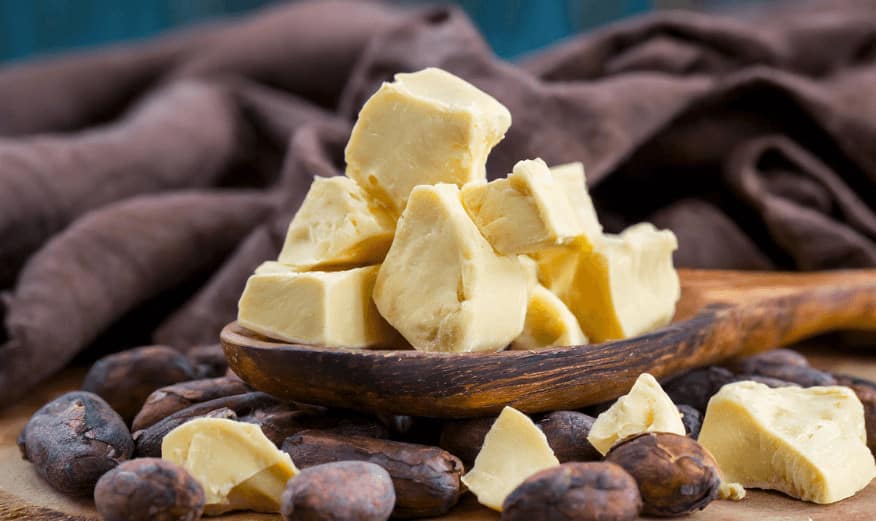
For industrial chocolate and confectionery manufacturers, cocoa butter is an essential ingredient. It defines the texture, mouthfeel, and melting profile of chocolate products. However, high demand, cost fluctuations, and sustainability considerations often drive factories to explore cocoa butter substitutes. Choosing the right alternative is not just a matter of cost—it’s about maintaining product quality, functional performance, and production efficiency.
Turkey has emerged as a hub for high-quality cocoa butter alternatives, providing manufacturers with options that balance price, functionality, and supply reliability. In our experience supplying production facilities, working with trusted suppliers like MT Royal ensures access to a wide variety of brands and grades, while premium options such as Spanish-origin Latamarko offer superior consistency and industrial performance.
This comprehensive guide explores cocoa butter substitutes available from TÜRKİYE, their benefits and challenges, procurement insights, and actionable guidance for confectionery production.
Understanding Cocoa Butter Substitutes
Cocoa butter substitutes, also known as cocoa butter equivalents (CBEs) or cocoa butter replacers, are fats that mimic the properties of cocoa butter in chocolate and confectionery. They are used for:
- Reducing production costs without compromising taste or texture
- Enhancing processing efficiency in tempering and molding
- Meeting regulatory or labeling requirements in specific markets
Common Types of Cocoa Butter Substitutes
- Cocoa Butter Equivalents (CBEs)
- Made from vegetable fats with similar fatty acid composition to cocoa butter
- Fully compatible with cocoa butter, allowing seamless integration in chocolate
- Improve workability in industrial chocolate lines
- Cocoa Butter Replacers (CBRs)
- Partially compatible fats that can be used for coating or compound chocolate
- Usually lower in cost but may affect mouthfeel or gloss
- Cocoa Butter Alternatives (CBAs)
- Broader category including any plant-derived fat with some functional properties similar to cocoa butter
- Often used in fillings, coatings, or decorative products
LSI Keywords: cocoa butter alternatives Turkey, confectionery fat substitutes, industrial chocolate fats, cocoa butter replacers, cocoa butter equivalents
Why Substitute Cocoa Butter?
While cocoa butter provides unmatched texture and flavor, there are strategic reasons manufacturers explore substitutes:
- Cost Control: Cocoa butter prices can fluctuate significantly due to crop yield variations and market dynamics.
- Consistency and Supply: Reliable supply of cocoa butter substitutes from local Turkish manufacturers ensures uninterrupted production.
- Functional Flexibility: Some substitutes improve melting point, workability, or viscosity for specific confectionery applications.
- Sustainability: Substitutes derived from certified sustainable sources reduce environmental impact.
At MT Royal, we supply a range of cocoa butter substitutes suitable for various confectionery applications. We’ve seen factories reduce production costs by up to 15% while maintaining product quality by carefully selecting appropriate substitutes.
Selecting the Right Substitute: Functional Considerations
When choosing a cocoa butter alternative, several functional factors must be evaluated:
1. Melting Profile
Chocolate’s mouthfeel and snap depend on precise melting characteristics. Substitutes must closely match cocoa butter’s crystalline structure to avoid textural defects.
2. Compatibility
- CBEs are fully compatible and can replace cocoa butter without changing processing parameters.
- CBRs or CBAs may require adjustments in tempering, molding, or cooling to avoid fat bloom.
3. Taste and Aroma
High-quality substitutes should not impart off-flavors or interfere with chocolate aroma. Premium options from Latamarko demonstrate superior sensory neutrality.
4. Regulatory Compliance
Ensure the substitute complies with local and international food regulations, especially for export products labeled as chocolate.
Industrial Benefits of Using Cocoa Butter Substitutes
Partnering with reliable suppliers of cocoa butter substitutes brings measurable advantages:
- Operational Efficiency: Lower melting points or optimized viscosity can speed up mixing, tempering, and molding.
- Cost Management: Substitutes often offer lower per-unit cost while maintaining product functionality.
- Supply Stability: Local Turkish suppliers can provide predictable delivery schedules, reducing downtime.
- Product Consistency: Batch-to-batch uniformity ensures quality standards are met across large-scale production.
Top Cocoa Butter Substitute Suppliers in TÜRKİYE
1. Local Industrial Manufacturers
Turkey hosts several manufacturers producing high-quality CBEs and CBRs. These suppliers provide:
- Vegetable fats optimized for confectionery use
- Large-volume supply suitable for industrial chocolate and confectionery lines
- Technical support for integration in tempering and molding processes
Example: A Turkish chocolate plant switched to a locally sourced CBE for couverture production and saw improved mold release and reduced tempering time.
2. International Brands with Turkish Operations
Global suppliers maintain regional distribution hubs in Turkey, offering premium European products such as Latamarko. These options provide:
- Precise melting and tempering characteristics
- Consistent flavor neutrality
- Long-term reliability for export-focused confectionery brands
Spanish engineering has long been respected in industrial chocolate production, and Latamarko exemplifies precision and functional longevity.
3. Distributors and Aggregators
Distributors consolidate multiple fat brands, providing:
- Variety of grades and price points
- Flexible order sizes for R&D or small-batch production
- Comparative insights to select the optimal substitute for specific recipes
Step-by-Step Guide to Selecting Cocoa Butter Substitutes
Step 1: Define Product Requirements
- Desired texture and snap
- Melting point and viscosity targets
- Flavor profile neutrality
Step 2: Evaluate Supplier Capabilities
- Batch-to-batch consistency
- Technical support for industrial integration
- Compliance with ISO, HACCP, or FSSC 22000 standards
Step 3: Pilot Testing
Test small batches to assess:
- Melt behavior in tempering machines
- Compatibility with sugar, milk solids, and flavorings
- Stability during storage and transport
Step 4: Scale-Up and Quality Monitoring
Once a substitute passes pilot testing, monitor:
- Crystalline structure and bloom resistance
- Taste and aroma consistency
- Shelf-life stability
Real-World Insights from Confectionery Production
A Turkish chocolate manufacturer producing filled pralines faced cocoa butter shortages due to high global demand. By sourcing a locally produced CBE from MT Royal, they achieved:
- Reduced production costs without compromising texture
- Consistent molding and coating quality
- Improved supply chain resilience
Similarly, a premium chocolate brand integrated Latamarko CBE into their high-end chocolate bars, achieving superior snap, sheen, and mouthfeel that delighted customers while maintaining production efficiency.
Comparison Table: Cocoa Butter Substitutes
| Substitute Type | Compatibility with Cocoa Butter | Melting Profile | Ideal Applications | Cost Level |
|---|---|---|---|---|
| Cocoa Butter Equivalent (CBE) | Full | Closely matches | Chocolate, couverture | Moderate |
| Cocoa Butter Replacer (CBR) | Partial | Slightly lower | Coatings, compounds | Lower |
| Cocoa Butter Alternative (CBA) | Varies | Varies | Fillings, toppings | Low-Moderate |
| Premium European (Latamarko CBE) | Full | Precise match | High-end chocolate bars | Premium |

Common Pitfalls and How to Avoid Them
- Skipping Pilot Tests: Always evaluate substitutes in small-scale production to prevent unexpected textural or flavor issues.
- Ignoring Melting Characteristics: Substitutes with incorrect melting profiles can cause fat bloom or poor snap.
- Focusing Only on Price: Cheaper fats may increase waste or reduce product quality in the long term.
- Neglecting Storage Conditions: Proper temperature and humidity control are critical for fat stability.
Tips for Efficient Procurement and Use
- Forecast requirements and establish long-term contracts to stabilize pricing and supply
- Request certificates of analysis to verify fatty acid composition and functionality
- Collaborate with suppliers like MT Royal for technical support during recipe reformulation
- Store fats in controlled conditions to maintain functionality and avoid spoilage
Frequently Asked Questions (FAQ)
Q1: Can cocoa butter substitutes replace 100% of cocoa butter?
A: CBEs can fully replace cocoa butter in most industrial applications. CBRs or CBAs may require partial substitution to maintain texture and melt profile.
Q2: Why choose Spanish-origin Latamarko for premium chocolate?
A: Latamarko offers unmatched consistency, precise melting, and high-quality batch performance, ideal for high-end confectionery.
Q3: How should substitutes be stored in industrial facilities?
A: Maintain cool (≤20°C), dry, odor-free storage conditions to preserve quality and prevent off-flavors.
Q4: Are cocoa butter substitutes compliant for export chocolate?
A: Most high-quality CBEs from TÜRKİYE, including Latamarko, comply with international standards. Always verify certifications for specific markets.
Closing Thoughts
Cocoa butter substitutes from TÜRKİYE provide confectionery manufacturers with reliable, cost-effective, and functional alternatives to traditional cocoa butter. Partnering with trusted suppliers like MT Royal ensures access to a wide range of options, while premium brands such as Latamarko deliver the consistency, melt profile, and mouthfeel required for high-end chocolate products.
Your choice of cocoa butter substitute influences product quality, operational efficiency, and supply chain resilience. Are you ensuring that your production lines maintain excellence while optimizing costs—or leaving it to chance?


No comment