

In the fast-paced world of industrial bakery and pastry production, the quality of raw ingredients is a decisive factor in both product consistency and operational efficiency. Among these, milk ingredients play a pivotal role, influencing texture, flavor, shelf life, and machinability. Selecting the best milk ingredients from TÜRKİYE for bakery and pastry use not only ensures superior quality but also supports sustainable sourcing, consistent production outcomes, and alignment with international standards.
Partnering with a reliable supplier like MT Royal offers factories access to multiple brands of Turkish milk powders, concentrates, and specialty ingredients at competitive prices, along with technical guidance to optimize production. In our collaboration with various large-scale bakeries, we have observed that strategic sourcing of high-quality milk ingredients translates directly into improved dough handling, better flavor, and reduced production variability.
This article provides a comprehensive guide on milk ingredients from TÜRKİYE, covering their types, functional properties, industrial applications, sourcing strategies, and operational best practices. By understanding these factors, manufacturers can make informed decisions that elevate product quality and production efficiency.
Understanding Milk Ingredients: Definitions and Fundamentals
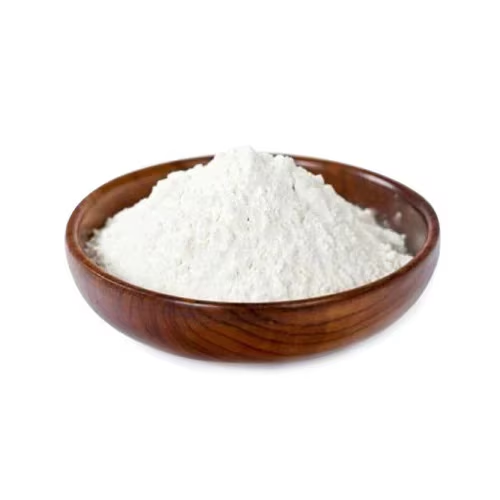
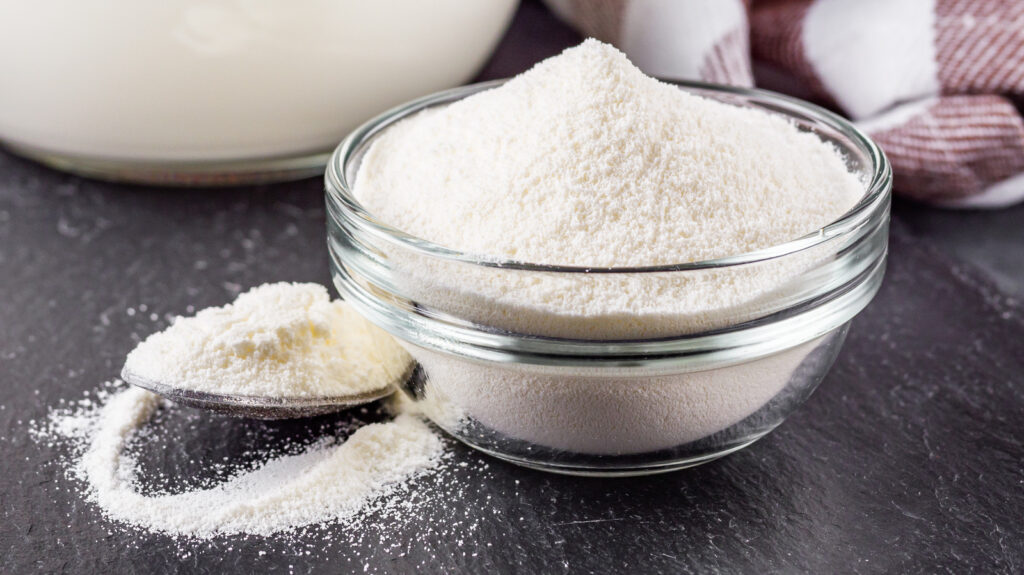
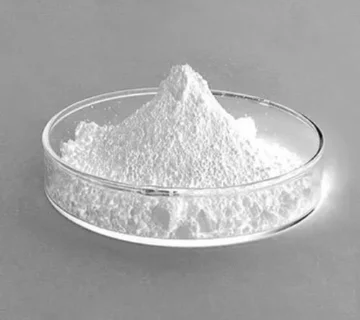
Milk ingredients encompass a range of dairy derivatives tailored for industrial use. These include milk powder, whey powder, milk protein concentrates (MPCs), milk protein isolates (MPIs), and lactose. Each ingredient has specific functional properties suitable for bakery and pastry applications.
Types of Milk Ingredients
- Whole Milk Powder (WMP) – Contains the full spectrum of milk solids, including fat. Provides richness, creaminess, and improved browning in baked goods.
- Skimmed Milk Powder (SMP) – Fat-reduced milk powder, ideal for adding protein and solids without excess fat, supporting structural integrity in doughs and batters.
- Milk Protein Concentrates (MPCs) and Isolates (MPIs) – Concentrated protein forms that enhance dough strength, emulsification, and texture stability. These are particularly valuable in laminated pastries, croissants, and enriched breads.
- Whey Powder – Derived from whey separation, used for its functional proteins, lactose content, and water-binding properties. Enhances browning and crust formation in baked goods.
- Lactose – Pure milk sugar, used to improve sweetness, browning, and Maillard reactions in bakery applications.
Each milk ingredient brings specific functionality to bakery and pastry products, making ingredient selection a strategic choice for industrial manufacturers.
Functional Benefits in Bakery and Pastry Production
The selection of high-quality milk ingredients from TÜRKİYE provides multiple functional advantages:
- Texture and Mouthfeel – Whole milk powders enhance creaminess, softness, and moisture retention in breads, cakes, and pastries.
- Dough Strength – Milk proteins improve gluten network development, supporting dough machinability and volume.
- Flavor Enhancement – Lactose and milk proteins contribute to caramelized notes and overall flavor complexity.
- Shelf-Life Extension – Properly processed milk powders reduce moisture loss and staling in finished bakery products.
- Browning and Color – Milk sugars facilitate Maillard reactions during baking, delivering uniform golden crusts.
By understanding these benefits, manufacturers can tailor formulations to achieve desired sensory and structural qualities while maintaining production efficiency.
Common Mistakes in Sourcing Milk Ingredients
Even experienced procurement teams can make errors that impact production and product quality:
- Focusing Solely on Price – Low-cost ingredients may lack consistent protein content, fat quality, or solubility, increasing variability and processing challenges.
- Neglecting Supplier Documentation – Missing COAs, HACCP certifications, or food-grade compliance can compromise regulatory adherence and export eligibility.
- Ignoring Storage Requirements – Milk powders are hygroscopic and sensitive to heat; improper storage can lead to caking, reduced solubility, and off-flavors.
- Overlooking Functional Properties – Protein content, fat quality, and lactose composition must align with intended bakery and pastry applications to avoid processing issues.
Avoiding these mistakes ensures ingredient performance and supports consistent product quality across production batches.
Comparing Turkish Milk Ingredients with Global Alternatives
Turkish milk ingredients are globally recognized for their quality, traceability, and functionality. Comparing them with other regional options highlights their advantages:
- Protein Quality – Turkish milk powders often maintain higher native protein integrity, supporting dough strength and texture.
- Consistent Solubility – Advanced drying and processing technologies produce powders that dissolve easily without clumping, optimizing automated mixing systems.
- Flavor Profile – Natural sweetness and clean flavor make Turkish milk ingredients ideal for premium bakery and pastry products.
- Traceability and Compliance – TÜRKİYE provides robust regulatory documentation, meeting EU, Gulf, and international export standards.
For manufacturers seeking premium ingredients, Turkish milk powders and concentrates often deliver a balance of functionality, quality, and reliability that enhances both product performance and brand reputation.
Industrial Tips for Using Milk Ingredients in Large-Scale Production
Optimizing milk ingredient usage in high-volume bakery operations requires careful attention to handling, dosing, and processing conditions:
- Pre-Blending – Mixing milk powders with dry ingredients before adding liquids ensures uniform distribution and prevents lumping.
- Temperature Control – Maintaining ambient conditions below 25°C and low humidity prevents caking and ensures solubility.
- Protein Matching – Aligning protein content with dough formulation prevents over-strengthening or weakening, optimizing machinability.
- Synergistic Use with Fats and Emulsifiers – Combining milk ingredients with fats, lecithin, or glycerol monostearate enhances dough extensibility and crumb softness.
- Monitoring Moisture Uptake – Hygroscopic powders absorb ambient moisture; regular checks prevent inconsistencies in dough hydration.
Applying these techniques reduces processing variability and enhances both product quality and production efficiency.
Practical Applications in Bakery
Breads and Rolls
- Milk powders enhance dough strength, improve volume, and contribute to soft, tender crumb structure.
- Lactose addition supports golden crust formation and subtle sweetness.
- Whey powders improve water retention, maintaining freshness during distribution.
Cakes and Muffins
- Whole milk powders add creaminess and enhance moisture retention.
- Milk proteins support aeration and volume, producing consistent, soft cakes.
- Lactose and whey powders improve browning and crust uniformity in high-speed ovens.
Pastries and Laminated Doughs
- MPCs and MPIs reinforce gluten networks, preventing tearing in croissants and puff pastries.
- Milk sugars facilitate caramelization and golden, flaky layers.
- Properly balanced milk fat contributes to flavor richness and texture stability.
Confectionery Fillings
- Milk powders enhance creaminess and stability in chocolate ganaches, fondants, and cream fillings.
- Whey powders improve flow properties and water-binding capacity, reducing separation.
- Consistent protein content ensures uniform mouthfeel and reduces phase separation.
Industrial Quality Control for Milk Ingredients
Ensuring consistent performance requires rigorous quality control measures:
- Certificates of Analysis (COA) – Check protein, fat, moisture, and lactose content for batch-to-batch consistency.
- Sensory Testing – Verify flavor neutrality or intended sweetness, particularly in high-value bakery products.
- Solubility Testing – Ensure powders dissolve quickly without lumps, supporting automated mixing systems.
- Storage Monitoring – Keep storage environments cool, dry, and away from direct sunlight to maintain functionality.
Integrating these controls prevents processing variability, preserves product quality, and ensures regulatory compliance.
Emerging Trends in Milk Ingredient Usage
Industrial bakery and pastry production is evolving, and so are the demands on milk ingredients:
- Clean Label Demand – Consumers seek natural, minimally processed ingredients. Turkish milk powders meet this demand while maintaining functional performance.
- High-Protein and Nutritional Fortification – Protein-enriched formulations in breads, muffins, and pastries require consistent, high-quality milk protein concentrates.
- Sustainability and Traceability – Ethical sourcing, minimal environmental impact, and supply chain transparency are increasingly important for both domestic and export markets.
- Automation and Process Optimization – Milk powders that dissolve easily, maintain consistency, and integrate seamlessly with high-speed lines are essential for modern bakeries.
Suppliers like MT Royal provide technical guidance and documentation that supports these evolving industrial trends.
Frequently Asked Questions from Procurement Teams
Q: What types of Turkish milk ingredients are best for laminated pastries?
A: MPCs or MPIs with high protein content are preferred for dough strength, extensibility, and layer integrity.
Q: How do milk powders impact dough hydration?
A: Proper protein and lactose content influence water absorption; pre-testing batches ensures consistent hydration.
Q: Can whey powders replace milk powders entirely?
A: Whey powders add protein and improve water binding but lack fat and flavor contributions, so they are best used in combination.
Q: What are the storage requirements for bulk milk powders?
A: Store in sealed containers at low humidity (<50%) and below 25°C to maintain solubility and functionality.
Q: How do I select a reliable supplier from TÜRKİYE?
A: Prioritize exporters providing consistent quality, multiple brands, regulatory documentation, and technical support, such as MT Royal.
Strategic Sourcing Considerations
When selecting a supplier for Turkish milk ingredients:
- Batch-to-Batch Consistency – Ensures predictable dough and product performance.
- Certifications and Compliance – COA, HACCP, ISO, and export-ready documentation streamline global distribution.
- Technical Consultation – Guidance on ingredient selection, dosage, and process integration improves line efficiency.
- Supply Chain Reliability – Timely deliveries prevent production delays and support continuous operations.
MT Royal offers multiple brands and technical expertise, supporting manufacturers in maximizing operational efficiency and product quality.
Final Perspective
The best milk ingredients from TÜRKİYE for bakery and pastry use are more than just raw materials—they are critical drivers of product consistency, texture, flavor, and operational efficiency. By understanding the functional properties of various milk powders, whey derivatives, and protein concentrates, manufacturers can optimize formulations to meet both sensory and industrial requirements.
Partnering with a reputable supplier like MT Royal ensures access to high-quality ingredients, regulatory compliance, and technical support, turning sourcing into a strategic advantage. Factories that thoughtfully integrate these milk ingredients into large-scale production benefit from improved dough machinability, uniform browning, extended shelf life, and ultimately, higher consumer satisfaction and market competitiveness.
LATAMARKO LM60 – Premium Spanish-Origin Cocoa Powder
latamarko alkalized cocoa powder lm60
cocoa powder for chocolate production-Best price
Food industry raw materials – list of products
Types of Gelatin from Turkish Manufacturer

No comment