

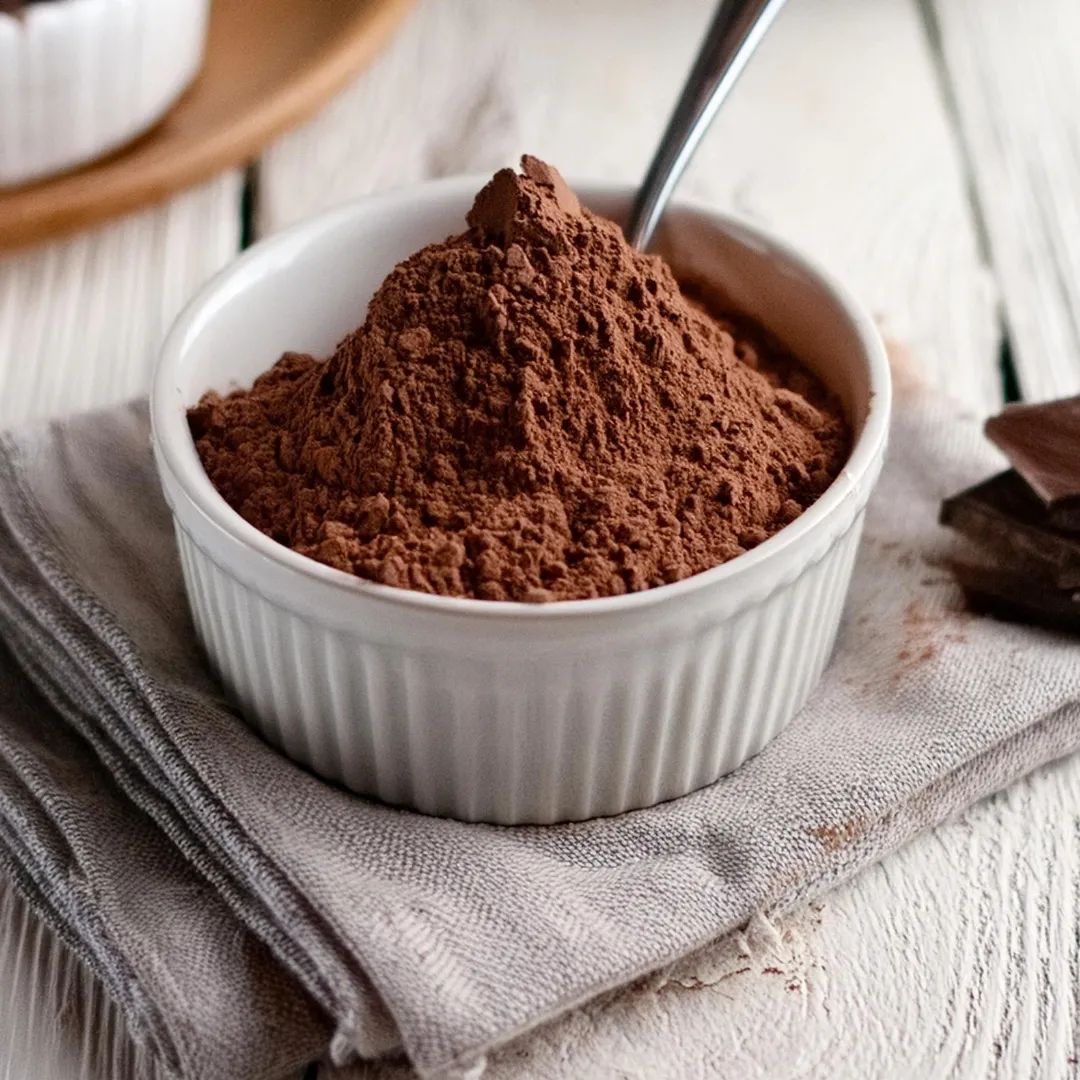
Red velvet is not just a product category anymore; it has turned into a benchmark for how precisely a factory can manage color chemistry, cocoa alkalinity, sensory balance, and heat resistance across large-scale bakery lines. If your production line runs cakes, muffins, cookies, donut fillings, dessert premixes, or industrial-ready blends for private labels, you already know that the biggest challenge in red velvet is color stability.
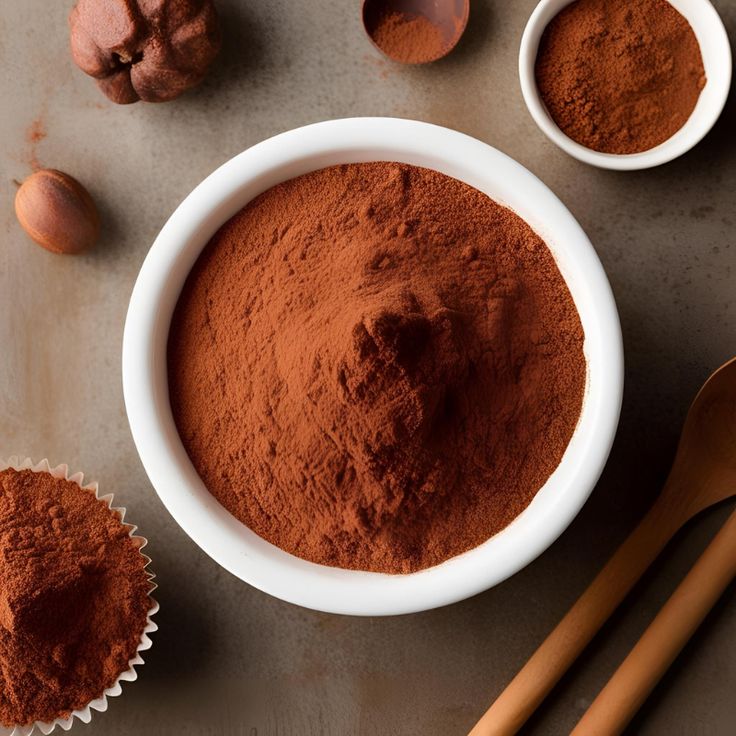
And this is exactly where the demand for the Best Reddish Cocoa Powder in Türkiye for Red Velvet – PASTINO becomes clear. For many factories, reddish cocoa is not an optional enhancement but a strategic ingredient that directly affects product appearance, brand consistency, and market competitiveness.
From the perspective of B2B buyers, MT Royal has seen how factories repeatedly struggle with color loss, uneven shades, bitterness, and unstable pH when using low-quality cocoa powders. That is why PASTINO’s reddish cocoa has become a preferred choice among Turkish bakeries and food producers looking for predictable performance and vibrant coloration without relying on artificial colors.
This guide explains everything your factory needs to know—formulation, procurement, industrial behavior, QC standards, common mistakes, and technical comparisons—so you can make a confident decision for your red velvet line.
latamarko alkalized cocoa powder lm60
cocoa powder for chocolate production-Best price
Food industry raw materials – list of products
Types of Gelatin from Turkish Manufacturer
Alkalized Cocoa Powder Bulk Supplier
What Makes a Reddish Cocoa Powder Suitable for Red Velvet Production?
Choosing reddish cocoa is far more technical than selecting a powder based on color alone. Industrial buyers must consider several variables that influence both the visual and functional outcomes of the final product.
Below, each variable is explained with practical and manufacturing-oriented detail.
1. Alkalinity Level (pH)
PASTINO reddish cocoa is typically formulated in the pH 7.2 – 7.8 range. This slightly alkalized profile ensures:
• A naturally bright reddish-brown tone
• Better reaction with acidic ingredients in red velvet formulas (like vinegar or buttermilk)
• Less bitterness compared to highly alkalized black cocoas
• Higher color stability during baking
In our experience with different factories, the most common issue we’ve seen is that producers use cocoa powders in the pH 8.0+ range, which immediately pushes the color toward dark brown instead of red.
2. Particle Size (Micron Level)
This determines:
• Color uniformity
• Smoothness of batter
• Moisture absorption
• Mixing behavior in automated lines
PASTINO cocoa is milled to a controlled fineness that allows for smooth dispersion even in high-speed mixers used in industrial production.
3. Natural Pigmentation of the Beans
Reddish cocoa requires specific bean varieties with higher levels of natural polyphenols. The processing is optimized to preserve these pigments without burning or over-alkalizing them.
Factories benefit from this because:
• Less artificial pigment is required
• The natural red hue remains stable during baking
• Flavor stays cleaner and less bitter
4. Heat Stability (Thermal Color Retention)
Heat is the enemy of bright color.
PASTINO reddish cocoa is engineered for thermal resistance, meaning the red tones remain visible even after 180–200°C baking cycles in tunnel ovens or convection ovens.
Why Red Velvet Manufacturers in Türkiye Prefer PASTINO?
During years of collaboration with bakery producers, we have seen several recurring expectations:
• Predictable batch-to-batch consistency
• Reasonable pricing for large-volume procurement
• Clean reddish color without using excessive artificial red coloring
• Smooth blending in both wet and dry industrial applications
• Long shelf-life stability
• Minimal flavor interference with standard red velvet formulas
PASTINO meets these expectations with a production process optimized specifically for reddish-grade cocoa.
Below are the most important features manufacturers appreciate.
1. Highly Vibrant Red-Brown Shade
The color disperses evenly, giving you a stable “velvet” tone—neither too brown nor too dark. This is critical for brands that want repeatable color in every batch.
2. Mild, Pleasant Cocoa Flavor
Red velvet products should not taste like chocolate cake.
PASTINO has a light cocoa profile, allowing the signature red velvet flavor (slightly sweet, slightly acidic, mildly buttery) to remain balanced.
3. Excellent Mixing Behavior in Industrial Lines
Whether you operate large-scale mixers or automated continuous systems, PASTINO easily integrates into:
• Sponge cake lines
• Muffin and cupcake production
• Dough-based bakery products
• Industrial premix manufacturing
4. Lower Dependence on Red Food Pigments
Because the cocoa already carries a strong reddish tone, the factory can reduce synthetic coloring. This lowers operational cost and aligns with “cleaner label” trends in the bakery segment.
5. Stable Quality, Supported by MT Royal
Factories trust MT Royal for providing consistent imports, competitive pricing tiers, and reliable supply chain management. This matters because inconsistent cocoa quality leads to:
• Rejected batches
• Unstable colors
• Production downtime
• Customer complaints
Our collaboration with multiple Turkish factories has shown how important stable supply is—especially when red velvet is a major product line.
Common Mistakes in Industrial Procurement of Reddish Cocoa
Many factories lose time and money because of misunderstandings in cocoa selection. Here are the most common issues—explained from a manufacturing and QC perspective.
1. Mistaking High-Alkalized Cocoa for Reddish Cocoa
Suppliers sometimes sell dark brown or even lightly alkalized cocoa under “reddish cocoa” labels.
But if the pH exceeds 8.0, the color almost always shifts to brown or gray during baking.
2. Ignoring Thermal Stability Tests
A cocoa might look red when dry, but after heating it turns brown.
Always ask your supplier for thermal stability test results.
3. Assuming All Reddish Cocoa is the Same
Factories often switch suppliers without adjusting their formulas.
This results in:
• Dough viscosity changes
• Color shifts
• Moisture absorption differences
We have repeatedly seen this issue in new clients who switched suppliers without a proper transition period.
4. Buying Based Only on Price
Low-quality reddish cocoa appears cheaper at first glance but ends up increasing total production costs due to:
• Higher pigment usage
• More rejected batches
• Unstable quality
• Need for reformulation
Partners of MT Royal consistently report cost savings after switching to higher-grade reddish cocoa like PASTINO.
Industrial Tips for Large-Scale Red Velvet Production
Below are rarely-discussed but crucial insights that directly affect production performance.
1. Manage pH Carefully
Red velvet formulas require an acidic environment.
If the batter becomes too alkaline, you lose the red tone.
The recommended pH for optimal color expression with PASTINO is:
6.8–7.3 in finished batter.
2. Use Vinegar Strategically
Acid activates the red tone, but excessive vinegar can create off-flavors.
For industrial sponge lines, 0.4–0.6% acidity performs best.
3. Moisture Control in Premixes
If you produce dry mixes for B2B or retail, keep moisture below 6%.
Cocoa absorbs moisture faster than flour and can clump.
4. Pay Attention to Oven Curves
Color stability depends on:
• First heat shock
• Humidity levels
• Final bake temperature
Tunnel ovens with very dry heat tend to darken cocoa more. Adjusting humidity curves by 3–5% helps retain color.
Frequently Asked Questions from Factory Managers
1. How much cocoa should we use in red velvet cake?
Most industrial formulas use 1–3% PASTINO reddish cocoa, depending on desired shade.
2. Does PASTINO require synthetic color addition?
It depends on your brand’s target shade.
Many factories reduce red pigment usage by up to 40% after switching to PASTINO.
3. Is PASTINO suitable for both wet and dry applications?
Yes. It performs well in:
• Sponge lines
• Muffins
• Dough products
• Dessert mixes
• Industrial premixes
4. Does color change during storage?
No. When stored at recommended humidity and temperature, color remains stable for the entire shelf life.
5. Can factories request batch-specific COAs?
Yes. MT Royal provides batch documentation, QC reports, and COAs for all shipments.
Final Perspective for Manufacturers
Selecting the Best Reddish Cocoa Powder in Türkiye for Red Velvet – PASTINO is not merely a procurement decision; it is a direct investment in product quality, production efficiency, and brand consistency.
Factories that switch to PASTINO typically report:
• More stable red velvet color tone
• Lower pigment costs
• Better flavor control
• Cleaner label formulations
• Fewer batch inconsistencies
• Higher market acceptance
By choosing a reliable supplier like MT Royal, your factory benefits from stable quality, consistent imports, and technical support based on real-world experience with numerous bakery lines.
When a product like red velvet becomes a signature item for your brand, ingredient consistency becomes the backbone of your competitive advantage.

No comment