

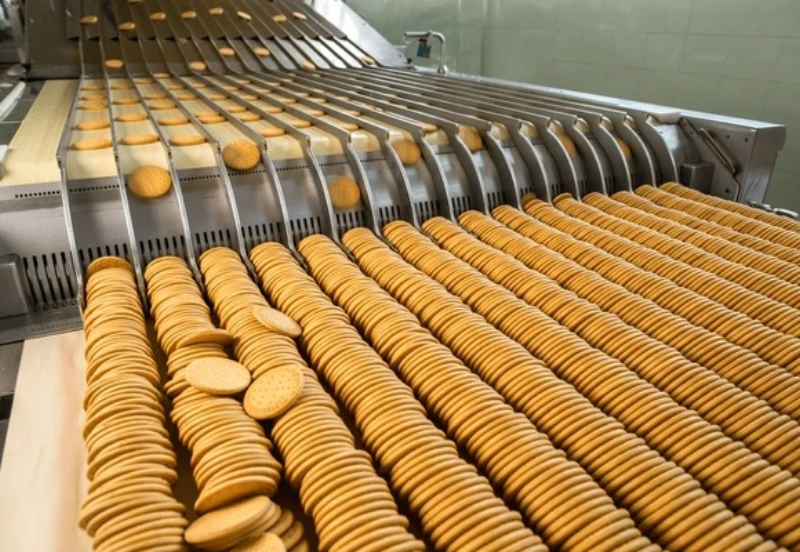
When a biscuit factory struggles with inconsistent quality, production downtime, or rising waste, the problem rarely starts on the production line. In most cases, it begins much earlier—with raw material sourcing. For biscuit manufacturers in Afghanistan, choosing the right biscuit factory raw materials supplier is not a routine purchasing task; it is a strategic decision that directly affects product quality, cost control, and long-term growth. At MT Royal, we have worked alongside biscuit producers in challenging supply environments, and one lesson is always clear: stable production starts with stable ingredients.
Afghanistan’s biscuit industry operates under unique conditions. Import dependency, fluctuating logistics, climate variation, and limited local processing infrastructure all place extra pressure on factory managers and procurement teams. This article is designed to fully answer the search intent behind “Biscuit Factory Raw Materials Supplier for Afghanistan” by offering not just a list of ingredients, but a deep, industrial understanding of sourcing strategy, technical performance, and supplier reliability—written for decision-makers who value clarity over marketing noise.
latamarko alkalized cocoa powder lm60
cocoa powder for chocolate production-Best price
Food industry raw materials – list of products
Types of Gelatin from Turkish Manufacturer
Alkalized Cocoa Powder Supplier
Understanding Biscuit Manufacturing from a Raw Material Perspective
Biscuit production may look straightforward from the outside, but industrial-scale manufacturing is a precise balance of chemistry, mechanics, and timing. Unlike artisan baking, factory biscuit production depends on repeatability. Every batch must behave the same way in mixers, sheeters, ovens, and cooling tunnels.
Raw materials define:
- Dough handling properties
- Baking performance
- Texture and snap
- Flavor consistency
- Shelf life and transport stability
For Afghan factories, where operational margins are often tight, raw material performance must be predictable under real-world conditions—not ideal laboratory scenarios.

Core Biscuit Raw Materials and Their Functional Roles
Wheat Flour: The Foundation of Biscuit Structure
Flour is the largest component by weight in most biscuit formulations, but it is also one of the most misunderstood.
Biscuit-grade flour typically requires:
- Lower protein content than bread flour
- Controlled starch damage
- Consistent ash and moisture levels
Too much gluten development results in tough biscuits, while weak flour leads to excessive spread and breakage. In Afghanistan, flour quality can vary significantly between shipments, especially when sourced from multiple traders. We have seen factories compensate with process changes when the real issue was flour inconsistency.
Sugar: More Than Sweetness
Sugar influences:
- Spread during baking
- Color development
- Texture and snap
- Shelf life
Different sugars—sucrose, glucose syrup, invert sugar—behave differently under heat. Selecting the wrong sugar type or inconsistent grades can lead to uneven browning or fragile products, particularly in high-speed ovens.
Fats and Oils: Texture, Flavor, and Stability
Vegetable fats are critical for biscuit tenderness and mouthfeel. Common options include palm oil, palm shortening, and specialty bakery fats.
For Afghan biscuit factories, fat selection must consider:
- Ambient temperature
- Oxidative stability
- Melting profile
- Storage conditions
In warmer regions, unstable fats can cause oil migration, flavor degradation, and shortened shelf life. This is where working with a knowledgeable biscuit factory raw materials supplier becomes essential.
Leavening Agents: Controlled Expansion
Baking powders, ammonium bicarbonate, and sodium bicarbonate control gas release and biscuit structure. Incorrect ratios or inconsistent quality can cause:
- Excessive puffing
- Surface cracking
- Uneven internal texture
Industrial leavening systems must be matched precisely to oven profiles and line speed.
Emulsifiers and Dough Conditioners
Though used in small quantities, emulsifiers like lecithin or mono- and diglycerides significantly improve dough machinability and fat dispersion. They help maintain consistent dough behavior during long production runs—an often overlooked benefit in high-volume factories.
Common Sourcing Mistakes in Afghanistan’s Biscuit Industry
Buying Ingredients in Isolation
Sourcing flour from one supplier, fats from another, and additives from informal channels increases formulation variability. Each supplier optimizes their product independently, not for your full recipe.
Over-Focusing on Unit Price
Cheaper ingredients often result in higher waste, more downtime, and increased labor intervention. These hidden costs rarely appear in procurement reports but directly impact profitability.
Ignoring Climate Compatibility
Ingredients developed for temperate climates may not perform well in Afghanistan’s diverse temperature zones. Fats soften too early, sugars absorb moisture, and flours behave unpredictably if climate impact is ignored.
What Defines a Reliable Biscuit Factory Raw Materials Supplier?
A true industrial supplier does more than deliver ingredients. They understand how raw materials interact with machinery, climate, and production schedules.
Key characteristics include:
- Consistent quality across shipments
- Technical understanding of biscuit processes
- Access to multiple reputable brands
- Competitive pricing without sacrificing performance
- Logistics experience in complex regions
MT Royal operates with this mindset. We supply a broad portfolio of biscuit raw materials sourced from established manufacturers, allowing factories to choose ingredients that align with both formulation and operational realities.
Industrial-Scale Biscuit Production: Critical Technical Considerations
Dough Handling and Line Stability
At high throughput, dough consistency must remain stable over hours, not batches. Variations in fat quality or flour absorption quickly translate into sheeting problems and line stoppages.
Baking Uniformity
Oven efficiency depends heavily on raw material predictability. Inconsistent sugars or leavening agents disrupt color development and moisture loss, forcing operators to constantly adjust settings.
Shelf Life and Distribution Readiness
For biscuits intended for regional distribution, oxidative stability and moisture control are non-negotiable. Raw material selection directly determines how well products survive long transport routes and storage conditions.

Why MT Royal Is Trusted by Biscuit Manufacturers
MT Royal positions itself as a partner, not a transactional seller. We have seen how fragmented sourcing undermines production efficiency, and how stable ingredient supply simplifies everything from quality control to production planning.
We work with biscuit factories to:
- Align raw materials with equipment capabilities
- Reduce formulation variability
- Improve yield and reduce waste
- Maintain competitive pricing through multi-brand sourcing
We do not promote a single solution for every factory. Instead, we focus on understanding your production reality and supplying ingredients that perform reliably within it.
Frequently Asked Questions from Biscuit Factory Managers
Can one supplier cover all biscuit raw material needs?
Yes, if the supplier has access to a diverse portfolio and understands industrial formulations. Integrated sourcing reduces variability and simplifies quality management.
Is it possible to improve biscuit quality without changing recipes?
Often, yes. Improving raw material consistency alone can stabilize dough behavior and baking performance.
How important is technical support from a supplier?
Extremely important. Raw materials do not exist in isolation; they interact with machines, operators, and environments.
The Future of Biscuit Manufacturing in Afghanistan
Biscuit consumption continues to grow across the region due to affordability, shelf stability, and broad consumer appeal. For Afghan manufacturers, this presents a real opportunity—but only for those who build production on reliable foundations.
Factories that treat raw material sourcing as a strategic function gain more than consistency. They gain confidence to scale, flexibility to innovate, and credibility in competitive markets. We have seen factories transform their output simply by stabilizing ingredient supply and aligning it with real production needs.
Choosing the right biscuit factory raw materials supplier is not about finding the cheapest option. It is about building a system that works every day, under real conditions, without surprises. MT Royal exists to support that system—quietly, reliably, and with the technical understanding that industrial production demands.



No comment