

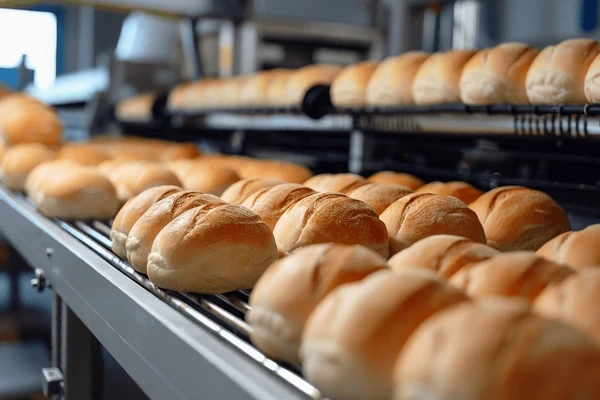
In industrial bread production, success is rarely accidental. It is built on repeatability, control, and the ability to deliver the same loaf quality every single day—regardless of raw material variation, labor shifts, or production speed. For bakeries and food factories serving the Afghan market, choosing the right Bread Improver Supplier for Afghanistan is not a secondary purchasing task; it is a core strategic decision that directly affects volume, shelf life, waste levels, and customer satisfaction. This is why many manufacturers look beyond short-term pricing and work with experienced partners like MT Royal, where technical understanding, reliable sourcing, and regional insight come together to support sustainable production.
Afghanistan’s bread market is both traditional and rapidly evolving. Flatbreads remain central to daily consumption, while packaged pan bread, buns, and industrial bakery products continue to grow in urban areas. At the same time, producers face fluctuating flour quality, tight margins, and operational constraints. In this context, bread improvers are no longer optional additives—they are essential production tools. When sourced correctly, they turn variability into consistency and uncertainty into control.
What Is a Bread Improver? Core Concepts for Industrial Bakeries
A bread improver is a functional blend of ingredients designed to enhance dough performance, baking tolerance, and final bread quality. Depending on formulation, it may contain enzymes, emulsifiers, oxidizing or reducing agents, flour conditioners, and processing aids.
Why Bread Improvers Matter in Large-Scale Production
In industrial environments, even small inconsistencies in dough behavior can result in:
- Reduced loaf volume
- Irregular crumb structure
- Shorter shelf life
- Increased waste and rework
Bread improvers help stabilize these variables, making production more predictable. For manufacturers working with a dependable Bread Improver Supplier for Afghanistan, improvers act as insurance against raw material inconsistency and operational stress.
Common Types of Bread Improvers
Industrial bakeries typically use:
- Clean-label enzyme-based improvers
- Emulsifier-based improvers for softness and shelf life
- Oxidative improvers for dough strength
- Custom blends for specific bread styles
Selecting the right type depends on flour quality, process speed, and product positioning.
The Afghan Baking Environment: Why Supplier Choice Is Critical
Flour Variability and Process Challenges
One of the biggest challenges in Afghanistan is inconsistent flour quality. Protein levels, ash content, and gluten strength can vary significantly between batches and suppliers.
A capable Bread Improver Supplier for Afghanistan understands this reality and offers solutions that compensate for flour variability rather than assuming ideal conditions.
Labor and Skill Constraints
Industrial bakeries often rely on mixed-skill labor forces. Bread improvers reduce dependency on highly skilled manual adjustments by stabilizing dough behavior.
We have seen in cooperation with multiple bakeries that proper use of bread improvers dramatically reduces daily production fluctuations, even with changing operators.

Functional Benefits of Bread Improvers in Industrial Baking
Improved Dough Strength and Tolerance
Bread improvers enhance gluten structure, allowing dough to withstand long mixing times, mechanical stress, and high-speed processing.
Consistent Volume and Crumb Structure
They help achieve uniform loaf height, even crumb distribution, and appealing texture—key factors for consumer acceptance.
Extended Freshness and Shelf Life
By controlling starch retrogradation and moisture migration, bread improvers keep bread softer for longer without relying on excessive preservatives.
A knowledgeable Bread Improver Supplier for Afghanistan helps manufacturers align these benefits with their specific production goals.
Common Applications Across Bread Categories
Pan Bread and Sandwich Loaves
Improvers ensure consistent volume, softness, and slicing performance, which is critical for packaged bread.
Flatbreads and Regional Styles
Specialized formulations support extensibility and softness while respecting traditional texture expectations.
Buns and Rolls
Bread improvers enhance dough handling, oven spring, and post-bake softness, especially in high-output lines.
Mistakes Commonly Made in Bread Improver Sourcing
Treating Improvers as Generic Additives
Not all bread improvers deliver the same results. Performance depends heavily on formulation and application.
Ignoring Process Compatibility
An improver designed for low-speed processes may fail in high-speed industrial lines.
Choosing Based Only on Price
Low-cost improvers often increase waste, reduce shelf life, or require higher dosages, raising overall production costs.
A strategic Bread Improver Supplier for Afghanistan focuses on total performance, not just unit price.
Key Quality Parameters That Define a Reliable Bread Improver
Enzyme Balance and Activity
Proper enzyme selection ensures controlled fermentation, good volume, and stable crumb structure.
Consistency and Batch Stability
Industrial production demands predictable behavior across every shipment.
Documentation and Compliance
COA, MSDS, and regulatory compliance documents are essential for quality systems and audits.
MT Royal as a Trusted Bread Improver Supplier for Afghanistan
MT Royal approaches bread improvers as performance solutions, not off-the-shelf products.
Access to Multiple International Brands
By working with several reputable manufacturers, MT Royal offers flexibility in formulation, pricing, and supply origin.
Technical Collaboration That Adds Value
We work closely with bakeries to understand flour quality, equipment, and throughput requirements. In our experience, this collaboration significantly reduces trial-and-error and accelerates production optimization.
Regional Experience That Reduces Risk
Supplying Afghanistan requires realistic logistics planning and contingency strategies. MT Royal’s regional knowledge helps manufacturers maintain stable operations.
Industrial Best Practices for Using Bread Improvers at Scale
Optimize Dosage Through Trials
Correct dosing maximizes performance while controlling cost.
Standardize Mixing and Fermentation Parameters
Consistency in process conditions allows improvers to perform as designed.
Train Production Teams
Even the best bread improver cannot compensate for improper handling or inconsistent procedures.

Frequently Asked Questions from Bakery Managers and Buyers
Can one bread improver work with different flours?
Some can, but flour-specific optimization usually delivers better results.
Are bread improvers suitable for clean-label products?
Yes, many modern formulations rely primarily on enzymes.
How important is supplier technical support?
Extremely important, especially during scale-up or flour changes.
What documentation should always be requested?
Certificates of Analysis, MSDS, and regulatory compliance statements are essential.
Bread Improvers as a Competitive Advantage
In increasingly competitive bread markets, consistency is no longer a luxury—it is a requirement. Bread improvers help industrial bakeries manage variability, reduce waste, and deliver products that meet consumer expectations every day.
Choosing the right Bread Improver Supplier for Afghanistan is ultimately about control and confidence. When suppliers understand your production realities, market pressures, and long-term goals, they become partners in performance rather than sources of uncertainty.
MT Royal’s role in this ecosystem is defined by reliability, flexibility, and technical insight. By connecting Afghan bakeries with dependable bread improver solutions from trusted global sources, MT Royal supports stronger doughs, better bread, and more resilient baking operations prepared for future growth.


No comment