

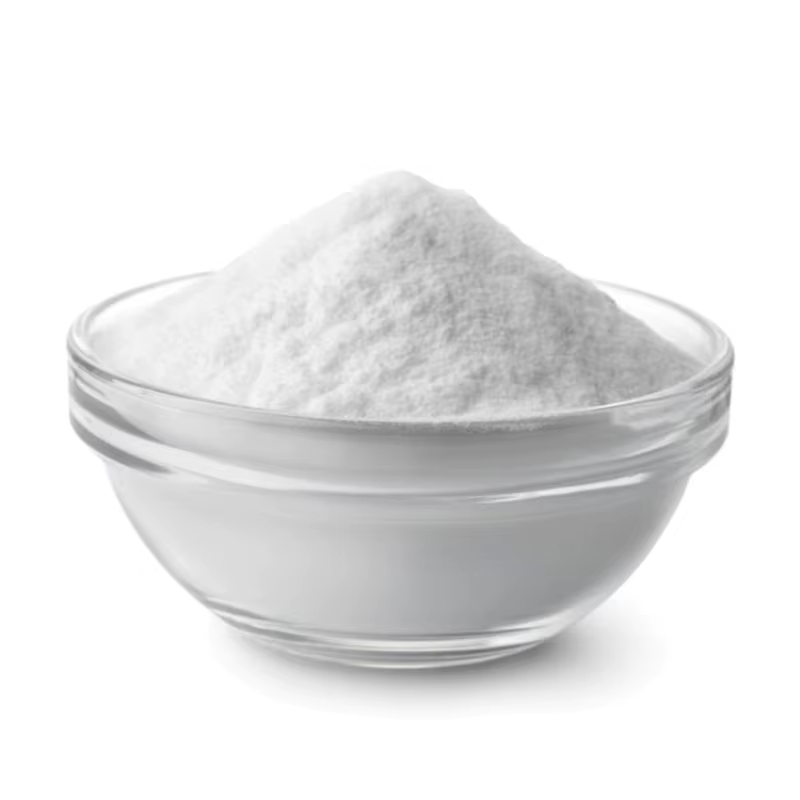
In large-scale food manufacturing, certain ingredients rarely appear on front labels, yet they quietly determine whether a product meets expectations or falls short. Ammonium bicarbonate is one of those ingredients. For food factories involved in industrial baking, biscuits, crackers, wafers, and traditional dry baked goods, ammonium bicarbonate is not optional—it is foundational.
When procurement managers and production directors search for Bulk Ammonium Bicarbonate for Food Factories, they are not looking for a generic leavening agent. They are looking for reliability, consistency, predictable decomposition behavior, and a supplier who understands how this ingredient behaves under real factory conditions. This is exactly why many manufacturers turn to MT Royal as a trusted sourcing partner, not merely to buy a product, but to stabilize a critical part of their production system.
From what we have seen working with food factories across different regions and product categories, ammonium bicarbonate sourcing decisions directly affect product texture, expansion, line efficiency, and even odor management during baking. This article is written to fully satisfy the real intent behind that search query. It is designed for decision-makers who want depth, clarity, and practical insight—not surface-level explanations.
latamarko alkalized cocoa powder lm60
cocoa powder for chocolate production-Best price
Food industry raw materials – list of products
Types of Gelatin from Turkish Manufacturer
Alkalized Cocoa Powder Bulk Supplier
Understanding Ammonium Bicarbonate: Core Concepts for Food Factories
Ammonium bicarbonate is a chemical leavening agent commonly used in dry baked goods. Chemically, it is an ammonium salt of carbonic acid that decomposes completely when heated, releasing carbon dioxide, ammonia, and water vapor.
Why It Is Still Widely Used in Modern Food Factories
Despite the availability of alternative leavening systems, ammonium bicarbonate remains irreplaceable in many applications because:
- It produces rapid gas release at baking temperatures
- It leaves no alkaline residue when fully decomposed
- It creates a crisp, dry texture ideal for biscuits and crackers
- It delivers strong expansion without affecting flavor
In products with low moisture content, ammonium bicarbonate performs like a precision tool—powerful, fast, and clean.
Food Grade vs. Technical Grade
For food factories, the distinction between food-grade and non-food-grade ammonium bicarbonate is critical. Food-grade material must meet strict purity standards, controlled heavy metal limits, and consistent decomposition profiles. Bulk sourcing from an experienced distributor ensures compliance and minimizes production risk.
Why Bulk Sourcing Matters for Food Factories
Buying ammonium bicarbonate in bulk is not simply a cost-saving exercise. At industrial scale, it changes how factories manage consistency, logistics, and risk.
Cost Efficiency Beyond Unit Price
Bulk procurement allows factories to:
- Lock in stable pricing over longer periods
- Reduce packaging and handling costs
- Improve inventory planning
- Avoid emergency sourcing that disrupts production schedules
We have seen factories reduce total leavening-related costs not by switching ingredients, but by switching sourcing strategies.
Consistency Across Production Batches
Ammonium bicarbonate performance is highly sensitive to particle size, purity, and moisture content. Bulk sourcing from a consistent supplier minimizes batch-to-batch variation and protects product quality.
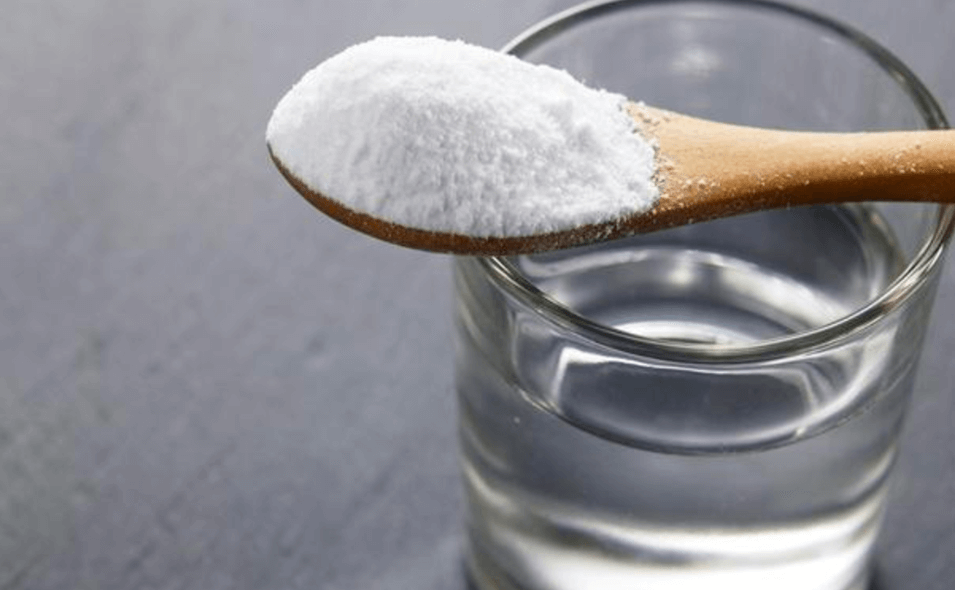
Key Applications of Bulk Ammonium Bicarbonate in Food Manufacturing
Biscuits and Cookies
Ammonium bicarbonate is especially valued in biscuit production for its ability to create uniform porosity and crispness without residual taste.
Crackers and Savory Snacks
In crackers, controlled gas release ensures proper layering and snap. Too little expansion leads to dense texture; too much causes structural weakness.
Wafers and Thin Baked Products
For wafers, ammonium bicarbonate delivers clean expansion without leaving residues that could affect flavor or shelf life.
Traditional and Ethnic Baked Goods
Many traditional recipes still rely on ammonium bicarbonate for authentic texture. Industrializing these products requires precise control of ingredient quality.
Ammonium Bicarbonate vs. Other Leavening Agents
Compared to Sodium Bicarbonate
Sodium bicarbonate often requires acidulants to neutralize residues. Ammonium bicarbonate decomposes fully, making it ideal for low-moisture products.
Compared to Baking Powder
Baking powder offers convenience but less control. Ammonium bicarbonate gives manufacturers direct control over expansion and texture.
Blended Systems
Some factories use blended leavening systems, combining ammonium bicarbonate with other agents to fine-tune performance.
Common Mistakes in Industrial Ammonium Bicarbonate Sourcing
Even experienced food manufacturers can make avoidable mistakes.
Choosing Based Only on Price
Lower-cost material may have higher moisture content or inconsistent particle size, leading to unpredictable baking behavior.
Ignoring Storage and Handling Requirements
Ammonium bicarbonate is sensitive to heat and humidity. Improper storage can reduce effectiveness before it even reaches the mixer.
Overlooking Supplier Expertise
Not all distributors understand food processing realities. Technical support matters, especially during formulation changes or scale-up.
We have observed that factories that treat ammonium bicarbonate as a technical input rather than a commodity experience fewer production issues.
Quality Parameters That Matter at Scale
Purity and Chemical Composition
High purity ensures predictable decomposition and minimizes off-odors during baking.
Particle Size Distribution
Uniform particle size supports even dispersion and consistent gas release.
Moisture Content
Excess moisture reduces shelf life and performance. Bulk food-grade ammonium bicarbonate must meet strict moisture limits.
Storage and Handling in Food Factories
Ideal Storage Conditions
- Cool, dry environments
- Sealed packaging
- Controlled humidity
Shelf Life Considerations
Under proper conditions, bulk ammonium bicarbonate maintains performance for extended periods, supporting long production cycles.
Market Trends Affecting Ammonium Bicarbonate Supply
Several factors influence availability and pricing:
- Increased demand for packaged baked goods
- Rising energy costs affecting chemical production
- Stricter food safety regulations
- Consolidation among chemical producers
These trends reinforce the value of stable supplier relationships.
How MT Royal Supports Food Factories
MT Royal supplies food-grade ammonium bicarbonate to manufacturers who need reliability at scale. Rather than pushing a single source, MT Royal offers access to multiple qualified producers, competitive pricing, and consistent specifications.
We believe sourcing should reduce uncertainty. That is why our approach emphasizes clarity, technical understanding, and long-term cooperation.
We have seen that when factories work with a distributor who understands both procurement and production, leavening issues become easier to manage and less disruptive.
Practical Tips for Procurement and Production Teams
Align Purchasing With Production Forecasts
Bulk contracts should reflect real consumption patterns to avoid overstocking or shortages.
Standardize Specifications
Using a consistent grade across product lines simplifies quality control.
Involve Production Teams in Supplier Selection
Feedback from the factory floor often reveals issues procurement teams might miss.
Frequently Asked Questions from Food Factory Managers
Does ammonium bicarbonate leave ammonia odor?
When used correctly and fully decomposed during baking, no residual odor remains in the finished product.
Is it suitable for all baked goods?
It is best suited for dry, low-moisture products. High-moisture applications require alternative systems.
Can bulk ammonium bicarbonate be customized?
Yes. Particle size and packaging options can often be tailored for industrial needs.
What is the typical shelf life?
Under proper storage, food-grade ammonium bicarbonate typically maintains quality for 12–24 months.
Why Food Factories Choose MT Royal
Food manufacturers choose MT Royal because they need more than supply—they need confidence. MT Royal combines competitive pricing with technical awareness, helping factories source ammonium bicarbonate that performs consistently under industrial conditions.
We focus on long-term reliability rather than short-term transactions. That mindset allows manufacturers to plan production with greater certainty and fewer surprises.



No comment