

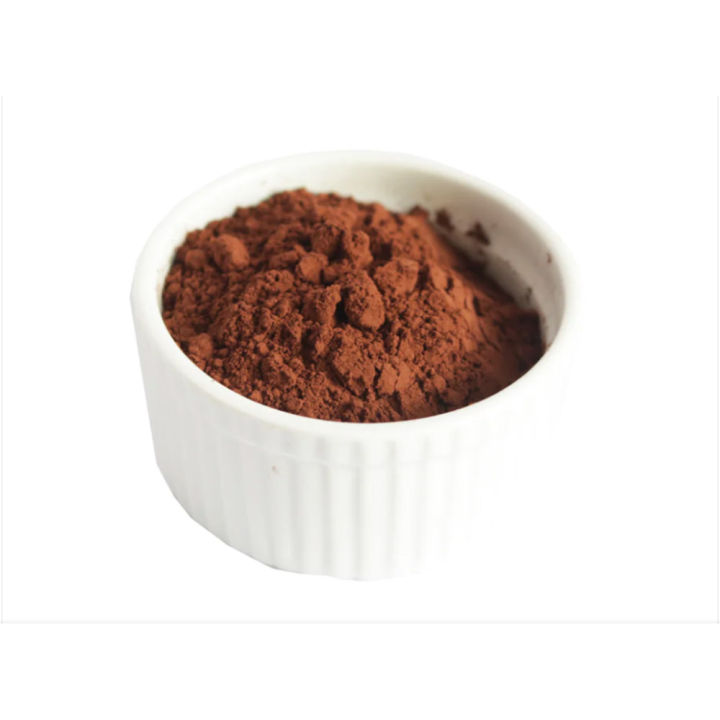
Walk into any bakery in Beirut today, and you’ll notice one consistent truth: cocoa powder isn’t just an ingredient — it’s the soul of flavor, aroma, and visual appeal in countless products. From dark chocolate pastries to rich, aromatic cakes, bulk cocoa powder defines both taste and brand identity. But for industrial bakeries, confectionery plants, and large-scale food manufacturers, sourcing Bulk Cocoa Powder Beirut Import isn’t a simple task of finding “the cheapest option.” It’s about consistency, performance under variable production conditions, and long-term supplier reliability.
At MT Royal, we’ve seen first-hand how Lebanese production facilities—especially in bakery, dairy, and chocolate sectors—are modernizing their ingredient procurement to stay competitive. The question today isn’t whether to import cocoa powder, but how to secure the right grade, origin, and supply terms that support continuous production with zero compromise on quality.
This article dives deep into everything that decision-makers need to know: from technical fundamentals to supplier evaluation strategies, import logistics, and real-world manufacturing insights.
The Fundamentals: What Is Cocoa Powder and Why It Matters for Industrial Production
Cocoa powder is the unsung hero behind every chocolate-flavored product. It’s produced by pressing cocoa liquor (also called cocoa mass) to remove most of its cocoa butter, leaving behind a dry cake that’s milled into a fine powder.
Depending on the production method, cocoa powder can be natural (acidic, sharp flavor) or alkalized (processed with alkali to neutralize acidity and enhance color and solubility). For industrial bakeries in Lebanon, the choice between these two types can significantly influence taste, texture, and color consistency in finished goods.
Key Cocoa Powder Types for Beirut Imports
- Natural Cocoa Powder:
Commonly used in lighter bakery recipes, where acidity is needed for leavening (e.g., with baking soda). Produces a light reddish-brown hue and a classic cocoa aroma. - Alkalized (Dutched) Cocoa Powder:
Treated with potassium carbonate or sodium carbonate. The result? A darker color, smoother flavor, and better dispersion in liquid mixtures — ideal for industrial beverages, ice cream bases, and ready-to-mix powders. - High-Fat vs. Low-Fat Cocoa Powder:
- High-fat cocoa powder (20–24%) provides richer mouthfeel and creamier texture—used in premium chocolate fillings and coatings.
- Low-fat cocoa powder (10–12%) reduces caloric density and cost-per-unit, suitable for large-scale bakery applications.
Each type impacts both the formulation economics and production efficiency—two metrics every factory manager in Beirut keeps under close watch.
The Industrial Value Proposition: Why Bulk Cocoa Powder Imports Are Transforming Lebanon’s Food Sector
Lebanon’s food manufacturing sector has shown remarkable resilience, even amid logistical challenges and shifting import dynamics. Industrial bakeries and confectionery plants increasingly depend on reliable cocoa powder imports to maintain product quality and meet export standards.
Here’s why Bulk Cocoa Powder Beirut Import is more than a procurement trend—it’s a strategic decision:
a. Cost Efficiency Through Scale
Importing in bulk drastically reduces per-kilogram cost. For large bakeries and confectionery facilities, the ability to purchase full-container loads or palletized bulk shipments allows tighter control over raw material budgets.
b. Quality Consistency
Local resellers often blend or repackage cocoa powder from mixed origins, leading to inconsistent results batch-to-batch. Direct import ensures a single-origin, traceable supply chain, which is crucial for maintaining recipe precision across production lines.
c. Extended Shelf Life and Better Handling
Properly packaged cocoa powder in sealed bulk bags (25 kg or 50 kg) maintains flavor stability up to 24 months when stored correctly—an essential advantage for facilities planning long production cycles.
d. Access to Specialized Grades
Imported cocoa powders come in wide specification ranges—color intensity, fat percentage, pH, and granularity. Manufacturers can fine-tune recipes for specific product lines, from sponge cakes to instant cocoa drinks.
Choosing the Right Bulk Cocoa Powder Supplier in Beirut: What Industry Professionals Should Know
Procurement in the industrial sector is as much an art as it is a science. When it comes to cocoa powder, the supplier defines the product’s reliability.
Factory managers in Beirut often juggle between price, quality, and delivery assurance. However, several lesser-known factors can make or break supplier partnerships.
Key Criteria for Supplier Evaluation
| Criteria | Why It Matters for Industrial Buyers |
|---|---|
| Product Consistency | Ensures repeatable performance in automated bakery lines. |
| Origin and Brand Reputation | Premium sources (like Spain or the Netherlands) deliver higher color and flavor stability. |
| Logistics and Delivery Lead Time | Delays in port clearance can cause production downtime. Reliable suppliers have pre-tested customs protocols. |
| Technical Support | Some suppliers, like MT Royal, provide technical documentation, COAs, and formulation advice. |
| Price Stability | Currency fluctuations can impact import cost. Suppliers with regional warehousing reduce this volatility. |
At MT Royal, we’ve worked with production facilities across multiple industries—bakeries, dairy plants, and beverage manufacturers—and understand how these variables play out in real-time manufacturing.
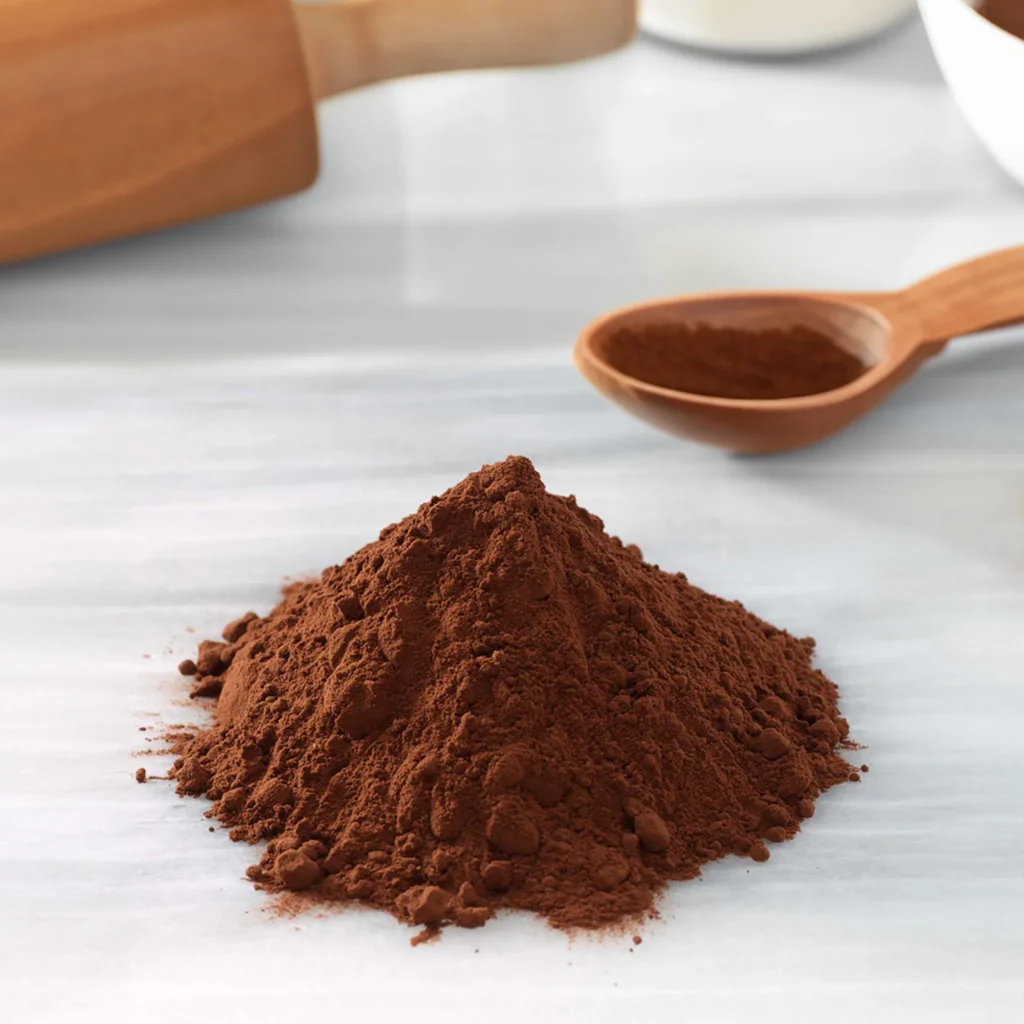
Spotlight on Premium Quality: Latamarko and the Benchmark of Spanish Engineering
Spanish manufacturing has long been admired for precision and durability. In the cocoa ingredient sector, Latamarko stands out as one of the most respected brands for industrial use.
Latamarko’s cocoa powders, known for their fine particle size and balanced pH profile, have set performance benchmarks in European and Middle Eastern markets alike. For Beirut-based importers and production plants, this means access to European-standard consistency—a critical differentiator in premium product lines.
Factories seeking to create high-end chocolate beverages, dessert mixes, or luxury baked goods find that Spanish-engineered cocoa powders like Latamarko’s deliver not only superior flavor but also predictable solubility in large-scale mixers.
The Manufacturing Perspective: Cocoa Powder in Bakery and Confectionery Applications
Cocoa powder isn’t a simple colorant—it’s a functional ingredient that behaves differently under thermal, mechanical, and moisture stress during production. Here’s how industrial bakeries in Lebanon optimize its use.
a. In Cakes and Muffins
Proper dispersion ensures uniform color and no clumping. Low-moisture absorption grades prevent density issues in batter mixing systems.
b. In Fillings and Frostings
High-fat cocoa powders increase creaminess and binding strength. Alkalized types enhance smooth chocolate tones without extra emulsifiers.
c. In Instant Drinks and Dairy Applications
Instant cocoa drinks rely on alkalized, low-acid powders that dissolve easily in cold milk. This minimizes sedimentation and improves consumer experience.
d. In Biscuit Production
Fat content directly affects dough elasticity. The right grade ensures consistent rolling, baking, and surface gloss in chocolate biscuits.
We’ve observed that many Lebanese factories underestimate the role of particle size and pH in production stability. Small variations can impact oven performance, especially in high-output lines.
Avoiding Common Procurement Pitfalls
Sourcing cocoa powder in bulk involves nuances that go beyond simply comparing prices. Many factories in Beirut have faced production losses due to poor-quality imports or inconsistent packaging.
Common Mistakes
- Overlooking Moisture Sensitivity: Cocoa powder readily absorbs moisture, clumping in storage if humidity control is weak.
- Neglecting Batch Testing: Even top brands can vary slightly across harvests. Always test small batches before scaling.
- Focusing Only on Color: Darker doesn’t always mean richer. Alkalized powders can appear intense but lack flavor if overprocessed.
- Ignoring Supplier Documentation: Missing COA or microbial tests can cause regulatory headaches during export inspections.
Smart procurement teams conduct supplier audits and implement strict incoming raw material validation procedures before integrating any new batch into production.
Pro Tips for Factory Managers: How to Optimize Cocoa Powder in Industrial Recipes
- Calibrate moisture control systems—even minor humidity swings alter cocoa’s flow rate in automated feeders.
- Pre-blend dry ingredients before introducing cocoa into liquid phases to avoid lumping.
- Use pH-stabilized cocoa for dairy-based applications to prevent curdling reactions.
- Benchmark suppliers annually to track performance consistency and negotiate better contract terms.
- Train production staff on cocoa behavior; understanding how fat content interacts with emulsifiers can drastically reduce wastage.
Import Logistics and Market Dynamics in Beirut
Lebanon’s port infrastructure in Beirut remains a critical gateway for bulk ingredient imports. Cocoa powder, classified as a dry food commodity, benefits from straightforward customs handling—but several logistics considerations matter:
- Optimal Packaging: 25–50 kg kraft paper bags with inner polyethylene lining prevent moisture penetration during sea transport.
- Storage Conditions: Warehouses should maintain below 25°C and under 65% relative humidity to ensure long shelf life.
- Supplier Documentation: Essential paperwork includes certificate of analysis (COA), phytosanitary certificate, and origin proof.
MT Royal has established strong logistics frameworks, allowing local manufacturers to import efficiently even during market fluctuations. We’ve supported multiple clients in setting up reorder systems that minimize both stockouts and overstocking risks.
Frequently Asked Questions
Q1: What is the typical shelf life of imported cocoa powder?
Most industrial cocoa powders maintain quality for up to 24 months under proper storage conditions. Always check the supplier’s COA for batch-specific data.
Q2: Which type is best for large bakeries in Beirut—natural or alkalized?
Alkalized cocoa is generally preferred due to its neutral pH and deeper color, ideal for consistent batch performance in automated lines.
Q3: Can cocoa powder be locally produced in Lebanon?
While Lebanon can repackage or blend imported cocoa, full-scale processing from beans requires infrastructure not currently available domestically.
Q4: What’s the advantage of sourcing through MT Royal?
At MT Royal, we provide multi-origin sourcing options, technical guidance, and long-term price stability contracts that help manufacturers operate efficiently.
Trends and Outlook: The Future of Cocoa Powder Imports in Beirut
Recent industry data suggests that Lebanon’s chocolate and bakery sectors are growing at over 8% annually, fueled by both domestic demand and exports to GCC markets. With this growth, the need for bulk, consistent, and certified cocoa powder imports will continue to rise.
Moreover, sustainability and traceability are becoming procurement standards. Global brands—like Latamarko—already lead the way by sourcing from sustainable cocoa farms with transparent supply chains. Beirut importers who align with such suppliers position themselves strongly in the export market.
Closing Reflection: Building the Future of Flavor and Reliability
Sourcing Bulk Cocoa Powder for Beirut Imports is no longer a transactional process—it’s a strategic partnership that defines a brand’s success. The most competitive manufacturers don’t just buy ingredients; they build relationships with suppliers who understand production realities, cost structures, and technical nuances.
At MT Royal, we believe in that partnership model. We’ve helped bakeries, chocolate makers, and food plants across the region optimize their sourcing strategies—balancing quality with profitability.
And as the industry evolves, one thing remains timeless: the unmistakable aroma and taste of good cocoa powder. In the heart of Beirut’s industrial kitchens, that aroma continues to define excellence—batch after batch, year after year.
latamarko alkalized cocoa powder lm60
cocoa powder for chocolate production-Best price
Food industry raw materials – list of products
Types of Gelatin from Turkish Manufacturer
Alkalized Cocoa Powder Bulk Supplier

No comment