

In industrial food manufacturing, success rarely depends on a single decision. It is the result of hundreds of quiet, technical choices made behind the scenes—ingredient selection, supplier reliability, formulation stability, and long-term consistency. For factories operating in Afghanistan, one ingredient that often sits at the center of these decisions is calcium caseinate. As a highly functional milk protein with strong nutritional and structural properties, calcium caseinate plays a decisive role in product quality, processing efficiency, and cost control.
Choosing the right calcium caseinate supplier for Afghanistan is not simply about sourcing a protein powder. It is about securing continuity, minimizing formulation risk, and working with a partner who understands industrial realities. MT Royal has earned the trust of manufacturers by supplying calcium caseinate from reliable origins, offering competitive pricing, and supporting factories with practical, production-focused expertise rather than generic sales talk.
This article is written for factory managers, production engineers, and procurement professionals who want clarity, depth, and real-world insight before making sourcing decisions that directly affect their production lines.
latamarko alkalized cocoa powder lm60
cocoa powder for chocolate production-Best price
Food industry raw materials – list of products
Types of Gelatin from Turkish Manufacturer
Alkalized Cocoa Powder Supplier
What Is Calcium Caseinate and Why It Matters in Industrial Production
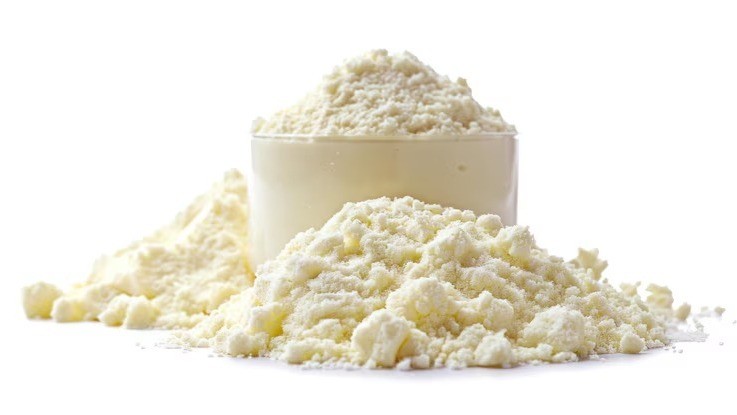
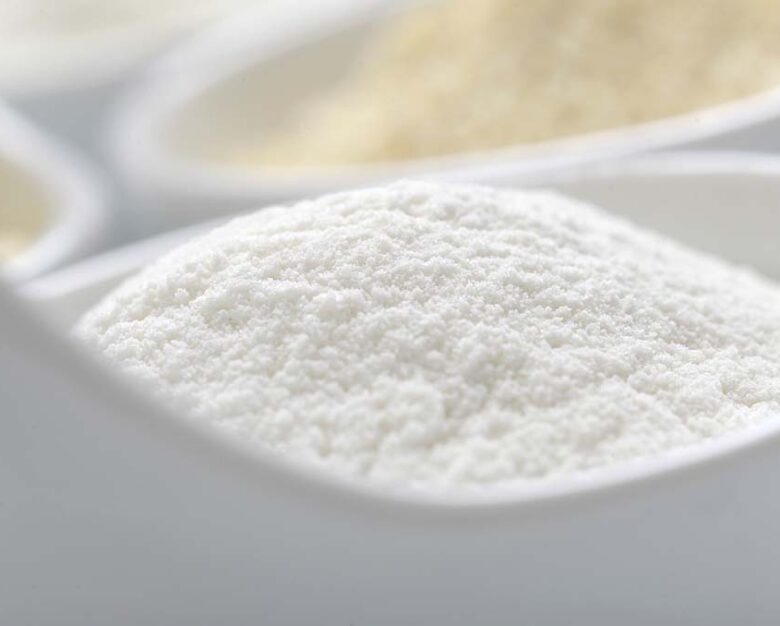
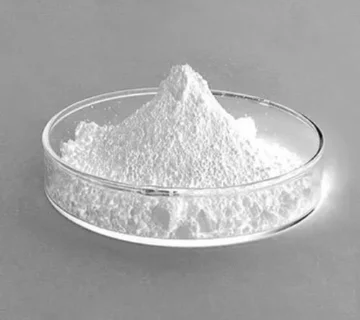
Calcium caseinate is a milk-derived protein produced by neutralizing acid casein with calcium compounds. The result is a protein ingredient that combines high nutritional value with unique functional characteristics. Unlike sodium caseinate, calcium caseinate is less soluble but offers superior heat stability, texture reinforcement, and mineral fortification.
From an industrial perspective, calcium caseinate is valued not only for its protein content but also for how it behaves during processing. It withstands thermal stress, improves mouthfeel, and contributes to structural integrity in a wide range of formulations.
Factories in Afghanistan increasingly rely on calcium caseinate in sectors such as dairy processing, nutritional products, bakery manufacturing, and specialized food formulations. Its role often extends beyond nutrition into texture control, cost optimization, and product differentiation.
Functional Properties That Define Calcium Caseinate
Understanding the technical behavior of calcium caseinate is essential before choosing a supplier. These properties are what make it indispensable in large-scale production.
Calcium caseinate offers excellent heat resistance, making it suitable for processes involving pasteurization, baking, or extrusion. It contributes to firm yet flexible textures, especially in protein-rich foods. Its calcium content adds nutritional value without introducing instability, a factor particularly important in fortified products.
Another key advantage is its compatibility with fat systems. Calcium caseinate helps stabilize emulsions, reducing phase separation and improving shelf stability. In applications where clean labeling and protein enrichment are priorities, it often replaces synthetic stabilizers or less functional proteins.
Industrial Applications of Calcium Caseinate in Afghanistan
Dairy and Analog Products
In processed cheese, yogurt alternatives, and recombined dairy products, calcium caseinate enhances body, improves sliceability, and supports consistent melting behavior. Factories using lower-quality protein sources often struggle with grainy textures or weak structure, issues that high-grade calcium caseinate helps eliminate.
Nutritional and Protein-Enriched Foods
Calcium caseinate is widely used in protein powders, medical nutrition, and fortified foods due to its slow digestion profile and balanced amino acid composition. It provides sustained protein release, making it valuable for products targeting endurance, recovery, or clinical nutrition markets.
Bakery and Confectionery Manufacturing
In bakery formulations, calcium caseinate improves dough strength, moisture retention, and crumb structure. It allows manufacturers to increase protein content without compromising processing performance or sensory quality.
Specialized Industrial Uses
Beyond food, calcium caseinate appears in coatings, encapsulation systems, and technical formulations where film formation and binding properties are required. These applications demand consistent particle size and controlled functionality, reinforcing the need for a dependable supplier.
Common Mistakes When Sourcing Calcium Caseinate
Despite its widespread use, many factories encounter avoidable challenges when sourcing calcium caseinate, especially in emerging markets.
One frequent mistake is focusing exclusively on protein percentage while ignoring functional behavior. Two products with similar protein content can perform very differently during processing. Another issue is inconsistent supply, where batch-to-batch variation disrupts formulation stability and increases waste.
Storage-related degradation is another overlooked risk. Calcium caseinate is sensitive to moisture and improper handling. Suppliers who fail to provide guidance on logistics and storage conditions indirectly increase production risk.
We have seen in multiple factory collaborations that these issues often originate not from the ingredient itself, but from supplier selection and communication gaps.
Calcium Caseinate vs Other Milk Proteins
For procurement teams, understanding how calcium caseinate compares to alternatives supports better decision-making.
Compared to sodium caseinate, calcium caseinate offers better heat stability and mineral content but lower solubility. Compared to whey proteins, it provides slower digestion, stronger texture contribution, and better performance in high-temperature applications. Acid casein, while useful in certain processes, lacks the ease of integration and nutritional balance that calcium caseinate delivers.
These differences matter at scale. Choosing the wrong protein source can lead to reformulation costs, production delays, or compromised product quality.
Industrial-Scale Processing Considerations
Hydration and Dispersion
Calcium caseinate requires controlled hydration to achieve uniform dispersion. High-shear mixing, gradual addition, and appropriate temperature control are essential to prevent lump formation.
pH and Ionic Balance
Its functionality is influenced by pH and calcium ion concentration. Slight adjustments can significantly affect viscosity, gel strength, and stability. Experienced suppliers understand these nuances and provide guidance accordingly.
Thermal Processing
Calcium caseinate performs well under heat, but excessive thermal exposure can still impact texture. Optimizing heating profiles helps preserve functionality while maximizing process efficiency.
Storage and Shelf Stability
Proper packaging, moisture control, and warehouse conditions are critical. Even high-quality calcium caseinate can lose performance if stored improperly, leading to unnecessary losses.
Why Supplier Reliability Matters More Than Price
In industrial environments, ingredient cost is only one part of the equation. Unreliable supply, inconsistent quality, or lack of technical support often cost far more than marginal price differences.
A reliable calcium caseinate supplier for Afghanistan must offer stable sourcing, documented specifications, and responsive communication. MT Royal focuses on long-term partnerships rather than transactional sales, ensuring that factories receive consistent product performance across shipments.
We have observed that factories working with stable suppliers experience fewer formulation changes, lower rejection rates, and smoother production planning.
MT Royal’s Role as a Calcium Caseinate Supplier for Afghanistan
MT Royal works with established manufacturers to supply calcium caseinate that meets industrial standards for protein content, purity, and functionality. Rather than pushing a single brand or origin, MT Royal offers flexibility, allowing factories to select products aligned with their technical and commercial needs.
Our experience across different production environments has shown that success comes from alignment between ingredient characteristics and processing conditions. This is why MT Royal emphasizes communication, documentation, and technical clarity at every stage of the supply process.
By positioning ourselves as a solution-oriented partner, we support factories in Afghanistan as they scale production, improve quality, and compete in demanding markets.
Frequently Asked Questions from Factory Managers and Procurement Teams
How does calcium caseinate differ in performance between suppliers
Performance differences often stem from raw milk quality, processing methods, and particle size control. Reliable suppliers provide consistent specifications and application guidance.
Is calcium caseinate suitable for high-temperature processing
Yes, it is one of the most heat-stable milk proteins available, making it ideal for baked goods, processed foods, and thermal treatments.
What should procurement teams prioritize when selecting a supplier
Consistency, documentation, technical support, and logistics reliability should outweigh short-term price considerations.
Can calcium caseinate support clean-label formulations
In many applications, it reduces the need for synthetic stabilizers while adding nutritional value, supporting cleaner formulations.
Market Trends and Future Outlook
Global demand for protein-enriched foods continues to rise, driven by health awareness, population growth, and functional nutrition trends. Calcium caseinate remains relevant due to its balanced nutritional profile and processing resilience.
For Afghan manufacturers, aligning with reliable suppliers positions them to meet future demand without repeated reformulation or supply disruptions. Strategic sourcing today creates operational stability tomorrow.
A Thoughtful Perspective on Supplier Choice
Selecting a calcium caseinate supplier for Afghanistan is not a routine purchasing task. It is a strategic decision that influences product quality, production efficiency, and brand credibility. Factories that invest time in understanding ingredient behavior and supplier capabilities gain long-term advantages that go far beyond cost per kilogram.
MT Royal stands alongside manufacturers who value consistency, transparency, and practical expertise. When supply chains are stable and ingredients perform as expected, production teams can focus on innovation, efficiency, and growth rather than troubleshooting avoidable problems.
Strong production starts with strong partnerships, and calcium caseinate is one ingredient where that principle becomes clearly visible on every production line.

No comment