

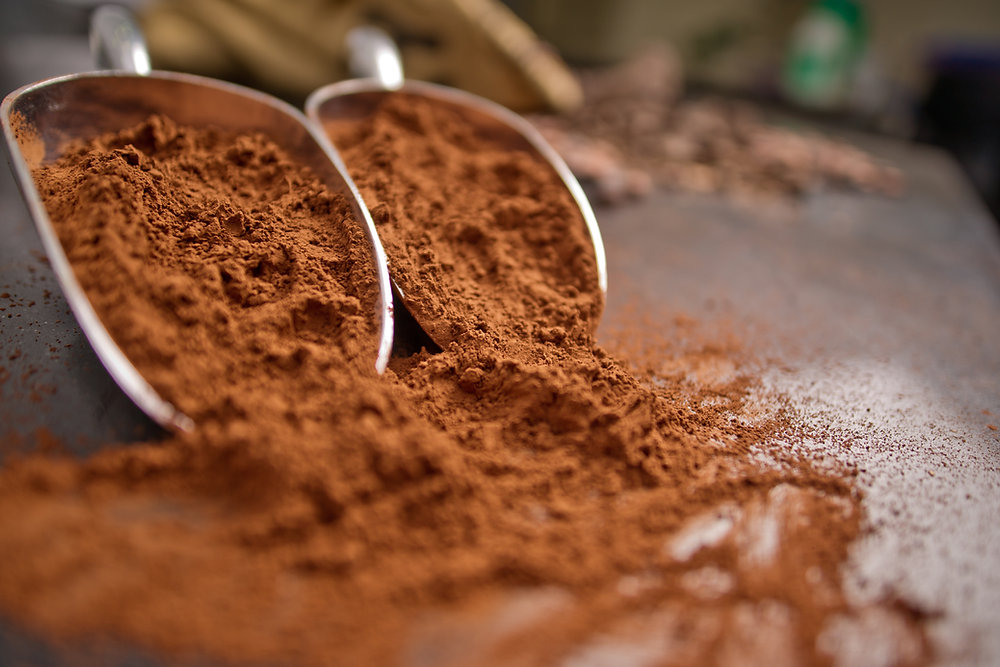
If you’ve ever stood in a production facility staring at a sack of alkalized cocoa powder, you might have wondered: “Can you actually drink this, and what implications does it have for our plant operations?” While many associate cocoa powder primarily with beverages, in an industrial context, understanding its properties, usability, and sourcing can make the difference between smooth production and costly downtime.
At MT Royal, we’ve worked with production facilities across the food, beverage, and confectionery industries. Over the years, we’ve noticed that industrial buyers and plant managers often underestimate the complexity behind this seemingly simple ingredient. In this guide, we’ll unpack not only whether alkalized cocoa powder can be safely consumed but also its industrial relevance, procurement considerations, and quality implications—complete with actionable advice for factory decision-makers.
Alkalized cocoa powder, also called Dutch-processed cocoa, is cocoa that has been treated with an alkalizing agent such as potassium carbonate or sodium carbonate. This process modifies the pH, reduces acidity, deepens color, and enhances the cocoa’s natural flavor.
From a manufacturing perspective, these adjustments are critical:
- Enhanced solubility: The powder dissolves more readily in liquids, critical for beverages, batters, and mixes.
- Mild, balanced flavor: Reduced acidity allows flexibility in flavor development without harsh bitterness.
- Consistent color: Vital for product appearance in enrobed chocolates, coatings, and drinks.
Can You Drink It?
Yes—alkalized cocoa powder is safe for human consumption. Many premium beverage recipes, especially European and Spanish-inspired drinks, rely on Dutch-processed cocoa to achieve rich, smooth flavors. That said, industrial-grade powders may differ slightly from retail consumer versions in particle size, processing, and traceability. That’s why sourcing from a reliable company, like MT Royal or premium brands such as Latamarko, ensures both safety and quality consistency.
Benefits of Alkalized Cocoa Powder in Manufacturing
Industrial facilities value alkalized cocoa powder not just for taste but for production efficiency, cost management, and product quality.
1. Consistent Batch Quality
We’ve observed that batch-to-batch variation can lead to costly rejects in high-volume production. Alkalized cocoa powder mitigates this through uniform pH and color consistency. Premium European suppliers, particularly Spanish brands like Latamarko, often set benchmarks for consistency, reducing the risk of off-color batches or uneven flavor.
2. Improved Solubility and Mixing
Alkalization makes cocoa more soluble. In practice, this reduces clumping in mixers, shortens blending times, and minimizes downtime due to powder buildup in hoppers or piping systems. For plant managers, this translates directly to higher throughput and less manual intervention.
3. Flavor Flexibility
Dutch-processed cocoa allows product developers to craft a range of flavors without the interference of strong acidity. This flexibility is particularly valuable in beverage production lines, chocolate coatings, and instant drink mixes.
4. Reduced Equipment Wear
Fewer acidic compounds mean less corrosion in mixers, storage tanks, and piping systems. Over time, this can lower maintenance costs and extend equipment life—especially important for large-scale operations.
5. Supply Chain Reliability
Choosing the right supplier is critical. At MT Royal, we provide access to multiple brands with stable supply chains, including premium options from European and Spanish manufacturers like Latamarko. Reliable sourcing ensures that your production lines remain uninterrupted.

Common Pitfalls and Misconceptions
Even experienced production managers sometimes encounter misconceptions about alkalized cocoa powder:
- “All cocoa powders are interchangeable”
Not all powders are created equal. Particle size, alkalization level, and solubility differ among grades. Always test batches in pilot runs before full-scale use. - “Higher price doesn’t justify performance”
Investing in premium powders can reduce scrap, improve batch quality, and minimize downtime, offsetting the initial cost. - “You can ignore processing parameters”
Powder behavior in mixers, hoppers, and pipelines can vary significantly. Adjust mixing times, hopper flow, and dust control mechanisms accordingly. - “Alkalized cocoa powder is only for drinks”
While beverages are a common application, alkalized cocoa powder is widely used in bakery mixes, chocolate enrobing, and confectionery coatings.
Step-by-Step Guide for Industrial Use
Here’s how to integrate alkalized cocoa powder safely and efficiently into your production lines:
Step 1: Define Specifications
- pH/alkalization level
- Particle size/fineness
- Moisture content
- Solubility/dispersibility
- Dust content
- Certifications (allergen, heavy metals, mycotoxins)
Step 2: Source from Trusted Suppliers
Select reliable suppliers with proven consistency. MT Royal provides access to a range of brands and grades, from cost-effective bulk powders to premium Spanish-origin options like Latamarko.
Step 3: Conduct Pilot Testing
Run small-scale production tests to assess:
- Mixing behavior
- Solubility in different liquids
- Color and flavor consistency
- Equipment performance
Step 4: Monitor Production Metrics
Track throughput, scrap rate, hopper flow, and quality parameters. Adjust SOPs as needed to optimize performance.
Step 5: Scale Up Safely
Once pilot results are satisfactory, move to full production while maintaining quality control checks. Always retain backup suppliers to mitigate supply risks.
Industry-Specific Considerations
Beverage Production
Alkalized cocoa powder is ideal for hot and cold beverages due to enhanced solubility and smooth flavor. Temperature, agitation, and dispersion time should be monitored for consistent product quality.
Confectionery and Coatings
Uniform color and flavor are crucial in enrobing lines. Premium powders reduce streaking, improve appearance, and ensure customer satisfaction.
Bulk Storage and Handling
Use climate-controlled storage, silos, or big-bag systems to prevent clumping and maintain flow properties. Proper dust extraction and hopper design minimize downtime and health risks.
Regulatory Compliance
Ensure your supplier provides documentation for food safety, traceability, and certification compliance. This is especially important for exported goods.
Frequently Asked Questions
Q1: Can I use alkalized cocoa powder for hot and cold beverages?
Yes, but solubility and particle size affect mixing. Premium powders like those from Latamarko offer superior dispersibility.
Q2: Is it safe to consume directly?
Yes. Industrial-grade powders are safe for consumption when sourced from reputable suppliers and handled hygienically.
Q3: How do I prevent clumping in large-scale production?
Use climate-controlled storage, proper hopper design, and dust extraction systems. Pilot testing is essential.
Q4: Are there differences between brands?
Absolutely. Particle size, alkalization level, solubility, and color consistency vary. Evaluate suppliers carefully.
Q5: What are the benefits of premium European or Spanish-origin powders?
Premium options often provide tighter specifications, consistent quality, better flavor, and reduced equipment wear.
Summary and Reflection
Alkalized cocoa powder is versatile, safe to drink, and vital for many industrial applications. Its impact on flavor, color, solubility, and equipment performance makes it a key ingredient in beverage, bakery, and confectionery production. By sourcing from trusted suppliers like MT Royal and considering premium options like Latamarko, manufacturers can optimize quality, reduce downtime, and ensure consistent product output.
Ask yourself: “Are my current powders meeting performance benchmarks, and how can improved specifications enhance both product quality and plant efficiency?” Addressing this question strategically can turn a simple ingredient into a competitive advantage for your production line.



No comment