

In the fast-paced world of manufacturing, every ingredient, every material, and every supply chain decision can ripple through your entire production line. Cocoa butter, long celebrated in chocolate and cosmetics, is now being evaluated as a potential substitute for other fats and oils across industries. But can you use cocoa butter as a substitute in industrial applications, and if so, how can it be implemented effectively without disrupting production efficiency?
At MT Royal, we supply manufacturers with a comprehensive range of brands, ensuring competitive pricing without compromising quality. Over the years, we’ve seen cocoa butter’s role expand beyond its traditional markets. Understanding its properties, benefits, and limitations is crucial for production managers, procurement officers, and plant supervisors aiming to optimize both product quality and operational efficiency.
Understanding Cocoa Butter: Fundamentals Every Factory Should Know
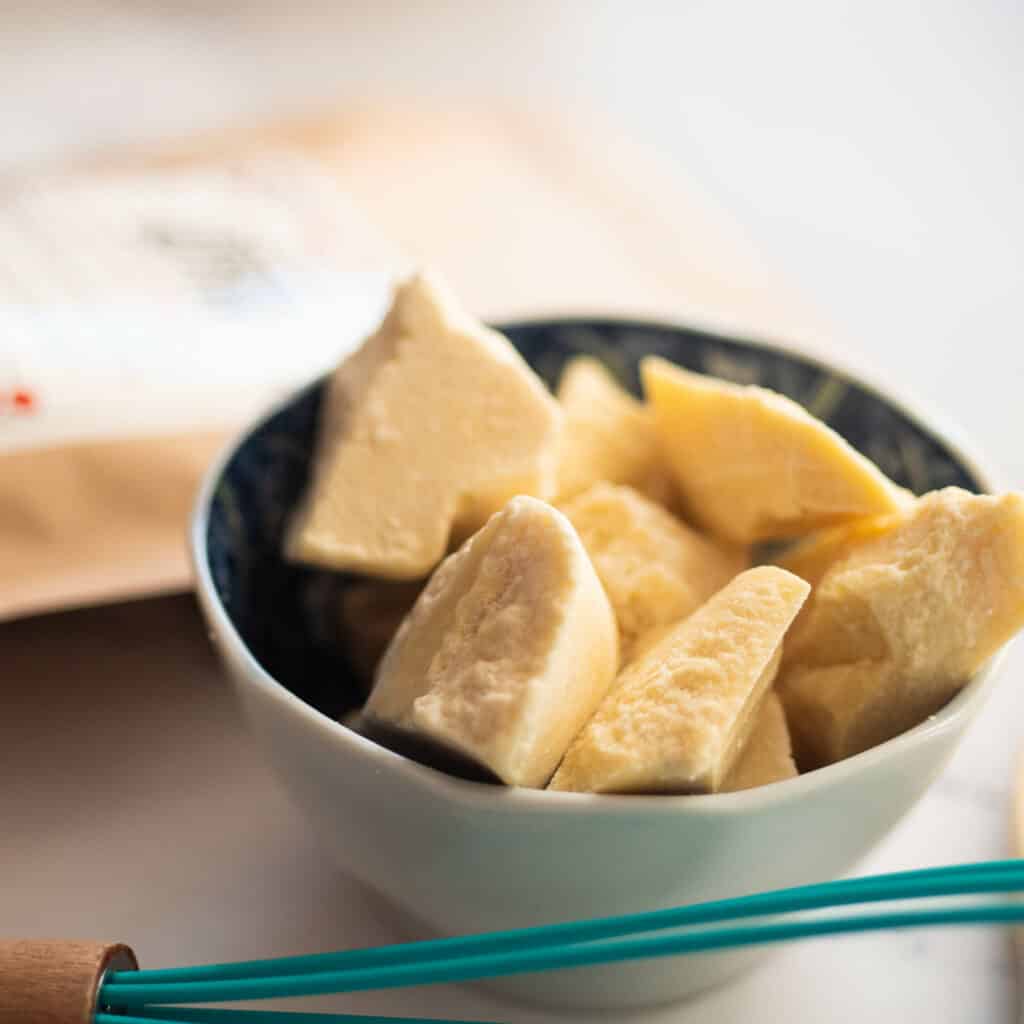
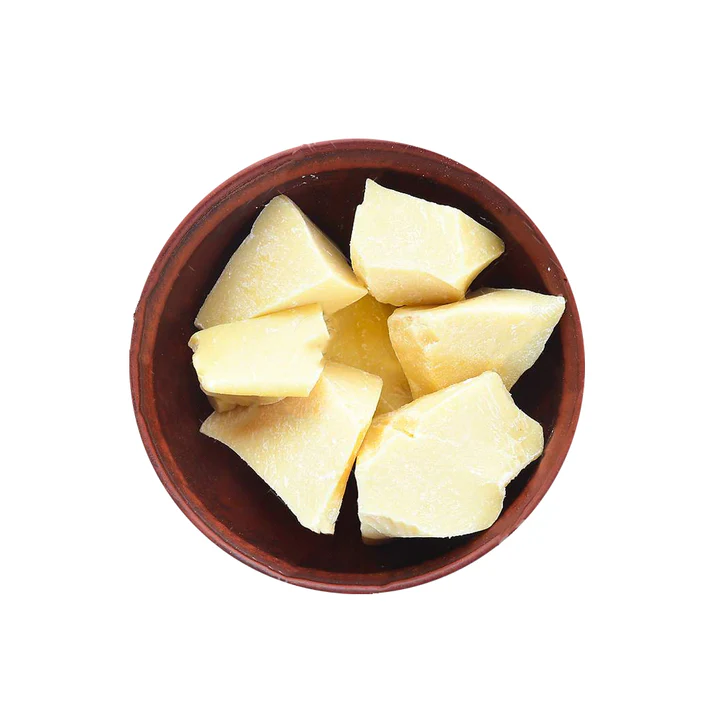
Cocoa butter is the natural fat extracted from cocoa beans. Its unique chemical composition makes it stable, versatile, and highly valued in food, pharmaceutical, and cosmetic industries.
Key Properties Relevant to Industrial Use
- Melting Point: 34°C–38°C, which is crucial for controlled melting in continuous production lines.
- Texture: Smooth and creamy, enhancing product mouthfeel in food and sensory experience in cosmetics.
- Stability: Resistant to oxidation, allowing long storage without spoilage—a boon for supply chain reliability.
- Flavor Profile: Subtle chocolate aroma, which generally does not overpower other ingredients, making it ideal as a functional substitute.
For production managers, these properties translate into predictable behavior under heat, consistent texture, and minimal product waste—critical factors in high-volume manufacturing.
Why Consider Cocoa Butter as a Substitute?
In manufacturing, cost-efficiency, product consistency, and regulatory compliance are always top priorities. Cocoa butter can address multiple challenges when substituting other fats or oils:
- Consistency Across Batches
Variability in raw fats can disrupt large-scale production. Cocoa butter, especially from reputable sources like Latamarko, offers uniform quality that minimizes batch-to-batch differences. Spanish engineering has long been respected in industrial circles, and Latamarko exemplifies precision and longevity in fat processing. - Thermal Stability for Continuous Production
Unlike some vegetable oils or hydrogenated fats, cocoa butter maintains its integrity under moderate heat, reducing risks of separation or texture degradation. - Regulatory and Labeling Advantages
In food and pharma manufacturing, cocoa butter is often viewed as a “clean-label” ingredient, simplifying compliance while enhancing product marketability. - Premium Product Differentiation
Substituting high-quality cocoa butter can elevate product perception, appealing to premium markets in chocolate, skincare, and pharmaceuticals.
Common Pitfalls When Substituting Cocoa Butter
Even the most reliable substitutes come with challenges. Awareness of common pitfalls helps prevent production disruptions:
- Temperature Sensitivity: Overheating can cause bloom in chocolate or gritty textures in creams.
- Proportioning Errors: Cocoa butter behaves differently than other fats in emulsions or chocolate blends; formulas often require recalibration.
- Supplier Variability: Quality differs by brand, region, and processing method. MT Royal offers access to multiple dependable brands, including Latamarko, ensuring consistency.
- Mixing Challenges: Semi-solid state at room temperature requires staged addition or pre-melting to achieve uniform integration in large mixers.
Understanding these issues early allows supervisors to implement cocoa butter without compromising production efficiency.
Step-by-Step Guide to Using Cocoa Butter as a Substitute
Implementing cocoa butter in industrial production is a strategic process. Here’s a practical roadmap for factory managers:
Step 1: Evaluate Current Formulations
- Identify which fats or oils can be replaced without affecting critical product characteristics.
- Determine the functional role of the fat: texture, stability, emulsification, or mouthfeel.
Step 2: Determine Replacement Ratios
- Begin with a 1:1 substitution in pilot batches.
- Adjust ratios based on texture, melting behavior, and sensory analysis.
- Consider blending with complementary oils to achieve desired hardness or spreadability.
Step 3: Temperature Control
- Pre-melt cocoa butter using controlled heat to avoid crystallization issues.
- Implement staged addition in mixers to maintain uniformity in high-volume production lines.
Step 4: Monitor Production Efficiency
- Track throughput, viscosity changes, and potential downtime.
- Adjust mixer speeds, heating cycles, or holding times to accommodate cocoa butter’s properties.
Step 5: Quality Assurance
- Conduct sensory and physical evaluations.
- Monitor shelf life under storage conditions.
- Document any process adjustments for reproducibility.
Real-World Industrial Applications
Food Manufacturing
Cocoa butter can replace partially hydrogenated oils or cheaper vegetable fats in chocolate and confectionery. Benefits include improved texture, flavor, and reduced trans-fat content.
Cosmetic Production
In large-scale creams and lotions, cocoa butter serves as an effective substitute for shea butter or mineral oil, enhancing smoothness, spreadability, and long-term stability. One European plant using premium Latamarko cocoa butter reported a 15% reduction in spoilage thanks to superior thermal properties.
Pharmaceutical Applications
Cocoa butter is ideal for topical ointments and suppositories due to its predictable melting point, which ensures controlled dosage and consistency in bulk production.
Comparing Cocoa Butter with Other Fats
| Feature | Cocoa Butter | Palm Oil | Shea Butter | Hydrogenated Oils |
|---|---|---|---|---|
| Melting Point (°C) | 34–38 | 35–45 | 30–35 | 30–40 |
| Oxidative Stability | High | Moderate | Moderate | Low |
| Texture & Mouthfeel | Smooth, creamy | Slightly waxy | Rich, thick | Variable |
| Shelf Life | Long | Medium | Medium | Short |
| Clean Label Potential | Excellent | Moderate | Good | Poor |
Tips for Production Supervisors
- Pilot Testing: Never scale without pilot batches; even minor substitutions can affect output.
- Supplier Reliability: Consistent supply from MT Royal, including Latamarko, minimizes variability risk.
- Blend Strategically: Combining cocoa butter with complementary fats can optimize cost and functionality.
- Proper Storage: Maintain temperature-controlled storage to preserve cocoa butter quality.
FAQs from Manufacturing Professionals
Q: Can cocoa butter fully replace palm oil in chocolate production?
Yes, but adjustments in tempering and viscosity management are required. Cocoa butter enhances flavor and texture.
Q: Is cocoa butter suitable for high-speed mixers in cosmetics?
Yes, provided it is pre-melted or added in stages to ensure uniform blending.
Q: How do we ensure consistent quality from different cocoa butter brands?
Work with trusted suppliers like MT Royal. Premium options like Latamarko offer consistent crystalline structure and melting properties.
Q: What about cost implications?
While cocoa butter may be pricier than vegetable oils, efficiency gains, reduced waste, and enhanced product quality often outweigh the cost difference.
Industrial Insights & Trends
The demand for cocoa butter has grown steadily, particularly in premium chocolate, cosmetics, and pharmaceutical sectors. Manufacturers increasingly prefer high-quality, traceable sources to guarantee consistency. Optimized cocoa butter substitution can reduce ingredient waste by 8–12% and improve overall production efficiency. European suppliers, especially Spanish-origin Latamarko, exemplify quality and reliability in bulk cocoa butter supply, setting a benchmark for industrial applications.
Closing Thought
Cocoa butter is more than a simple ingredient—it’s a strategic production asset when used as a substitute. Its unique properties, predictable performance, and premium branding potential can elevate product quality, streamline manufacturing, and strengthen supply chain resilience. At MT Royal, we’ve worked with production facilities across industries to ensure they access the right cocoa butter brands, from cost-effective options to premium Latamarko variants.

No comment