

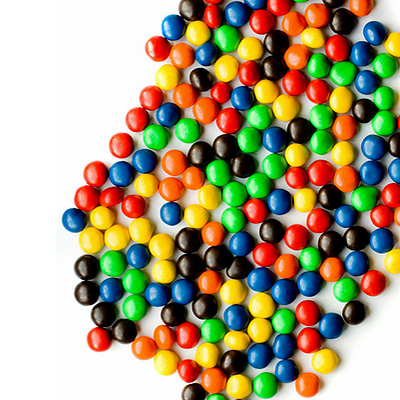
When manufacturers search for a Candy Ingredients Supplier for Afghanistan, they are rarely just looking for sugar, glucose syrup, or colorants. What they are really looking for is reliability in sweetness, stability in texture, predictability in processing, and the freedom to innovate without risking production failure. In confectionery manufacturing, ingredients are not passive inputs; they actively shape product identity, consumer trust, and long-term brand growth.
Afghanistan’s confectionery sector is quietly evolving. Traditional sweets are increasingly produced in semi-industrial and industrial formats, while imported candy brands are pushing local manufacturers to raise their standards. In this environment, the choice of a candy ingredients supplier becomes a strategic decision, not a transactional one. This is where experienced partners like MT Royal come into the picture—not as a loud advertiser, but as a steady presence behind factories that want to move forward with confidence.
This article is written to fully satisfy the intent behind Candy Ingredients Supplier for Afghanistan. It speaks directly to factory owners, production managers, R&D teams, and procurement professionals who need depth, realism, and practical insight grounded in industrial experience.
latamarko alkalized cocoa powder lm60
cocoa powder for chocolate production-Best price
Food industry raw materials – list of products
Types of Gelatin from Turkish Manufacturer
The Best Supplier of Alkalized Cocoa Powder in Türkiye
Why Candy Ingredients Matter More Than Ever in Afghanistan
Candy is deceptively complex. To the consumer, it is sweetness, color, and fun. To the manufacturer, it is a delicate balance of chemistry, heat control, moisture management, and timing. In markets like Afghanistan, where environmental conditions, logistics, and access to technical support can be unpredictable, ingredient quality becomes even more critical.
A single unstable ingredient can cause:
- Sugar crystallization in hard candy
- Stickiness and moisture migration in gummies
- Blooming or dull surfaces in coated sweets
- Flavor fade over shelf life
- Color instability under light or heat
These are not cosmetic issues. They directly affect returns, brand credibility, and production efficiency.
Understanding Candy Ingredients from an Industrial Perspective
Candy ingredients can be grouped into functional systems rather than isolated raw materials. Successful confectionery production depends on how these systems interact.
Sweetening Systems
Including sucrose, glucose syrup, fructose syrup, invert sugar, and specialty sweeteners. Each affects sweetness intensity, crystallization behavior, and water activity.
Gelling and Structuring Agents
Such as gelatin, pectin, agar agar, and modified starch. These determine texture, bite, and melt behavior.
Fats and Coatings
Including cocoa butter alternatives, compound coatings, and specialty fats that influence mouthfeel and heat resistance.
Flavor Systems
Natural and nature-identical flavors that must survive heat processing and maintain stability during storage.
Color Systems
Water-soluble and oil-dispersible colors designed for clarity, brightness, and regulatory compliance.
A professional candy ingredients supplier for Afghanistan understands these as interconnected systems, not independent purchases.

The Afghan Confectionery Landscape: Opportunities and Constraints
Afghanistan’s candy market reflects a blend of tradition and modernity. Local sweets coexist with gummies, lollipops, toffees, and hard candies inspired by international trends. Demand is driven by:
- A young population
- Urban retail expansion
- Seasonal peaks during holidays
- Growing interest in packaged confectionery
At the same time, manufacturers face constraints:
- Limited access to formulation troubleshooting
- Variability in storage conditions
- Sensitivity to raw material price fluctuations
- Dependence on consistent imports
These realities make supplier choice more consequential than in mature markets.
Common Mistakes When Sourcing Candy Ingredients
Buying Ingredients in Isolation
Selecting sugar from one source, gelling agents from another, and colors from a third without considering interaction effects.
Chasing the Lowest Price
Short-term savings often lead to higher rejection rates and reformulation costs.
Ignoring Climate Compatibility
Ingredients that perform well in temperate climates may fail under Afghan heat and humidity.
Switching Suppliers Too Frequently
In confectionery, consistency matters. Frequent changes destabilize production.
We have seen factories resolve persistent quality issues simply by standardizing their ingredient supply.
Key Candy Ingredients and Their Industrial Roles
Sugar and Sweeteners
Beyond sweetness, sugar controls crystallization, boiling point, and shelf stability. Glucose syrup reduces crystallization and improves chewiness. Invert sugar enhances smoothness but increases hygroscopicity.
Gelling Agents
Gelatin provides elasticity and melt-in-mouth feel. Pectin offers clean bite and fruit compatibility. Agar agar delivers heat stability. Modified starch enables cost efficiency and texture customization.
Acids and Buffers
Citric, malic, and lactic acids define flavor sharpness and influence gel strength.
Colors and Flavors
They must remain stable through high-temperature cooking and prolonged storage.
A reliable candy ingredients supplier for Afghanistan ensures these components are compatible, documented, and consistent.
Scaling Candy Production: What Changes at Volume
Small-batch candy tolerates variation. Industrial candy does not.
At scale, manufacturers must manage:
- Precise solids content
- Controlled water activity
- Uniform cooking temperatures
- Consistent ingredient hydration
Minor ingredient variability becomes amplified across thousands of kilograms. This is why experienced factories prioritize supply stability over novelty.
Global Trends Influencing Candy Ingredients
Several trends are shaping ingredient demand:
- Cleaner labels and simpler formulations
- Reduced sugar strategies
- Heat-resistant gummies for warm climates
- Plant-based gelling alternatives
- Enhanced color stability without artificial additives
Suppliers who follow these trends help manufacturers stay competitive without constant reformulation.

Why Supplier Expertise Matters More Than Product Lists
Any trader can offer sugar or gelatin. A true candy ingredients supplier understands:
- How ingredients behave under shear and heat
- How storage conditions affect shelf life
- How to balance cost with performance
- How to adjust formulations for local conditions
We have worked with factories that struggled for years with sticky gummies or cloudy hard candy until ingredient compatibility was addressed holistically.
MT Royal’s Role in Supporting Afghan Confectionery Producers
MT Royal positions itself as a solution-oriented supplier rather than a catalog seller. By sourcing candy ingredients from established producers and aligning them with factory needs, it reduces uncertainty for manufacturers.
We have seen that when factories stop firefighting ingredient issues, they regain focus on product development and market expansion. This is where long-term supplier relationships prove their value.
Frequently Asked Questions from Factory Managers
Why does my hard candy crystallize after a few weeks?
Usually due to sugar imbalance, insufficient glucose syrup, or moisture ingress.
Can one gelling agent work for all gummies?
Different textures require different systems. One size rarely fits all.
How does climate affect candy ingredients?
Heat and humidity accelerate moisture migration, flavor loss, and surface defects.
Is reformulation always necessary when changing suppliers?
Often yes. Even small differences can alter behavior.
Building a Stable Confectionery Future in Afghanistan
Candy manufacturing rewards patience and precision. The factories that succeed are not those chasing trends blindly, but those building stable foundations—starting with ingredients. A dependable candy ingredients supplier for Afghanistan acts as an invisible partner, quietly supporting every batch that leaves the line.
When ingredient systems are aligned, production becomes smoother, quality becomes repeatable, and innovation becomes less risky. This is not about selling more ingredients; it is about enabling better candy.



No comment