

If your factory in Afghanistan works in dairy processing, cheese production, nutritional food, protein-fortified products, packaging, adhesives, or even non-food industries such as composites or coatings, selecting the right Casein supplier in Afghanistan is a decision that can define your production’s success. Casein is not just another raw material — it’s a cornerstone ingredient whose quality, consistency, and supply stability directly influence final product texture, performance, and compliance.
At this critical junction, partnering with a dependable supplier like MT Royal can make all the difference. With access to established brands and stable sourcing lines, MT Royal offers the kind of reliability many producers search for but seldom find. From our collaborations with multiple industrial customers, we know how selecting the right type and grade of casein transforms the consistency, cost-efficiency, and scalability of production.
In this guide, I present a deep, practical, and expert-level overview to help procurement managers and technical directors navigate the complexities of sourcing casein — and make choices that safeguard quality, reduce risk, and support long-term growth.
Understanding Casein: What It Is and Why It Matters for Industry
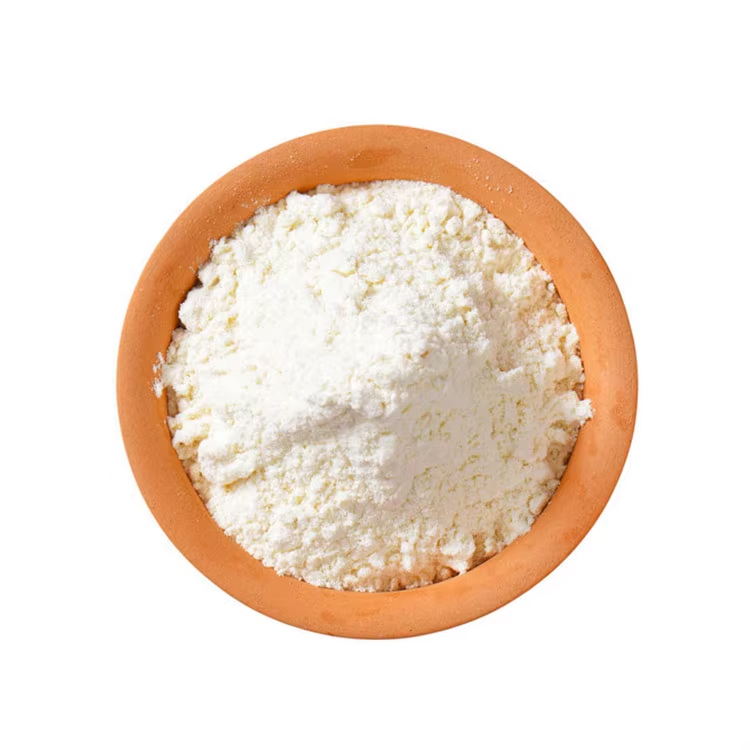
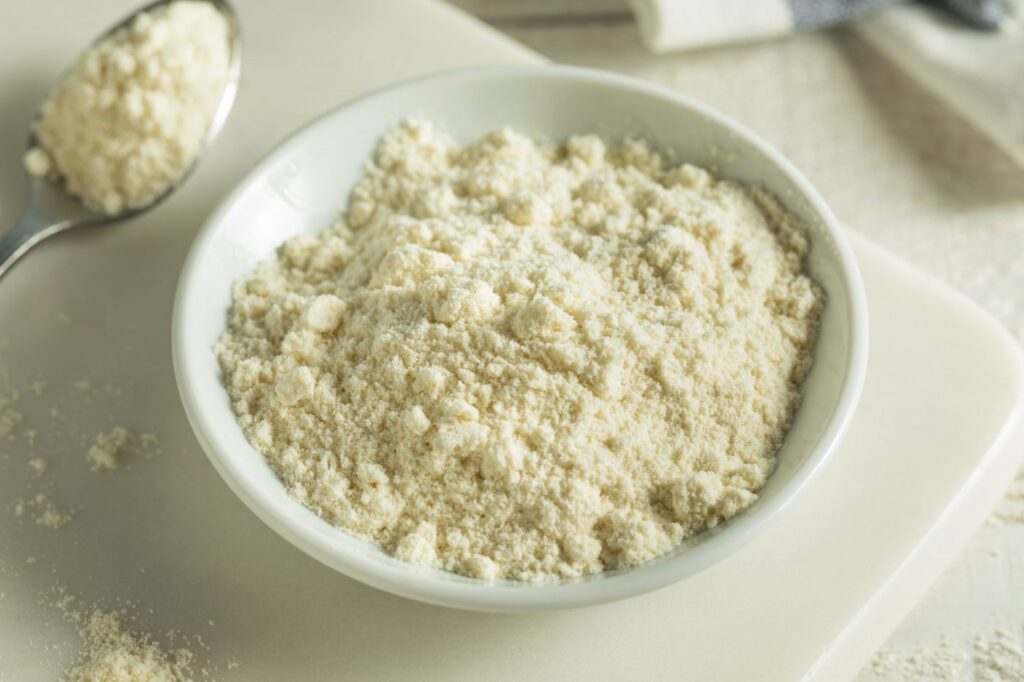
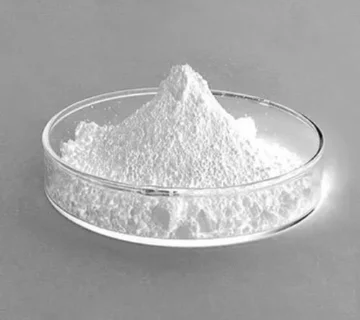
Casein is the primary protein in milk, making up roughly 80 % of its total protein content. After extraction and processing, casein becomes a powder — typically white to off-white — and is classified into several types depending on the method of extraction and intended application.
Common types used in industry include:
- Acid Casein — precipitated by acidification, widely used in food and non-food applications
- Rennet Casein — coagulated using rennet enzymes, commonly used when a more functional protein matrix is required
- Caseinates (e.g. sodium caseinate, calcium caseinate) — processed forms tailored for high solubility or specific functional properties, especially in food formulations
- Hydrolyzed Casein — used in special applications including microbial media or specialized nutrition/industrial products
Why is casein so important in industrial manufacturing? Because unlike whey proteins that tend to dissolve quickly, casein provides a slow-release protein matrix, can form gels, gives stable structure, and offers excellent emulsification or binding properties. These characteristics make it a backbone ingredient in many formulations.
For industries in Afghanistan — from dairy processing to adhesives, packaging, or food manufacturing — casein offers versatility, reliability, and performance when properly sourced.
The Market for Casein in Middle East & Africa (Including Afghanistan) — Trends & Demand
Globally, demand for casein and caseinates is growing, driven by rising consumption of processed foods, nutritional products, and functional foods. The Middle East & Africa region (which includes Afghanistan by trade links) contributes a meaningful share of global casein demand.
Several factors drive this demand:
- Increased urbanization leading to higher consumption of processed dairy and convenience foods
- Growing awareness of nutrition and protein-enriched products
- Expansion of food processing, beverage, and dairy sectors in emerging markets
- Demand for functional ingredients in non-food industries (adhesives, packaging, coatings)
For a factory in Afghanistan, these global and regional trends translate into growing potential — but equally increasing responsibility to secure reliable, quality supply.

Key Criteria for Choosing a Casein Supplier in Afghanistan
From our industrial experience and through reviewing supply-chain best practices, these are the essential criteria manufacturers should evaluate when selecting a casein supplier:
1. Consistent Quality & Batch-to-Batch Uniformity
Quality fluctuations are the silent killer of production consistency. A reliable supplier should offer:
- Known brand origin, not anonymous or unbranded powders
- Certificates of Analysis (COA) which detail protein %, moisture, ash, mineral content, microbial status, solubility, pH, etc.
- Demonstrable historical consistency — especially if you will scale up production.
2. Range of Casein Types & Functional Grades
Depending on your industry (food, adhesives, packaging, dairy, beverage), you may need:
- Acid casein for adhesives or certain foods
- Rennet casein for cheeses or products needing firm protein matrix
- Caseinates (sodium/calcium) for emulsions, beverages or processed foods
- Customized blends for non-food applications
A capable supplier should offer this variety — and guide you to the right choice.
3. Supply Capacity & Reliability
Industrial factories often consume multiple tons per month. A credible supplier must be able to:
- Offer consistent stock, regardless of seasonal or global supply fluctuations
- Provide transparent logistics and shipping conditions suitable for Afghanistan (including packaging, documentation, transport reliability)
4. Technical & Formulation Support
Casein performance highly depends on how it is used in formulation — mixing, pH, water content, interactions with other ingredients. Suppliers who simply deliver powder but do not support formulation often lead factories to suboptimal results.
5. Transparent Documentation & Traceability
To ensure food safety (for food-related industries) or compliance (for exports, health or packaging regulations), supplier must give traceable data: origin, production date/lot, lab analyses, storage conditions, packaging details.
6. Flexibility in Volume and Long-Term Contracts
Given global price fluctuations of dairy proteins, a supplier who offers flexible long-term agreements (quarterly/biannual) helps stabilize your cost structure and supply continuity.
Common Mistakes Afghan Factories Make When Purchasing Casein — and How to Avoid Them
Based on feedback from multiple producers and suppliers active in the region, these are frequent errors that lead to inefficiencies, waste, or product rejection:
Mistake 1: Choosing Based Solely on Price
Cheap powders often cut costs by compromising purity, functional performance, or by offering unverified composition. The result may show up as inconsistent texture, poor emulsification, bad binding, or instability over time.
Mistake 2: Ignoring the Type of Casein vs. Application
Using acid casein where rennet casein is required (or vice versa), or ignoring caseinate vs. micellar distinctions, leads to technical issues — for example, in cheese production, adhesives, or high-protein beverages.
Mistake 3: Skipping Sample Testing & COA Verification
Purchasing in bulk without verifying a sample batch practically guarantees surprise flaws in the first production run: solubility problems, unpleasant taste, bacterial contamination, or full batch rejection.
Mistake 4: Poor Packaging & Improper Storage
Casein is sensitive to moisture, contamination, and improper handling. Weak packaging or poor storage environments result in clumping, microbial growth, or deterioration.
Mistake 5: Relying on Single-Sourcing Without Backup
If supply chain is disrupted — due to logistic delays, production issues, or global shortages — having only one source spells production halt.
Avoiding these pitfalls starts with informed procurement criteria, technical awareness, and choosing the right supplier.
Industrial Applications of Casein — Where Quality and Functional Performance Matter Most
Because casein is versatile, it supports a broad range of end-products. Below are key application areas (relevant to Afghan factories) where sourcing high-quality casein makes a tangible difference:
Dairy & Cheese Production
- Rennet casein is particularly valuable in cheese or analog-cheese manufacturing, giving firm texture, stretchability, and appropriate melt behavior.
- Proper protein matrix reduces syneresis (water release), improves yield, and standardizes production outcomes.
Processed Foods, Meat Products, Sauces, Emulsions
- Caseinates (e.g. sodium caseinate) aid in emulsification, binding, moisture retention, and texture enhancement in processed foods, sauces, ready meals, and meat analogs.
- In sauces, dressings, and ready-to-eat meals, casein ensures texture stability and prevents separation.
Industrial Uses — Adhesives, Packaging, Coatings, Composites
- Casein (especially acid casein) remains a recognized protein glue — used in wood adhesives, paper sizing, packaging lamination, eco-friendly coatings.
- In packaging and composite materials, casein’s natural origin and mechanical properties make it a viable alternative to synthetic binders — particularly valuable for companies aiming at sustainable or biodegradable solutions.
Nutritional & Specialty Products
- In nutritional powders, meal replacements, protein-fortified food, casein provides slow-digesting protein, stability, and prolonged amino acid release — valuable traits for health-oriented or specialized nutrition products.
Why Region & Market Conditions Matter — And What It Means for Afghan Buyers
Recent analyses of the global casein market highlight that demand in Middle East & Africa is growing significantly, driven by changing consumer lifestyles, urbanization, and rising demand for processed and protein-enriched foods.
For a factory in Afghanistan, this means:
- Demand for quality raw materials (like casein) is likely to increase — if supply chains are well-established.
- Price volatility is possible due to global dairy market fluctuations, exchange rates, and logistic constraints — reinforcing the need for stable, multi-source supply agreements.
- Factories that secure a reliable supply chain and integrate high-quality casein early can gain a competitive edge, especially in value-added products or export-ready goods.
Why Choosing a Trusted Supplier Like MT Royal Matters
Given all these complexities, having a supplier who understands the nuances of casein — from functional grades to industrial logistics — is invaluable. MT Royal offers:
- Multiple types of casein (acid, rennet, caseinate) for food and non-food industries;
- Verified brands and documented quality (COA), ensuring consistency and traceability;
- Capacity to supply in bulk — crucial for medium/large factories;
- Flexibility in order volume, packaging, and supply schedules to suit industrial needs;
- Technical support and guidance on choosing the right type of casein for your application, avoiding formulation pitfalls.
From our experience, when factories in Afghanistan switched to sourcing via MT Royal, many reported smoother production, fewer batch failures, more predictable texture/consistency, and better cost control.
Frequently Asked Questions (FAQ) — What Factory Managers Most Commonly Ask About Casein Supply
Which type of casein is best for my factory’s application?
- For cheese and dairy analogues: Rennet Casein offers firm texture and structural stability.
- For adhesives, coatings, packaging, or non-food industrial use: Acid Casein is typically preferred.
- For emulsified foods, sauces, ready meals, protein beverages: Sodium or Calcium Caseinate is often most suitable.
Does European casein perform much better than Asian or Middle Eastern products?
European casein often offers slightly higher purity and more consistent functional properties, but many high-quality caseinates from other regions perform adequately — depending on your formulation needs and cost constraints.
Is sample testing and COA verification really necessary?
Absolutely. Many issues (solubility problems, microbial contamination, off-flavor, inconsistent behavior) surface only after formulation. Testing before bulk purchase is prudent, especially for food and export-grade production.
How to mitigate risk of supply disruption?
Use a supplier with multi-source access (different countries), maintain safety stock, and consider long-term contracts. Having options gives flexibility when global supply or logistic conditions fluctuate.
Can casein supply scale with growing production?
Yes — but only if your supplier has sufficient stock, logistical capacity, and flexibility. A supplier like MT Royal, with access to multiple brands and supply lines, makes scale-up feasible even when demand surges.
Strategic Recommendations for Afghan Factories Considering Casein Supply
- Start with a trial lot and thorough testing — never assume uniformity across suppliers or batches. Check solubility, pH, moisture, and functional behavior in your actual production formula.
- Define functional requirements clearly — whether you need binding, emulsification, gelation, nutritional protein content, shelf life, or mechanical properties. Match those to the casein type (acid, rennet, caseinate).
- Plan procurement cycles around market fluctuations — secure medium-term (3–6 month) contracts to avoid price spikes and supply gaps.
- Maintain proper storage practices — keep casein powder in dry, sealed packaging; avoid humidity, contamination, and temperature swings.
- Work with a supplier offering transparency and technical support — document COA, batch traceability, and production origin. Prefer suppliers comfortable discussing formulation details and handling logistics.
- For export-oriented production or regulated industries, ensure compliance — if product will be exported or certified, ensure supplied casein meets relevant food safety, additive, and purity regulations.
Final Reflection
Sourcing casein is more than ticking off a raw-material checklist — it is a strategic decision that affects your production’s resilience, product quality, consistency, and market competitiveness. In a region like Afghanistan, where supply chains, logistics, demand dynamics, and regulatory compliance can be challenging, selecting a reliable supplier is the foundation for success.
With a thoughtful sourcing strategy — testing, proper specification, quality documentation, storage, and a trustworthy supplier — your factory can turn casein from a risk into a strength.
When you choose wisely, you safeguard not just a batch or two — you safeguard the reputation, stability, and growth potential of your entire production line.

No comment