

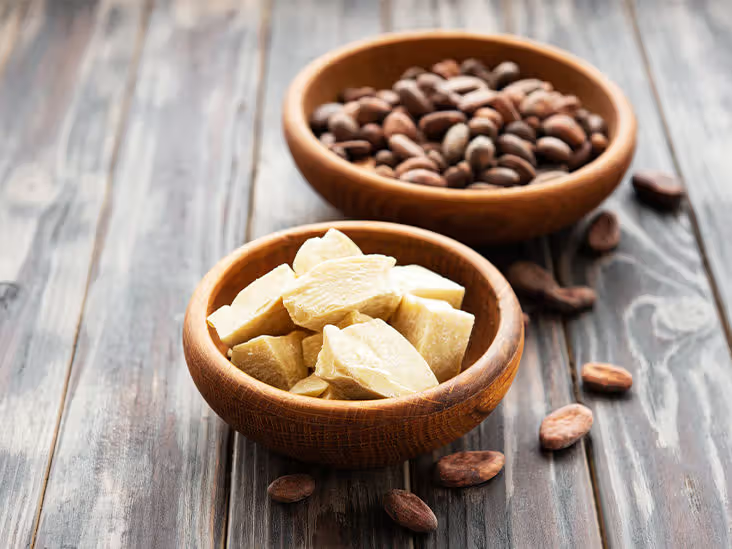
Cocoa butter is more than a cosmetic ingredient or chocolate component—it’s a critical raw material in food, confectionery, and cosmetic manufacturing. If you’re responsible for a production line or procurement, understanding cheap cocoa butter is vital: not just for cost savings, but for ensuring consistent quality, smooth processing, and reliable supply.
At MT Royal, we’ve supplied manufacturing facilities across the globe, helping plant managers and procurement officers balance cost, quality, and operational efficiency. While price is an important factor, choosing a cocoa butter solely for its low cost can introduce hidden risks. In this article, we explore cheap cocoa butter from an industrial perspective, providing actionable guidance, pitfalls to avoid, and practical examples to help you make informed decisions.
Understanding Cheap Cocoa Butter
What Is Cocoa Butter?
Cocoa butter is the fat extracted from cocoa beans. It is prized for:
- Melting properties – essential for chocolate tempering and confectionery coating.
- Texture and mouthfeel – contributes to the smooth, creamy experience in chocolate and cosmetic products.
- Stability – high oxidative stability makes it ideal for long shelf-life applications.
Cheap cocoa butter generally refers to lower-cost grades that may come from blended sources, mass-produced batches, or lower-specification suppliers. While these grades can be suitable for certain production lines, understanding their limitations is critical.
Types of Cocoa Butter
- Refined cocoa butter – high-purity, neutral flavor, excellent for premium chocolate and cosmetics.
- Unrefined (natural) cocoa butter – retains natural cocoa flavor and aroma, sometimes used in lower-cost confectionery or skin care.
- Blended / commodity cocoa butter – often cheaper, may vary in melting point and purity.
Tip: When evaluating cheap cocoa butter, focus on key quality metrics: free fatty acid (FFA) content, melting point consistency, moisture content, and traceability.
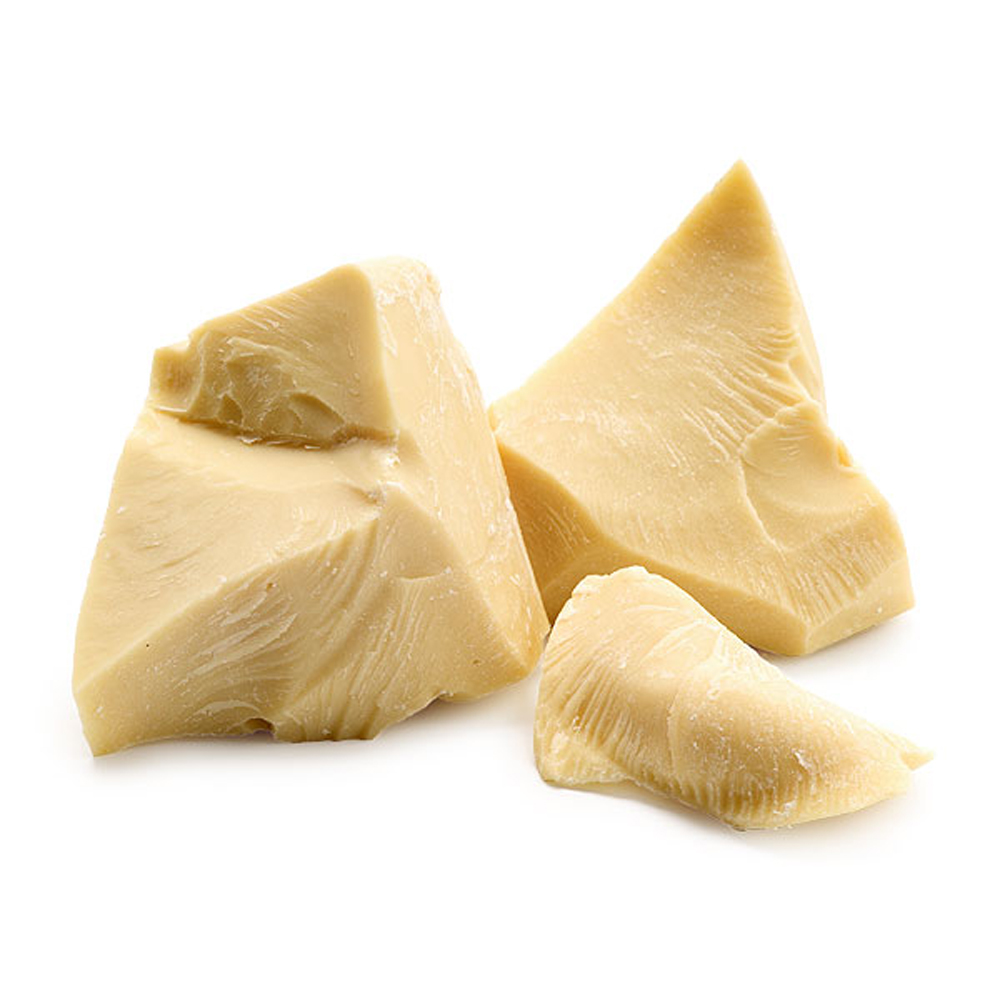
Benefits of Cocoa Butter in Industrial Manufacturing
Even when opting for a lower-cost grade, cocoa butter provides tangible benefits to large-scale manufacturing:
1. Smooth Processing and Equipment Efficiency
Cocoa butter contributes to viscosity control in chocolate tempering, coatings, and ganache. In our experience, using a stable cocoa butter, even a cost-effective option, minimizes mixer stress, reduces hopper blockages, and ensures smoother flow through pumps and conveyors.
2. Flexible Formulations
Cheap cocoa butter can be blended with other fats or specialty ingredients to achieve desired product textures, depending on whether you’re producing mass-market chocolate bars, bakery coatings, or cosmetic creams.
3. Cost Management
Lower-cost cocoa butter is attractive for high-volume production lines where minor variations are acceptable, or where end-consumer pricing is highly competitive. However, cost savings should be weighed against potential waste, quality inconsistencies, or equipment adjustments required for non-standard grades.
4. Supply Chain Resilience
Sourcing from reputable suppliers ensures that even inexpensive cocoa butter is consistent, traceable, and delivered reliably. At MT Royal, we provide access to multiple brands and grades, including premium Spanish-origin Latamarko, offering higher-grade alternatives for critical lines while maintaining cost-effective options.
Common Pitfalls in Cheap Cocoa Butter Procurement
Misconception 1: “All cocoa butter is the same”
Cheap cocoa butter can vary significantly in melting point, acidity, and purity. These variations can lead to:
- Chocolate bloom in finished products
- Equipment stress due to inconsistent viscosity
- Lower shelf-life due to higher free fatty acid levels
Advice: Always verify specifications and run pilot batches before committing to full-scale production.
Misconception 2: “Lower price guarantees savings”
Hidden costs often accompany cheaper grades:
- Higher scrap rates
- Inconsistent product appearance
- Increased equipment maintenance
Evaluating total cost of ownership is essential. At MT Royal, we guide clients to calculate cost per usable unit, considering downtime and rejects, not just per-kilogram pricing.
Misconception 3: “Premium grades aren’t necessary”
For high-end products, blending cheap cocoa butter with premium grades (like Latamarko) can optimize cost without sacrificing quality. Strategic use of premium cocoa butter improves texture, flavor, and customer perception while keeping overall costs manageable.
Step-by-Step Guide to Selecting Cheap Cocoa Butter
Step 1: Define Your Production Requirements
- Volume: Determine how much cocoa butter you need for your production scale.
- Application: Chocolate, bakery coatings, cosmetic creams, or chocolate fillings?
- Quality Metrics: Free fatty acids, melting point, purity, moisture, and traceability.
Step 2: Shortlist Suppliers
- Look for suppliers offering multiple brands and grades.
- MT Royal provides cost-effective options and premium alternatives, including Latamarko for critical applications.
- Check for consistent quality, documented batch testing, and food safety compliance.
Step 3: Pilot Testing
Run a small-scale trial to observe:
- Flow through mixers and pumps
- Melting behavior in tempering or coatings
- Product texture and shelf-life
- Color and taste consistency
Step 4: Monitor KPIs
Track scrap rate, downtime, batch yield, and equipment maintenance. Use this data to optimize purchasing and production.
Step 5: Scale Production
Once a grade proves reliable, implement full-scale production while maintaining quality monitoring and traceability protocols.

Comparison Table: Cocoa Butter Grades
| Grade | Cost Level | Melting Point | Purity | Recommended Use |
|---|---|---|---|---|
| Commodity / Cheap | Low | Variable | 90–95% | High-volume, cost-sensitive lines |
| Refined Premium | High | Consistent | 99%+ | High-end chocolate, cosmetic products |
| Latamarko Spanish Origin | Medium–High | Very consistent | 99%+ | Premium lines requiring superior quality and texture |
Industry-Specific Considerations
Chocolate Manufacturing
Cheap cocoa butter may be suitable for mass-market chocolate where minor color or texture variations are acceptable. Premium alternatives (like Latamarko) are preferred for bars requiring precise snap, shine, and shelf-life.
Cosmetic and Personal Care
Consistency in melting point and purity is essential for creams and lotions. Cheaper grades may be blended with premium cocoa butter to maintain performance while controlling costs.
Bulk Storage
- Temperature-controlled storage prevents bloom and quality degradation.
- Proper silos and big-bag systems reduce clumping and facilitate smooth handling.
Regulatory Compliance
Ensure all cocoa butter batches have certificates of analysis, traceability, and meet local food safety standards.
Frequently Asked Questions (FAQ)
Q1: Can cheap cocoa butter be used in all chocolate products?
A: Generally, yes for mass-market lines, but pilot testing is recommended for premium products to ensure desired texture and shelf-life.
Q2: How do I ensure quality from a low-cost supplier?
A: Require specification sheets, COAs, and run pilot batches. Track KPIs like scrap rate, flow behavior, and melting point consistency.
Q3: Is blending cheap and premium cocoa butter a good strategy?
A: Yes. It balances cost and quality, especially for mid-tier product lines or specialty chocolate.
Q4: How should cocoa butter be stored?
A: Keep in temperature-controlled, low-humidity environments. Use silos or big bags to minimize handling issues.
Summary and Reflection
Cheap cocoa butter can be an effective ingredient for large-scale manufacturing when selected carefully. It offers cost benefits, process efficiency, and flexibility, but requires awareness of quality metrics, supplier reliability, and potential hidden costs. Strategic blending with premium grades, such as Latamarko Spanish-origin cocoa butter, allows manufacturers to optimize both performance and cost.
Ask yourself: “How can our cocoa butter selection enhance production efficiency, minimize rejects, and maintain product quality without exceeding budget constraints?” The answer can transform a simple commodity into a strategic advantage for your facility.



No comment