

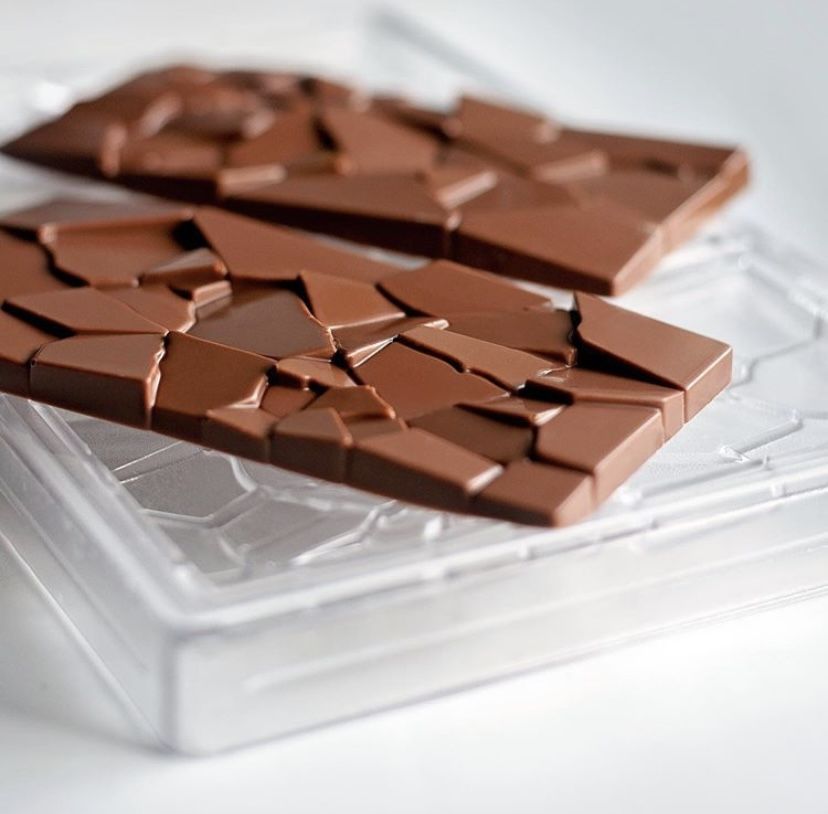
Imagine walking through the bustling floor of a chocolate factory in Cairo. The rhythmic hum of mixers, tempering machines, and enrobing lines fills the air. Operators monitor viscosity gauges, adjust temper curves, and ensure consistency in every batch. Behind the scenes, one decision made months ago—the selection of raw materials—affects every kilogram of chocolate produced.
For factory owners, production managers, and procurement officers in Egypt, understanding Chocolate Raw Materials for Egyptian Factories is not just a purchasing concern. It’s a strategic factor that impacts production efficiency, product quality, cost management, and ultimately, brand reputation. This guide delves into the nuances of raw material selection, supply chain considerations, technical specifications, and procurement strategies tailored for large-scale chocolate manufacturing operations.
Chocolate production may appear simple at first glance, but every ingredient plays a precise functional role. Cocoa solids, cocoa butter, sugar, milk powders, lecithin, emulsifiers, and flavorings interact in complex ways that influence viscosity, conching times, tempering behavior, shelf stability, and final texture.
At the core of these operations, cocoa-derived ingredients—particularly cocoa mass and cocoa butter—dictate flavor and flow characteristics. Meanwhile, sugar and milk powders impact sweetness, mouthfeel, and solubility. Emulsifiers such as lecithin or polysorbate optimize viscosity and improve machine efficiency.
For Egyptian factories, sourcing high-quality chocolate raw materials is compounded by import logistics, storage conditions, and environmental factors. Heat, humidity, and storage duration can all affect ingredient performance before production even begins.
Why Raw Material Selection is Strategic in Egypt
Egyptian chocolate manufacturers operate in a unique industrial environment. High ambient temperatures, variable humidity, and fluctuating energy costs challenge production consistency. Import dependency introduces supply chain volatility that can disrupt production if materials aren’t carefully managed.
Consider the following: a cocoa mass shipment with slightly lower fat content than specified may slow tempering times, alter viscosity, and force additional fat supplementation. Milk powders exposed to moisture during transit may clump, extending mixing times and affecting solubility. Even sugar particle size variations can impact refining efficiency and final texture.
Factories that align raw material selection with process requirements consistently outperform competitors, not only in quality but in operational efficiency.

Key Chocolate Raw Materials: Functional Roles in Production
Cocoa Ingredients
Cocoa mass (or cocoa liquor) forms the flavor foundation. Fat content consistency ensures predictable viscosity, simplifying tempering and refining. Cocoa butter contributes smoothness, snap, and mouthfeel. Premium European options, particularly Spanish brands like Latamarko, are recognized for stable fat composition and consistent flavor, making them ideal for high-quality lines.
Sugars and Sweeteners
Particle size and solubility of sugar influence refining speed and texture uniformity. In large-scale Egyptian factories, optimized sugar grades reduce energy consumption during refining and prevent gritty textures in finished products.
Milk Powders
Milk powders impact sweetness, creaminess, and solubility. Quality variations affect viscosity, conching times, and product shelf life. Low-moisture powders with uniform granulation perform best under warm climates, reducing downtime caused by clumping or uneven blending.
Emulsifiers and Stabilizers
Lecithin and polysorbates enhance flow and reduce viscosity, enabling higher throughput on enrobing and molding lines. Precise dosing ensures consistent chocolate temper and prevents fat bloom. Factories using European-grade emulsifiers often see better machine performance and less post-production variability.
Procurement Challenges in Egyptian Factories
Even seasoned procurement officers can fall into common pitfalls when sourcing chocolate raw materials:
- Price-Driven Decisions Without Performance Metrics
Focusing solely on the cost per ton may lead to selecting materials that underperform in refining, tempering, or enrobing processes. - Ignoring Supplier Consistency
Variability between shipments can disrupt production schedules, increase waste, and require reformulation adjustments. - Insufficient Storage and Handling Protocols
Raw materials are sensitive to temperature and humidity. Inadequate warehouse control can alter ingredient behavior before production begins. - Limited Technical Documentation
Absence of rheological data, particle size distribution, or microbiological reports reduces the ability to predict processing outcomes accurately.
In our experience supplying Chocolate Raw Materials for Egyptian Factories, addressing these challenges early ensures smoother production cycles and fewer surprises on the factory floor.
Actionable Tips for Industrial Buyers
- Evaluate Performance, Not Just Specs: Conduct pilot production tests to assess viscosity, conching time, tempering behavior, and flavor before committing to bulk orders.
- Balance Quality and Cost Strategically: Premium ingredients like Latamarko cocoa products may cost more upfront but reduce downtime and post-production adjustments.
- Collaborate with Suppliers: Long-term relationships with trusted partners such as MT Royal provide access to multiple brands, technical support, and reliable supply chains.
- Plan for Environmental Conditions: Account for Egypt’s heat and humidity when deciding storage temperature, moisture controls, and inventory rotation strategies.
- Diversify Suppliers: Maintain multiple sourcing options to reduce risks from delayed shipments or market fluctuations.
Real-World Industrial Scenario
A mid-size Egyptian factory producing milk chocolate bars faced inconsistent tempering during summer months. Initial assumptions blamed equipment calibration. However, a thorough analysis revealed the root cause: fluctuating fat content in cocoa mass shipments from a single supplier. Switching to a more consistent premium-grade cocoa mass reduced tempering variability and improved line efficiency by 12%.
This scenario highlights the importance of raw material reliability over equipment adjustments alone. The correct material selection can transform production efficiency without costly machinery upgrades.
Comparing Raw Material Options: Quality Tiers
| Ingredient | Standard | Premium (e.g., Latamarko) | Impact on Production |
|---|---|---|---|
| Cocoa Mass | Variable fat 50–54% | Consistent fat 54–56% | Improves tempering, reduces reformulation |
| Cocoa Butter | Industrial grade | European refined | Enhances mouthfeel, snap, reduces bloom |
| Milk Powder | Local low-moisture | Imported, uniform | Reduces clumping, improves solubility |
| Sugar | Industrial crystalline | Optimized particle size | Faster refining, smoother texture |
| Emulsifiers | Standard lecithin | Food-grade European | Consistent viscosity, machine efficiency |
Selecting the right tier depends on your product line, margin goals, and process capabilities. Strategic allocation—premium for high-end products, standard for bulk lines—maximizes both quality and cost efficiency.
Frequently Asked Questions
How much inventory should a factory maintain?
Safety stock depends on production volume, supplier lead time, and storage capabilities. Many Egyptian factories keep 2–4 weeks of raw materials as a buffer against shipping delays.
Does origin affect performance significantly?
Yes. Cocoa origin influences flavor, fat composition, and particle structure. However, consistent supplier processing can mitigate variability.
Are premium materials worth the investment?
Premium materials often reduce production inefficiencies, minimize waste, and enhance product consistency. The ROI can outweigh higher upfront costs.
Can storage conditions affect chocolate processing?
Absolutely. Temperature, humidity, and exposure duration impact viscosity, solubility, and tempering behavior. Controlled storage is critical.

Partnering with Trusted Suppliers
At MT Royal, we supply Egyptian factories with a comprehensive range of chocolate raw materials, balancing competitive pricing with quality and reliability. We’ve worked with production facilities across multiple sectors, and we understand that successful procurement is as much about partnership and technical insight as it is about cost.
By collaborating closely with suppliers, factories gain access to diverse brands, technical support, and materials that perform consistently under real-world conditions. This partnership approach ensures efficiency gains and production reliability over time.
Closing Thought
Selecting the right Chocolate Raw Materials for Egyptian Factories is far more than a routine supply chain decision—it is a strategic lever that can define the efficiency, consistency, and profitability of your entire production operation. Every kilogram of cocoa mass, every batch of milk powder, and every packet of sugar carries potential ripple effects that extend from the mixer to the finished product on the shelf.
The raw materials you choose today influence not only the texture, flavor, and shelf life of your chocolate but also your production timelines, energy consumption, and equipment wear. Poorly matched or inconsistent ingredients can slow refining, disrupt tempering, increase waste, and require constant adjustments, ultimately raising costs and eroding brand reliability. On the other hand, high-quality, consistent materials enable smoother lines, predictable outcomes, and products that meet your exact standards batch after batch.
In essence, investing time and insight into sourcing the right raw materials is an investment in operational excellence, long-term cost control, and customer satisfaction. The factories that recognize this often gain a competitive edge—not just in output, but in the trust and loyalty of their end consumers.
LATAMARKO LM60 – Premium Spanish-Origin Cocoa Powder
latamarko alkalized cocoa powder lm60
cocoa powder for chocolate production-Best price
Food industry raw materials – list of products
Alkalized Cocoa Powder Price: Complete Buyer Guide for 2026


No comment