

In today’s industrial food production landscape, consistent ingredient quality and reliable supply chains are critical to operational efficiency and product performance. Among key functional additives, Citric Acid Esters of Mono- and Diglycerides (E472c) serve as essential emulsifiers, stabilizers, and dough conditioners. For factories and large-scale food manufacturers, sourcing from a trustworthy Citric Acid Esters E472c Exporter can significantly improve product texture, shelf life, and process reliability.
At MT Royal, we have extensive experience supplying E472c to industrial clients across bakery, confectionery, spreads, and other processed food sectors. In our collaboration with various factories, we have observed that the difference between flawless production runs and costly inconsistencies often lies in the quality of functional additives like E472c. This guide provides an in-depth overview of E472c, common sourcing mistakes, technical guidelines for industrial applications, and actionable strategies for large-scale procurement.
Understanding Citric Acid Esters E472c: Definition and Industrial Role
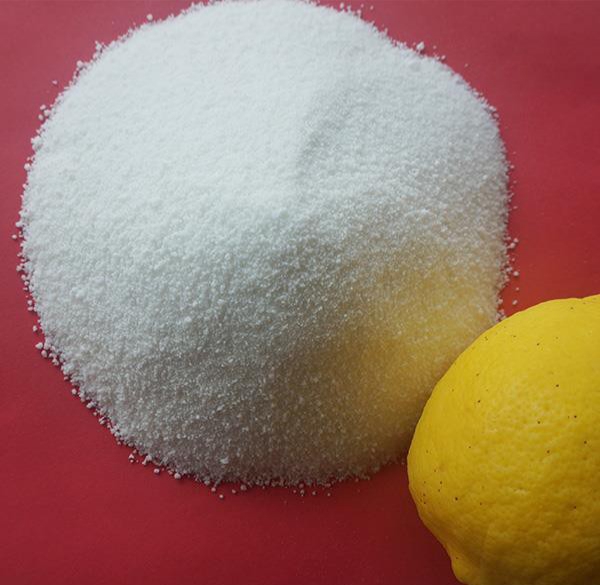
Citric Acid Esters E472c are food-grade emulsifiers synthesized from citric acid and mono- and diglycerides of fatty acids. They are widely used to stabilize emulsions, condition dough, and improve the texture and shelf life of processed foods.
Key Functional Properties
- Emulsification: Supports stable oil-in-water emulsions.
- Dough Conditioning: Enhances elasticity, machinability, and volume of bakery products.
- Shelf Life Extension: Reduces staling and improves product softness.
- Solubility: Soluble in fats, oils, and partially soluble in aqueous systems.
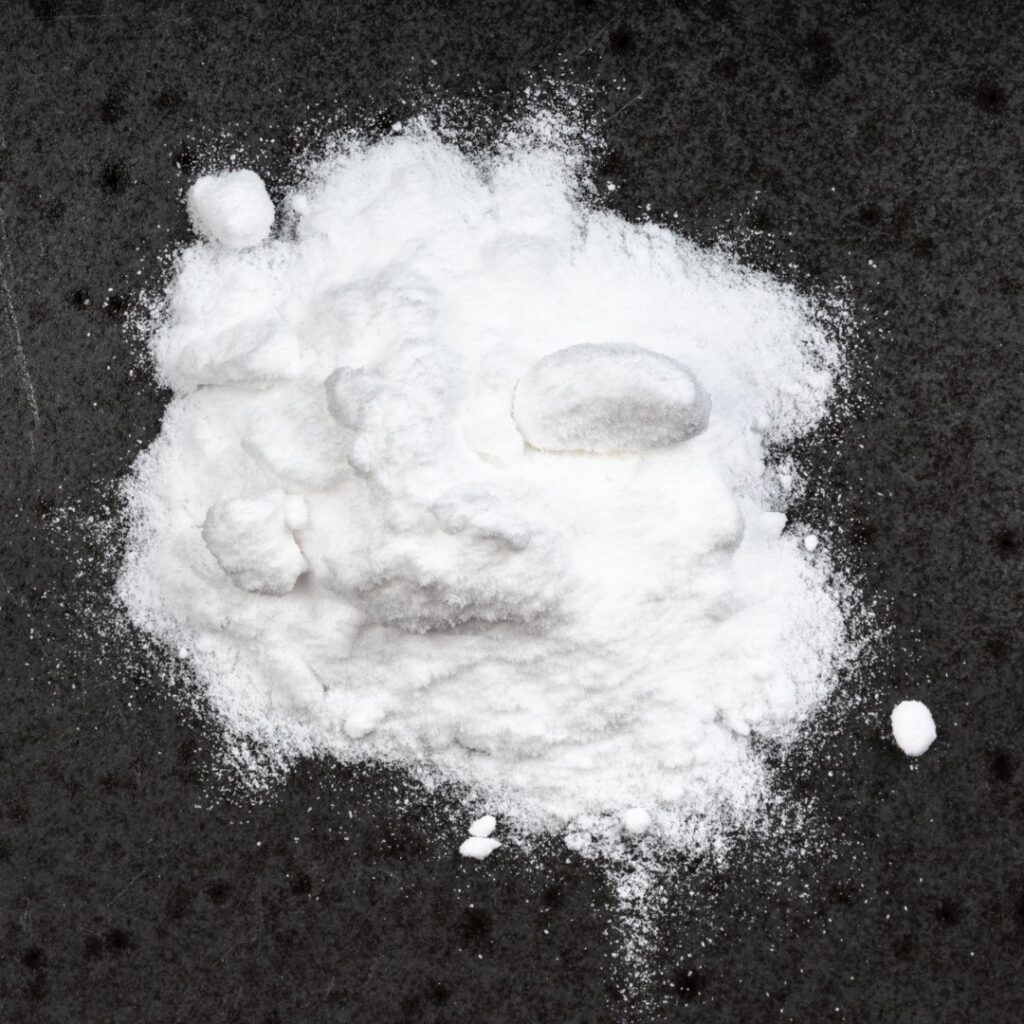
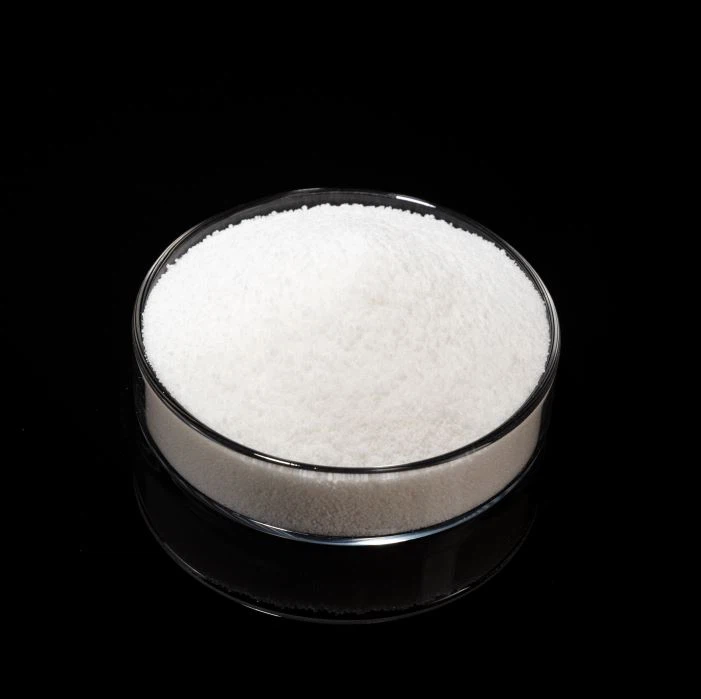
- Appearance: Pale yellow to amber viscous liquid or powdered form depending on grade.
Industrial Applications
- Bakery Products: Bread, rolls, cakes, and pastries benefit from improved dough strength, volume, and texture.
- Margarine & Spreads: Enhances fat-water emulsification, spreadability, and stability during storage.
- Confectionery: Stabilizes chocolate and cream fillings, preventing fat and sugar separation.
- Other Processed Foods: Sauces, dressings, and functional foods use E472c for texture and emulsion stabilization.
Why a Reliable Exporter Matters
Selecting a reputable Citric Acid Esters E472c Exporter ensures consistent quality, regulatory compliance, and technical support. Poor-quality E472c can lead to production inefficiencies, inconsistent product texture, and regulatory non-compliance.
Common Mistakes in Sourcing
Even experienced procurement teams can make critical mistakes when sourcing E472c. Awareness of these pitfalls helps prevent costly production issues.
Focusing Solely on Price
Low-cost E472c may be attractive, but inconsistent quality often results in variable dough handling, unstable emulsions, and product defects. Factories benefit more from a supplier that guarantees batch-to-batch consistency and provides technical guidance.
Ignoring Regulatory Compliance
E472c must meet EU food additive regulations, FDA standards, and other relevant certifications. Unverified or uncertified products can lead to recalls, fines, or reputational damage. MT Royal provides fully certified E472c for industrial use.
Overlooking Functional Specifications
Variations in HLB, acid value, viscosity, or solubility affect dough conditioning, crumb structure, and product stability. Factories that do not verify these parameters risk inconsistent outcomes.
Inadequate Storage and Handling
E472c is sensitive to heat and moisture. Improper storage can degrade emulsifier functionality. MT Royal supplies detailed storage recommendations to maintain quality.
Neglecting Supply Chain Reliability
Global logistics issues, raw material shortages, and seasonal demand can disrupt production. A dependable exporter maintains buffer stock and diversified sourcing channels to mitigate risks.
Industrial Procurement Tips
Sourcing Citric Acid Esters E472c effectively requires combining technical understanding with operational planning.
Match Specifications to Application
- Bakery: Confirm HLB, viscosity, and solubility for optimal dough conditioning.
- Margarine & Spreads: Ensure compatibility with fat content and melting characteristics.
- Confectionery: Check acid value and saponification value to prevent fat and sugar separation.
Verify Exporter Credentials
Always request Certificates of Analysis (CoA), Safety Data Sheets (SDS), and regulatory compliance documents. MT Royal provides full documentation and technical support for audits and formulation integration.
Optimize Storage and Handling
- Temperature: Store between 15–25°C to prevent degradation.
- Moisture Control: Keep containers tightly sealed to prevent water absorption.
- Shelf Life: Monitor expiration dates and rotate stock using FIFO principles.
Forecast Consumption Accurately
Industrial usage depends on batch size, production cycles, and product type. Accurate forecasts prevent shortages, minimize overstock, and reduce storage costs.
Comparison and Supplier Evaluation
Choosing the right exporter requires evaluating multiple factors:
| Criteria | Importance | MT Royal Approach |
|---|---|---|
| Certifications | Regulatory compliance | ISO, EU, FDA certified; CoA per batch |
| Batch Consistency | Product stability | Traceable, uniform batches with technical guidance |
| Technical Support | Formulation optimization | Expert advice on HLB, dosage, and functionality |
| Supply Reliability | Uninterrupted production | Buffer stock and diversified logistics |
| Pricing & Terms | Cost-effectiveness | Competitive pricing with flexible delivery options |
Technical Metrics for Industrial Applications
- HLB Value: Determines suitability for oil-in-water or water-in-oil emulsions.
- Viscosity: Influences dosing, mixing, and dough handling.
- Acid/Saponification Values: Indicate purity and performance.
- Compatibility: Ensures synergy with lecithin, mono- and diglycerides, and other emulsifiers.
- Microbial Limits: Critical for bakery and processed foods.
Specialized Guidelines for Large-Scale Production
Large-scale operations require careful management of emulsifiers like E472c:
- Batch Consistency: Minor variations in HLB or viscosity can destabilize dough and emulsions. MT Royal guarantees uniform quality.
- Process Integration: Evaluate solubility, temperature tolerance, and compatibility with other ingredients.
- Storage Management: Use temperature-controlled storage, sealed containers, and proper labeling.
- Regulatory Documentation: Maintain CoA, SDS, and batch records for audits.
Dosage and Formulation Recommendations
- Typical industrial usage ranges from 0.2% to 1% depending on the application.
- Conduct pilot testing before full-scale production.
- Combining E472c with lecithin or other emulsifiers enhances dough conditioning and emulsion stability.
Emerging Trends
Sourcing E472c is influenced by market, regulatory, and technological trends:
- Clean Label Products: Growing demand for natural and minimally processed emulsifiers.
- Sustainable Sourcing: Traceable, renewable raw materials are increasingly required.
- Customized Functional Blends: Suppliers offer specific HLB, viscosity, and solubility profiles.
- Digital Supply Chain Management: Real-time inventory tracking and predictive procurement optimize efficiency.
- Cross-Industry Applications: Beyond bakery and spreads, E472c is applied in confectionery, sauces, and specialty processed foods.
Frequently Asked Questions
How do I choose the right E472c for my factory?
Consider HLB, viscosity, solubility, and application type. Bakery, margarine, and confectionery require specific functional parameters.
What certifications are required for export?
ISO, EU, and FDA compliance, along with CoA per batch. MT Royal provides all documentation for regulatory compliance and audits.
How should E472c be stored?
Store in sealed, moisture-free containers at 15–25°C. Use FIFO rotation to maintain functionality.
Can one exporter supply multiple grades?
Yes. MT Royal provides multiple industrial grades suitable for bakery, margarine, confectionery, and other processed foods.
How can I ensure batch consistency?
Request CoA, conduct pilot testing, and maintain supplier audits. Key parameters include HLB, viscosity, acid value, and functional performance.
Practical Procurement Strategies
- Flexible Contracts: Adjustable quantities and delivery schedules for seasonal production.
- Pilot Testing: Validate emulsifier performance before full-scale production.
- Collaborative Supplier Relationships: Engage exporters for formulation support and troubleshooting.
- Market Intelligence: Monitor raw material availability, pricing trends, and regulatory updates to stay proactive.
Final Thoughts
Strategically sourcing Citric Acid Esters E472c is vital for dough conditioning, emulsification, and industrial food processing. Prioritizing certified exporters, verifying functional specifications, ensuring supply reliability, and following proper storage guidelines turns procurement into a competitive advantage.
MT Royal exemplifies the trusted partner that combines product quality, regulatory expertise, and operational reliability. Collaborating with a professional Citric Acid Esters E472c Exporter ensures your factory maintains efficiency, compliance, and superior product quality across all production lines.
LATAMARKO LM60 – Premium Spanish-Origin Cocoa Powder
latamarko alkalized cocoa powder lm60
cocoa powder for chocolate production-Best price
Food industry raw materials – list of products
Types of Gelatin from Turkish Manufacturer
Food Raw Material Supplier in Germany for the Food Industry



No comment