

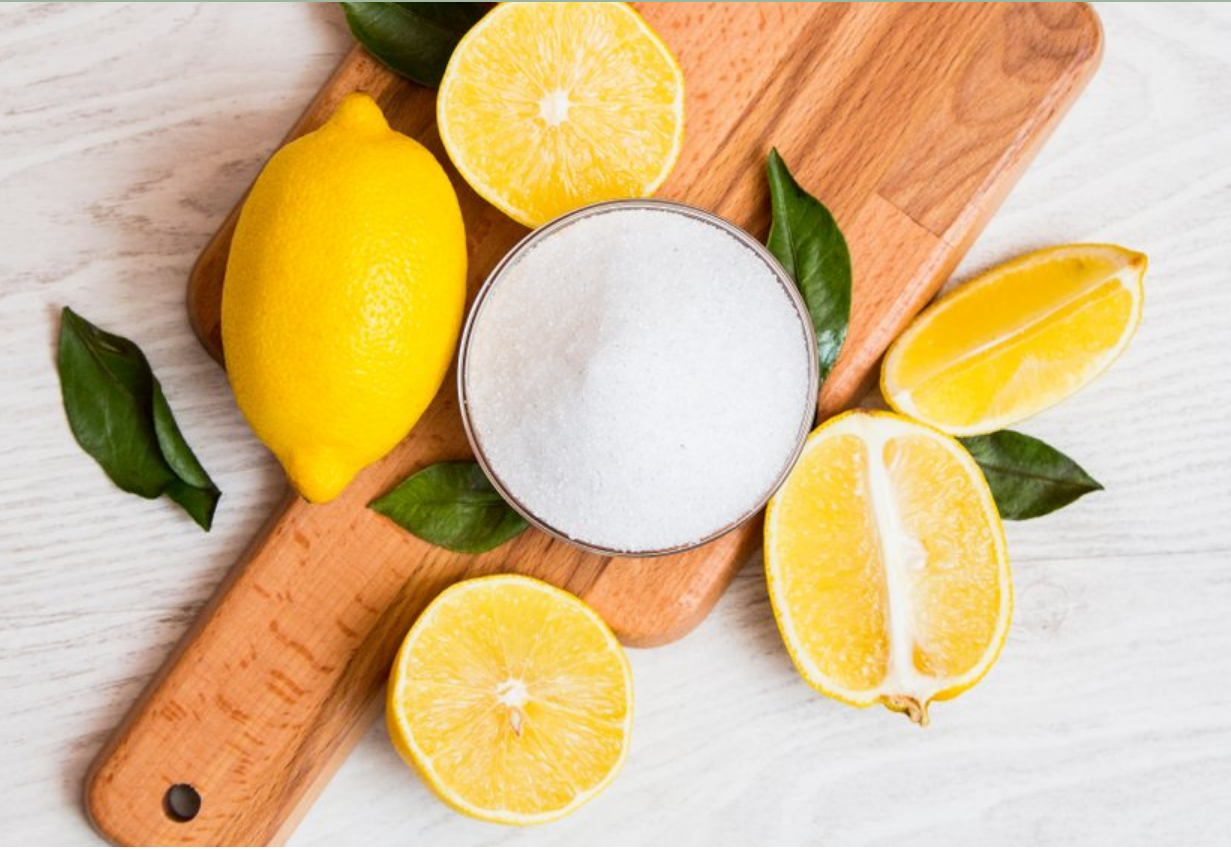
For candy manufacturers in Egypt, Citric Acid for Candy Production Egypt is a critical ingredient that directly influences product taste, texture, shelf life, and production consistency. From gummies and hard candies to chews and jellies, citric acid plays a multifunctional role: it balances sweetness with tang, stabilizes formulations, and preserves quality during storage. Choosing a reliable supplier such as MT Royal ensures access to certified products, multiple brands, and technical guidance that can optimize industrial-scale candy production.
The Egyptian confectionery market is rapidly expanding, fueled by rising disposable incomes, increasing consumer demand for premium candies, and the growth of modern retail networks. For factories competing in this market, the consistency and quality of citric acid are non-negotiable. Proper sourcing not only affects taste and texture but also prevents processing issues, reduces waste, and ensures compliance with local and international food safety regulations.
This article provides an in-depth guide on the use of citric acid in candy production, covering definitions and fundamentals, common sourcing mistakes, comparative insights, industrial production tips, frequently asked questions, and strategic advice for long-term operational success.
Understanding Citric Acid in Candy Production
Citric acid (C₆H₈O₇) is a naturally occurring organic acid present in citrus fruits and widely used in the confectionery industry. Industrially, it is produced via microbial fermentation using Aspergillus niger, resulting in a high-purity, food-grade crystalline powder suitable for large-scale manufacturing.
Key Functions in Candy Production
- Flavor Enhancer: Provides the characteristic tartness that balances sugar and intensifies flavor perception.
- pH Regulator: Controls acidity in candy matrices, affecting texture, solubility, and stability.
- Preservative Synergy: Enhances the efficacy of preservatives, extending shelf life.
- Chelating Agent: Binds metal ions such as calcium and magnesium to prevent crystallization, cloudiness, or off-flavors.
- Texture Modifier: In gummies and jellies, citric acid influences gel formation and chewiness.
In our collaboration with various factories in Egypt, we have found that precise citric acid management minimizes batch variability, enhances flavor consistency, and improves product stability during storage and transportation.
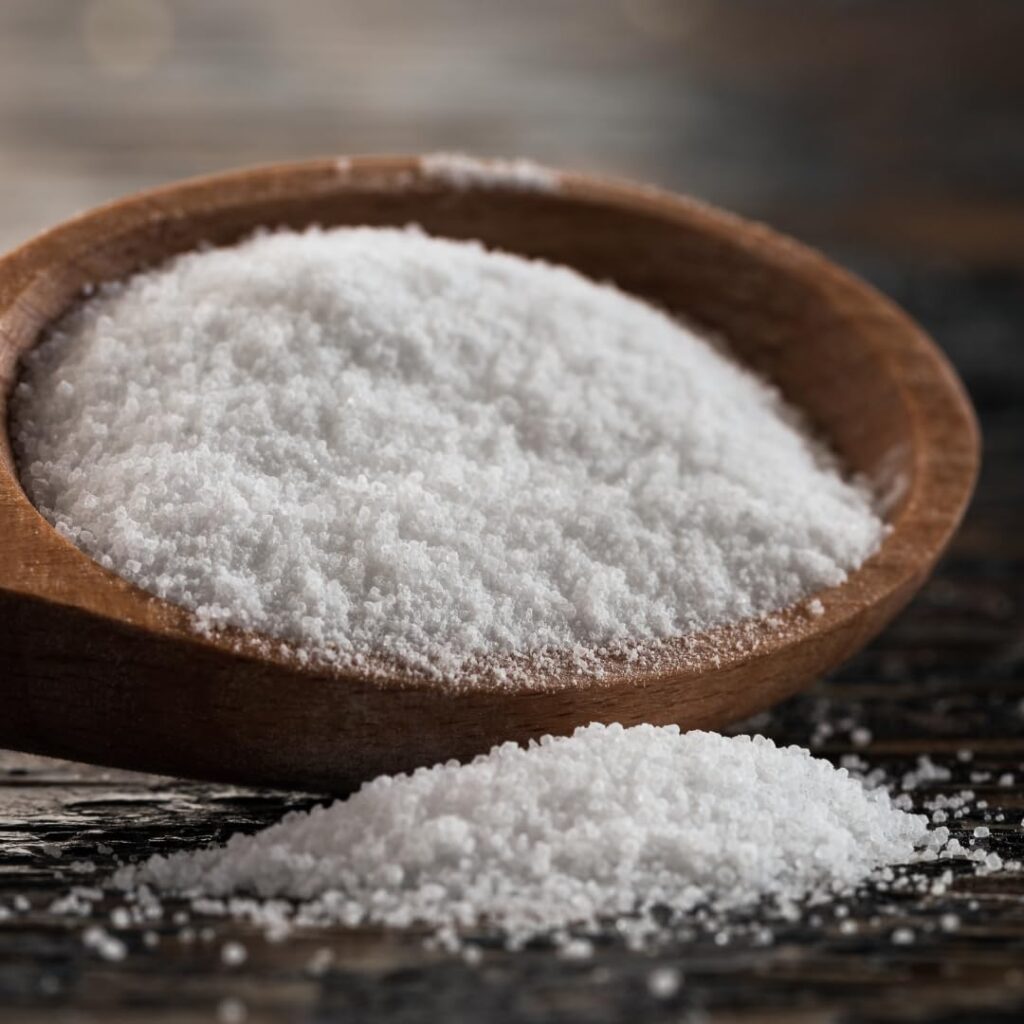
Importance of Sourcing from a Reliable Supplier
Selecting a dependable supplier for Citric Acid for Candy Production Egypt is vital for consistent quality, regulatory compliance, and operational efficiency.
1. Consistent Ingredient Quality
Industrial candy production requires citric acid with uniform particle size, moisture content, and purity. Suppliers like MT Royal provide certified products that meet these specifications, ensuring predictable performance in candy formulations.
2. Technical Support
Candy production often involves complex interactions between sugar, gelatin, pectin, and flavors. Experienced suppliers provide guidance on optimal citric acid concentrations, dissolution techniques, and pH control to avoid flavor imbalances or textural defects.
3. Regulatory Compliance
Food-grade citric acid must comply with Egyptian Standards (EOS) and Codex Alimentarius guidelines. Certified suppliers provide documentation for traceability, facilitating audits and export processes.
4. Supply Reliability
High-volume factories cannot afford interruptions in production. Trusted suppliers ensure timely deliveries in bulk quantities, aligned with production schedules.
Types of Citric Acid Used in Candy Production
Selecting the appropriate citric acid type ensures optimal performance in specific candy applications.
1. Anhydrous Citric Acid
- Properties: Pure, low-moisture crystalline powder.
- Applications: Ideal for powdered candy mixes, dry coatings, and flavoring syrups.
- Industrial Insight: Dissolves quickly and provides consistent acidity for homogeneous flavor distribution.
2. Monohydrate Citric Acid
- Properties: Contains one water molecule per citric acid molecule; slightly less acidic.
- Applications: Suitable for liquid syrups and soft candy bases.
- Industrial Insight: Slower dissolution can help regulate acidity during prolonged mixing.
3. Liquid Citric Acid Solution
- Properties: Pre-dissolved citric acid at defined concentration.
- Applications: Reduces handling time and ensures uniform distribution in liquid candy formulations.
- Industrial Insight: Ideal for high-speed syrup production and automated dosing systems.
4. Food-Grade vs Industrial-Grade
- Food-Grade: High purity, free from heavy metals and microbial contamination, mandatory for candy production.
- Industrial-Grade: Lower purity; suitable for non-edible applications but not recommended for confectionery.
Common Mistakes in Sourcing Citric Acid
Even experienced procurement teams can face challenges if key sourcing considerations are ignored.
1. Focusing Only on Cost
Lower-priced citric acid may contain impurities affecting flavor, texture, or stability, ultimately increasing operational costs due to waste or reprocessing.
2. Overlooking Solubility and Particle Size
Incorrect particle size can cause uneven acidity, cloudiness, or slow dissolution, particularly in gummies, hard candies, or syrups.
3. Neglecting Supplier Expertise
Citric acid interacts with sugars, gelling agents, and flavors. Without technical support, factories risk inconsistent texture, off-flavors, or gel failure.
4. Improper Storage
Being hygroscopic, citric acid absorbs moisture from the environment. Inadequate storage can cause clumping, inaccurate dosing, and processing inefficiencies.
Industrial Tips for Large-Scale Candy Production
Optimizing citric acid use in industrial candy lines requires precise control of formulation, mixing, and environmental conditions.
- Pre-Dissolution: Dissolve citric acid in water or syrup at controlled temperatures to ensure uniform distribution.
- pH Control: Employ inline pH meters to maintain target acidity during mixing and cooking stages.
- Temperature Management: Avoid excessive heat that may degrade acid or affect flavor perception.
- Batch Standardization: Maintain consistent specifications to prevent flavor or texture variability across production runs.
- Collaborative Testing: Engage your supplier to conduct small-scale trials for new formulations or process adjustments.
Following these practices improves product consistency, reduces defects, and ensures long-term shelf stability.
Comparisons for Candy Manufacturers
| Citric Acid Type | Key Considerations | Industrial Advantage |
|---|---|---|
| Anhydrous | Low moisture, fast dissolution | Consistent flavor in powdered and dry applications |
| Monohydrate | Moderate moisture, slower dissolution | Controlled acidity in syrups and soft candies |
| Liquid | Pre-dissolved, ready-to-use | Simplifies automation and ensures uniform distribution |
| Food-Grade | High purity, certified | Ensures safety, compliance, and traceability |
Selecting the appropriate type allows factories to align production requirements with product specifications, storage conditions, and sensory expectations.
Frequently Asked Questions
Q1: How can factories ensure citric acid quality in Egypt?
A1: Request certificates of analysis, check for moisture content and particle size, and run pilot batches to verify performance.
Q2: Can citric acid interact with gelling agents?
A2: Yes. Citric acid affects pH, which influences gelatin, pectin, and agar gel strength. Correct dosing and supplier guidance are crucial.
Q3: What are the ideal storage conditions?
A3: Store in a dry, cool environment, away from light and odors. Airtight packaging preserves solubility and accuracy in dosing.
Q4: Is bulk supply available for high-volume factories?
A4: Trusted suppliers like MT Royal offer bulk deliveries and scheduled shipments to meet industrial-scale production needs.
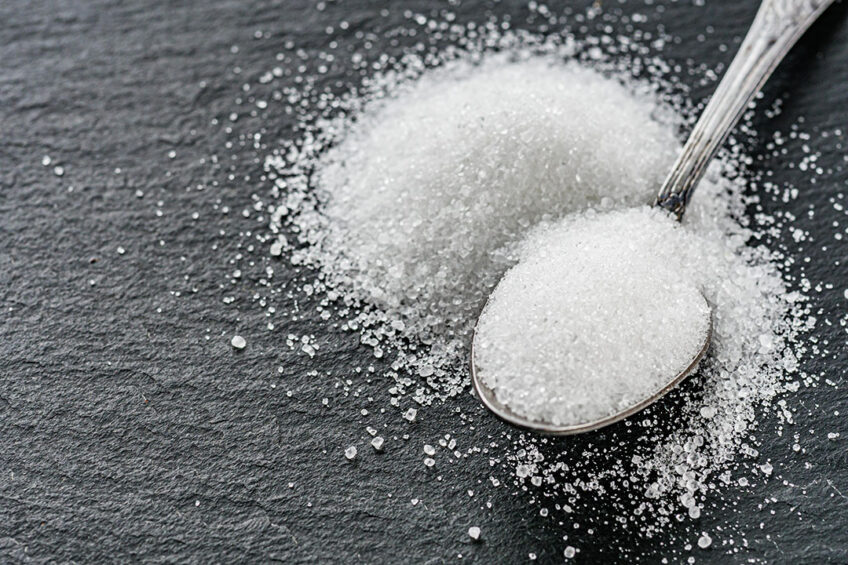
Strategic Insights for Long-Term Success
Supplier Partnership
Treat your citric acid supplier as a strategic partner. Collaborate on formulation development, process optimization, and demand planning to ensure consistent quality and uninterrupted supply.
Data-Driven Procurement
Track batch performance, acidity levels, and supplier reliability to optimize ordering, reduce waste, and mitigate risks of supply interruptions.
Sustainability
Choose suppliers offering responsibly sourced and certified ingredients, aligning with global trends and consumer expectations.
Innovation and Product Differentiation
Engage in co-development for new candy formulations, functional candies, or improved textures. Citric acid can be used innovatively to enhance flavor profiles, balance sweetness, and deliver unique sensory experiences.
High-quality Citric Acid for Candy Production Egypt is more than a flavoring agent—it is a multifunctional ingredient that ensures taste consistency, stability, and regulatory compliance. Partnering with experienced suppliers like MT Royal provides access to multiple brands, certified products, and technical expertise, allowing your factory to produce premium candies efficiently while meeting market expectations. Strategic sourcing and process optimization transform citric acid from a simple additive into a cornerstone of confectionery excellence.
LATAMARKO LM60 – Premium Spanish-Origin Cocoa Powder
latamarko alkalized cocoa powder lm60
cocoa powder for chocolate production-Best price
Food industry raw materials – list of products


No comment