

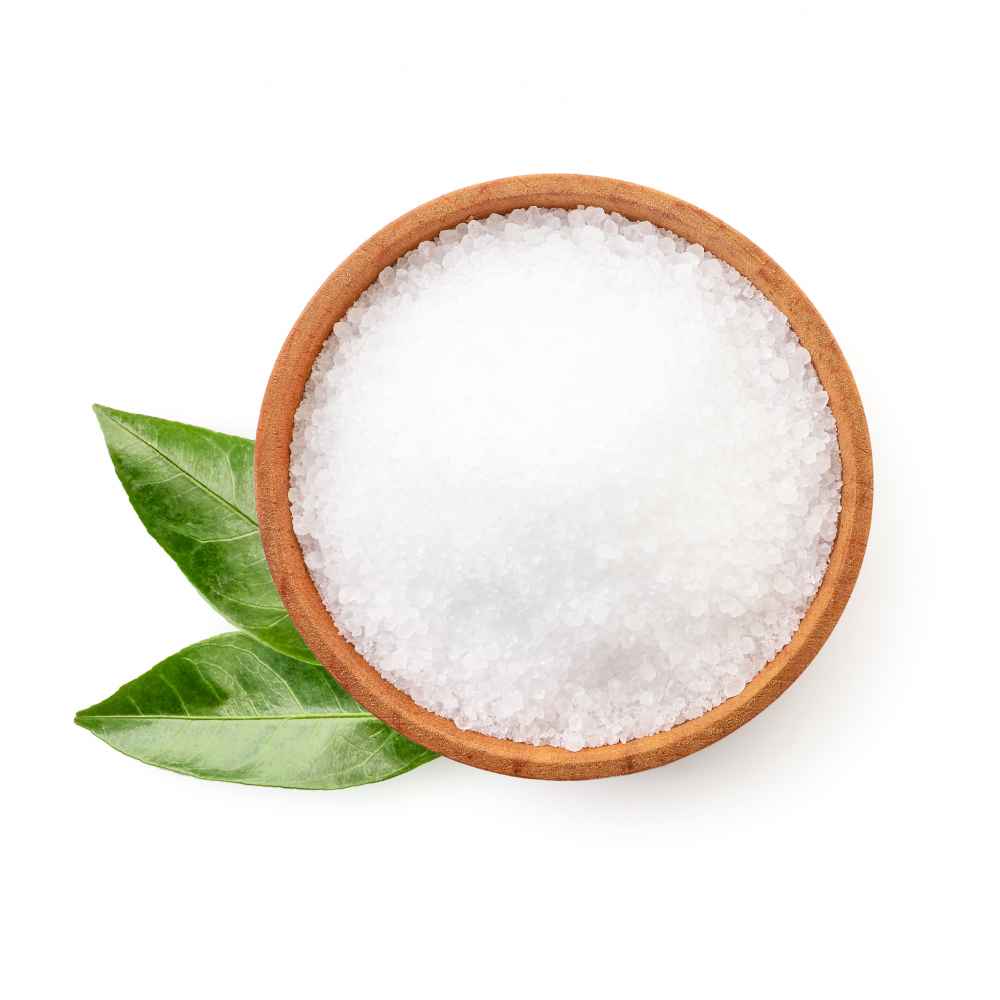
In Egypt’s dynamic beverage and juice industry, maintaining consistent taste, product stability, and shelf life is a top priority for manufacturers. One ingredient that plays a pivotal role in achieving these goals is citric acid. Its multifunctional properties make it indispensable in beverage formulations, from flavor enhancement to pH control and preservation. For factories and beverage producers in Egypt, sourcing high-quality citric acid is not just a routine purchase—it is a strategic decision that directly impacts product quality, operational efficiency, and market competitiveness.
At MT Royal, we understand the challenges faced by industrial buyers in Egypt. Over the years, we have partnered with numerous beverage factories, providing premium citric acid with reliable logistics, competitive pricing, and comprehensive technical support. This guide is designed to provide an in-depth understanding of citric acid, its applications in the Egyptian beverage industry, procurement pitfalls, and actionable insights for production managers seeking the right supplier.
Citric acid, chemically known as C₆H₈O₇, is a naturally occurring organic acid found in citrus fruits. In industrial applications, it is typically produced via microbial fermentation of sugars, resulting in a highly pure, food-grade ingredient suitable for beverages, juices, and other consumables.
In Egypt, where the beverage sector is growing rapidly, citric acid serves multiple industrial purposes:
- Flavor Enhancement: Citric acid provides the characteristic tartness in soft drinks, fruit juices, and flavored beverages, balancing sweetness and enhancing overall taste.
- pH Regulation: Maintaining the proper acidity is critical for beverage stability, especially in fruit-based products prone to microbial growth.
- Preservation and Shelf Life: Citric acid acts as a chelating agent, binding metal ions that may catalyze oxidation, thus extending shelf life and maintaining product freshness.
- Processing Aid: In large-scale production, citric acid contributes to clarification, emulsification, and stabilization of suspensions in juice concentrates and soft drinks.
Industrial-grade citric acid differs from culinary or household forms due to stricter purity standards, low moisture content, and consistent particle size, ensuring smooth integration into automated production lines.
Common Mistakes in Sourcing Citric Acid for Beverages
While citric acid may appear to be a straightforward ingredient, many industrial buyers in Egypt encounter challenges when selecting suppliers. Common pitfalls include:
- Choosing Low-Quality Suppliers: Inconsistent purity or high moisture content can affect solubility and beverage stability.
- Ignoring Regulatory Compliance: Citric acid used in beverages must meet both Egyptian Standards (ES) and international food safety certifications.
- Neglecting Storage Requirements: Citric acid is hygroscopic; improper storage can lead to clumping, reducing flowability and complicating dosing.
- Overlooking Technical Support: Suppliers who provide product only without technical guidance may leave your team unprepared for formulation challenges, especially when working with new beverage flavors or high-volume production.
We at MT Royal have seen factories struggling with these exact issues. By choosing a supplier who offers not just the product but also guidance on formulation, storage, and handling, production teams can avoid costly downtime and product inconsistencies.
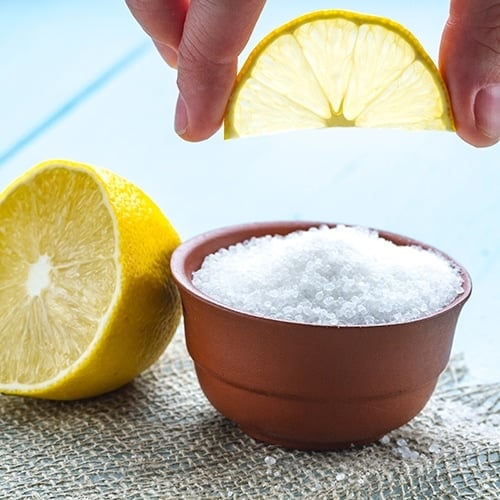
Applications of Citric Acid in Egypt’s Beverage Industry
1. Fruit Juices and Concentrates
Citric acid is essential for juice production, particularly citrus blends. It enhances flavor while maintaining acidity within safe pH ranges (typically 3.0–4.0). In juice concentrates, citric acid also acts as a stabilizer, preventing cloud loss and sedimentation during storage and transport.
2. Carbonated Soft Drinks
In carbonated beverages, citric acid balances sweetness from high-fructose syrups and stabilizes flavor during bottling. Its chelating properties prevent off-flavors caused by trace metals in water or processing equipment.
3. Sports and Energy Drinks
Citric acid helps maintain pH and electrolyte balance, ensuring consistent taste and beverage stability even under high sugar or mineral content.
4. Dairy-Based Beverages
In flavored milk drinks or fermented beverages, citric acid acts as a pH regulator, assisting in protein stabilization and preventing coagulation during processing.
Industrial Tips for Large-Scale Production
For factories operating at industrial scale, citric acid requires careful handling to maximize efficiency:
- Dissolution: Pre-dissolving citric acid in water before mixing ensures uniform distribution and prevents clumping in dry blending systems.
- Hygroscopic Storage: Use sealed containers and humidity-controlled environments to maintain powder flowability.
- Batch Consistency: Work with suppliers who provide consistent particle size and purity to avoid formulation deviations across production runs.
- Supply Chain Planning: Reliable logistics prevent production halts. Long-term partnerships with trusted suppliers like MT Royal help maintain uninterrupted supply.
We have observed that beverage factories that integrate technical consultation from suppliers experience fewer production errors and maintain better product quality, especially during peak demand seasons.
Key Considerations When Selecting a Citric Acid Supplier in Egypt
When evaluating potential suppliers for your beverage production needs, consider these factors:
- Product Purity and Certification: Food-grade citric acid with ISO, HACCP, and ES compliance ensures safety and consistency.
- Supply Reliability: Timely delivery and adequate inventory prevent production downtime.
- Technical Support: A supplier capable of assisting with formulation, troubleshooting, and storage practices adds significant operational value.
- Competitive Pricing: Balancing cost and quality is essential for maintaining margins in the highly competitive Egyptian beverage market.
- Market Experience: Suppliers with a proven track record in beverage production understand the unique challenges of Egypt’s climate, water quality, and regulatory environment.
MT Royal consistently meets these criteria, offering certified citric acid with stable pricing, dependable logistics, and proactive technical guidance.
Frequently Asked Questions by Beverage Manufacturers
Q1: Can citric acid replace other acids in beverage formulations?
A1: While citric acid is versatile, some formulations may require blends with malic or tartaric acid for specific flavor profiles or pH control. Consultation with technical experts ensures optimal acid selection.
Q2: How does citric acid affect shelf life?
A2: By controlling pH and acting as a chelating agent, citric acid reduces microbial growth and prevents oxidation, significantly extending beverage shelf life.
Q3: What is the recommended storage condition for industrial citric acid?
A3: Keep it in a cool, dry environment, in sealed containers, away from direct sunlight and moisture, to preserve its flowability and prevent clumping.
Q4: How do I ensure batch-to-batch consistency?
A4: Partnering with a supplier like MT Royal, which provides consistent particle size and purity, ensures uniform performance across all production runs.
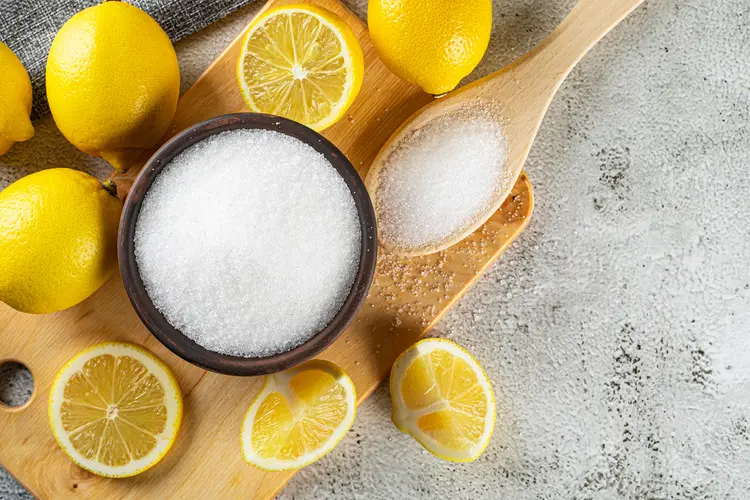
MT Royal: Your Trusted Partner in Egypt
In the competitive beverage market of Egypt, industrial buyers require more than just an ingredient—they need a partner who understands the nuances of beverage production. MT Royal provides:
- Certified, high-quality citric acid suitable for all types of beverages and juice products.
- Technical expertise to assist with formulation, pH adjustment, and stability optimization.
- Reliable logistics and supply chain support, ensuring your production lines never face interruptions.
- Market insights to help anticipate demand fluctuations and maintain cost efficiency.
We in MT Royal have seen factories benefit from long-term partnerships that combine product reliability, expert guidance, and proactive support, creating a foundation for operational excellence and consistent product quality.
Conclusion
For Egypt’s beverage and juice industry, citric acid is not merely an ingredient—it is a cornerstone of product quality, flavor stability, and regulatory compliance. Selecting the right supplier, therefore, is a strategic decision that influences every aspect of your production process. Partnering with MT Royal ensures access to certified, high-quality citric acid, technical guidance, and a reliable supply chain that supports large-scale industrial operations.
Our experience with multiple beverage factories across Egypt shows that integrating technical consultation with high-purity citric acid prevents common production pitfalls, maintains batch-to-batch consistency, and supports innovation in flavor development. From soft drinks and juices to energy beverages and dairy drinks, MT Royal provides solutions that keep your production lines efficient, products market-ready, and your brand competitive.
In an industry where taste, stability, and reliability determine market success, choosing the right citric acid supplier is a decision that pays dividends in quality, compliance, and customer satisfaction. By partnering with MT Royal, industrial buyers in Egypt gain a trusted collaborator who not only supplies a key ingredient but also contributes to the operational excellence and long-term growth of their beverage business.


No comment