

Egypt’s soft drink industry has witnessed remarkable growth over the past decade. With an expanding consumer base that demands high-quality, consistent, and refreshing beverages, the choice of ingredients has become a strategic factor in production. Among these ingredients, citric acid plays a critical role in flavor balance, product stability, and shelf-life optimization. For beverage manufacturers and industrial buyers, sourcing high-quality citric acid is not merely a procurement task—it directly impacts product consistency, consumer satisfaction, and regulatory compliance.
MT Royal has emerged as a trusted supplier of citric acid for Egypt’s soft drink industry, offering certified, industrial-grade products that cater to large-scale production needs. In this comprehensive guide, we explore the technical, operational, and strategic aspects of citric acid use in soft drinks, ensuring manufacturers make informed decisions that enhance both product quality and operational efficiency.
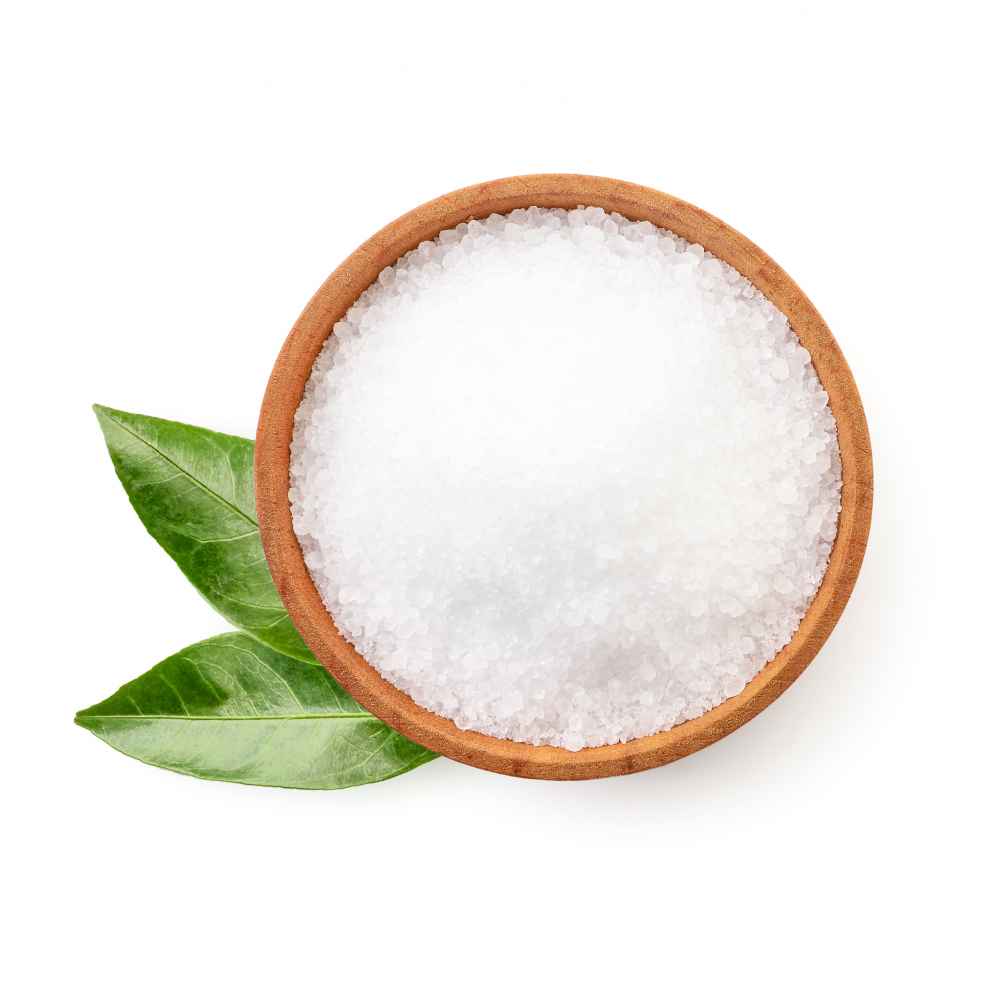
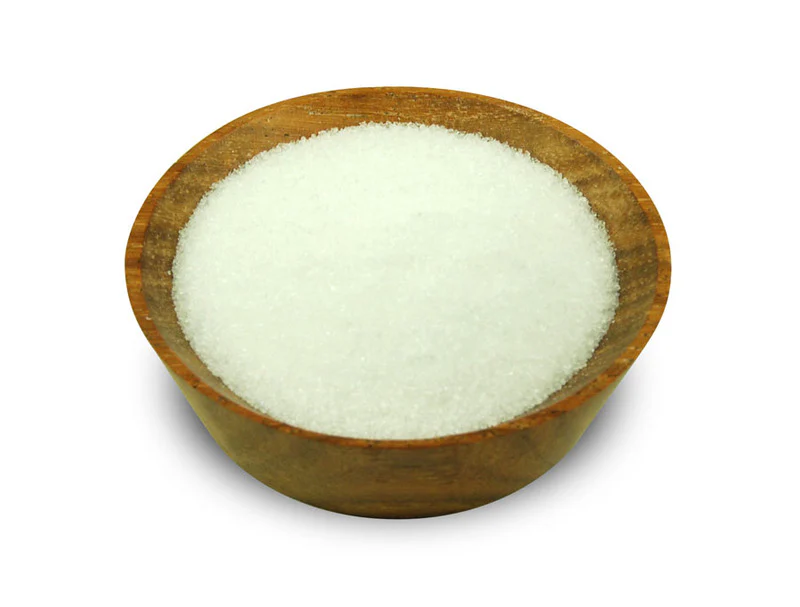
Citric acid is a naturally occurring organic acid found in citrus fruits, widely used in the food and beverage industry as a flavoring agent, preservative, and pH adjuster. In soft drink formulations, citric acid performs multiple functions:
- Flavor Enhancement: It provides the characteristic tartness and balances sweetness, creating a refreshing taste profile.
- pH Control: Citric acid helps maintain the desired acidity level, crucial for taste consistency and microbial stability.
- Preservation: Its acidic nature inhibits the growth of spoilage microorganisms, extending the shelf life of beverages.
- Stabilization: Citric acid interacts with mineral ions to prevent precipitation of colorants and flavors, ensuring visual appeal.
For Egypt’s beverage market, where carbonated soft drinks, fruit-flavored drinks, and functional beverages dominate, citric acid is indispensable for achieving the desired sensory and technical characteristics.
Common Mistakes in Citric Acid Procurement
Even experienced industrial buyers sometimes encounter challenges in sourcing citric acid. Common mistakes include:
- Overlooking Purity and Grade: Food-grade citric acid is essential for safe beverage production. Industrial-grade impurities can affect taste, clarity, and shelf life.
- Ignoring Supplier Reliability: Inconsistent supply can disrupt production, particularly during peak demand periods such as Ramadan and summer months.
- Improper Storage: Citric acid is hygroscopic. Exposure to moisture leads to clumping, reducing solubility and affecting beverage formulation.
- Neglecting Regulatory Compliance: Failing to source citric acid that meets local food safety standards can result in legal and market challenges.
By partnering with experienced suppliers like MT Royal, beverage manufacturers can mitigate these risks and ensure consistent, high-quality production.
Applications of Citric Acid in Egypt’s Soft Drink Industry
1. Carbonated Soft Drinks
Citric acid is essential in carbonated beverages for several reasons:
- Taste Balance: It offsets the sweetness of sugar or high-intensity sweeteners.
- Stability: Maintains acidity, ensuring CO₂ retention and preventing microbial growth.
- Color Preservation: Works synergistically with other ingredients to maintain visual appeal.
2. Fruit-Flavored Drinks
For juices and fruit-based soft drinks, citric acid:
- Enhances fruit flavor authenticity.
- Acts as a preservative to prevent fermentation or spoilage.
- Ensures consistency across production batches, crucial for branded products.
3. Functional and Sports Beverages
Citric acid contributes to:
- pH stabilization, which is essential for vitamin stability (e.g., Vitamin C).
- Electrolyte solubility, improving product functionality.
4. Syrups and Concentrates
Industrial-grade citric acid is used in syrup formulations to:
- Maintain acidity for long shelf life.
- Prevent color and flavor degradation during storage.
- Optimize taste before dilution or carbonation.
We have observed that manufacturers who integrate high-quality citric acid into their formulations experience fewer product defects, consistent flavor, and extended shelf life.
Technical Considerations for Large-Scale Soft Drink Production
Industrial beverage production involves precise formulation and process control. Key considerations for citric acid include:
- Dosage Accuracy: Overuse can make beverages overly sour, while underuse affects taste and microbial stability.
- Dissolution Properties: Citric acid must fully dissolve to prevent sedimentation or inconsistent flavor.
- pH Monitoring: Continuous monitoring ensures stability during production and packaging.
- Interaction with Other Ingredients: Citric acid reacts with metal ions, stabilizers, and sweeteners; understanding these interactions prevents precipitation, cloudiness, or off-flavors.
We have seen that Egyptian soft drink manufacturers achieve optimal results when they combine precise dosing with consistent, high-purity citric acid.
Selecting the Right Citric Acid Supplier
Choosing the right supplier is critical for operational success. Key factors include:
- Purity and Food Safety Certification: Suppliers must provide documentation verifying compliance with food safety and industrial standards.
- Consistency of Supply: Reliable logistics prevent production downtime.
- Technical Expertise: Suppliers who provide guidance on formulation, dissolution, and pH adjustment add value beyond just the ingredient.
- Competitive Pricing and Bulk Supply: Industrial operations benefit from cost-effective solutions without compromising quality.
MT Royal offers certified, high-quality citric acid for industrial beverage production, combining reliability with expert technical support, ensuring manufacturers meet production targets efficiently and consistently.
Frequently Asked Questions by Beverage Manufacturers
Q1: Can citric acid be substituted with other acids?
A1: While other acids like malic or tartaric can be used, citric acid is preferred for its flavor profile, solubility, and pH stability in soft drinks.
Q2: How does citric acid impact carbonation?
A2: Citric acid stabilizes CO₂ by maintaining the correct acidity, ensuring fizzy beverages remain carbonated throughout shelf life.
Q3: What storage practices are recommended?
A3: Store citric acid in cool, dry conditions, away from moisture and direct sunlight. Proper sealing prevents clumping and preserves solubility.
Q4: How can suppliers assist in recipe optimization?
A4: Experienced suppliers like MT Royal provide guidance on dosage, pH adjustments, and interactions with sweeteners and flavorings, reducing production variability.
Integrating MT Royal into Your Beverage Production
At MT Royal, we combine ingredient quality with industry knowledge to support Egypt’s beverage manufacturers. Our offerings include:
- Certified, food-grade citric acid for all soft drink types.
- Bulk supply and competitive pricing for industrial-scale operations.
- Technical support on formulation, solubility, and pH management.
- Reliable logistics to maintain uninterrupted production.
We have observed that beverage manufacturers who integrate MT Royal’s citric acid supply and technical guidance enjoy consistent taste, stable carbonation, and efficient production processes.
Strategic Benefits of High-Quality Citric Acid in Soft Drinks
High-quality citric acid directly impacts production efficiency, brand reputation, and consumer satisfaction. Key advantages include:
- Flavor Consistency: Ensures every bottle meets consumer expectations.
- Shelf-Life Extension: Prevents microbial growth and ingredient degradation.
- Operational Efficiency: Reduces formulation errors and product recalls.
- Regulatory Compliance: Certified citric acid meets Egypt’s food safety standards, mitigating legal risks.
By prioritizing high-quality, industrial-grade citric acid, beverage manufacturers strengthen both their operational resilience and market competitiveness.
Conclusion
Sourcing citric acid for Egypt’s soft drink industry is far more than a procurement task—it is a strategic decision that influences flavor quality, product stability, and production efficiency. Partnering with a trusted supplier like MT Royal ensures access to certified, food-grade citric acid, technical guidance, and reliable logistics tailored to industrial-scale beverage production.
Our experience with numerous beverage manufacturers across Egypt demonstrates that combining high-quality ingredients with expert formulation support leads to consistent product performance, enhanced shelf life, and improved consumer satisfaction. From carbonated soft drinks to fruit-flavored beverages and functional drinks, integrating MT Royal’s citric acid supply ensures operational efficiency, predictable taste profiles, and market-ready products that meet both industry and consumer expectations.
In a competitive market where both quality and reliability define success, choosing the right citric acid supplier is essential for sustained growth and consumer trust. MT Royal stands as a strategic partner for Egypt’s beverage industry, delivering excellence in ingredients, technical expertise, and dependable supply.

No comment