

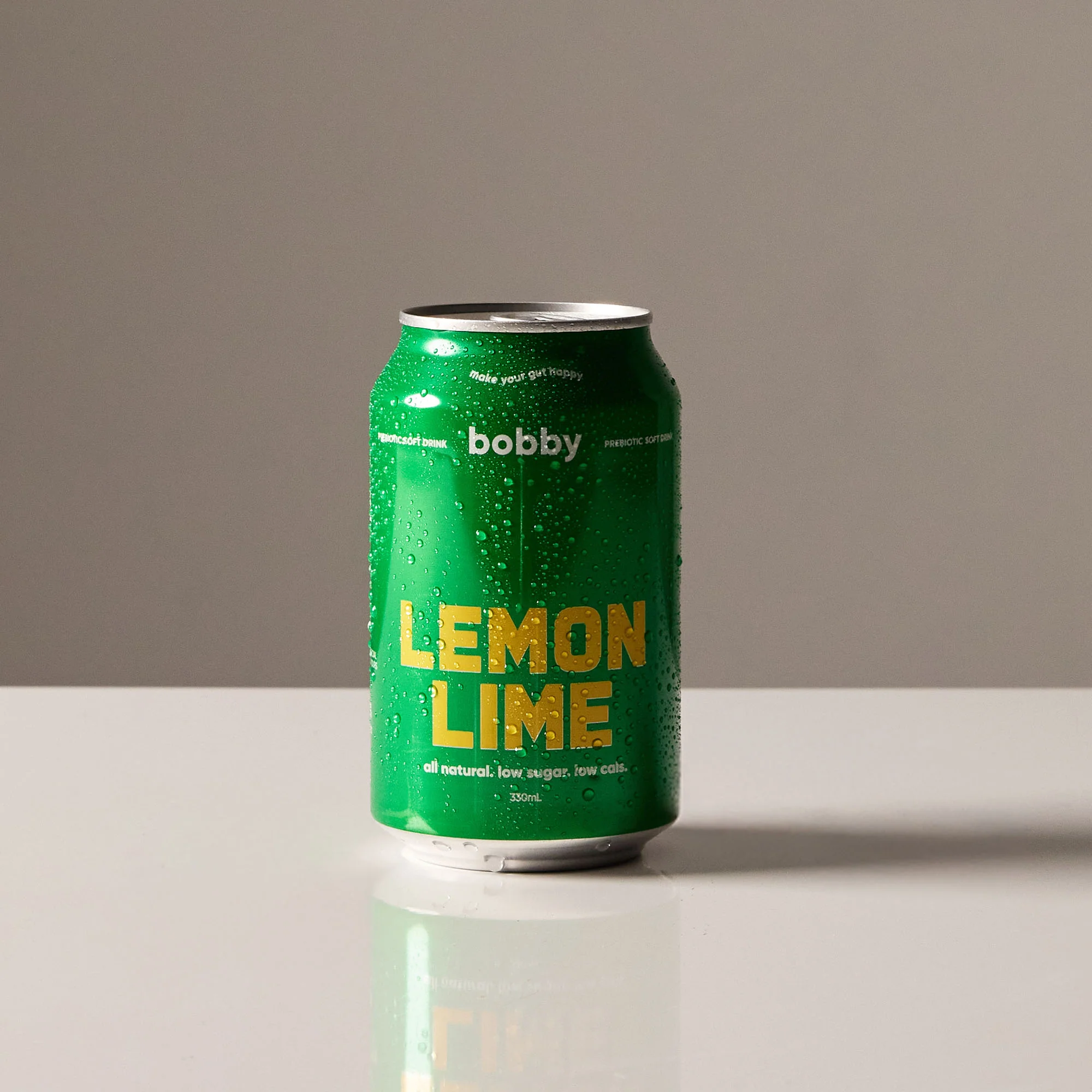
Citric acid has become an indispensable ingredient in the soft drinks and carbonated beverage industry. For Palestinian beverage manufacturers, this organic acid is not just a flavor enhancer — it is a key functional ingredient that balances acidity, preserves shelf life, and stabilizes formulations in both large-scale production and artisanal operations. Selecting a reliable supplier and understanding the technical, regulatory, and operational aspects of citric acid can significantly improve product quality and consistency.
MT Royal has extensive experience collaborating with beverage producers across Palestine. We have observed that manufacturers who optimize citric acid usage — balancing flavor, stability, and cost efficiency — achieve superior product performance and gain competitive advantage in local and regional markets.
This article provides a comprehensive guide to citric acid in soft drinks and carbonated beverages in Palestine, covering everything from basic definitions to industrial sourcing strategies, technical considerations, common mistakes, and best practices.
Citric acid (C₆H₈O₇) is a naturally occurring organic acid found in citrus fruits such as lemons, limes, and oranges. Industrially, it is often produced via fermentation using Aspergillus niger, ensuring consistent quality and purity. In beverage production, citric acid serves multiple roles:
- Flavor enhancement: Adds a refreshing, tart taste that balances sweetness and masks undesirable flavors.
- Acidity control: Maintains a consistent pH, essential for taste uniformity and microbial stability.
- Preservation: Lowers pH to inhibit microbial growth and extends shelf life without synthetic preservatives.
- Buffering agent: Supports formulation stability in carbonated and non-carbonated beverages.
For Palestinian beverage manufacturers, citric acid is particularly important in carbonated drinks, fruit juices, energy drinks, and flavored waters. Its versatility allows producers to achieve a consistent flavor profile while maintaining product safety.
latamarko alkalized cocoa powder lm60
cocoa powder for chocolate production-Best price
Food industry raw materials – list of products
Industrial Role of Citric Acid in Soft Drinks and Carbonated Beverages
1) Flavor and Palatability
Citric acid’s tangy taste enhances the natural flavors of fruit juices and sweetened beverages. It balances sugar levels, ensuring the drink is neither overly sweet nor bland. This is crucial for local taste preferences in Palestine, where consumers appreciate beverages with a distinct but balanced tartness.
2) pH Regulation and Stability
Maintaining pH between 2.5 and 4.0 is essential in soft drinks to prevent microbial growth and preserve carbonation. Citric acid acts as a reliable pH regulator, supporting long-term stability of beverages even under fluctuating storage conditions.
3) Carbonation Support
In carbonated beverages, citric acid interacts with carbon dioxide to maintain effervescence. Proper citric acid concentration ensures consistent fizziness and prevents unwanted changes in taste and texture over time.
4) Shelf Life Extension
By controlling acidity and pH, citric acid slows the growth of bacteria and fungi. This is particularly valuable for soft drinks and juices distributed to supermarkets and convenience stores across Palestine, where refrigeration may not always be guaranteed.
Common Mistakes in Citric Acid Usage in the Beverage Industry
Despite its widespread use, mismanagement of citric acid can lead to formulation issues:
- Over-acidification: Excess citric acid results in overly tart beverages that may be rejected by consumers.
- Under-acidification: Insufficient acid can cause flat taste, unstable pH, and microbial growth.
- Inconsistent sourcing: Variations in purity and moisture content from unreliable suppliers can affect taste, shelf life, and production consistency.
- Ignoring regulatory standards: Using citric acid that fails to meet food safety or Halal compliance standards may limit market access or cause recalls.
We at MT Royal have seen multiple cases where beverage manufacturers struggled with inconsistent citric acid supply. Establishing partnerships with certified, reliable suppliers reduces these risks and ensures consistent product quality.
Sourcing Citric Acid: Industrial Considerations
Palestinian manufacturers often source citric acid from global suppliers, including Turkey, India, and Europe. Key factors to consider include:
1) Purity and Quality Standards
For soft drinks and carbonated beverages, citric acid should meet food-grade specifications with minimal impurities. High-quality citric acid is typically ≥99.5% pure, free from heavy metals, and conforms to international food safety standards such as ISO, HACCP, and Halal certification.
2) Bulk Supply and Logistics
Citric acid is usually purchased in bulk powder or granulated form. Efficient logistics — including proper packaging, humidity control, and secure transport — ensures ingredient stability and prevents caking or degradation during storage and transit.
3) Supplier Reliability
Selecting suppliers like MT Royal, who offer consistent quality, certified documentation, and technical support, is critical. We help Palestinian manufacturers optimize formulations while reducing supply chain risks.
4) Cost Optimization
Citric acid is cost-effective, but fluctuations in global markets can impact raw material costs. Planning bulk procurement and negotiating long-term contracts help manufacturers manage expenses without compromising quality.
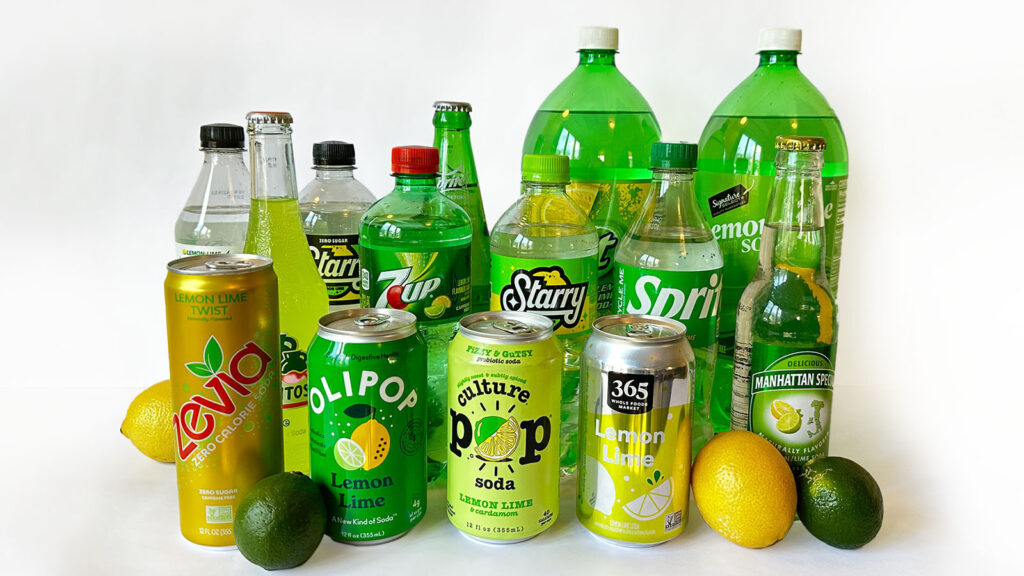
Technical Insights for Palestinian Beverage Manufacturers
1) Dosage and Formulation
Correct citric acid dosage varies depending on beverage type:
- Carbonated soft drinks: 0.05%–0.15% of total volume
- Fruit juices: 0.1%–0.2% to achieve desirable tartness
- Energy drinks and flavored waters: 0.05%–0.25%, depending on flavor profile
Precise dosing ensures consistent taste, pH stability, and shelf life. MT Royal’s technical support can help manufacturers determine optimal concentration for each product.
2) Solubility and Mixing
Citric acid is highly soluble in water but requires proper mixing to avoid localized over-acidification. In large-scale production, inline dissolvers and homogenizers ensure uniform distribution throughout the batch.
3) Interaction with Other Ingredients
Citric acid can interact with minerals, stabilizers, and sweeteners. Understanding these interactions is critical:
- Calcium salts: May precipitate if citric acid concentration is too high
- Phosphates and carbonates: Require balanced acid levels to prevent cloudiness
- Sugars: Citric acid complements sweetness and balances flavor without altering viscosity
Scaling Up Production: Industrial Tips
1) Consistent Quality Control
Regular testing of citric acid batches for purity, moisture content, pH, and microbial load ensures formulation consistency and prevents quality issues downstream.
2) Storage Best Practices
Citric acid is hygroscopic. Warehouses should maintain low humidity (<60%) and cool temperatures (<25°C). Properly sealed packaging prevents clumping and contamination.
3) Integration with Automated Production
For high-volume beverage lines, automated dosing systems improve accuracy, reduce human error, and maintain consistent acidity in each batch. MT Royal can advise on automation solutions compatible with citric acid handling.
4) Risk Management
Have contingency plans for supply disruptions by maintaining safety stock or establishing multiple certified suppliers. This mitigates risks of raw material shortages and ensures uninterrupted production.
Frequently Asked Questions (FAQ) by Beverage Manufacturers
Q: Can citric acid alter carbonation in soft drinks?
A: Properly balanced citric acid maintains carbonation and prevents excessive CO₂ release. Dosage control is essential.
Q: How do I verify food-grade and Halal certification?
A: Check for ISO, HACCP, and recognized Halal certificates provided by the supplier. Documentation should be traceable to production batches.
Q: Is citric acid compatible with natural sweeteners?
A: Yes. Citric acid complements natural sweeteners such as stevia or agave, enhancing flavor balance without causing precipitation or off-flavors.
Q: How to prevent citric acid clumping in production?
A: Store in low humidity, use sealed packaging, and employ inline dissolvers for uniform mixing in large batches.
Q: Can citric acid be used in combination with preservatives?
A: Absolutely. Citric acid enhances preservative efficacy by lowering pH, but formulations must be tested to ensure compatibility and desired shelf life.
Conclusion
Citric acid is more than an additive; it is a strategic ingredient for Palestinian soft drink and carbonated beverage manufacturers. Its functional versatility — from flavor enhancement and pH stabilization to preservation and carbonation support — makes it indispensable in modern beverage production.
Partnering with a trusted supplier like MT Royal ensures that you receive consistent, high-quality, food-grade, and Halal-compliant citric acid, backed by technical support and industry expertise. By optimizing citric acid use, Palestinian beverage makers can deliver products that are tasty, stable, and market-ready, ensuring customer satisfaction and competitive edge in both local and regional markets.



No comment