

In the highly competitive and constantly evolving world of food and beverage production, the quality, consistency, and standard of raw materials are fundamental factors that determine the success of any product. Among these raw materials, Citric Acid Monohydrate, compliant with stringent EU standards, stands out as a cornerstone ingredient that can significantly influence taste, shelf-life, and overall product stability. Manufacturers rely on it not only to adjust acidity and preserve freshness but also to enhance flavors in a way that keeps consumers returning for more.
At MT Royal, we have witnessed firsthand how the choice of supplier can make or break a production line. A reliable supplier ensures consistent quality, timely delivery, and compliance with international safety standards—factors that directly impact efficiency, cost-effectiveness, and brand reputation. Conversely, sourcing from less reliable channels can lead to variations in purity, production delays, and potential quality issues, which in turn affect both operational performance and consumer trust.
This article is designed to serve as a comprehensive guide for food and beverage manufacturers, plant managers, and procurement specialists. It delves deeply into the properties, applications, and industrial advantages of Citric Acid Monohydrate, highlighting best practices for storage, handling, and large-scale production. By reading this, you will gain insights into how to maximize the benefits of this essential ingredient, avoid common pitfalls, and make informed decisions that strengthen both product quality and production efficiency. We will also explore practical tips and advanced industrial considerations that can help you stay ahead in an increasingly demanding market.
Definition and Basic Concepts
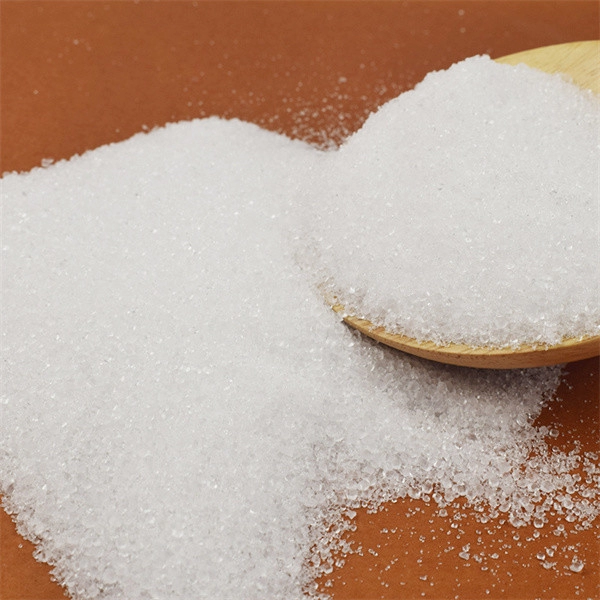
Citric Acid Monohydrate is an organic acid that appears as white crystalline powder, highly soluble in water, widely used in the food and beverage industry as a pH regulator, natural preservative, and flavor enhancer. Its chemical formula is C6H8O7·H2O, and EU standards ensure it is free from harmful impurities, making it safe for use in food products.
Key applications include:
- pH regulation in beverages and food items
- Maintaining product stability and shelf-life
- Enhancing flavor and freshness
- Industrial processing in concentrates, juices, and other food products
Importance of EU Standard
Using EU-standard Citric Acid Monohydrate ensures manufacturers that the final product:
- Complies with European health and safety regulations
- Maintains consistent quality, preventing chemical variations
- Offers reliability in production processes and long-term storage
Common Industrial Supply Mistakes
Manufacturers often face supply challenges due to several avoidable errors:
- Purchasing from suppliers without EU standard certification
- Failing to verify the actual purity before production use
- Improper storage leading to moisture absorption and quality degradation
- Using inadequate packaging, resulting in contamination and reduced shelf-life
At MT Royal, we have seen that addressing these simple considerations can prevent major production issues, increase efficiency, and reduce extra costs.
Industrial Tips for Large-Scale Production
For large-scale manufacturers, Citric Acid Monohydrate is more than just a basic ingredient; it is a vital tool for quality assurance:
- Precise pH Control: Using accurate sensors to monitor pH during production helps prevent flavor alterations and product spoilage.
- Optimal Storage: Keep the product in a dry, cool environment with moisture-proof packaging to maintain quality.
- Batch Consistency: Always check and standardize each batch to avoid variations in final product performance.
- Supplier Collaboration: Working closely with trusted suppliers like MT Royal ensures timely deliveries, consistent quality, and competitive pricing.
Advanced Insights for Manufacturers
- Flavor Optimization: Citric Acid Monohydrate not only regulates acidity but also enhances the perception of sweetness, allowing manufacturers to adjust sugar content strategically.
- Integration in Automated Production: In large-scale operations, precise dosing equipment can help incorporate citric acid seamlessly, reducing human error.
- Sustainability Considerations: Partnering with suppliers who follow sustainable production and sourcing practices contributes to ESG goals.

Frequently Asked Questions by Factory Managers and Procurement Officers
Q: Can Citric Acid Monohydrate be used in all types of beverages?
A: Yes, it is highly versatile and suitable for juices, soft drinks, and concentrates. It is recommended to consult your production chemist for optimal dosing.
Q: How should we store it to maximize shelf-life?
A: Store in a dry, cool place, ideally in airtight containers to prevent moisture absorption and caking.
Q: What are the main differences between industrial-grade and EU-standard Citric Acid Monohydrate?
A: EU-standard ensures compliance with strict purity, safety, and quality regulations, which industrial-grade products may not guarantee.
Conclusion
Citric Acid Monohydrate, EU-standard, is a cornerstone ingredient for food and beverage manufacturers aiming to achieve consistent quality, safety, and taste. By understanding its applications, avoiding common supply mistakes, and implementing proper industrial practices, your production line can operate efficiently while maintaining the highest standards. At MT Royal, we pride ourselves on being a reliable partner, providing top-quality Citric Acid Monohydrate with competitive pricing, supporting manufacturers in achieving excellence across every batch.



No comment