

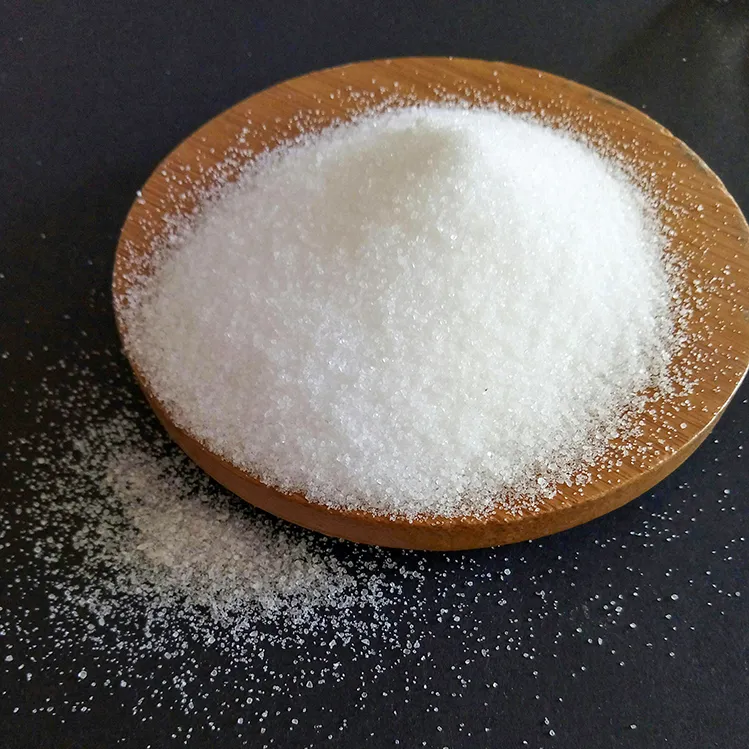
In modern industrial manufacturing, sourcing high-quality raw materials is crucial to ensuring consistent product quality, regulatory compliance, and operational efficiency. For factories and manufacturers operating in food, beverage, pharmaceuticals, cosmetics, and cleaning products, citric acid plays a central role as an acidulant, preservative, chelating agent, and pH regulator. Choosing the right Citric Acid Supplier Germany can dramatically impact both production outcomes and cost-effectiveness.
At MT Royal, we work closely with manufacturers across Europe, observing firsthand how the right supplier transforms the supply chain from a logistical challenge into a competitive advantage. From reliable delivery schedules to consistent product quality, a trusted partner ensures your factory runs smoothly without interruptions. This guide offers a detailed overview of industrial citric acid sourcing in Germany, highlighting definitions, common pitfalls, practical procurement strategies, and expert insights for large-scale production.
Understanding Citric Acid: Definitions and Industrial Importance
Citric acid is a weak organic acid naturally found in citrus fruits. In its industrial form, it is typically produced via microbial fermentation using sugar substrates such as molasses. Its widespread utility arises from its multifunctionality:
- Food & Beverage: Acts as a flavor enhancer, preservative, and pH regulator in juices, soft drinks, confectioneries, and canned foods.
- Pharmaceuticals: Stabilizes active ingredients, balances pH, and functions as a chelating agent in medicinal formulations.
- Cosmetics & Personal Care: Serves as a pH adjuster in creams, lotions, and cleansers.
- Industrial Applications: Functions in detergents, water treatment, and metal cleaning due to its chelating properties.
Understanding citric acid’s versatility ensures procurement aligns with your factory’s specific requirements. Its purity, particle size, and solubility directly influence both production efficiency and final product quality.
Types of Industrial Citric Acid
When sourcing from a Citric Acid Supplier Germany, it’s essential to differentiate between various grades:
- Anhydrous Citric Acid: Highly concentrated, low-moisture form suitable for dry blends, powdered beverages, and technical applications.
- Monohydrate Citric Acid: Contains one molecule of water per molecule of citric acid; commonly used in the food and beverage sector.
- Food-Grade Citric Acid: Complies with ISO, HACCP, and EU food safety standards.
- Pharmaceutical-Grade Citric Acid: Meets strict USP or BP standards, suitable for tablets, syrups, and injectable formulations.
- Technical-Grade Citric Acid: Applied in detergents, water treatment, and metal processing; purity and heavy metal content are carefully controlled.
Identifying the right grade for your application prevents operational issues and ensures regulatory compliance.
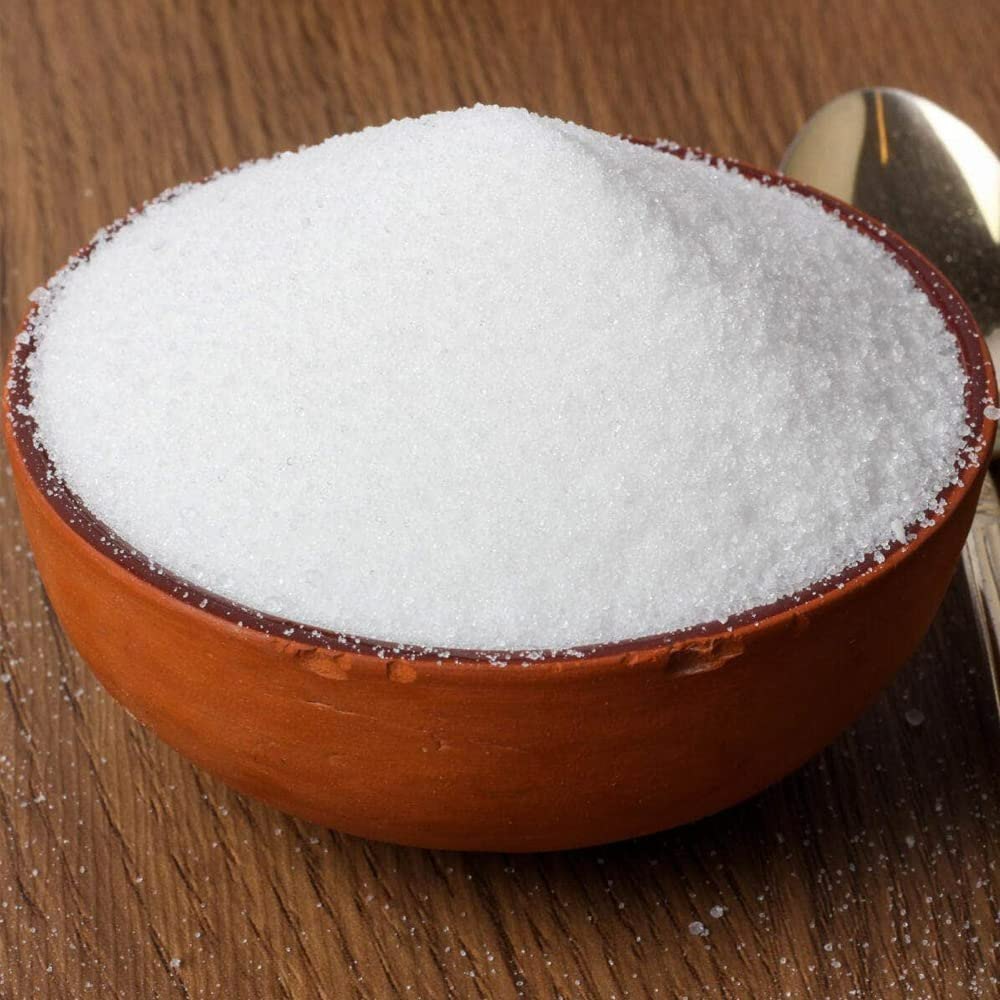
Common Mistakes in Industrial Citric Acid Sourcing
Even experienced procurement teams occasionally encounter pitfalls when selecting a citric acid supplier. Avoiding these mistakes can save both time and money:
Overlooking Purity and Regulatory Compliance
Citric acid quality directly affects both the manufacturing process and product safety. Food and pharmaceutical applications require strict compliance with ISO, HACCP, USP, or BP standards. Failing to verify certifications can result in product recalls or regulatory sanctions.
Neglecting Particle Size and Solubility
Industrial applications require citric acid to dissolve uniformly and predictably. Improper particle size can cause clumping, inconsistent dissolution, or processing delays. Our collaboration with various factories has shown that small variances in solubility can cascade into significant production issues, particularly in beverage or pharmaceutical formulations.
Prioritizing Cost Over Reliability
While competitive pricing is important, selecting a supplier based solely on price often results in hidden costs such as batch failures, inconsistent quality, and supply disruptions. Factories benefit from valuing supplier reliability and technical support alongside price.
Ignoring Supply Chain Stability
Global logistics disruptions, raw material shortages, and transportation delays can halt production. A dependable Citric Acid Supplier Germany maintains multiple sourcing channels and buffer stock to mitigate these risks.
LATAMARKO LM60 – Premium Spanish-Origin Cocoa Powder
latamarko alkalized cocoa powder lm60
cocoa powder for chocolate production-Best price
Food industry raw materials – list of products
Types of Gelatin from Turkish Manufacturer
Food Raw Material Supplier in Germany for the Food Industry
Industrial Procurement Tips for Factories
Sourcing citric acid for industrial use requires technical insight and strategic planning. The following tips help optimize procurement decisions:
Align Citric Acid Grade with Application
- Beverages & Foods: Food-grade monohydrate citric acid ensures taste consistency and shelf stability.
- Pharmaceutical Formulations: Pharmaceutical-grade anhydrous citric acid guarantees solubility, purity, and regulatory compliance.
- Industrial & Cleaning Applications: Technical-grade citric acid provides high chelating ability and consistent performance in detergents, water treatment, and metal cleaning.
Conduct Supplier Audits and Verification
Request detailed certificates of analysis, product specifications, and audit reports. MT Royal routinely provides laboratory documentation and traceable batch information, helping factories maintain compliance and quality assurance.
Optimize Storage Conditions
Citric acid is hygroscopic. Moisture exposure can lead to caking or reduced efficacy. Maintain storage temperatures below 25°C, with relative humidity under 60%, using sealed, moisture-resistant containers.
Forecast Consumption Accurately
Accurate volume forecasts prevent stockouts or overstocking. Bulk citric acid procurement should consider production cycles, seasonal demand fluctuations, and inventory turnover.
Comparing Citric Acid Suppliers: Practical Guidelines
When evaluating suppliers, several factors determine reliability and performance. A structured comparison framework helps manufacturers make informed decisions:
| Criteria | Importance | MT Royal Approach |
|---|---|---|
| Certification & Compliance | Ensures regulatory adherence | ISO, HACCP, USP, BP certified products |
| Product Range | Supports diverse applications | Food, pharmaceutical, technical-grade citric acid |
| Technical Support | Minimizes production issues | Expert advice on dissolution, blending, and industrial use |
| Supply Reliability | Prevents production stoppages | Multiple sourcing channels and buffer stock |
| Pricing & Terms | Balances cost and quality | Competitive pricing with flexible logistics |
Key Technical Metrics
- Purity: Industrial citric acid typically exceeds 99.5% for food and pharma applications.
- Moisture Content: Monohydrate and anhydrous forms vary; ensure appropriate selection to prevent caking.
- Particle Size: Affects flowability, mixing, and dissolution rates in both dry and liquid formulations.
- Heavy Metal Content: Particularly relevant for pharmaceutical and cosmetic applications; regulated by USP/BP standards.
Industrial Tips for Large-Scale Production
Scaling citric acid use in large facilities introduces unique challenges:
- Batch Consistency: Slight variations in purity or moisture can affect final product taste, solubility, or chemical reactions. MT Royal ensures consistent batch quality.
- Efficient Dissolution: High-volume liquid production requires controlled temperature and agitation to achieve uniform dissolution, especially in beverages or syrups.
- Automation Compatibility: Automated dosing systems demand predictable flow characteristics; particle size and anti-caking properties are critical.
- Documentation & Traceability: Large-scale operations must maintain detailed records for audits, quality control, and regulatory compliance.
Emerging Trends in Citric Acid Sourcing in Germany
The German citric acid market reflects evolving industrial and regulatory trends:
- Sustainability: Manufacturers increasingly seek citric acid from environmentally responsible fermentation processes.
- Plant-Based Innovation: Alternative microbial strains and fermentation technologies are gaining traction for efficiency and sustainability.
- Digital Supply Chain Management: Suppliers, including MT Royal, use inventory tracking, batch traceability, and real-time order updates to improve reliability.
- Functional Customization: Industrial clients require citric acid with specific dissolution rates, particle sizes, or chelating properties to optimize production efficiency.
Frequently Asked Questions from Procurement Teams
How do I select the right citric acid grade?
Match the grade with your application: beverage and food products benefit from food-grade monohydrate, while pharmaceuticals require anhydrous, USP-compliant citric acid.
Which certifications are critical for compliance?
ISO, HACCP, USP, and BP certifications are essential for food and pharmaceutical applications. Technical-grade citric acid may also require heavy metal and purity compliance.
What is the typical lead time for bulk industrial orders?
Lead time varies based on grade and quantity, ranging from 2–8 weeks. Suppliers like MT Royal maintain buffer stock to reduce potential delays.
Can one supplier cover all industrial needs?
Yes, but it’s prudent to maintain at least two sourcing channels to mitigate risk. MT Royal offers diverse products and reliable logistics to support this strategy.
How should citric acid be stored to maintain quality?
Store in a cool, dry area below 25°C and <60% relative humidity. Use sealed containers to prevent caking or moisture absorption.
Practical Strategies for B2B Procurement
Beyond product quality, efficient citric acid procurement requires operational foresight:
- Flexible Contracts: Negotiate adjustable quantities and staggered deliveries to match production fluctuations.
- Pilot Testing: Test new batches at small scale to ensure performance before full-scale production.
- Collaborative Supplier Relationships: Technical consultation from your supplier can reduce waste and optimize process efficiency.
- Market Monitoring: Stay updated on global supply trends, raw material costs, and regulatory developments.
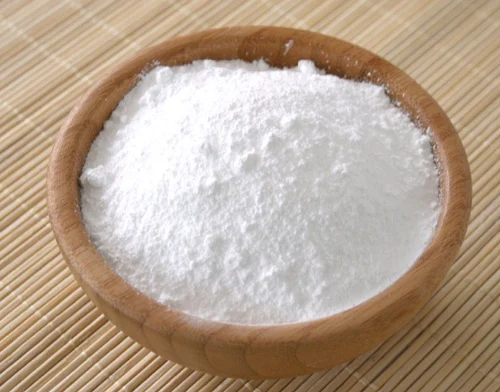
MT Royal: A Reliable Partner for German Manufacturers
In our collaboration with various factories across Germany and Europe, we have observed that reliable suppliers do more than deliver chemicals—they act as industrial partners. MT Royal provides multiple brands of citric acid at competitive prices while offering consultative support for technical, operational, and regulatory needs.
By ensuring consistent batch quality, certified compliance, and supply chain stability, MT Royal helps factories streamline operations, maintain product quality, and scale production efficiently. Whether your focus is on food, pharmaceuticals, cosmetics, or industrial cleaning applications, a trusted Citric Acid Supplier Germany like MT Royal can transform raw material sourcing from a routine task into a strategic advantage.
Concluding Thoughts
Choosing a citric acid supplier is a critical strategic decision that impacts every stage of manufacturing. From understanding purity, particle size, and solubility to maintaining regulatory compliance and operational efficiency, every detail matters. By prioritizing technical expertise, supply reliability, and quality consistency, your factory can achieve seamless production while mitigating risk.
MT Royal exemplifies a supplier that combines quality, technical guidance, and consultative partnership. Selecting a reliable partner ensures that citric acid sourcing becomes a competitive advantage, empowering your factory to innovate, maintain regulatory standards, and optimize every batch of production. In the evolving landscape of industrial manufacturing, your choice of supplier defines both efficiency and excellence.




No comment