

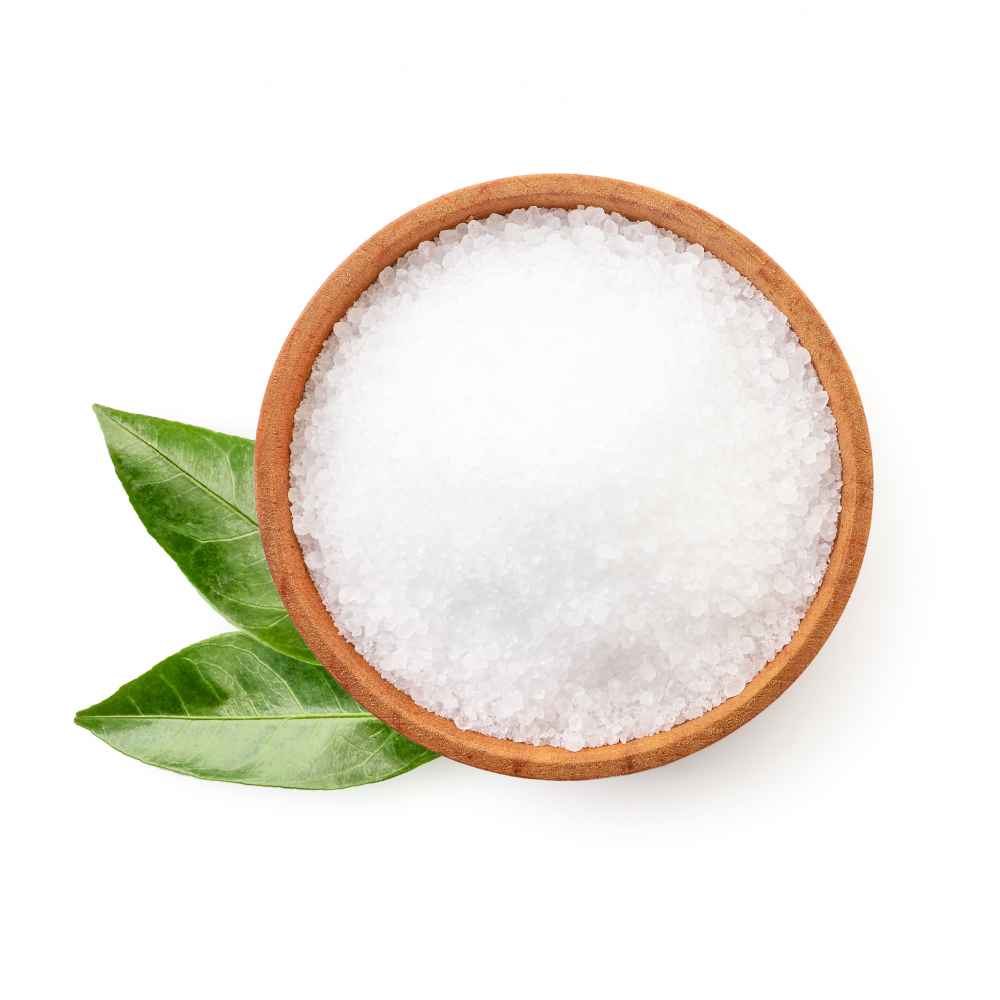
Choosing the right citric acid supplier in Egypt can shape far more than just your procurement ledger. For many factories—from food and beverage to detergent, cosmetics, and pharmaceutical plants—citric acid is a silent driver of consistency, compliance, pH stability, and product quality. When this single ingredient falters, entire batches fall out of spec. And when the supply chain becomes unstable, the cost of downtime climbs far faster than the cost of raw materials.
This is exactly why many Egyptian manufacturers look for partners that don’t just “sell citric acid,” but provide reliability, documentation, steady pricing, and industrial-grade service. MT Royal is widely recognized among procurement teams for its consistent approach to sourcing and delivering food-grade and industrial-grade additives. Without turning this piece into a promotional pitch, it’s worth noting that we’ve worked with many factories across the region and have observed firsthand how a dependable supply of core ingredients like citric acid can strengthen production resilience.
This article is written to support your technical team, purchasing officers, and production specialists in understanding what truly matters when selecting a citric acid supplier in Egypt. It provides a deep dive into industrial specifications, common procurement pitfalls, essential selection criteria, and the changing dynamics of global and regional supply chains. If securing high-quality citric acid at stable, predictable terms is a priority for your factory, the insights below will help you evaluate suppliers with full confidence.
What Makes Citric Acid Critical for Egyptian Industries?
Citric acid may be one of the most familiar organic acids in the world, but within industrial settings it plays far more sophisticated roles. At its core, citric acid is a weak, naturally occurring tricarboxylic acid widely used as:
- A pH regulator and buffer
- A flavor enhancer
- A chelating agent
- A preservative
- A descaling and cleaning component
- A stabilizer to improve shelf life
- A binding agent in chemical formulations
In Egypt’s industrial landscape, four sectors drive the majority of consumption:
- Food and beverage factories: acidity control, flavor enhancement, microbial stability
- Detergent and cleaning product manufacturers: scale removal, chelation, hardness reduction
- Cosmetics and personal care producers: stabilizing emulsions, adjusting pH
- Pharmaceutical companies: excipient applications, effervescent formulations, buffering
Each application has its own tolerances, purity requirements, heavy metal limits, and functional needs. This is why selecting the right citric acid supplier in Egypt isn’t a simple price-comparison exercise—it requires technical understanding, documentation, and consistent supply quality.
Understanding the Two Main Forms of Citric Acid Used in Egypt
1. Citric Acid Anhydrous
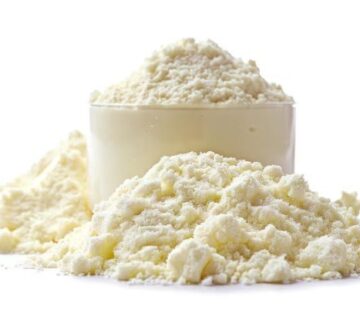
Often the preferred choice for food, pharma, and detergent production, the anhydrous type has minimal moisture content, offering:
- Higher storage stability
- Lower risk of caking
- Better compatibility with powdered blends
- Consistent acidification performance
2. Citric Acid Monohydrate
With slightly different behavior due to its water molecule content, monohydrate is commonly used in:
- Liquid formulations
- Cosmetics
- Certain beverage concentrates
In working with multiple Egyptian factories, we have noticed that some buyers mistakenly switch between these two forms believing they are interchangeable. However, each carries different flowability, solubility, and reactivity behavior. This misunderstanding often leads to inconsistent results in production.
A capable supplier not only offers both forms, but also advises buyers on choosing the correct grade based on the final application, avoiding unnecessary formulation adjustments.
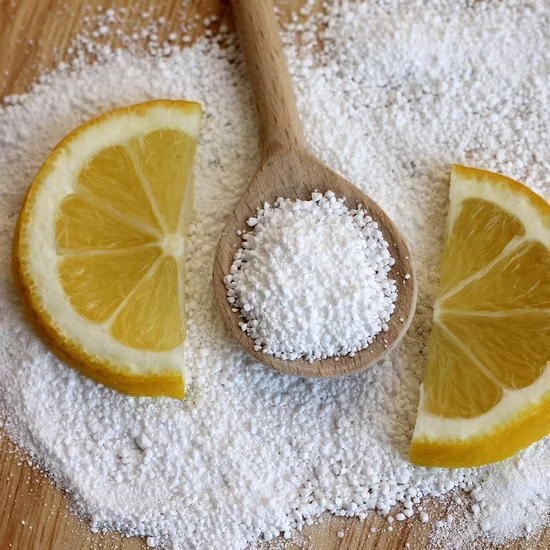
Common Mistakes Factories Make When Sourcing Citric Acid in Egypt
Mistake 1: Prioritizing Price Over Quality
While procurement teams often operate under tough cost-saving targets, selecting the cheapest citric acid supplier in Egypt may lead to:
- Higher impurity levels
- pH instability
- Batch inconsistencies
- Unreliable delivery times
- Poor packaging that increases caking and humidity absorption
Citric acid is a high-usage but low-margin ingredient—cutting costs slightly may create larger downstream losses.
Mistake 2: Not Checking Origin and Certification
Industrial buyers often skip verifying:
- Country of origin
- COA (Certificate of Analysis)
- MSDS
- ISO or HACCP compliance
Top manufacturers in Egypt increasingly prefer citric acid sourced from reputable global providers such as Chinese, European, or Thai producers with strong compliance records. A strong supplier ensures every batch meets your internal QA standards.
Mistake 3: Inadequate Inventory Planning
Citric acid demand rarely drops overnight, yet buyers sometimes underestimate usage cycles. This results in:
- Production delays
- Emergency purchases at inflated prices
- Higher logistics costs
Reliable suppliers help forecast demand and maintain safety stock levels matched to your factory’s consumption.
Mistake 4: Ignoring Packaging Requirements
Powdered acids are sensitive to moisture. If packaging is weak, especially during Egypt’s humid months, the risk of caking increases. A supplier offering strong packaging options—25 kg bags with moisture-resistant liners or sealed pallets—minimizes this problem.
How to Evaluate a Citric Acid Supplier in Egypt: A Professional Industrial Checklist
To help your procurement team choose wisely, below is a field-tested evaluation framework used by seasoned supply chain managers.
1. Product Quality and Purity
Verify the supplier consistently meets:
- Assay > 99.5%
- Moisture levels within specification
- Heavy metal limits
- Granule or powder uniformity
- Low insoluble matter
If your production relies on precise pH control, even small quality variations matter.
2. Proven Supply Consistency
Ask potential suppliers:
- How many factories they currently serve
- Availability of stock year-round
- Lead times for pallet or container shipments
- Local warehouse capacity
Suppliers connected to global producers with stable import flows offer better reliability.
3. Technical Support
A valuable supplier should provide:
- Detailed COAs
- Assistance with formulation challenges
- Guidance on selecting monohydrate vs. anhydrous
- Storage and handling recommendations
This is one area where MT Royal has long earned trust—we have seen how simple technical clarifications can save factories significant time and rework.
4. Price Transparency
Stable pricing suggests a supplier with strong import channels and low volatility. Transparency in currency and freight factors helps buyers avoid unexpected cost jumps.
5. Packaging Options
Look for:
- Moisture-resistant laminated bags
- Proper palletization
- Batch labels
- Well-sealed inner liners
Factories producing fine powders or blends need citric acid that stays free-flowing until the moment of use.
6. Supply Chain Reliability
Egypt’s growing industrial sector depends on suppliers who understand port delays, customs procedures, and seasonal demand peaks. A supplier with experience navigating such conditions reduces your operational uncertainty.
Why Supplier Reliability Matters More Than Ever in Egypt’s Industrial Environment
Three significant trends are reshaping sourcing decisions for Egyptian manufacturers:
1. Global Fluctuations in Citric Acid Prices
International market changes—from Chinese production cycles to freight rate shifts—affect availability and pricing. Factories seek suppliers who maintain well-managed inventories inside Egypt, not just abroad.
2. Increasing Regulatory Pressure
From HACCP to ISO and GMP compliance, industrial buyers must secure raw materials that align with their audit requirements. This makes COA accuracy and traceability essential.
3. Fast Growth of Local Manufacturing
Egypt’s expanding export-oriented industries require uninterrupted supply at scale. Suppliers with strong logistics capabilities—like bonded warehouses or multiple stock locations—support this growth.
Questions Egyptian Factory Managers Frequently Ask About Citric Acid Procurement
1. How do I know if the citric acid grade is suitable for my application?
Always review the COA, granule distribution, and supplier recommendations. Certain applications require specific purity levels or moisture content.
2. What is the difference between monohydrate and anhydrous in practical terms?
Monohydrate dissolves slightly faster but carries bound moisture. Anhydrous is more flowable and preferred for dry blending.
3. How can I avoid caking during storage?
Use airtight containers, avoid humidity, and choose suppliers offering high-quality moisture-barrier packaging.
4. What shelf life should I expect?
Most citric acid products offer a shelf life of 24–36 months if stored properly.
5. Can local Egyptian suppliers provide the same consistency as international importers?
Yes—if they maintain stable sourcing partnerships, proper warehousing, and documented quality control. This is an area where MT Royal has earned consistent trust among manufacturers.
6. How can we ensure price stability?
Long-term contracts, accurate consumption forecasts, and suppliers with diversified sourcing channels help achieve predictable pricing.
What Sets a High-Value Citric Acid Supplier Apart in the Egyptian Market?
Based on extensive interaction with factories, three characteristics define exceptional suppliers:
1. Technical Understanding of Industrial Needs
The best suppliers don’t just sell—they guide. They explain why a detergent plant requires a specific density, why a beverage plant must monitor conductivity, and why a cosmetics manufacturer should consider anti-caking disciplines.
2. Integrated Stock Management
Suppliers able to manage local stock reduce your exposure to international disruptions.
3. Authentic Documentation
Factories today audit everything. Suppliers offering verified COAs, MSDS, batch numbers, and traceability reduce your risk profile.
We have seen how factories benefit from partnering with suppliers who bring a combination of product knowledge, availability, and operational credibility.
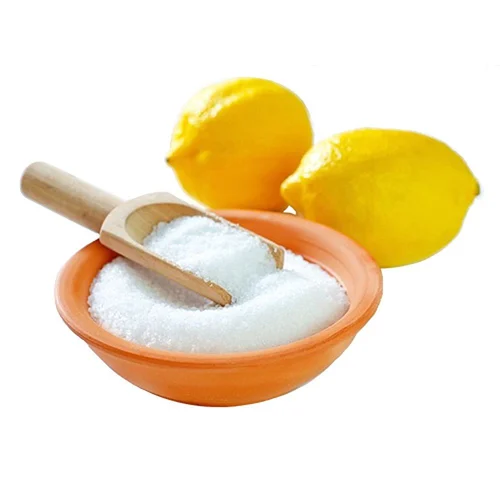
Choosing MT Royal as Your Citric Acid Supply Partner in Egypt
Without stepping into promotional territory, it is worth highlighting that MT Royal is known across multiple Egyptian industries for maintaining:
- Reliable stock availability
- Competitive, stable pricing
- Strong relationships with global producers
- High-quality packaging and logistics
- Thorough documentation and traceability
Factories collaborating with MT Royal appreciate working with a supplier that understands both the commercial and technical aspects of citric acid sourcing.
A Forward-Thinking Perspective on Citric Acid Procurement
The Egyptian industrial sector is evolving toward higher standards, stricter compliance, and increased production volumes. Citric acid, despite being a fundamental ingredient, plays a strategic role in determining product stability, safety, and production efficiency.
Factories that choose smart sourcing partners benefit from:
- Reduced downtime
- More stable formulations
- Predictable quality and cost planning
- Improved regulatory compliance
- Stronger operational resilience
The best supplier—from Egypt or abroad—will be the one who integrates industrial insight with consistent performance, not just the one offering a temporary discount.
Industrial buyers know that the true cost of citric acid is measured not in price per kilogram, but in how it supports stable, repeatable, high-quality output. When your supplier helps maintain that stability, your factory gains an invaluable competitive advantage.


No comment