

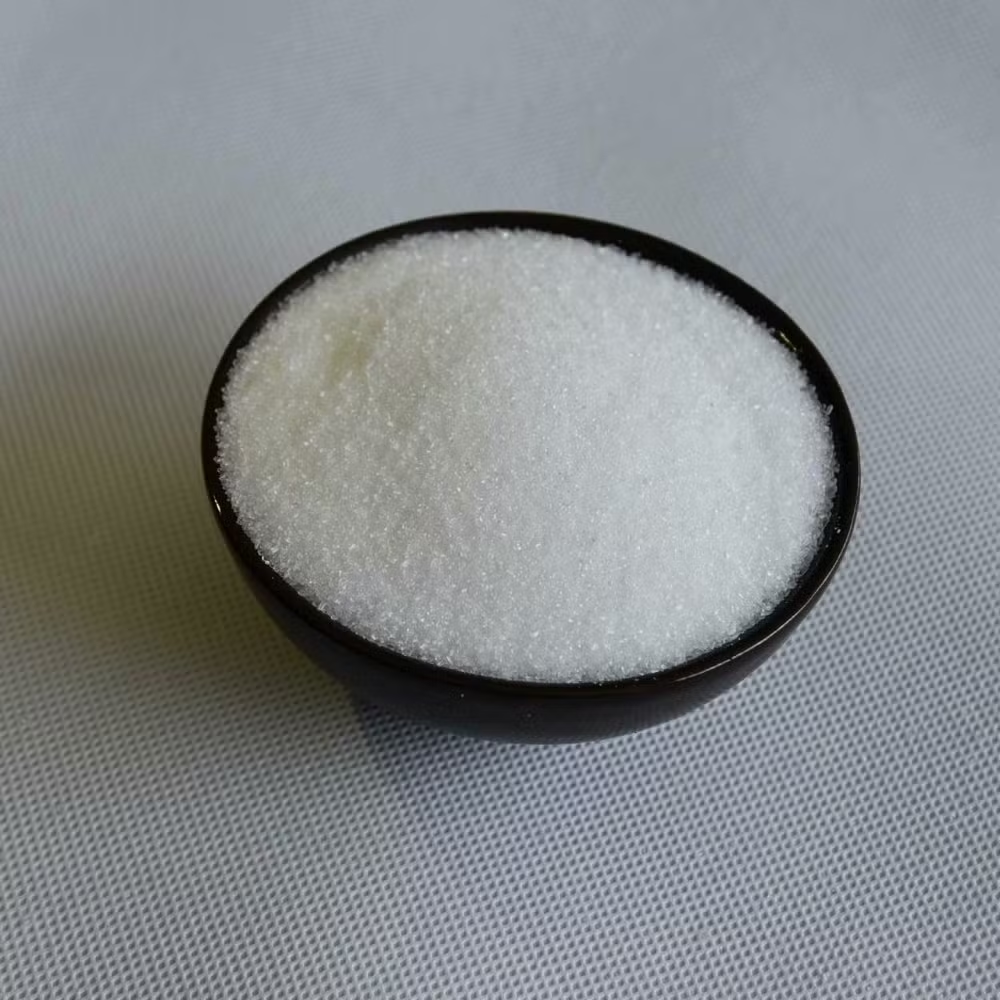
In the intricate world of industrial production, the way you source key ingredients can determine not just the efficiency of your production line, but also the quality, compliance, and competitiveness of your finished products. For factories throughout Lebanon — whether in food processing, pharmaceuticals, cosmetics, or cleaning products — partnering with a reliable Citric acid supplier in Lebanon is a critical element of operational success. Citric acid is not merely a commodity; it is a multifunctional raw material whose qualities influence product stability, sensory characteristics, and regulatory compliance.
When your procurement team understands how to evaluate supply partners and draw technical insights from them, your factory gains confidence in production forecasting, quality assurance, and regulatory documentation. At MT Royal, we’ve worked closely with manufacturers across sectors, helping them navigate complex sourcing decisions with clarity and technical precision. In our collaboration with various factories, we have observed that securing the right citric acid supply results in smoother production runs, fewer quality deviations, and ultimately better product consistency — outcomes that enhance your competitive edge.
This article presents an in‑depth guide for navigating the landscape of citric acid sourcing in Lebanon. It addresses essential industry knowledge, common pitfalls, practical checklists, and insights tailored for large‑scale production environments. Whether you are a seasoned procurement manager or stepping into strategic sourcing for the first time, this content will equip you with actionable expertise.
Understanding Citric Acid: Definition and Industrial Importance
What Is Citric Acid?
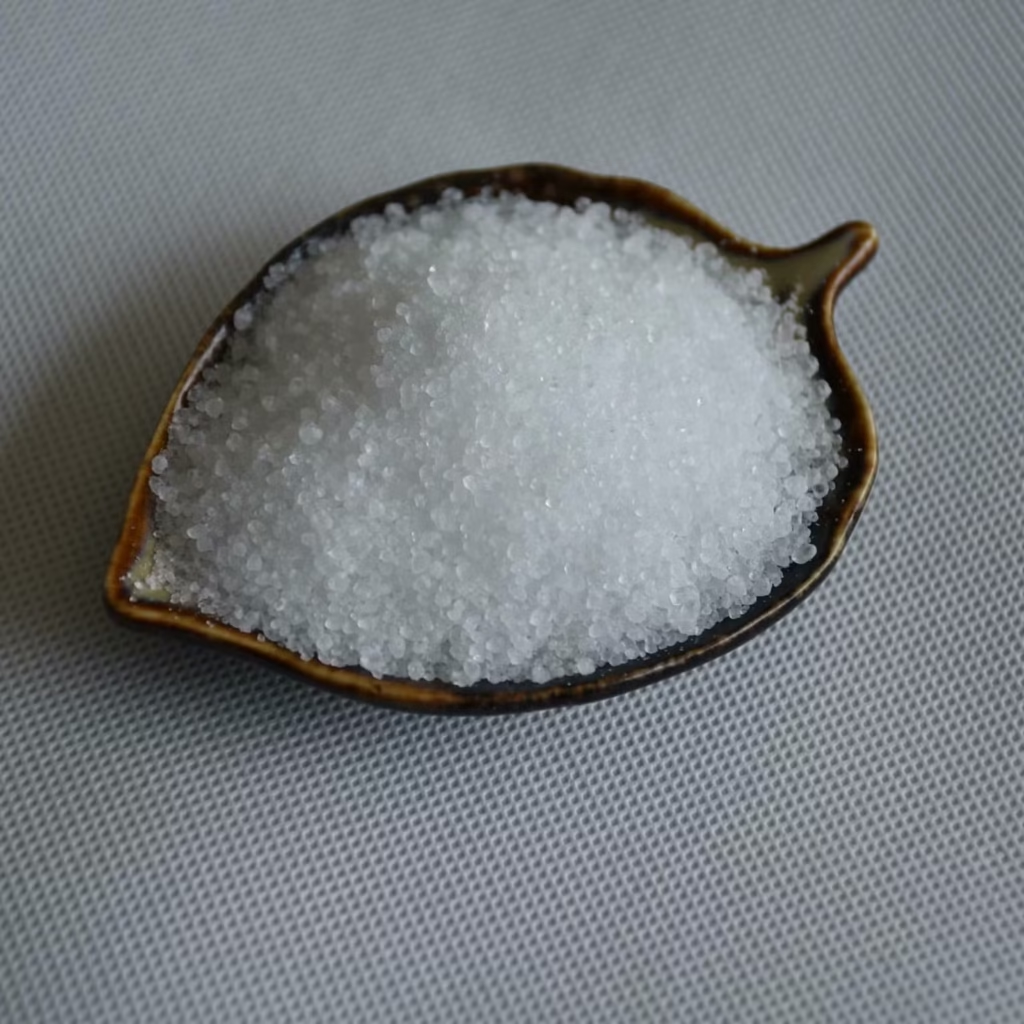
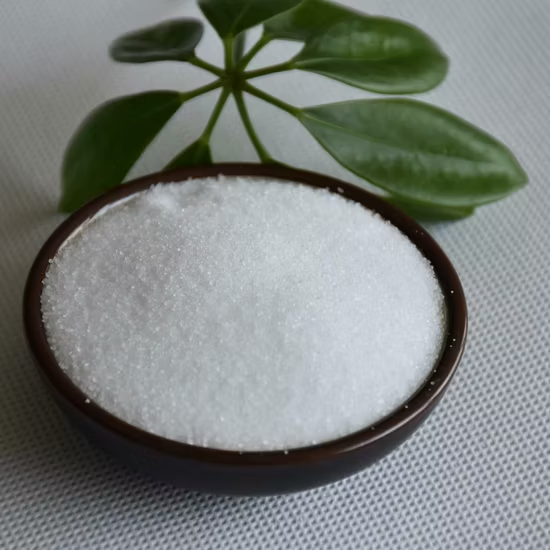
Citric acid is a naturally occurring organic acid found in citrus fruits such as lemons and limes. Industrially, citric acid is produced at scale through controlled fermentation of sugar‑containing materials using specific strains of Aspergillus niger. Contrary to its fresh namesake, industrial citric acid is not pressed from fruit; it is synthesized to high purity levels that meet precise functional requirements across applications.
Chemically known as 2‑hydroxy‑1,2,3‑propanetricarboxylic acid, this compound serves as:
- A pH regulator
- A chelating agent
- A preservative
- A flavor enhancer
- A buffering agent
These functions make citric acid indispensable in formulations where acidity, stability, and sensory balance are essential.
Why Manufacturers Rely on Citric Acid
Citric acid’s versatility stems from its ability to interact with different molecular environments:
- In food products, it enhances flavor profiles, controls acidity, and extends shelf life.
- In pharmaceuticals, it stabilizes formulations and acts as an excipient in effervescent tablets.
- In cosmetics and personal care, it adjusts pH and aids in preservative systems.
- In cleaning formulations, it sequesters metal ions and boosts detergent performance.
This multifaceted nature ensures that citric acid is more than a simple additive — it is a functional cornerstone of formulation design.
The Industrial Landscape in Lebanon: Why Local Sourcing Matters
Lebanon’s manufacturing ecosystem spans food & beverage, confectionery, dairy products, pharmaceuticals, detergents, and personal care items. What many of these sectors share is the need for raw materials that meet high quality and compliance standards, delivered reliably with transparent documentation.
Local sourcing of industrial ingredients like citric acid should ideally achieve three objectives:
- Reduce Lead Times: Proximity to suppliers lowers transit unpredictability and supports agile production scheduling.
- Ensure Compliance: Regional suppliers familiar with both international and local regulatory environments can deliver documentation that simplifies audit processes.
- Enhance Supply Chain Resilience: Reliable local partners help mitigate risks associated with global freight disruptions or customs delays.
A Citric acid supplier in Lebanon that combines local presence with global quality standards offers manufacturers operational clarity and strategic advantage.
Industrial Uses and Applications of Citric Acid
Food and Beverage Industry
In food products, citric acid is often used for:
- Flavor Balance: Enhancing tartness while rounding sweetness.
- Acidity Control: Maintaining pH levels for safety and stability.
- Preservation: Inhibiting microbial growth and extending shelf life.
- Beverage Formulations: Providing a consistent sour note without overpowering flavor.
Food manufacturers must pay close attention to grade specifications, microbial limits, and lot‑to‑lot consistency — areas where supplier support is invaluable.
Pharmaceutical Production
Pharmaceutical formulators use citric acid for:
- Effervescent Tablets: Reacting with bicarbonates to release CO₂.
- pH Adjustment: Stabilizing aqueous solutions within tight regulatory windows.
- Chelation: Enhancing solubility and bioavailability of certain APIs.
Here, compliance with pharmacopeia standards (such as USP or EP) is non‑negotiable. A supplier experienced in pharmaceutical grade delivery helps streamline validation and quality control procedures.
Cosmetics and Personal Care
In personal care products, citric acid contributes to:
- pH Regulation: Protecting delicate skin‑friendly formulations.
- Chelating Action: Improving preservative efficacy and product clarity.
- Texture Control: Enhancing sensory feel in lotions and creams.
Citric acid’s role is subtle yet critical; mis‑specified batches can alter product aesthetics or stability.
Industrial and Household Cleaners
In cleaning formulations, citric acid functions as:
- Scale Remover: Breaking down mineral deposits.
- Metal Chelator: Enhancing detergent performance.
- pH Adjuster: Creating optimal alkaline environments.
Manufacturers of detergents and industrial cleaners rely on consistent performance metrics — attributes tied directly to citric acid quality.
Evaluating a Citric Acid Supplier in Lebanon: Core Criteria
Quality and Compliance Documentation
For factories operating under stringent internal and external regulatory standards, quality documentation is essential. Your supplier should provide:
- Certificates of Analysis (CoA) for every batch
- Microbial testing results
- Traceability documentation
- Compliance certifications (ISO 22000, GMP, etc.)
Reliable documentation reduces audit friction and increases visibility into the raw material’s provenance — particularly important when exporting finished goods.
Product Consistency and Technical Specifications
Citric acid grades vary based on intended application. Specifications typically include:
- Assay (purity percentage)
- pH in solution
- Sulfate and chloride limits
- Heavy metal content
Ensuring these metrics align with your product requirements prevents batch inconsistencies that could affect shelf life or sensory attributes.
Logistics, Packaging, and Supply Reliability
Citric acid is usually delivered in multi‑layer bags, big bags (FIBC), or drums, depending on the order quantity and handling requirements. A supplier who offers:
- Flexible packaging
- Reliable delivery schedules
- Support for import logistics and customs clearance
reduces your internal handling burden and minimizes production delays.
Technical Collaboration and Support
Beyond delivery and quality, the best suppliers act as consultative partners. When your formulation team experiments with new product lines or adjusts pH targets, technical dialogue with your supplier helps ensure the ingredient performs as expected under your specific production process.
We have seen that when technical teams and suppliers engage early in development cycles, outcomes improve — not just in efficiency, but in product differentiation.
Common Mistakes in Industrial Sourcing: Lessons for Manufacturers
Even experienced procurement teams can encounter avoidable pitfalls when sourcing citric acid. Here are the most common traps and how to avoid them:
Mistake #1: Focusing Solely on Price
While cost control is critical, an emphasis on lowest price often overlooks quality nuances that influence product performance. Citric acid with inconsistent assay levels or insufficient documentation may appear cheaper initially but can cost more in production reworks and quality investigations.
Mistake #2: Inadequate Specification Definition
Not specifying exact technical requirements — such as acidity, moisture content, or heavy metal limits — invites ambiguity into supplier deliveries. Factories should define detailed specifications in purchase orders to ensure alignment.
Mistake #3: Ignoring Supplier Compliance Capabilities
Regulatory environments vary between food, pharmaceutical, and cosmetic applications. A supplier that only provides industrial grade without relevant certifications could expose your factory to compliance risk — especially if your products are exported.
Practical Checklist for Procurement Teams
When qualifying or auditing a potential citric acid supplier, use the following checklist to ensure alignment with production and regulatory needs:
- Request recent Certificates of Analysis (CoA) for all grades being considered.
- Verify compliance certifications (GMP, ISO, etc.).
- Confirm logistics capabilities, packaging options, and lead times.
- Evaluate supplier experience with your specific industry segment.
- Review historical delivery performance and client references.
- Establish contingency provisions for supply disruptions.
- Agree on inspection and acceptance procedures upon delivery.
A structured checklist accelerates informed decisions while safeguarding quality expectations.
Industrial Tips for Large‑Scale Production
Large‑scale operations have unique challenges that extend beyond simple order placement. The following industrial tips help streamline processes and reduce risk:
Integrate Supplier Data with Your Quality Management System
Incorporate supplier CoA data into your ERP or quality control systems to automate acceptance checks. This reduces manual entry errors and strengthens traceability.
Forecast Demand with Precision
Link production forecasts with supplier planning cycles. Advance visibility into your material needs supports lean inventory management while preventing stockouts — especially during peak production seasons.
Conduct Joint Technical Trials
Before switching suppliers or changing grades, organize small‑batch trials with your supplier’s technical support. This collaborative testing ensures product performance remains consistent at scale.
Emerging Trends and Insights in Citric Acid Sourcing
The global industrial landscape is shifting, and several trends are shaping how manufacturers approach citric acid procurement:
Increased Demand for High‑Purity and Specialty Grades
As consumer products become more sophisticated, manufacturers are requesting higher purity and specialty citric acid grades, particularly in cosmetics and pharmaceuticals.
Sustainability and Traceability Expectations
Environmental considerations are influencing sourcing decisions. Manufacturers increasingly prefer suppliers who can demonstrate responsible energy usage, waste management, and transparent supply chain traceability.
Digital Integration in Supply Chains
Technology is improving visibility into inventory levels, shipment tracking, and quality documentation. Suppliers that offer digital integration with your quality systems support faster decision cycles and tighter production orchestration.
Understanding these trends helps future‑proof your sourcing strategies and aligns you with industry best practices.
Frequently Asked Questions from Factory Managers and Procurement Teams
What Is the Typical Lead Time for Citric Acid Deliveries in Lebanon?
Lead times vary depending on stock availability and shipping schedules from production bases. Regional warehousing can significantly reduce delivery timelines compared with direct imports.
How Should Citric Acid Be Stored?
Citric acid should be stored in a cool, dry environment with stable temperatures to prevent caking and moisture absorption. Proper storage preserves quality and ensures consistent handling during production.
Does Citric Acid Quality Affect Product Shelf‑Life?
Yes. Variations in purity or contaminants can alter product stability, flavor profiles, or regulatory compliance — especially in food and pharmaceutical applications.
Are There Differences Between Industrial, Food, and Pharmaceutical Grades?
Absolutely. Industrial grade is generally used for cleaning and technical applications, food grade meets specific regulatory requirements for edible products, and pharmaceutical grade adheres to even stricter purity and compliance standards.
Strategic Partnership: Beyond Transactional Procurement
Finding a reliable Citric acid supplier in Lebanon should be viewed not as a transactional exchange but as a strategic partnership. A supplier who understands your industry and product goals contributes insights that go beyond delivery schedules and pricing.
When your supplier actively supports spec refinement, documentation compliance, and logistics coordination, internal teams are freed to concentrate on innovation, quality assurance, and market expansion. Over time, this deeper level of engagement can translate into faster development cycles, more predictable production outcomes, and stronger relationships with regulatory stakeholders.
At MT Royal, we emphasize transparency, technical collaboration, and consistent performance — not just competitive pricing. By aligning ingredient sourcing with technical rigour and operational clarity, your factory gains resilience and readiness in an increasingly dynamic industrial environment.
Power of Decision
Selecting the right Citric acid supplier in Lebanon is a complex decision with multifaceted impact. Every aspect of your production — from pH control and taste balance to compliance documentation and batch consistency — hinges on the reliability of this raw material and the partner you rely on for its supply.
A supplier who understands your production objectives, regulatory boundaries, and quality expectations becomes a strategic asset — helping you anticipate challenges rather than react to them. The result is not just a dependable ingredient flow, but an infrastructure of trust and operational alignment that supports long‑term industrial excellence.
LATAMARKO LM60 – Premium Spanish-Origin Cocoa Powder
latamarko alkalized cocoa powder lm60
cocoa powder for chocolate production-Best price
Food industry raw materials – list of products
Types of Gelatin from Turkish Manufacturer
Alkalized Cocoa Powder Price: Complete Buyer Guide for 2026




No comment