

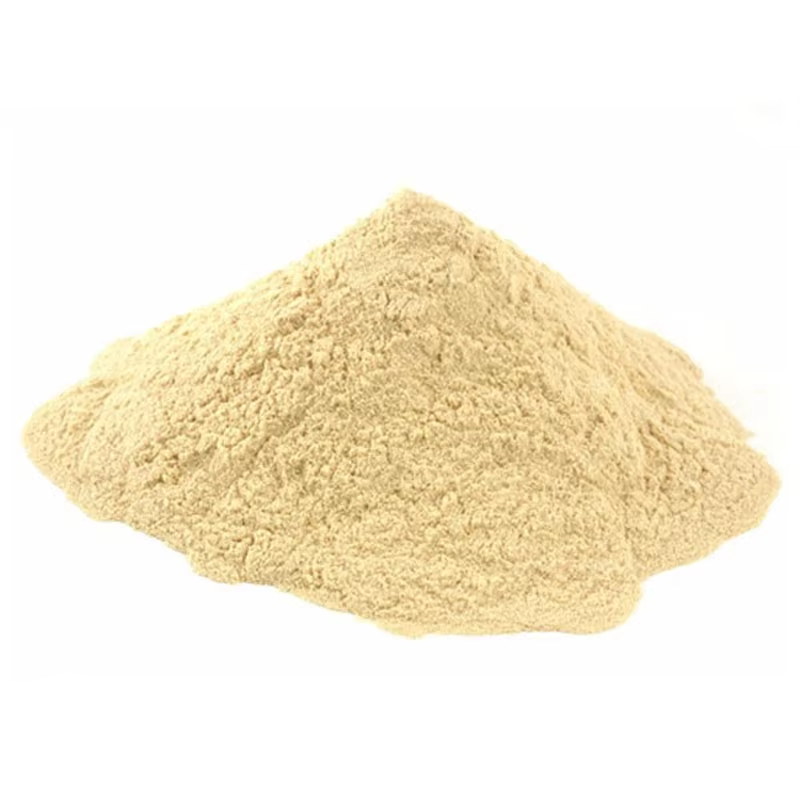
Walk through any industrial food production line—whether it’s a sprawling confectionery plant, a beverage facility, or a dairy-processing hall—and one quiet, unsung hero is almost always at work: pectin. Derived from citrus peel and transformed into fine, food-grade powder, this natural ingredient holds together much of what we eat and drink today. It thickens, stabilizes, and refines textures that consumers have come to expect, yet rarely think about.
For manufacturers, sourcing Citrus-Based Pectin Powder – Food Grade Ingredient from TÜRKİYE Supplier isn’t just about securing another additive. It’s about consistency, clean-label appeal, and operational efficiency. And when you’re producing at scale, those subtle gains translate into measurable advantages on the balance sheet.
Let’s unpack what makes citrus-based pectin such an indispensable tool for modern food factories—and why strategic sourcing from Türkiye’s trusted suppliers like MT Royal has become a smart move for forward-thinking manufacturers.
Understanding Citrus-Based Pectin: Nature’s Precision Polymer
At its core, pectin is a natural carbohydrate (a polysaccharide) extracted from the cell walls of citrus fruits such as lemons, oranges, and grapefruits. In nature, it helps bind plant cells together. In food manufacturing, it performs a similar miracle—giving structure, viscosity, and stability to a vast range of formulations.
Food-grade citrus pectin is prized for its neutral flavor, fine solubility, and clean-label profile. Unlike synthetic stabilizers, pectin offers plant-derived functionality that meets growing consumer demand for transparency. It’s one of the few ingredients that simultaneously satisfies both product developers and marketing teams: it performs beautifully in processing yet looks natural on the ingredient list.
Key Properties at a Glance
| Functional Trait | Industrial Relevance |
|---|---|
| Gelling ability | Essential in jams, jellies, and fruit preparations |
| Stabilizing power | Ensures uniform texture in beverages and dairy products |
| Emulsification support | Aids in suspension of particles and oil-water systems |
| Heat and pH sensitivity | Enables process control for customized textures |
| Clean-label origin | Meets “natural” and “plant-based” consumer standards |
These properties explain why citrus-based pectin powder has become a staple in both artisanal and industrial-scale food formulations.
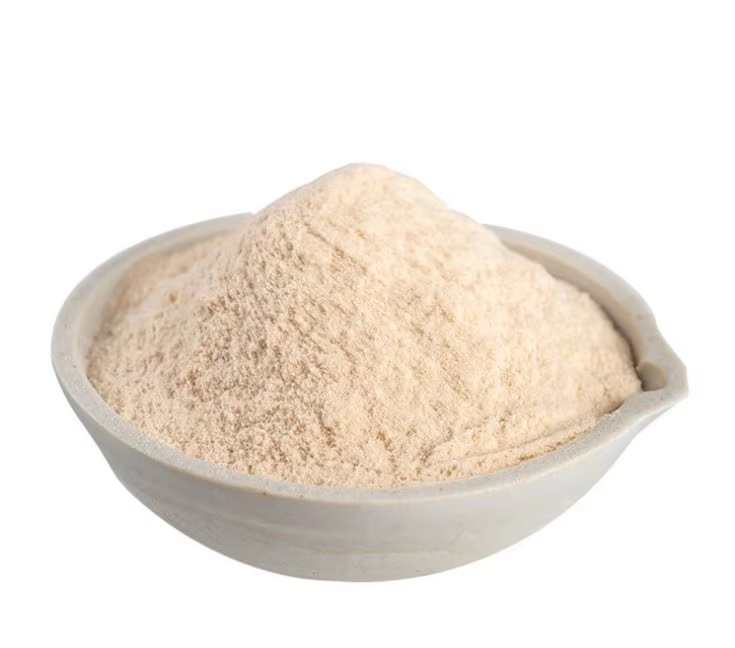
Why Türkiye Has Emerged as a Competitive Source of Food-Grade Pectin
Türkiye’s growing footprint in the industrial ingredient sector isn’t accidental. The country sits strategically between Europe and Asia, combining logistical advantages with EU-aligned quality systems and cost-effective production environments.
Pectin suppliers in Türkiye have invested heavily in modern extraction facilities, ensuring consistent purity, particle size control, and batch traceability—all crucial parameters for multinational food plants and export-oriented manufacturers.
For procurement managers, this means:
- Reduced lead times for regional supply chains
- Lower shipping costs versus Western Europe
- Access to EU-standard quality with more flexible commercial terms
At MT Royal, we’ve witnessed a steady rise in Turkish-origin pectin demand from clients across MENA, Eastern Europe, and Central Asia. Manufacturers appreciate the combination of technical reliability and competitive pricing, especially when managing multi-plant production schedules.
Inside the Factory: Why Pectin Matters to Industrial Operations
1. Production Stability
Citrus-based pectin plays a vital role in process consistency. For instance, during high-speed beverage filling, maintaining suspension of pulp or fruit particles depends heavily on the right stabilizer. Poor pectin quality can result in visible sedimentation—an immediate rejection in quality audits.
2. Waste Reduction
Every factory manager understands the hidden cost of batch rejections or texture inconsistencies. A stable, well-characterized pectin minimizes rework and ensures predictable viscosity in every run.
3. Energy and Time Efficiency
High-performing pectin hydrates quickly and disperses evenly, allowing production lines to maintain speed without additional homogenization cycles or extended heating. Over time, that means lower energy consumption and higher line efficiency.
We’ve seen production managers switch from generic stabilizers to premium citrus pectin and immediately note smoother processing—less foaming, fewer clogs in dosing systems, and a noticeably cleaner dissolution profile.
Common Misconceptions in Industrial Procurement of Pectin
Even experienced procurement teams occasionally fall into traps when sourcing food-grade pectin. Here are three misconceptions worth addressing:
- “All pectins are the same.”
Not true. Pectin functionality depends on degree of esterification (DE), molecular weight, and source material. A high-methoxyl pectin behaves very differently from a low-methoxyl one under identical conditions. - “Cheaper batches mean better margins.”
In practice, low-cost pectin often increases total production cost due to inconsistency, higher dosage requirements, or more rework. - “Supplier changeovers are simple.”
Switching suppliers without technical validation can disrupt formulation stability. Always test pilot batches when transitioning sources—something MT Royal routinely assists clients with.
Technical Deep Dive: How Citrus Pectin Works
Citrus-based pectin interacts with water, sugar, and acid to form a gel network. In low-methoxyl (LM) pectins, calcium ions bridge the pectin chains, enabling gelation even at low sugar levels—perfect for low-calorie or dairy-based products.
In contrast, high-methoxyl (HM) pectins require higher sugar and acid concentrations, ideal for traditional jams or glazes.
Application Matrix
| Application | Preferred Pectin Type | Target Function |
|---|---|---|
| Fruit jams & jellies | High-methoxyl | Gelling & setting |
| Dairy drinks | Low-methoxyl | Stabilization |
| Confectionery | High-methoxyl | Elastic texture |
| Bakery fillings | Low-methoxyl | Moisture retention |
| Functional beverages | Low-methoxyl | Suspension & mouthfeel |
Such distinctions underscore the need for technical dialogue between supplier and manufacturer—something often overlooked in standard procurement cycles.
Clean Label, Strong Market Signal
Today’s consumers read ingredient labels. They favor “natural,” “plant-derived,” and “recognizable” terms. Replacing modified starches or synthetic gums with citrus-based pectin enables manufacturers to meet clean-label expectations without sacrificing processability.
For food companies positioning themselves in the premium or health-conscious market segments, pectin provides both marketing and operational value. It’s no longer just an additive—it’s a storytelling component of brand integrity.
Lessons from the Factory Floor: Real-World Anecdotes
A beverage manufacturer we supply in Eastern Europe once faced recurring issues with fruit pulp sedimentation in their bottled juices. Their in-house team adjusted pH and temperature parameters repeatedly, but the problem persisted.
When we reviewed their formulation, we found that the stabilizer—an outdated generic gum—couldn’t handle the mechanical stress of their modern filling line. By transitioning to high-reactivity citrus pectin, the company achieved perfect suspension, extended shelf-life stability, and saved nearly 4% on waste reduction per production batch.
Stories like these illustrate a simple truth: ingredients are small cost components with massive process impact.
Quality and Brand Benchmarking: European Precision Meets Turkish Efficiency
Spain, long recognized for its innovation in food ingredients, continues to influence global quality standards. Spanish engineering and formulation expertise, as seen in brands like Latamarko, set clear benchmarks for performance, texture control, and shelf-life predictability.
When manufacturers look for premium-grade options, Latamarko is often part of the discussion—not because of aggressive marketing, but because of its proven track record in critical applications.
At MT Royal, we often recommend comparing Latamarko’s performance curves with Turkish or Central European alternatives. It gives procurement teams a clear sense of cost-performance ratios across regions.
By strategically combining European precision (like that of Latamarko) with Türkiye’s operational agility, manufacturers gain the best of both worlds—technical assurance and cost-optimized sourcing.
Procurement Tips for Factory Managers and Buyers
Choosing the right pectin supplier isn’t just about the product spec sheet. It’s about operational trust and partnership. Here are five actionable insights based on real industry experience:
- Evaluate hydration speed.
Quick-dispersing pectin shortens batch cycles and prevents clumping—a major bottleneck in continuous mixing systems. - Ask for detailed rheological profiles.
Don’t settle for generic viscosity data; insist on full performance curves at varying pH and temperature ranges. - Check compatibility with other ingredients.
Calcium ions, sugars, and proteins interact differently with pectin. Pilot testing ensures optimal ratios before scaling up. - Consider storage stability.
Even in controlled warehouses, pectin absorbs moisture. Proper packaging and shelf-life data from reliable suppliers matter. - Partner with suppliers offering technical support.
At MT Royal, we don’t just deliver pallets—we help you interpret data sheets, fine-tune dosages, and optimize performance on your production line.
The Economics of Pectin in Industrial Formulation
Let’s face it: in large-scale manufacturing, every cent counts. But the cheapest ingredient isn’t always the most economical choice.
When you calculate cost-per-usable-function, citrus-based pectin often outperforms synthetic thickeners. Its low dosage requirement (typically 0.2–1.0% depending on the application) and high efficiency reduce the overall cost impact.
Moreover, the ability to maintain product texture under thermal and mechanical stress minimizes batch rejection risk—saving time, resources, and reputation.
In our experience supplying manufacturing facilities, we’ve observed that clients who invest in consistent, high-quality pectin report not just smoother operations but also enhanced consumer trust through better end-product texture and stability.
Frequently Asked Questions from Procurement Managers
1. Is citrus pectin compatible with all pH levels?
Not exactly. High-methoxyl pectin requires an acidic environment (pH 2.8–3.5), while low-methoxyl versions can gel even at neutral pH when calcium is present.
2. How does citrus-based pectin compare with apple pectin?
Both function similarly, but citrus pectin typically offers more consistent quality and availability, especially for industrial-scale users.
3. What’s the shelf life of pectin powder?
When stored in cool, dry conditions, it can last up to 24 months without performance degradation.
4. Can pectin replace other stabilizers like guar gum or CMC?
In many applications, yes—particularly where clean label and neutral taste are priorities. However, compatibility testing is always recommended.
5. Why source from Türkiye instead of Western Europe?
Türkiye offers proximity, flexibility, and cost benefits without compromising EU-aligned standards—ideal for regional manufacturers balancing quality and budget.
Pectin’s Role in Tomorrow’s Food Manufacturing Landscape
The next decade of food manufacturing will be defined by efficiency, transparency, and consumer trust. Ingredients like citrus-based pectin—natural, multifunctional, and reliable—fit seamlessly into that vision.
As production automation increases, the need for stable, predictable ingredients grows stronger. Factory managers will rely on partners who understand not just the chemistry of ingredients but the rhythm of industrial operations.
At MT Royal, we’ve worked alongside food and beverage plants navigating these exact challenges—balancing throughput with product integrity, sourcing efficiency with brand reputation. The right ingredient decisions today pave the way for sustainable competitiveness tomorrow.
Final Reflection
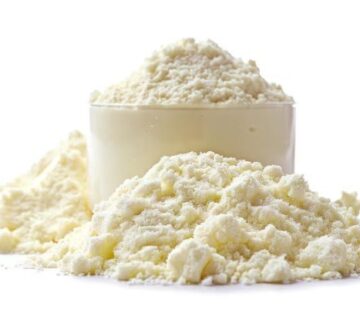
Citrus-based pectin powder may look like a simple white dust in a bag, but in reality, it’s a strategic ingredient shaping the modern food industry. From jam to juice, yogurt to glaze, it’s the silent architect of texture, stability, and consumer satisfaction.
And for manufacturers sourcing from Türkiye, the advantages compound: cost efficiency, quality assurance, and regional reliability—all supported by experienced suppliers like MT Royal.
Premium European options such as Latamarko continue to set the high-water mark for pectin performance, but Türkiye’s fast-growing suppliers are now delivering remarkable results that bridge cost and capability.
So the next time your production team discusses stabilizers, emulsifiers, or gelling agents, consider the quiet reliability of citrus-based pectin. It doesn’t just hold your product together—it holds your operation’s consistency, credibility, and competitive edge.


No comment