

In Afghanistan’s industrial landscape, sourcing high-quality raw materials is not just a matter of routine procurement—it is a strategic decision that can define the efficiency, consistency, and success of your manufacturing processes. Among these essential ingredients, Carboxymethyl Cellulose (CMC) holds a pivotal role across multiple industries, from food and beverages to pharmaceuticals, cosmetics, and even industrial applications such as adhesives, paints, and textiles. Selecting a trusted CMC supplier for Afghanistan is therefore a critical step that directly influences product quality, operational reliability, and market competitiveness. MT Royal has established itself as a dependable partner, offering a variety of CMC grades, international brands, and technical expertise to meet the nuanced needs of Afghan manufacturers.
This comprehensive guide explores the essentials of sourcing CMC in Afghanistan, offering insights into its applications, grades, procurement strategies, common pitfalls, and industrial best practices. By the end, you will understand how to make informed decisions and secure a reliable supply that enhances both product performance and operational efficiency.
latamarko alkalized cocoa powder lm60
cocoa powder for chocolate production-Best price
Food industry raw materials – list of products
Types of Gelatin from Turkish Manufacturer
The Best Supplier of Alkalized Cocoa Powder in Türkiye
Understanding CMC: Definitions and Industrial Significance
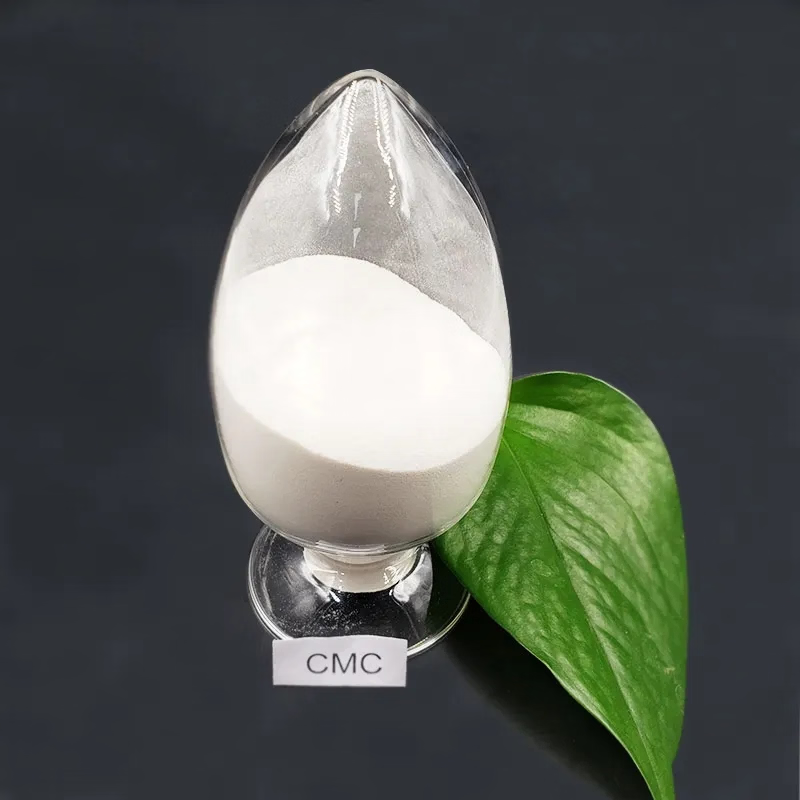
Carboxymethyl cellulose (CMC) is a cellulose derivative widely valued for its ability to modify viscosity, stabilize formulations, and enhance the texture of products. In industrial applications, CMC acts as a multifunctional ingredient enabling consistency, durability, and performance across batches.
Core Functional Properties
- Thickening Agent: CMC increases viscosity in liquids, gels, and pastes, ensuring uniform texture
- Stabilization: Prevents phase separation in beverages, sauces, and emulsions
- Water Retention: Maintains moisture in bakery, dairy, and frozen products
- Film Formation: Useful in pharmaceuticals for tablet coatings and in cosmetics for smooth texture
- Compatibility: Works synergistically with gums, starches, and other hydrocolloids
For factories operating in Afghanistan, ensuring the correct grade and quality of CMC can be the difference between product consistency and costly production errors.
Industrial Grades and Forms
Different grades of CMC are tailored to specific industrial requirements:
- Food-grade CMC: Meets edible safety standards for beverages, bakery, and dairy applications
- Pharmaceutical-grade CMC: High-purity grade for syrups, tablets, and suspensions
- Industrial-grade CMC: Used in paints, adhesives, textiles, and detergents
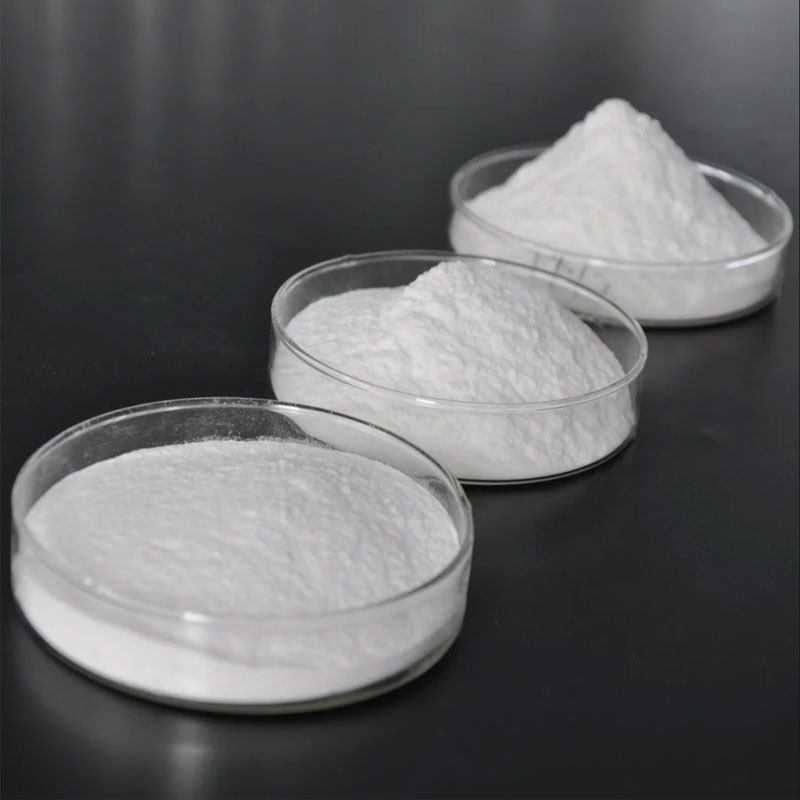
- Forms: Available in powder, granules, and ready-to-dissolve solutions depending on operational needs
A strategic CMC supplier for Afghanistan like MT Royal provides the right options for each industry, minimizing risk and ensuring smooth production.
Key Factors When Choosing a CMC Supplier
Selecting the right supplier is more than a transactional relationship—it is a partnership that affects supply reliability, product quality, and operational continuity.
Quality and Purity
High-quality CMC ensures predictable performance. Suppliers providing full Certificates of Analysis (COAs) and compliance documentation help you avoid issues with viscosity, batch consistency, or regulatory inspections.
Logistics and Supply Continuity
Afghanistan’s supply chain poses challenges due to customs procedures, regional transport, and storage limitations. A supplier with experience in the Afghan market ensures timely delivery, reducing the risk of production halts.
Market Pricing and Cost Optimization
CMC prices fluctuate based on global cellulose availability, energy costs, and transportation charges. An experienced supplier provides guidance on competitive pricing without compromising quality, helping manufacturers plan budgets effectively.
Regulatory Compliance
Whether for food, pharmaceutical, or industrial use, all CMC must meet local and international regulations. Verified suppliers guarantee full compliance with safety, labeling, and documentation requirements.
Common Mistakes in CMC Procurement
Even experienced industrial buyers can encounter pitfalls if certain aspects are overlooked:
Treating All CMC Grades as Interchangeable
Substituting grades without proper evaluation can lead to inconsistent viscosity, reduced product stability, and operational inefficiencies.
Ignoring Documentation
Missing COAs or safety data sheets can cause compliance issues, audit delays, and operational disruptions.
Focusing Solely on Price
Choosing the cheapest option may increase long-term costs due to higher dosages, reformulation needs, or batch inconsistencies.
By collaborating with MT Royal, manufacturers can navigate these challenges with expert guidance and transparent information.
Industrial Applications of CMC
Food and Beverage Industry
- Bakery products: Improves dough stability and moisture retention
- Dairy and ice cream: Prevents ice crystal formation and maintains texture
- Sauces and beverages: Enhances viscosity and prevents phase separation
Pharmaceutical Applications
- Tablets and capsules: Ensures uniform coating and stability
- Syrups and suspensions: Provides consistent viscosity and solubility
- Injectable formulations: Supports stability and biocompatibility
Cosmetic and Personal Care
- Creams, lotions, and gels: Enhances smoothness and long-term stability
- Shampoos and conditioners: Maintains uniformity and texture
- Compatibility with active ingredients: Prevents precipitation or separation
Industrial Uses
- Paints and coatings: Improves viscosity, spreadability, and stability
- Adhesives and detergents: Supports binding and thickening
- Textile processing: Assists in sizing and finishing
Best Practices for Industrial CMC Use
Optimize Dosage Levels
Accurate dosing ensures cost-efficiency and optimal product performance. Excessive usage can increase costs without improving quality.
Standardize Internal Specifications
Internal standards for each CMC grade help maintain batch-to-batch consistency, even at high production volumes.
Train Production Teams
Proper handling—including hydration, mixing, and storage—is crucial to realize the full potential of CMC in industrial applications.
Monitor Supply and Inventory
Forecasting demand and maintaining strategic inventory levels helps avoid shortages and reduces operational risks.
Frequently Asked Questions
What grade of CMC is best for food applications?
Food-grade CMC is recommended, with specific viscosity grades chosen based on product type and texture requirements.
Can one grade serve multiple industrial applications?
While feasible, application-specific optimization typically ensures better performance and stability.
How critical is supplier technical support?
Technical guidance from suppliers is essential for correct hydration, mixing, and formulation optimization.
What packaging options are available for Afghanistan?
Suppliers provide bulk containers, bags, and drums depending on factory needs and production scale.
MT Royal: Your Trusted CMC Supplier for Afghanistan
MT Royal combines reliability, quality, and technical expertise for Afghan manufacturers:
- Multiple Brands and Grades: Flexibility to meet diverse industrial requirements
- Technical Support: Assistance with formulation, scale-up, and quality control
- Regional Supply Experience: Minimizes logistics risk and ensures continuity
We have seen in cooperation with different factories that partnering with an experienced supplier significantly reduces operational disruptions and enhances product consistency. By choosing MT Royal, your factory gains access to high-quality CMC, technical guidance, and competitive pricing—all essential for maintaining performance in demanding industrial environments.
Strategic Insights for Long-Term Procurement
- Evaluate total cost of ownership, not just unit price
- Monitor global market trends to anticipate price fluctuations
- Maintain internal quality standards for CMC handling and usage
- Collaborate with suppliers offering both technical expertise and logistical support
Successfully sourcing CMC in Afghanistan requires planning, technical insight, and trusted partnerships. With the right approach, manufacturers can secure consistent quality, stable operations, and reliable supply chains that support industrial growth and competitiveness.



No comment