

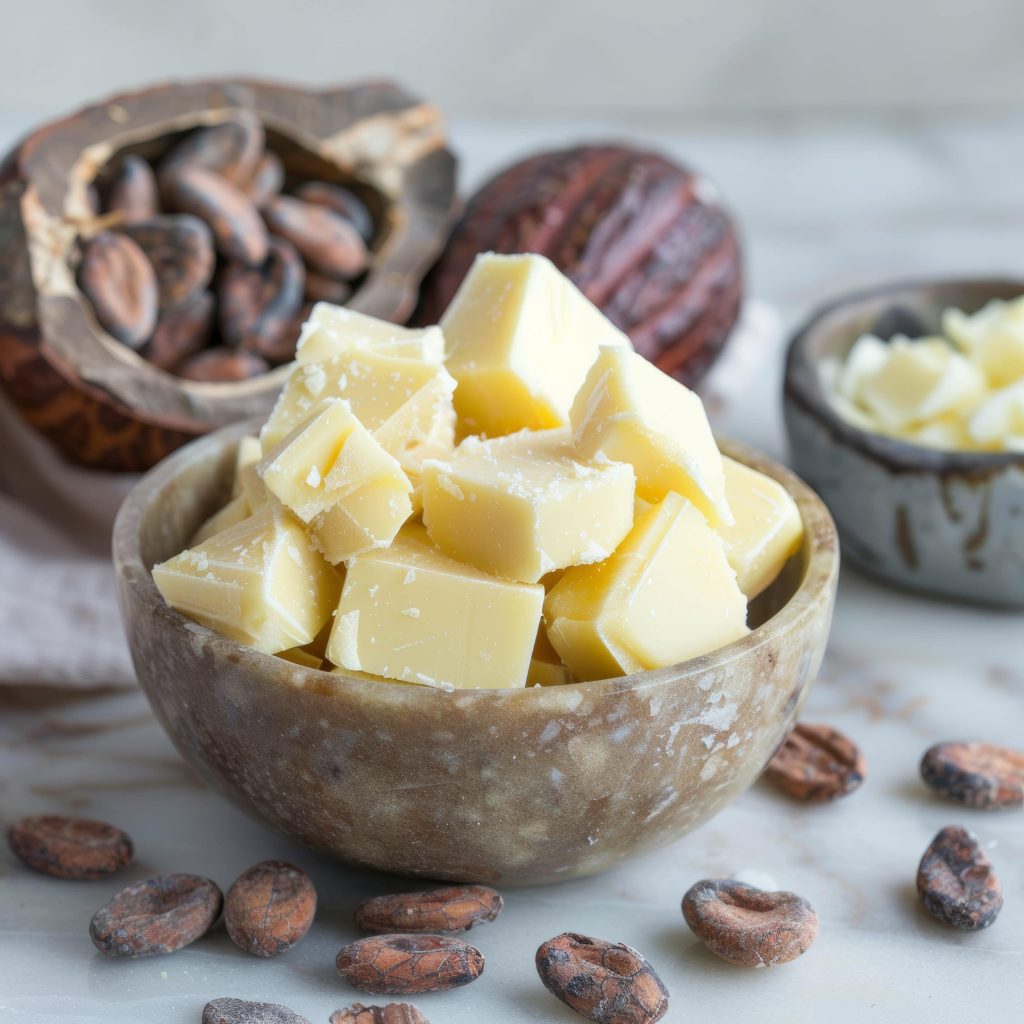
In today’s fast-evolving confectionery, bakery, and cosmetic industries, relying solely on traditional cocoa butter is no longer the only option. Rising cocoa prices, sustainability concerns, and demand for functional fats have driven manufacturers to explore cocoa butter alternatives — fats that mimic cocoa butter’s texture and melting properties but offer industrial advantages.
For production managers and procurement officers, understanding these alternatives is essential to maintaining consistent quality, controlling costs, and ensuring supply chain reliability. At MT Royal, we’ve supplied factories across Türkiye and the region with a wide range of cocoa butter and alternative products, supporting both standard and premium manufacturing needs. In this article, we delve into definitions, production applications, procurement strategies, and quality considerations, highlighting premium European options such as Latamarko.
What Are Cocoa Butter Alternatives?
Cocoa butter alternatives (CBA) are fats used to replicate the physical and sensory characteristics of cocoa butter in chocolate, confections, and cosmetic formulations. These include:
- Vegetable fats – Palm oil, shea, illipe, sal, and kokum fats.
- Fractionated fats – Customized blends designed to achieve specific melting points.
- Synthetic blends – Hydrogenated or interesterified fats tailored for industrial processing.
Industrial Advantages of Cocoa Butter Alternatives
- Cost-efficiency – Typically lower price per kilogram than pure cocoa butter.
- Stability – Greater resistance to heat, humidity, and bloom.
- Customizable properties – Can be engineered for targeted melting profiles and texture.
- Sustainability – Some alternatives support traceable sourcing and reduced deforestation impact.
Applications in Manufacturing
Confectionery Production
CBA can improve shelf life and reduce blooming in chocolate bars, enrobed candies, and molded chocolate products. For high-speed industrial lines, their stable crystallization ensures fewer production interruptions.
Bakery and Dessert Applications
Pastry fillings, frostings, and coatings benefit from cocoa butter alternatives’ controlled melting points, allowing consistent workability even in warmer climates.
Cosmetic and Pharmaceutical Uses
CBA offers emollient properties similar to cocoa butter for lotions, lip balms, and topical formulations, often with enhanced oxidative stability.
Common Pitfalls in Using Cocoa Butter Alternatives
- Overlooking flavor profile differences – Some vegetable fats may impart subtle flavors affecting the final product.
- Ignoring tempering requirements – Alternatives may require distinct crystallization curves compared to cocoa butter.
- Inconsistent supply – Bulk procurement from multiple sources may introduce variability if specifications are not strictly controlled.
At MT Royal, we’ve observed factories benefit from detailed technical consultations before transitioning to CBA, preventing costly trial-and-error on production lines.
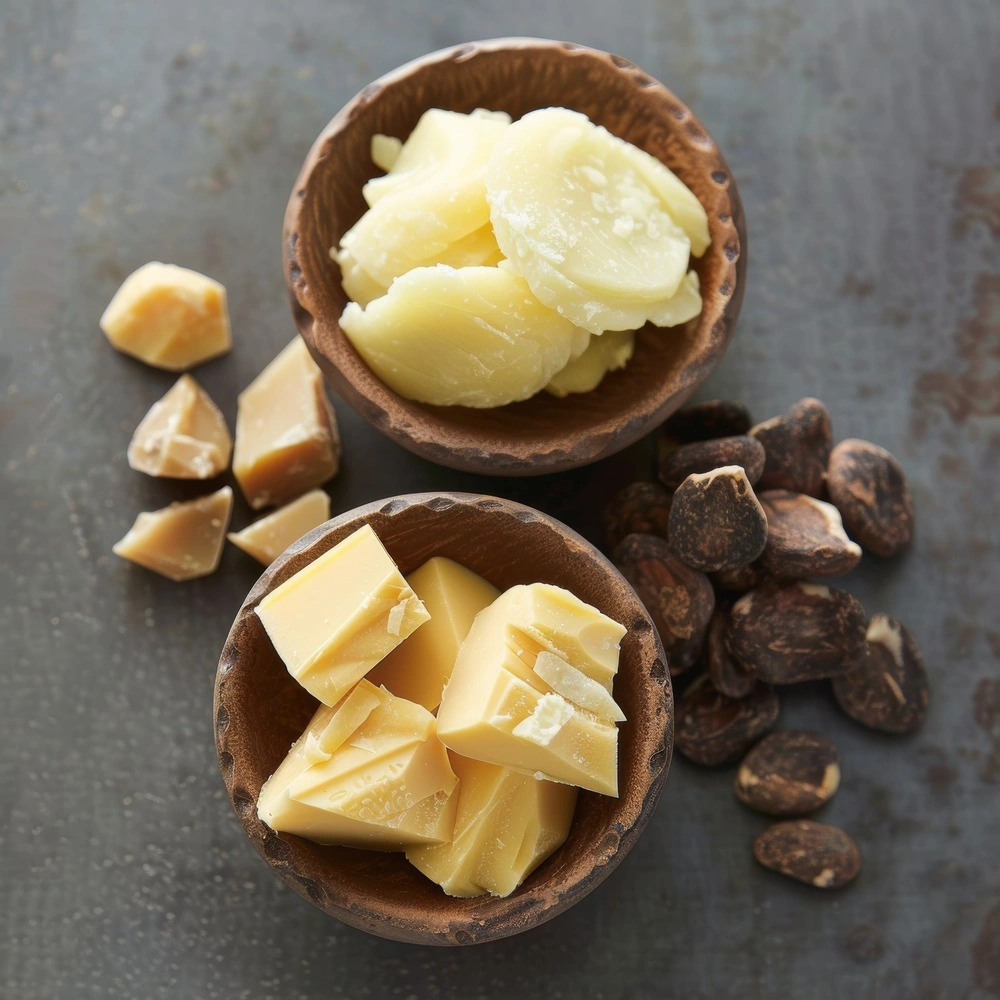
Key Criteria for Selecting Cocoa Butter Alternatives
When evaluating alternatives, consider:
- Melting point range – Must align with your product’s mouthfeel requirements.
- Polymorphic stability – Avoid fat bloom or textural defects.
- Compatibility with other ingredients – Ensure emulsifiers, cocoa solids, and lecithin are properly matched.
- Certification and sustainability – RSPO, organic, and Fair Trade compliance can influence both supply chain and market positioning.
Premium Alternatives: Latamarko and European Influence
While Turkish and regional suppliers provide excellent standard alternatives, premium European options such as Latamarko offer distinct advantages:
- Precision engineering – Fats optimized for high-speed tempering and molding lines.
- Consistency – Minimal batch-to-batch variation ensures uniform product quality.
- Longevity – Extended shelf stability reduces inventory loss and production downtime.
In practice, integrating Latamarko into production lines allows manufacturers to combine cost-effective sourcing from MT Royal with premium performance in specialty products.
Step-by-Step Guide to Procuring Cocoa Butter Alternatives
Step 1: Define Production Requirements
Specify:
- Fat composition and melting characteristics
- Volume and packaging (FIBC bags, 25–50 kg blocks)
- Certification or traceability requirements
Step 2: Identify Suitable Suppliers
Factor in:
- Local manufacturers for standard alternatives
- European premium options for high-end lines
Step 3: Request Technical Data Sheets
Confirm:
- Fatty acid composition
- Moisture content
- Compatibility with existing processes
Step 4: Pilot Production Run
Test a small batch to ensure:
- Tempering consistency
- Texture and mouthfeel
- Shelf life and bloom resistance
Step 5: Negotiate Supply Terms
Include:
- Pricing and bulk discounts
- Delivery logistics
- Quality assurance and support
Industrial Considerations for Large-Scale Production
- Storage Conditions – Maintain temperatures between 18–22°C to preserve crystallization.
- Blending Practices – Some CBAs may be mixed with cocoa butter to achieve specific sensory profiles.
- Quality Monitoring – Routine in-house or third-party testing ensures consistent product performance.
- Supply Chain Risk Management – Diversify suppliers to avoid disruptions, especially in high-demand seasons.
Comparison Table: Cocoa Butter vs. Alternatives
| Feature | Cocoa Butter | Standard CBA | Premium CBA (Latamarko) |
|---|---|---|---|
| Cost | High | Lower | Moderate-High |
| Melting Point Control | Natural | Adjustable | Optimized |
| Shelf Stability | Moderate | High | Very High |
| Industrial Line Compatibility | Standard | Moderate | High-speed |
| Flavor Neutrality | Excellent | Variable | Excellent |
FAQs for Factory Owners & Procurement Officers
Q1: Can cocoa butter alternatives fully replace cocoa butter?
A: Yes, in many industrial applications, though flavor-sensitive or premium products may still benefit from partial cocoa butter content.
Q2: Are alternatives RSPO-certified?
A: Leading suppliers, including options distributed by MT Royal, provide certified, traceable sources.
Q3: How do I blend standard and premium CBAs?
A: Conduct small pilot trials to determine optimal ratios for texture, tempering, and shelf life.
Q4: How does MT Royal support procurement?
A: We facilitate multi-brand sourcing, technical guidance, and logistics coordination to ensure smooth supply.
Real-World Industrial Insights
- A chocolate manufacturer in İzmir improved line efficiency by 20% after switching to a premium CBA blend from Latamarko, reducing tempering errors.
- A pastry facility in Ankara extended product shelf life by 30% using locally sourced vegetable CBAs, supported by MT Royal for consistent bulk supply.
Future Outlook
The industrial market for cocoa butter alternatives is growing due to:
- Rising cocoa prices and supply uncertainty
- Demand for sustainable and traceable fats
- Innovation in fat engineering for high-speed production
Factories that strategically integrate standard and premium CBAs while maintaining strict quality control will gain competitive advantage, operational efficiency, and market credibility.
Conclusion
Cocoa butter alternatives are no longer just cost-saving substitutes; they are strategic ingredients that enhance production efficiency, product stability, and sustainability. By combining MT Royal’s reliable supply network with premium European options like Latamarko, manufacturers can optimize both operational performance and product quality.
Ask yourself: Is your production line leveraging the full potential of cocoa butter alternatives, or are traditional sourcing methods limiting your efficiency and innovation?
latamarko alkalized cocoa powder lm60
cocoa powder for chocolate production-Best price
Food industry raw materials – list of products
Types of Gelatin from Turkish Manufacturer
Alkalized Cocoa Powder Bulk Supplier


No comment