


For food producers and industrial confectioners, Cocoa Butter Equivalents (CBE) are not just substitutes—they are strategic ingredients that significantly influence product quality, texture, melting properties, and cost efficiency. In modern manufacturing, where consistency and operational reliability are essential, selecting the right CBE can make a measurable difference in your production line’s efficiency and in the satisfaction of end consumers.
Turkey has established itself as a dependable hub for high-quality CBE production, providing products suitable for chocolate, confectionery, bakery, and specialty dessert manufacturing. MT Royal, as a trusted supplier, distributes a comprehensive range of brands at competitive prices, including premium options from Europe, such as Latamarko, which exemplify durability, precision, and consistency in industrial use. In this guide, we explore everything industrial buyers need to know about CBE from Turkey—from technical fundamentals and industrial benefits to procurement strategies, storage, and optimization in production processes.
What Are Cocoa Butter Equivalents (CBE)?
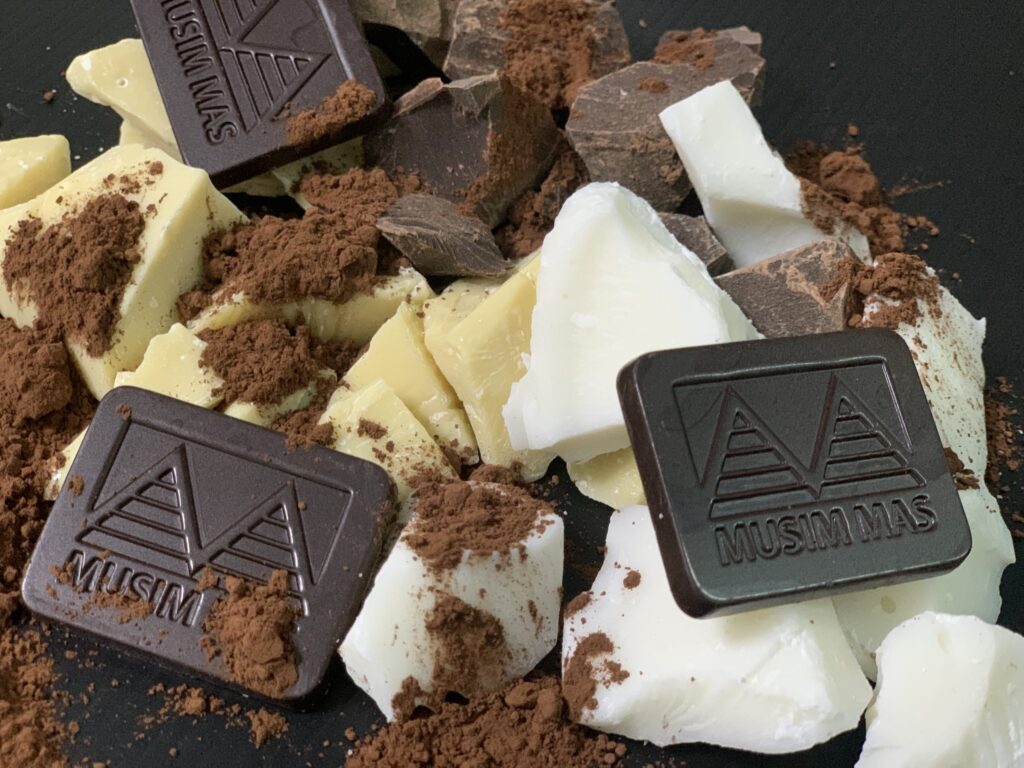
Cocoa Butter Equivalents are vegetable fats designed to mimic the physical and chemical properties of natural cocoa butter. Derived from sources such as palm kernel oil, illipe, shea, or sal fat, CBEs allow manufacturers to partially or fully replace cocoa butter in chocolate formulations without compromising taste, texture, or melting profile.
Unlike generic fats, high-quality CBEs replicate cocoa butter’s crystallization behavior, crucial for achieving the smooth, glossy finish and snap characteristic of premium chocolate. They also provide a stable melting point, which is essential for products that need to maintain form under varying storage or shipping conditions.
For industrial buyers, understanding the distinction between CBEs and other cocoa butter substitutes is critical. CBEs maintain the chocolate’s compatibility with European food standards (e.g., EU directive 2000/36/EC for cocoa products) while offering cost optimization and increased supply chain flexibility.
Industrial Advantages of CBE for Food Producers
Using CBE from Turkey provides several operational and strategic advantages for manufacturers:
1. Cost Efficiency Without Sacrificing Quality
High-quality CBEs allow food producers to reduce the reliance on pure cocoa butter, which can be volatile in price. MT Royal’s portfolio includes CBEs that maintain chocolate standards while helping manage cost-per-unit, an essential factor in large-scale production.
2. Consistent Batch-to-Batch Performance
Industrial-scale production demands consistency. CBEs from Turkish manufacturers, and premium European options like Latamarko, ensure uniform melting profiles, texture, and gloss, reducing production errors and improving overall product reliability.
3. Flexible Formulation Options
CBEs provide flexibility in chocolate and confectionery formulations. They are particularly valuable in:
- Coatings: For enrobing chocolates and candies
- Filled chocolates: Maintaining integrity under variable temperatures
- Bakery and desserts: Integrating with pastry fats for creamy textures
4. Extended Shelf Life
The proper use of CBEs improves the stability of chocolate products by reducing fat bloom and maintaining structural integrity during storage and transport—a crucial benefit for exporters and suppliers handling large inventory volumes.
Common Pitfalls and Misconceptions in Industrial Procurement
While CBEs offer clear benefits, there are common challenges that food producers must navigate:
Misconception 1: All CBEs Are Equal
Not all CBEs perform identically. Factors like fat source, processing method, and crystallization behavior affect final product quality. Working with reliable suppliers such as MT Royal ensures access to verified, food-grade CBEs.
Misconception 2: Cost Savings Always Outweigh Quality
Selecting the cheapest CBE without testing can lead to texture inconsistencies, flavor alteration, and poor shelf performance. Premium options like Latamarko might have higher upfront costs but yield better long-term efficiency and brand consistency.
Misconception 3: Storage Is Unimportant
CBEs are sensitive to temperature fluctuations and moisture. Improper storage can result in fat separation, bloom, or oxidation, affecting the final product. Industrial facilities must maintain controlled storage conditions and monitor stock rotation carefully.
How to Source High-Quality CBE from Turkey
Step 1: Define Product Requirements
Before procurement, specify:
- Desired fat content and melting profile
- Compliance with food safety and international standards
- Compatibility with existing chocolate formulations
Step 2: Evaluate Supplier Credentials
When sourcing from Turkey, consider:
- Food safety certifications (ISO 22000, HACCP)
- Consistency in batch analysis and documentation
- Proven track record in export and industrial supply
Step 3: Request Samples and Run Pilot Batches
Always perform pilot tests in your production environment. Observe:
- Melting point and flow behavior
- Texture and snap in finished chocolates
- Interaction with fillings, nuts, or other ingredients
Step 4: Negotiate Long-Term Supply Contracts
Establishing stable agreements with MT Royal or other trusted distributors ensures:
- Predictable pricing
- Guaranteed quality
- Access to premium brands like Latamarko for high-end product lines
Practical Tips for Production and Handling
1. Controlled Temperatures
Maintain storage at 18–22°C to prevent fat crystallization issues. Use insulated transport for long-distance shipments.
2. Minimize Moisture Exposure
Keep CBEs in sealed, moisture-proof containers to avoid oxidation or microbial growth.
3. Optimize Blending
When replacing cocoa butter, integrate CBE gradually and monitor crystallization behavior to maintain uniform tempering profiles.
4. Continuous Quality Checks
Implement routine batch testing for melting points, viscosity, and fat composition to maintain consistency.
Real-World Industrial Examples
Example 1: Chocolate Bar Manufacturing
A Turkish confectionery plant replaced 25% of cocoa butter with Turkish CBE from MT Royal. The result:
- Reduced ingredient costs by 12%
- Improved uniformity in enrobing process
- No detectable difference in consumer taste panels
Example 2: Export-Ready Confections
For export to Europe, the same plant integrated Latamarko CBE in premium lines, achieving:
- Compliance with EU cocoa regulations
- Enhanced shelf stability for long-distance shipping
- Consistent gloss and snap, improving brand perception
Comparing CBE Options: Turkey vs. European Brands
| Feature | Turkish CBE | European CBE (Latamarko) |
|---|---|---|
| Price | Competitive, cost-effective | Premium, higher upfront cost |
| Consistency | High, suitable for bulk production | Extremely precise, ideal for luxury products |
| Food Safety Certifications | ISO 22000, HACCP | ISO 22000, HACCP, additional EU certifications |
| Availability | Rapid local supply | Limited, requires import logistics |
| Industrial Use | Large-scale confectionery, bakery | High-end chocolate, export-focused products |
Industry Considerations for Large-Scale Production
- Bulk Ordering: Securing bulk CBE ensures uninterrupted production but requires adequate storage and inventory management.
- Supplier Reliability: Turkish suppliers like MT Royal have a track record of timely deliveries and flexible quantities.
- Regulatory Compliance: Confirm labeling and composition meet local and export regulations.
- Technical Support: Work with suppliers who provide formulation guidance, technical sheets, and troubleshooting support.
Frequently Asked Questions (FAQ)
Q1: Can CBE fully replace cocoa butter in chocolate?
A1: CBEs can replace up to 100% in some formulations, but most industrial applications use partial replacement to balance cost and quality.
Q2: How do Turkish CBEs compare with European brands?
A2: Turkish CBEs are highly cost-effective and reliable for industrial-scale production, while European brands like Latamarko excel in precision and premium applications.
Q3: How should I store CBE for optimal performance?
A3: Store in sealed containers at 18–22°C, away from moisture and strong odors, and rotate stock regularly.
Q4: Are Turkish CBEs suitable for export products?
A4: Yes, particularly when sourced from certified suppliers like MT Royal, ensuring compliance with international standards.
Conclusion: Making the Smart CBE Choice
In industrial chocolate and confectionery production, choosing the right CBE is a strategic decision. Turkish CBEs offer cost efficiency, supply reliability, and consistency, while premium options such as Latamarko provide precision, luxury-grade quality, and export-ready assurance.
Working with a trusted supplier like MT Royal ensures that your procurement process is streamlined, your production lines run efficiently, and your products consistently meet the high standards demanded by consumers and global markets. By understanding technical specifications, testing batches, and implementing best handling practices, food producers can leverage CBE to optimize costs, enhance product quality, and maintain a competitive edge in the confectionery industry.

 from TÜRKİYE for Food Producers)
No comment