

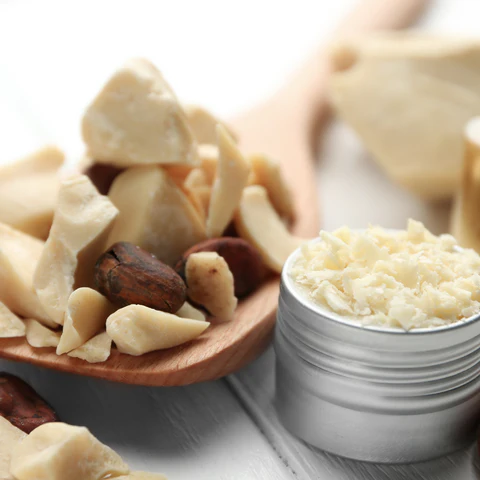
In the evolving landscape of chocolate production, cocoa butter stands at the heart of everything — texture, flavor, aroma, and even shelf stability. For chocolate producers in Libya, where industrial growth is reshaping the food manufacturing sector, sourcing high-quality cocoa butter is no longer a simple procurement decision. It’s a strategic cornerstone that defines product consistency, brand reputation, and operational profitability.
From Benghazi to Tripoli, local chocolate factories are scaling up to meet rising domestic and export demand. But behind every successful chocolate bar lies a critical component: a reliable, sustainable supply of premium cocoa butter. The challenge, however, is that cocoa butter sourcing involves far more than finding the lowest price — it requires expertise, stable logistics, and trusted export partners.
At MT Royal, we’ve worked closely with manufacturing facilities across North Africa, observing how access to consistent, quality-assured cocoa butter directly transforms a plant’s efficiency and cost-per-unit performance. In this article, we’ll explore the entire ecosystem of cocoa butter exports for Libyan chocolate producers, examining supply dynamics, export quality standards, industrial-grade options, and how producers can leverage smart sourcing strategies to achieve long-term success.
Understanding Cocoa Butter: More Than Just a Fat
To appreciate the complexity of cocoa butter exports, it’s worth revisiting what cocoa butter truly is. Extracted from fermented and roasted cocoa beans, cocoa butter is a natural fat that gives chocolate its iconic smoothness and melt-in-the-mouth sensation.
It’s prized not only for sensory appeal but also for its technical characteristics:
- Stable crystalline structure (critical for tempering and gloss)
- High melting point (around 34–38°C), ideal for tropical climates like Libya
- Oxidative stability that ensures longer product shelf life
- Natural antioxidants, supporting cleaner ingredient labels
Cocoa butter isn’t a one-size-fits-all ingredient. Variations exist — natural, deodorized, or fractionated forms — each suited to different product requirements, from premium truffles to mass-market coatings. Libyan chocolate producers must therefore identify suppliers capable of offering multiple cocoa butter grades to meet their production diversity.
Why Cocoa Butter Exports Matter for Libyan Producers
For manufacturers in Libya, cocoa butter is typically imported due to limited local processing capabilities. This dependency elevates the role of export suppliers — their consistency, technical standards, and reliability become the backbone of the chocolate value chain.
1. Quality Defines Brand Identity
In chocolate, there’s no shortcut for quality. Inferior cocoa butter can cause dull surfaces, fat bloom, or unstable tempering. When a batch of cocoa butter varies in composition, even slightly, it affects production temperature calibration and leads to costly reworks. Exporters who maintain tight specifications (acid value, peroxide index, and moisture control) provide manufacturers with the confidence needed for uninterrupted production.
2. Cost Efficiency and Bulk Economics
Cocoa butter prices fluctuate globally due to crop yields, demand surges, and logistics shifts. Libyan manufacturers often operate within tight margins, so efficient bulk import arrangements — including optimized container loads and stable long-term contracts — can reduce costs by up to 10–15% per metric ton. Reliable exporters support such efficiency through transparent pricing and consistent supply schedules.
3. Supply Chain Stability
Unplanned downtime can cripple a chocolate line. Cocoa butter exporters who guarantee punctual delivery and proper storage conditions (maintaining below 25°C and low humidity) help minimize operational disruptions. This stability enables production managers to forecast accurately and maintain consistent market presence — an essential competitive edge in regional markets.
The Export Landscape: What Defines a Reliable Cocoa Butter Partner
Selecting the right cocoa butter export partner is more than signing a contract. It involves assessing technical expertise, documentation accuracy, and global handling standards.
Here’s what distinguishes a dependable exporter from the rest:
| Key Criteria | What It Means for Libyan Producers |
|---|---|
| Origin Transparency | Knowing the bean source (West Africa, Latin America, or Indonesia) ensures predictable performance and flavor |
| Quality Certifications | Compliance with ISO 22000, HACCP, and Halal standards validates safety and consistency |
| Storage & Handling | Proper temperature-controlled logistics prevent fat bloom and oxidation |
| Batch Consistency | Each batch must meet identical specifications to avoid production recalibration |
| Documentation & Traceability | Detailed COAs and export paperwork simplify customs clearance and quality assurance |
Premium suppliers combine all these factors seamlessly — offering not just product, but peace of mind.

European Excellence in Cocoa Butter: The Benchmark for Quality
Europe has long set the benchmark for cocoa processing. Spain, in particular, has emerged as a leader in refining, deodorizing, and stabilizing cocoa butter for industrial applications. Spanish manufacturers like Latamarko represent this tradition of excellence — delivering consistent quality, clean taste profiles, and exceptional stability across production environments.
Latamarko’s premium cocoa butter, recognized for its neutral aroma and high crystallization stability, allows chocolate producers to maintain product uniformity even in demanding climatic conditions. Such performance consistency makes European-origin cocoa butter particularly attractive to Libyan manufacturers aiming to elevate product standards or export to Gulf and Mediterranean markets.
How Libyan Chocolate Producers Benefit from Strategic Cocoa Butter Exports
1. Enhanced Product Quality
High-quality cocoa butter ensures better gloss, snap, and mouthfeel — the hallmarks of premium chocolate. It also supports efficient tempering, reducing batch rejects and waste.
2. Improved Operational Efficiency
Uniform melting profiles simplify production calibration. In our experience working with North African facilities, consistent raw material performance can increase output efficiency by up to 8% while reducing tempering time.
3. Longer Shelf Stability
Stable, deodorized cocoa butter minimizes rancidity and bloom, extending product lifespan — a crucial factor for export-focused chocolate brands in Libya.
4. Brand Differentiation
When Libyan producers use cocoa butter comparable to European or Middle Eastern brands, their products can confidently compete in regional markets — boosting brand credibility and consumer trust.
Common Procurement Challenges in Cocoa Butter Imports
Even experienced factory managers face several pitfalls when sourcing cocoa butter internationally. Recognizing these in advance helps build more resilient supply chains.
- Overreliance on Spot Purchasing:
Buying per shipment may seem flexible, but it exposes factories to price volatility and uncertain quality. Contract-based sourcing from established exporters offers long-term stability. - Neglecting Fat Composition Analysis:
Ignoring iodine or saponification values can lead to inconsistent melting behavior, directly affecting chocolate tempering lines. - Inadequate Storage Conditions:
Storing cocoa butter in hot or humid warehouses can destroy its crystalline structure. Exporters should use temperature-controlled containers and provide handling guidelines. - Documentation Errors in Import Process:
Missing certificates or unclear batch traceability can delay customs clearance. Reputable exporters like MT Royal ensure complete documentation with each shipment. - Underestimating Supplier Support:
The best exporters don’t just sell; they guide. Technical support in troubleshooting or production calibration can save manufacturers hours of downtime.
Pro Tips for Factory Managers and Procurement Teams
To optimize cocoa butter procurement in Libya’s growing industrial sector, consider these proven strategies:
- Negotiate Long-Term Contracts: Lock in consistent prices for 6–12 months to reduce exposure to global price swings.
- Request Technical Data Sheets (TDS): Always verify peroxide value, moisture content, and free fatty acid percentage.
- Sample Before Scaling: Run small-batch tests for tempering response and viscosity before full-scale adoption.
- Diversify Sources: Maintain at least two approved suppliers to mitigate logistics or regional risks.
- Collaborate Closely with Exporters: Regular feedback on performance helps exporters fine-tune supply for your exact production needs.
At MT Royal, we’ve seen manufacturers who apply these principles achieve smoother production cycles and more predictable costs — turning procurement into a competitive advantage rather than a recurring challenge.
Industry Trends: How Global Cocoa Butter Markets Affect Libya
The international cocoa market is evolving rapidly. Global demand for chocolate ingredients is projected to grow 5–6% annually through 2030, driven by consumer demand for premium and sustainable confectionery. However, West African weather fluctuations and sustainability requirements continue to impact cocoa bean availability — directly influencing cocoa butter exports.
Libyan manufacturers are uniquely positioned to benefit from this evolution. By partnering with reliable exporters who maintain diversified sourcing (from Ghana, Côte d’Ivoire, and South America), local producers can ensure stable input even when global prices spike.
Sustainability also plays a rising role. Manufacturers increasingly seek exporters committed to traceable, ethically sourced cocoa butter — aligning with international buyers’ environmental and social standards.
MT Royal’s Perspective: Supporting Libya’s Manufacturing Growth
At MT Royal, we supply manufacturers with a wide portfolio of cocoa butter brands — from cost-effective industrial grades to premium European-origin options. We’ve worked with production facilities across diverse industries, from confectionery to cosmetics, understanding that consistency and trust matter as much as price.
We’ve seen factory managers in Tripoli, Misrata, and beyond benefit greatly from structured procurement — bulk shipments, standardized documentation, and consistent technical support. Our collaborations often begin with a simple supply request but evolve into long-term partnerships built on transparency, reliability, and shared growth goals.
Premium brands like Latamarko, with their Spanish-engineered precision, complement MT Royal’s portfolio perfectly — offering Libyan producers a pathway to European-level product quality while maintaining regional affordability.
Frequently Asked Questions (FAQ)
1. What type of cocoa butter is best for Libyan chocolate factories?
Deodorized cocoa butter is often preferred because it provides neutral flavor and high stability, especially in warmer climates.
2. How can producers ensure consistent cocoa butter quality across shipments?
By sourcing from exporters who provide batch-specific COAs, adhere to ISO standards, and maintain storage temperature integrity.
3. Is it worth importing premium European cocoa butter for local Libyan production?
Yes — though slightly higher in cost, European cocoa butter (such as Latamarko) delivers better yield, reduced defects, and improved consumer perception, justifying the investment.
4. How does MT Royal support bulk buyers in Libya?
We provide flexible shipment sizes, competitive pricing, full export documentation, and brand options from both regional and European suppliers.
5. What are the key indicators of high-quality cocoa butter?
Low acid and peroxide values, pale color, clean aroma, and uniform melting behavior indicate superior quality.
Closing Insights: Strategic Sourcing for Long-Term Success
For Libyan chocolate producers, cocoa butter exports are not merely about raw material acquisition — they represent the foundation of industrial excellence. Every block of cocoa butter affects not just product texture, but production rhythm, cost efficiency, and consumer satisfaction.
By aligning with trusted exporters like MT Royal, manufacturers gain access to stable bulk supply, competitive pricing, and technical expertise that simplify procurement and safeguard production continuity. Meanwhile, integrating premium European brands such as Latamarko ensures consistency and elevates chocolate quality to meet international benchmarks.
In a market where every batch matters, cocoa butter sourcing becomes an art — one that blends science, strategy, and partnership. As Libya’s chocolate sector continues to expand, those who invest in reliable cocoa butter exports today will define the region’s sweetest success stories tomorrow.
latamarko alkalized cocoa powder lm60
cocoa powder for chocolate production-Best price
Food industry raw materials – list of products
Types of Gelatin from Turkish Manufacturer
Alkalized Cocoa Powder Bulk Supplier



No comment