

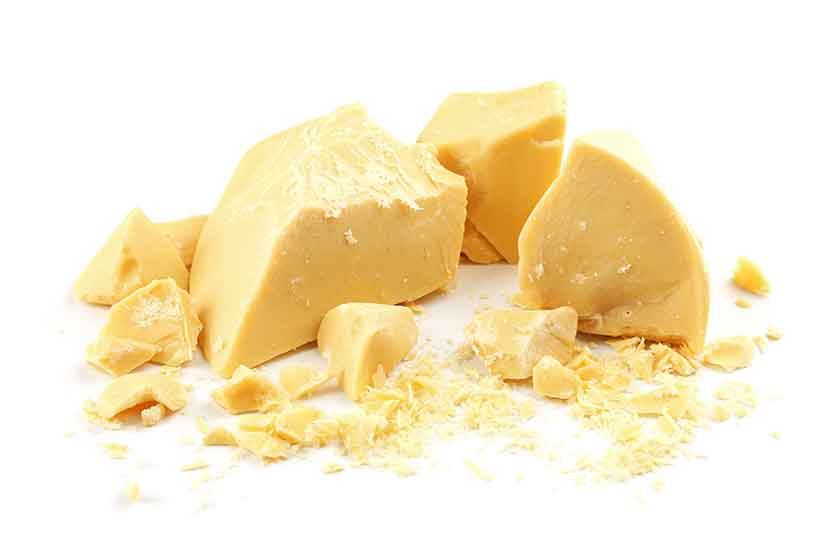
When it comes to industrial production, particularly in the food, cosmetics, and pharmaceutical sectors, raw material selection is never trivial. One ingredient that has gained considerable attention over the years is cocoa butter replacement. While traditional cocoa butter remains a premium component, modern production challenges and cost considerations have led manufacturers to explore alternative solutions. But what exactly are the benefits, practical applications, and potential pitfalls of switching to cocoa butter alternatives in a factory setting?
In this guide, we’ll break down everything a production manager, procurement officer, or plant supervisor needs to know—focusing on real-world implications, actionable strategies, and insights from our experience supplying manufacturing facilities globally.
Understanding Cocoa Butter and Its Replacements
Before diving into the benefits, it’s critical to understand what cocoa butter replacement is and how it differs from traditional cocoa butter.
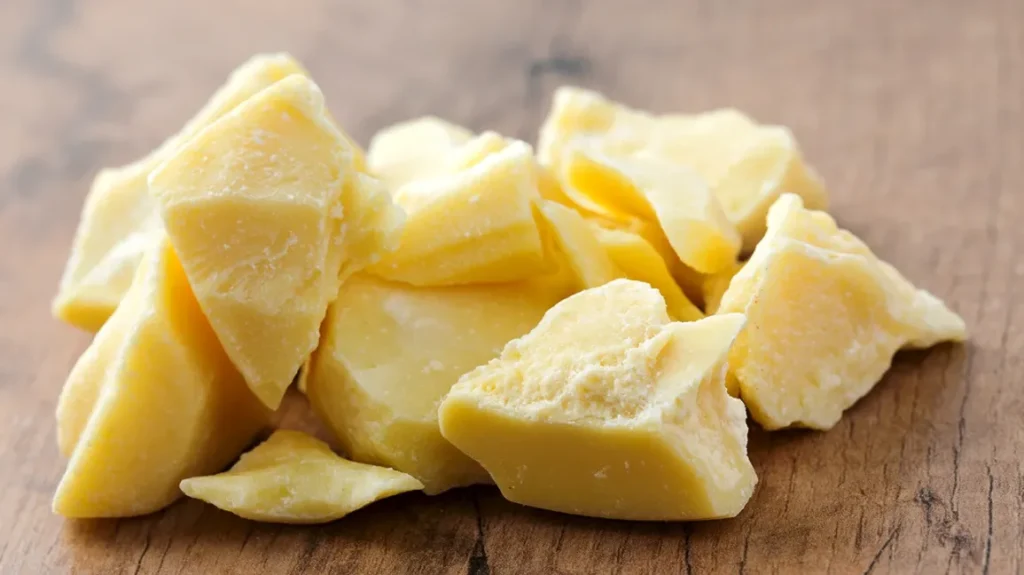
Cocoa butter, extracted from cocoa beans, is prized for its stable fat composition, smooth texture, and ability to retain flavors and aromas. It’s widely used in chocolate, confectionery, cosmetics, and pharmaceutical formulations. However, natural cocoa butter has some limitations for industrial operations:
- High cost relative to other vegetable fats
- Supply chain fluctuations due to crop variability
- Sensitivity to heat and processing conditions
Enter cocoa butter replacements: engineered vegetable fats that mimic the physical properties of cocoa butter, often using blends of palm oil, shea butter, illipe butter, or other high-melting-point lipids. These alternatives are formulated to provide similar melting behavior, texture, and stability while addressing the operational challenges of large-scale production.
LSI keywords to keep in mind: industrial fats, confectionery manufacturing, palm oil derivatives, production efficiency, cocoa butter alternatives, bulk procurement, plant operations, quality consistency, industrial supply chain, cost-effective formulations.
Why Manufacturing Facilities Opt for Cocoa Butter Replacements
In our experience supplying manufacturers across multiple sectors, the shift from traditional cocoa butter to alternatives is driven by a combination of economic, technical, and operational factors.
1. Cost Management and Budget Optimization
Cocoa butter is one of the more expensive raw materials in chocolate and confectionery production. For high-volume plants, even marginal cost reductions can have a substantial impact on the bottom line.
- Cocoa butter replacement allows factories to stabilize production costs without sacrificing key quality attributes.
- Bulk procurement from reliable suppliers such as MT Royal ensures predictable pricing and supply continuity.
- Premium replacements, like those engineered with Spanish-origin brands such as Latamarko, offer high-performance characteristics that reduce wastage, further lowering effective cost per unit.
Enhanced Processing Flexibility
Unlike natural cocoa butter, which can be sensitive to heat and moisture, replacements often offer greater thermal stability. This advantage translates into smoother processing on industrial equipment:
- Less risk of fat bloom in chocolate products
- Better resistance to temperature fluctuations during transport and storage
- Easier integration into automated tempering lines and molding machines
We’ve observed that production supervisors value this predictability, especially in facilities running 24/7 operations, because it reduces downtime due to material inconsistencies.
Scalability for Large-Scale Production
Factories producing hundreds or thousands of tons annually benefit from the scalability of cocoa butter replacements. With consistent melting points, crystallization behavior, and textural properties, these alternatives are easier to integrate into bulk production lines.
- Simplified storage and handling compared to delicate natural cocoa butter
- Predictable flow and mixing properties for large-scale blending tanks
- Reduced dependency on seasonal cocoa harvests, ensuring uninterrupted supply
Sustainability Considerations
Sustainability is increasingly critical for modern manufacturing. While traditional cocoa sourcing faces deforestation concerns, certain cocoa butter replacements, particularly those based on certified RSPO palm oil derivatives, align better with environmental goals.
- Manufacturers can achieve certifications and improve brand reputation by choosing responsibly sourced alternatives
- Suppliers like MT Royal offer eco-conscious options without compromising production quality
Common Pitfalls and Misconceptions in Industrial Procurement
Switching to cocoa butter replacements isn’t without challenges. Here are some insights based on real factory scenarios:
- Assuming All Replacements Are Equal
Not all alternatives mimic cocoa butter perfectly. Some may compromise mouthfeel or texture if not matched to product specifications. Testing multiple sources and consulting technical datasheets is crucial. - Overlooking Supplier Reliability
Bulk production demands consistency. Choosing a supplier with proven reliability, like MT Royal, ensures uninterrupted operations. Inconsistent quality can cause costly line stoppages. - Ignoring Regulatory Compliance
Certain markets have strict labeling and formulation regulations. Cocoa butter replacements must comply with local and international standards, especially in cosmetics or pharmaceuticals. - Underestimating Equipment Calibration Needs
Even minor variations in fat composition can affect tempering and molding. Production managers must adjust processing parameters to accommodate new materials.
Step-by-Step Guide for Integrating Cocoa Butter Replacements
To help factory managers implement replacements smoothly, here’s a structured approach:
- Assess Product Requirements
Determine melting points, texture, and flavor characteristics required for your products. - Source Multiple Options
Evaluate brands such as Latamarko for premium quality, as well as other competitive offerings available via MT Royal. - Conduct Pilot Testing
Run small-scale trials to assess texture, appearance, and stability. Monitor equipment performance and batch consistency. - Adjust Production Parameters
Calibrate tempering lines, molding speeds, and cooling cycles based on the replacement’s thermal profile. - Train Staff
Ensure operators understand handling differences and quality checks for the new material. - Monitor Continuous Production
Track batch consistency, production efficiency, and any deviations. Use feedback loops to optimize formulations.
Real-Life Examples from Industrial Settings
Consider a mid-size confectionery plant in Europe transitioning to cocoa butter alternatives for seasonal chocolate production.
- Prior to the switch, chocolate bars frequently exhibited fat bloom due to inconsistent cocoa butter crystallization.
- After trialing Latamarko premium replacements, the plant reduced line stoppages by 20% and achieved a more uniform product appearance.
- By sourcing through MT Royal, procurement teams gained predictable delivery schedules and competitive pricing, simplifying budgeting and inventory management.
Similarly, pharmaceutical facilities producing topical creams have found that cocoa butter replacements maintain emollient properties while improving storage stability and melting range for large batch fills.
Comparison of Cocoa Butter vs. Replacement Fats
| Feature | Natural Cocoa Butter | Cocoa Butter Replacement |
|---|---|---|
| Cost | High | Moderate to Low |
| Thermal Stability | Sensitive | Stable |
| Supply Reliability | Seasonal | High |
| Processing Flexibility | Limited | High |
| Sustainability Options | Moderate | RSPO-certified alternatives available |
| Premium Quality Options | Available but expensive | European/Spanish brands like Latamarko offer top-tier solutions |
This table helps production managers make informed choices based on operational priorities.
Industry-Specific Considerations
Food Manufacturing
- Ensure replacements do not alter flavor profiles in chocolate, confectionery, or baked goods
- Maintain compliance with allergen and labeling regulations
Cosmetic Production
- Emollient properties and skin absorption must match formulation targets
- Stability testing under various storage conditions is essential
Pharmaceutical Applications
- Regulatory compliance is non-negotiable
- Uniformity and batch-to-batch consistency are critical for dosage forms and topical creams
FAQs for Factory Owners and Procurement Managers
Q: Can cocoa butter replacements fully replicate natural cocoa butter?
A: High-quality replacements, especially premium European or Spanish brands, can match key physical properties such as melting point and texture. Taste or aroma replication depends on the specific application and blend.
Q: Are replacements cost-effective for large-scale production?
A: Absolutely. For high-volume operations, the cost savings, reduced downtime, and supply chain stability often outweigh any minor differences in flavor or texture.
Q: How do I choose a reliable supplier?
A: Look for proven track records, competitive pricing, technical support, and consistent quality. Our experience at MT Royal shows that dependable supply chains are critical for uninterrupted production.
Q: Do cocoa butter replacements affect shelf life?
A: Often positively. Improved stability against heat, moisture, and crystallization can extend product shelf life in chocolate and cosmetic applications.
Strategic Takeaways for Production Managers
- Evaluate Your Production Needs – Not all factories need premium replacements, but understanding your product’s technical requirements ensures the right choice.
- Prioritize Supplier Relationships – Consistent quality and timely delivery, as we provide at MT Royal, are often as valuable as cost savings.
- Consider Premium Options for Key Products – Brands like Latamarko offer exceptional stability and reliability for high-end products where quality cannot be compromised.
- Invest in Pilot Trials – Small-scale testing saves large-scale headaches and production downtime.
- Train Operators and Adjust Processes – Integration is not just material substitution; it involves equipment calibration and staff awareness.
Closing Thoughts
Cocoa butter replacement is more than a cost-cutting measure—it’s a strategic decision that influences product quality, operational efficiency, and supply chain resilience. By carefully evaluating options, leveraging trusted suppliers like MT Royal, and considering premium sources such as Latamarko, manufacturing facilities can achieve predictable results, maintain high-quality standards, and even enhance sustainability credentials.
For production managers and procurement officers, the question isn’t whether cocoa butter replacement is feasible—it’s how best to implement it to maximize efficiency and profitability. After all, in a competitive industrial landscape, smarter raw material choices can make all the difference between a smooth production line and unexpected downtime.



No comment