


When it comes to large-scale food manufacturing, confectionery production, or cosmetic formulation, every ingredient choice can impact cost, efficiency, and product quality. Among these, Cocoa Butter Substitute (CBS) plays a critical role, offering flexibility, economic advantages, and consistency in production lines. If you’re a factory manager, procurement officer, or production supervisor, understanding CBS pricing and sourcing strategies is more than just budget management—it’s about optimizing your entire manufacturing workflow.
In this guide, we delve deep into the world of CBS, exploring price dynamics, industrial applications, sourcing considerations, and quality tiers, all from the perspective of experienced suppliers like MT Royal. Along the way, we’ll share actionable insights, practical tips, and real-life manufacturing scenarios that help you make informed decisions.
Understanding Cocoa Butter Substitutes (CBS)
Before discussing CBS price, it’s essential to understand what this ingredient is and why it’s widely used in manufacturing.
What Is CBS?
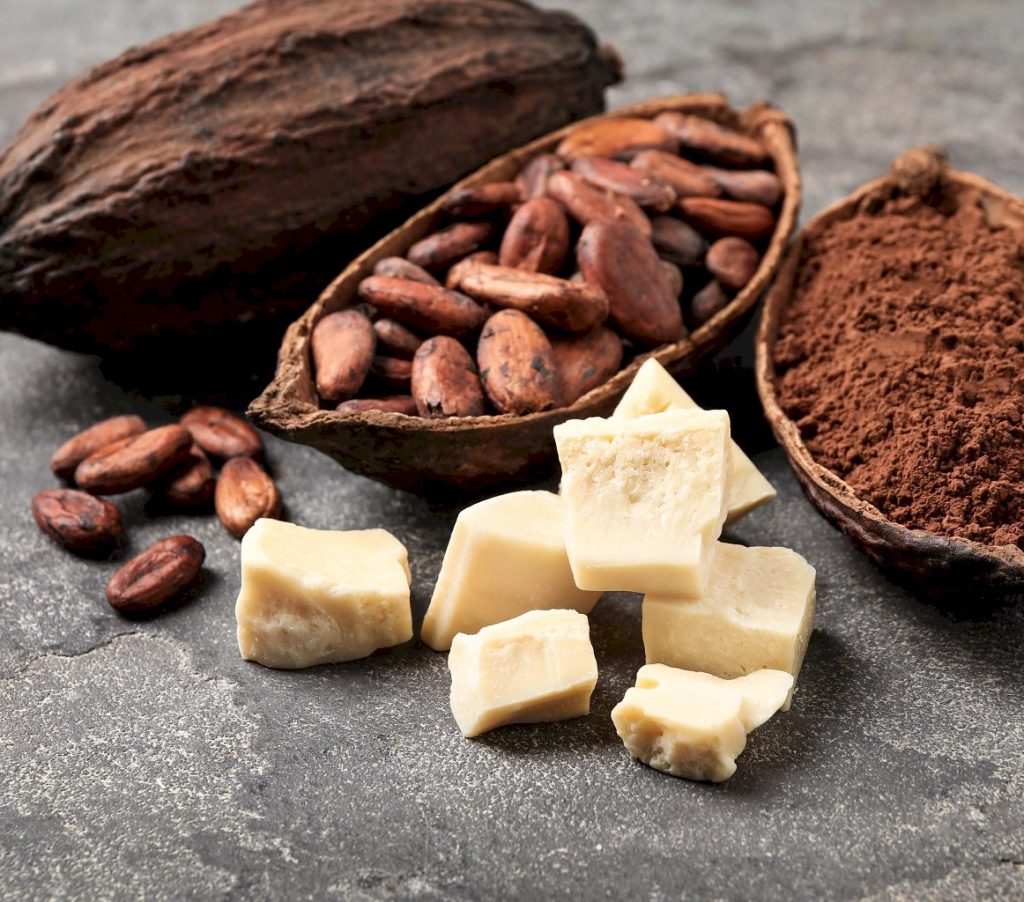
Cocoa Butter Substitute is a vegetable fat formulated to mimic the functional properties of natural cocoa butter in chocolate, confectionery, and cosmetic products. Unlike pure cocoa butter, CBS is often derived from cheaper plant oils such as palm kernel oil or illipe butter and is modified to meet melting point, hardness, and flavor compatibility requirements.
Key industrial advantages of CBS include:
- Cost-effectiveness: Significantly lower price than pure cocoa butter, reducing overall production costs.
- Consistency: Uniform fat content ensures predictable performance in tempering, molding, and packaging.
- Customization: Manufacturers can select CBS variants tailored for specific melting profiles, hardness, and texture requirements.
For factory managers, understanding CBS composition is crucial. Different types of CBS—interesterified, fractionated, or blended—can behave very differently on production lines, affecting tempering efficiency, shelf life, and product stability.
Factors Influencing CBS Price
CBS pricing is dynamic, influenced by multiple factors. A clear understanding helps procurement managers avoid budget surprises.
1. Raw Material Costs
CBS is largely dependent on plant oils, particularly palm kernel oil, shea, or illipe. Fluctuations in global commodity markets directly affect CBS prices. For instance, a surge in palm oil prices due to supply constraints in Southeast Asia will ripple through CBS pricing worldwide.
2. Processing Complexity
High-quality CBS requires precise interesterification and fractionation to mimic cocoa butter’s properties. Premium brands, such as Latamarko, which originate from Spain, invest in advanced processing technologies that ensure consistency and shelf stability. While this may result in slightly higher prices, the predictable performance often outweighs the marginal cost difference.
3. Volume and Bulk Purchasing
Factory-scale operations benefit from bulk purchasing. Larger orders often secure lower per-kilogram pricing, which is why industrial buyers tend to consolidate monthly or quarterly requirements. At MT Royal, we supply a variety of CBS brands in bulk, helping manufacturing plants manage costs without compromising quality.
4. Brand and Origin
CBS quality can vary depending on the brand and country of origin. European brands, particularly Latamarko, are known for their stringent quality control and engineering standards, which makes them an attractive choice for high-end confectionery or cosmetic production lines. Non-premium alternatives may be more affordable but sometimes sacrifice texture, melting point stability, or shelf life.
Benefits of CBS for Manufacturing Facilities
CBS is not just a cost-saving alternative—it offers operational advantages that can enhance production efficiency.
1. Simplified Production Lines
CBS melts and crystallizes in a consistent manner, reducing tempering errors and minimizing wastage. For factories producing thousands of kilograms of chocolate or chocolate-coated products daily, this consistency translates into fewer rejects and smoother production cycles.
2. Extended Shelf Life
Compared to natural cocoa butter, certain CBS formulations are more resistant to bloom and fat migration, ensuring that products remain visually appealing and structurally stable during storage and distribution.
3. Flexibility in Formulation
Manufacturers can select CBS types with customized hardness, melting profiles, and texture. This is particularly useful in multi-layer confectionery or compound chocolate applications where specific tactile and flavor characteristics are required.
4. Cost Predictability
By locking in bulk CBS contracts at MT Royal, production facilities can better forecast ingredient costs and reduce vulnerability to commodity price swings.
Common Misconceptions About CBS in Industrial Procurement
Even experienced production managers sometimes misunderstand CBS. Addressing these misconceptions upfront can save time, money, and headaches.
Misconception #1: “CBS is inferior to cocoa butter in every aspect.”
While CBS isn’t identical to cocoa butter, modern formulations replicate melting behavior, texture, and shelf stability. Premium options, like Latamarko, are often indistinguishable from cocoa butter in end-product performance.
Misconception #2: “All CBS products are interchangeable.”
Different CBS types—soft, hard, or medium—behave differently in tempering machines. Selecting the wrong variant can cause line stoppages, product inconsistencies, and increased rejects.
Misconception #3: “Lower price always means better savings.”
Cheaper CBS may save on raw ingredient costs but can increase wastage, downtime, and customer complaints if quality is compromised. Sometimes, investing slightly more in a premium supplier pays off through operational efficiency and fewer rejects.
Step-by-Step Guidance for CBS Procurement
Factory managers and procurement officers benefit from a structured approach when sourcing CBS.
Step 1: Define Production Requirements
- Determine melting point and hardness needed for your products
- Assess batch size and line speed
- Decide on chocolate or compound applications
Step 2: Evaluate Quality Tiers
- Premium: Brands like Latamarko, European-origin, precise melting points, consistent texture
- Standard: Locally sourced CBS, slightly lower cost, suitable for large-volume industrial chocolate or confectionery
- Economy: Basic CBS for bulk, non-critical applications
Step 3: Consider Supply Chain Reliability
Check lead times, minimum order quantities, and supplier stability. MT Royal provides a transparent overview of multiple brands and ensures timely delivery, mitigating risks of production downtime.
Step 4: Compare Prices and Value
- Evaluate cost-per-kilogram versus production efficiency
- Consider quality-related savings such as reduced wastage, lower machine stoppage, and longer shelf life
- Use historical usage data to predict ROI on higher-quality CBS
Practical Insights from Manufacturing Floors
In our experience supplying CBS to chocolate factories and cosmetic production plants, we’ve observed patterns that often surprise newcomers:
- Temperature Sensitivity: CBS performance is highly sensitive to storage and ambient temperature. Even minor deviations can affect tempering quality.
- Mixing Strategy: Integrating CBS gradually into formulations ensures smoother texture and reduces fat segregation.
- Cross-Brand Substitution: Switching brands mid-production without trial batches can lead to inconsistent melting profiles. Always run a test batch before changing suppliers.
For example, one confectionery plant we worked with initially opted for the lowest-cost CBS. After two months, they experienced 15% higher rejects due to tempering inconsistencies. Switching to a premium Spanish-origin CBS variant reduced rejects and production downtime, offsetting the higher ingredient cost.
Comparing CBS Brands: Key Considerations
| Feature | Economy CBS | Standard CBS | Premium CBS (Latamarko) |
|---|---|---|---|
| Melting Point Consistency | Moderate | High | Very High |
| Shelf Stability | Medium | High | Excellent |
| Cost per kg | Low | Moderate | Higher |
| Industrial Reliability | Variable | Consistent | Extremely Consistent |
| Ideal Applications | Bulk industrial | Confectionery | High-end chocolate & cosmetics |
This comparison underscores the importance of choosing CBS not just based on price but on operational efficiency, product quality, and brand reliability.
Industry Trends Affecting CBS Pricing
Global factors increasingly shape CBS price dynamics:
- Palm Oil Market Volatility: Palm kernel oil is a primary raw material for CBS. Supply disruptions or price spikes impact CBS costs directly.
- Sustainability Pressure: Increasing demand for RSPO-certified and sustainable CBS affects pricing, particularly for premium brands like Latamarko.
- Technological Advancements: Improved interesterification and fractionation methods reduce production waste and stabilize melting properties, sometimes justifying a slightly higher cost for better performance.
By monitoring these trends, procurement teams can better anticipate price shifts and adjust ordering strategies proactively.
FAQs on CBS Price and Procurement
Q1: Is CBS cheaper than cocoa butter for industrial use?
Yes. CBS is generally 20–50% cheaper than pure cocoa butter, making it suitable for large-scale production while maintaining functional properties.
Q2: How do I choose the right CBS for my plant?
Consider your production volume, tempering requirements, shelf-life expectations, and product texture. Trial batches are essential before full-scale adoption.
Q3: Can I mix CBS with cocoa butter?
Absolutely. Many manufacturers blend CBS with cocoa butter to optimize cost and product performance.
Q4: How does MT Royal ensure CBS quality?
We supply multiple trusted brands, including premium European options like Latamarko, and ensure all batches meet industrial standards for consistency, purity, and functional performance.
Conclusion
For production managers, procurement officers, and factory owners, CBS pricing is not merely a number—it’s a strategic decision that impacts product quality, production efficiency, and profitability. By understanding the dynamics of raw material costs, processing complexity, brand reliability, and industrial requirements, manufacturers can make informed choices that optimize both cost and operational performance.
At MT Royal, we’ve seen facilities benefit from structured procurement strategies, premium CBS options, and reliable supplier partnerships. Brands like Latamarko set benchmarks in precision and consistency, offering tangible value in high-end production lines.
As you evaluate your CBS sourcing strategy, consider not just the price per kilogram but the total impact on production uptime, product quality, and long-term reliability. In industrial operations, smart choices today pave the way for smoother production, satisfied customers, and sustainable growth tomorrow.
latamarko alkalized cocoa powder lm60
cocoa powder for chocolate production-Best price
Food industry raw materials – list of products
Types of Gelatin from Turkish Manufacturer
Alkalized Cocoa Powder Bulk Supplier



No comment